

Introduction: The Enduring Legacy of the Dancefloor
For millions, the Loveparade remains the definitive cultural artifact of 1990s Germany. It began in 1989 as an intimate, grassroots demonstration of "Peace, Love, and Tolerance" with a mere 150 participants marching through the streets of West Berlin. Within a decade, it had metastasized into a global phenomenon, drawing 1.5 million people to the streets and becoming a symbol of post-reunification optimism. However, the trajectory from a spontaneous street protest to a massive, corporate-sponsored commercial enterprise was fraught with internal friction.
The tragic 2010 disaster in Duisburg, which claimed 21 lives and left hundreds injured, cast a long shadow over the genre. Today, as the successor movement "Rave The Planet" seeks to revive the spirit of the original parade, it faces a complex challenge: how to honor the past, learn from fatal institutional failures, and navigate a modern electronic music scene that is far more fragmented and politically sensitive than the one of thirty years ago.
A Chronology of a Movement: From Underground to Tragedy
The Golden Era (1989–1999)
The brainchild of DJ Dr. Motte and artist Danielle de Picciotto, the Loveparade was initially conceived as a political demonstration. It utilized the legal loophole of being a "demonstration" to bypass strict city regulations. Following the fall of the Berlin Wall, the parade became a focal point for the collective euphoria of a newly reunited Germany. It was a time when the sound of Techno—raw, repetitive, and futuristic—mirrored the societal transformation.
The Commercial Turn (2000–2009)
As the parade grew, so did the financial stakes. The transition from an authentic "scene-driven" event to a commercial juggernaut necessitated corporate sponsorship and professional management. Danielle de Picciotto, a co-founder, eventually withdrew from the project, citing a fundamental shift in values. She noted that the ethos of community was being eroded by the demands of mass-market profitability. By 2005, the brand was sold to fitness entrepreneur Rainer Schaller, signaling the final departure from the event’s anarchist roots.
The Duisburg Catastrophe (2010)
The turning point came on July 24, 2010. During the Loveparade in Duisburg, a massive crush occurred in a narrow tunnel leading to the festival grounds. Twenty-one people died, and over 650 were injured. The psychological trauma rippled through the entire global electronic music community. The subsequent legal proceedings dragged on for a decade, ultimately concluding in 2020 with the dismissal of the case without a final verdict on criminal culpability. For many survivors and victims’ families, the lack of a clear judicial resolution remains a festering wound.
"Rave The Planet": An Attempt at Reconciliation
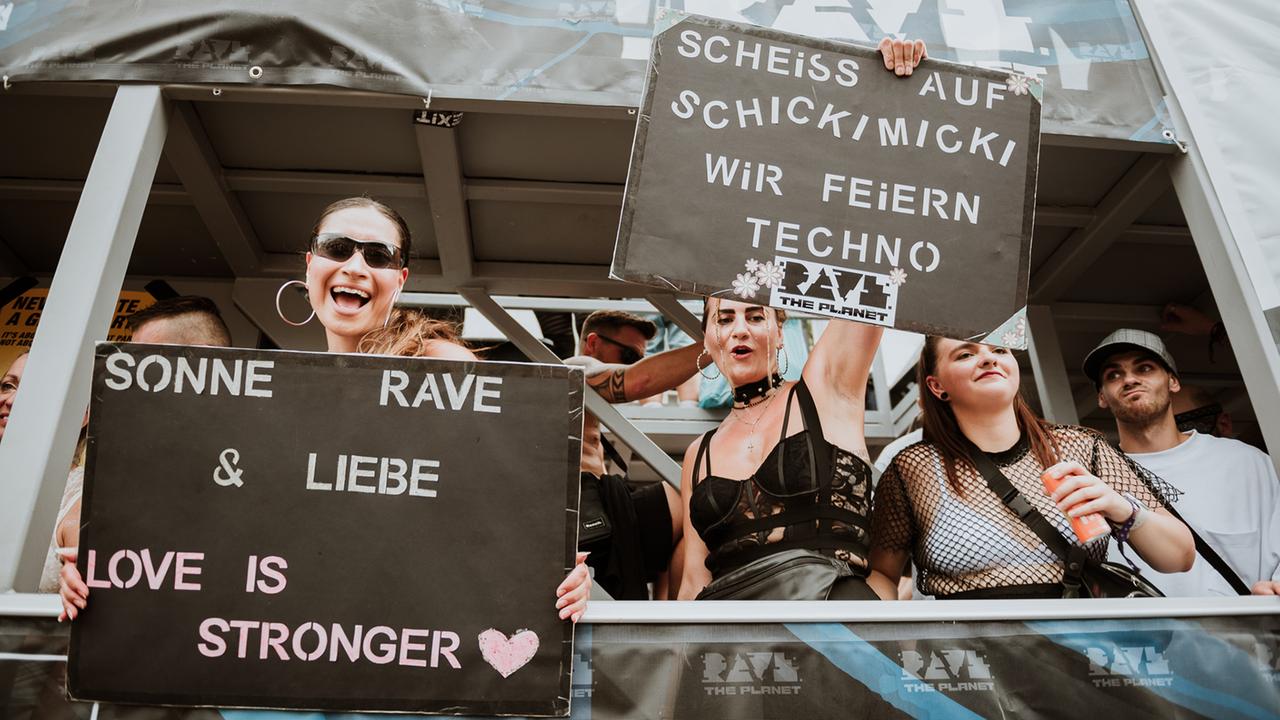
Twelve years after the tragedy, "Rave The Planet" emerged as the spiritual successor. Spearheaded by Dr. Motte and Ellen Dosch-Roeingh, the movement positions itself as a return to the original 1989 ideals: a non-profit, political demonstration for peace and culture.
The organization claims to have learned the lessons of the past. Their approach is marked by stricter safety protocols, professionalized crowd management, and a deliberate distancing from the heavy-handed commercialization that defined the later years of the original Loveparade. In the recent ARD documentary Love is stronger, director Britta Mischer suggests that the core warmth of the community has survived, even if the world around it has changed.
Key Differences:
- Non-Profit Status: Unlike the late-era Loveparade, the new iteration emphasizes community ownership.
- Safety First: The logistical planning now reflects a post-Duisburg reality, where safety is not a secondary cost, but a primary requirement.
- Cultural Advocacy: The founders emphasize that the parade is a demonstration for the recognition of electronic music as a cultural asset, not just a party.
Supporting Data and Public Reception
The first "Rave The Planet" event in 2022 drew approximately 200,000 participants—a massive turnout by any standard, though still a fraction of the record-breaking peaks of the late 90s. While organizers view this as a success, the event has not yet achieved the same level of international "must-attend" status as its predecessor.
Public response remains polarized. The movement has faced criticism, most notably when Dr. Motte was photographed near symbols associated with the "Querdenker" (anti-lockdown/conspiracy) movement. Although he apologized and cited a misunderstanding, the incident highlighted the difficulty of managing a public movement in an era of heightened political volatility and social media scrutiny.
Gender, Representation, and the Evolution of Techno
A critical aspect of the current discourse involves the role of women and marginalized groups in the history of the scene. Often, the narrative of the Loveparade has been centered solely on male pioneers like Dr. Motte and Westbam. Figures like Danielle de Picciotto are working to rewrite this history, ensuring that the contributions of women, queer artists, and people of color are recognized.
Contemporary DJs, such as those associated with the Cologne-based FLINTA (Female, Lesbian, Intersex, Non-binary, Trans, Agender) collective E.P.I.Q., argue that while there is more visibility today, true equality remains elusive. They point out a systemic issue: women are frequently asked about "gender equality" in interviews, while their male counterparts are asked about the music itself.
For the younger generation, the "Techno scene" has become more inclusive but also more fractured. There is a palpable tension between the nostalgic desire for the "pure" 90s era—often romanticized by Gen Z as a time before smartphones and social media—and the current reality of highly curated, awareness-driven club culture.
Implications: The Future of the Rave
Can a mass event still serve as a genuine, non-commercial protest in the 2020s? The current landscape of electronic music is defined by two competing forces:
- The Nostalgic Revival: A craving for the "freedoms" of the 90s, where the lack of surveillance and the communal focus on the beat defined the experience.
- The Awareness Movement: A modern, highly conscious culture that prioritizes safety, consent, and inclusivity, often found in smaller, more intimate festivals that intentionally reject the "Loveparade" model of mass-scale commercialism.
The survival of "Rave The Planet" depends on its ability to navigate this divide. If it becomes too corporate, it loses its soul; if it stays too underground, it struggles to maintain the political influence required to advocate for the rights of club culture.
Conclusion: Reimagining the Beat
The legacy of the Loveparade is not merely a collection of anthems or images of neon-clad crowds; it is a lesson in the fragility of public joy. The trauma of 2010 remains a permanent fixture of the community’s collective memory, serving as a reminder that the responsibility of the organizer is to the safety of the individual, not just the success of the brand.
As the movement continues, the question is no longer whether we can recreate the past, but whether we can build a future that respects the history of the movement while acknowledging that the culture has grown up. Techno today is more nuanced, more political, and more diverse. Whether "Rave The Planet" becomes the standard-bearer for this new era or merely a footnote in the history of a dying format remains to be seen. What is clear, however, is that the demand for "Peace, Love, and Tolerance" remains as urgent today as it was in 1989.