
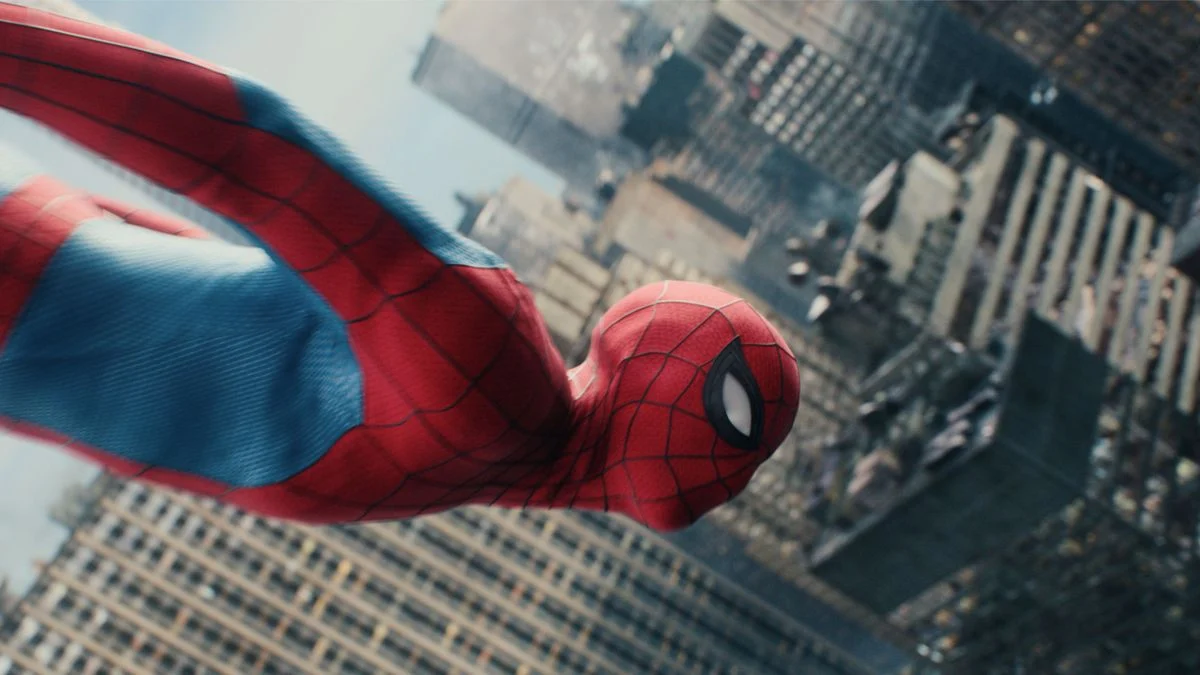
In a cinematic landscape often dominated by franchise fatigue and fluctuating theater attendance, the wall-crawler has swung back into action with a ferocity that few industry analysts dared to predict. Sony Pictures’ latest installment in the Marvel-adjacent franchise, Spider-Man: Brand New Day, has officially redefined the parameters of a blockbuster success, raking in an astonishing $927 million globally during its opening weekend. This figure, translating to roughly €800 million, cements the film as a cultural juggernaut and serves as a powerful testament to the enduring, universal appeal of Peter Parker.
A Historic Opening Weekend: The Numbers Game
The financial performance of Brand New Day is nothing short of historic. Across the United States and Canada alone, the film secured $355 million in its first three days, marking the second-best domestic opening in the history of cinema. While it narrowly missed the all-time record set by the gargantuan Avengers: Endgame, the feat is arguably more impressive given the current shifts in audience viewing habits.
Globally, the film’s momentum has been fueled by a balanced performance across key international markets. China, a critical territory for major Hollywood tentpoles, emerged as the leading international contributor, with local audiences shelling out $121 million for tickets. This widespread success indicates that despite the evolution of streaming services and the rising cost of living, the appetite for high-budget, theatrical-event filmmaking remains robust when the content resonates deeply with the zeitgeist.
The Journey to ‘Brand New Day’: A Chronology of Anticipation
The success of Brand New Day did not occur in a vacuum; it was the result of a meticulously crafted marketing campaign and a multi-year development cycle.
The Development Phase
Following the conclusion of the previous trilogy, speculation regarding the future of Tom Holland’s iteration of the web-slinger was rampant. After months of rumors, Sony confirmed that the fourth solo outing would take a "grounded but high-stakes" approach. With Holland now 30 years old, the production team aimed to transition the character from a high-school prodigy to a young man grappling with the complexities of adulthood, love, and the isolation that comes with his dual identity.
The Trailer Phenomenon
The hype train officially left the station with the release of the film’s first teaser. According to the industry trade publication Variety, the trailer was an unprecedented viral sensation. Within its first 24 hours of availability, the footage racked up an staggering 718 million views across various social media platforms and streaming outlets.
The momentum did not stop there. The analytics firm WaveMetrix reported that, within four days of the trailer’s debut, the clip had been streamed more than one billion times. This shattered previous records for trailer engagement, signaling to exhibitors months in advance that they were looking at a "must-see" cultural event rather than just another superhero movie.
A Star-Studded Return: The Cast and Creative Vision
At the center of this narrative hurricane is Tom Holland, who reprises his role as Peter Parker for the fourth time. Holland’s portrayal has been widely credited with providing the emotional anchor for the film. Alongside him, the return of Zendaya—whose chemistry with Holland has become a cornerstone of the franchise—brings a poignant layer of continuity to the story.
The film also features a powerhouse supporting cast, including Sadie Sink and Mark Ruffalo. The inclusion of Ruffalo’s Bruce Banner/Hulk adds a bridge to the broader Marvel Cinematic Universe, while Sink’s arrival introduces a fresh dynamic to the ensemble. Under the direction of the creative team at Sony, the film manages to balance these heavyweight performances with the intimate, character-driven storytelling that fans of the comics have long demanded.
Official Responses and Strategic Insights
The leadership at Sony Pictures has been quick to frame the film’s success as a triumph of storytelling over mere spectacle. Tom Rothman, the Chairman and CEO of the Sony Motion Picture Group, provided a rare insight into the philosophy driving the production.
"At its core, this is a film about friendship, and about the healing, restorative power of connection in our lives," Rothman noted in a statement released on Sunday. "Whether you are a lifelong comic book fan or someone experiencing Peter Parker’s journey for the first time, there is a fundamental human element to this story that resonates across generations, cultures, and borders."
Rothman’s comments underscore a pivot in how major studios are approaching superhero content. By emphasizing themes of emotional vulnerability and the human condition, Sony has managed to cultivate a broad-based appeal that transcends the typical "action-movie" demographic, effectively capturing audiences who might otherwise be disinterested in the genre.
Implications for the Future of Cinema
The implications of Spider-Man: Brand New Day extend far beyond its opening weekend balance sheet. The film is likely to change the trajectory of the industry in three distinct ways:
1. The Validation of the Theatrical Window
With a $927 million opening, the "day-and-date" release strategy—where films are released simultaneously in theaters and on streaming services—appears increasingly obsolete for tentpole features. The sheer scale of the opening weekend proves that audiences are still eager to participate in the communal experience of cinema, provided the film is perceived as an "unmissable" event.
2. The Power of "Eventized" Marketing
The success of the trailer campaign provides a blueprint for future blockbusters. By leveraging short-form social media content to drive massive, rapid-fire engagement, studios have learned how to create a "FOMO" (fear of missing out) effect that sustains interest until the release date. The billion-view milestone for a trailer is now the new gold standard for major studios.
3. The "Legacy Character" Effect
By focusing on a character who has been part of the cultural lexicon for decades, Sony has demonstrated the value of legacy. Audiences aren’t just buying tickets for a new film; they are participating in a long-term relationship with a character they have watched grow up. This suggests that future investment will likely continue to lean heavily into established IPs that allow for deep, character-focused storytelling.
Conclusion: A New Dawn for the Web-Slinger
As the dust settles on this record-breaking weekend, the industry is already looking ahead to the long-term prospects of Spider-Man: Brand New Day. With glowing critical reviews and strong word-of-mouth sentiment, it is widely expected that the film will comfortably cross the $2 billion mark globally, potentially challenging the all-time highest-grossing films in history.
More than just a financial victory, however, Brand New Day stands as a reminder of the enduring power of the superhero mythos when handled with care. In a world of increasing fragmentation, the story of a young man trying to do the right thing—while navigating the messy, beautiful reality of being human—remains a narrative that the entire world is willing to pay to see. For now, Peter Parker has ensured that the "Friendly Neighborhood Spider-Man" is more relevant, and more profitable, than ever before.