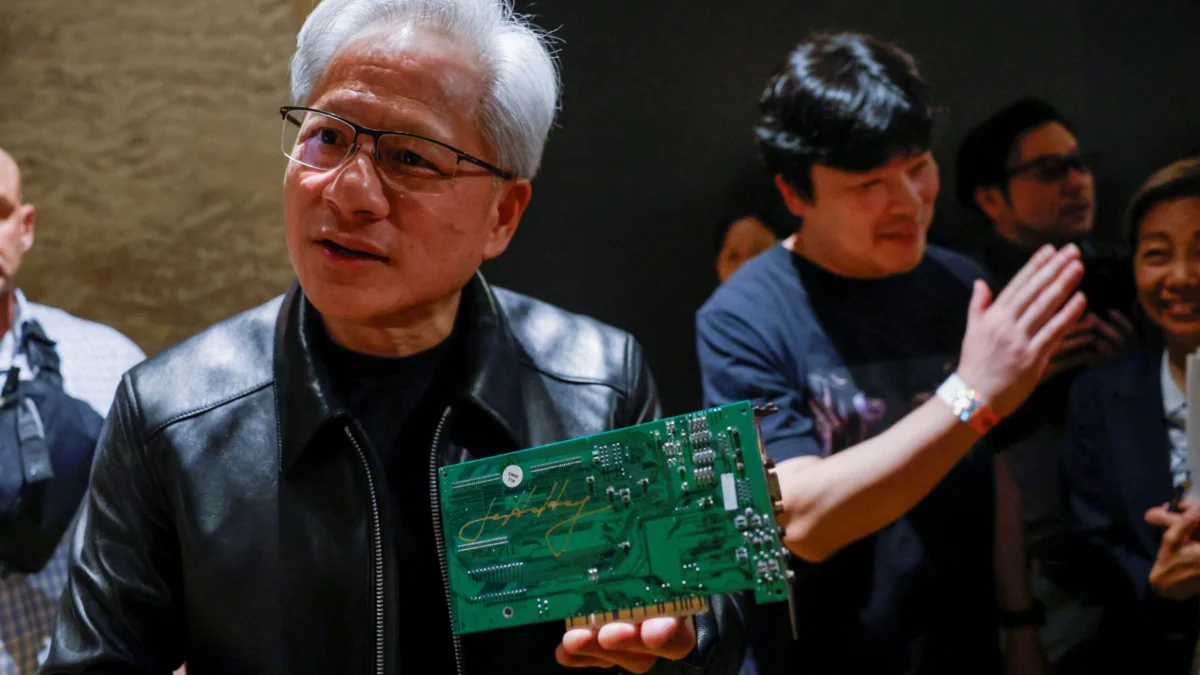
BERLIN – Long before the doors to the Berlin Tempodrom officially opened, the atmosphere outside resembled the frenzied anticipation of a sold-out stadium tour. Tech enthusiasts, industry analysts, and government representatives huddled in the crisp air, waiting for a glimpse of the man many consider the most influential figure in modern computing: Nvidia CEO Jensen Huang.
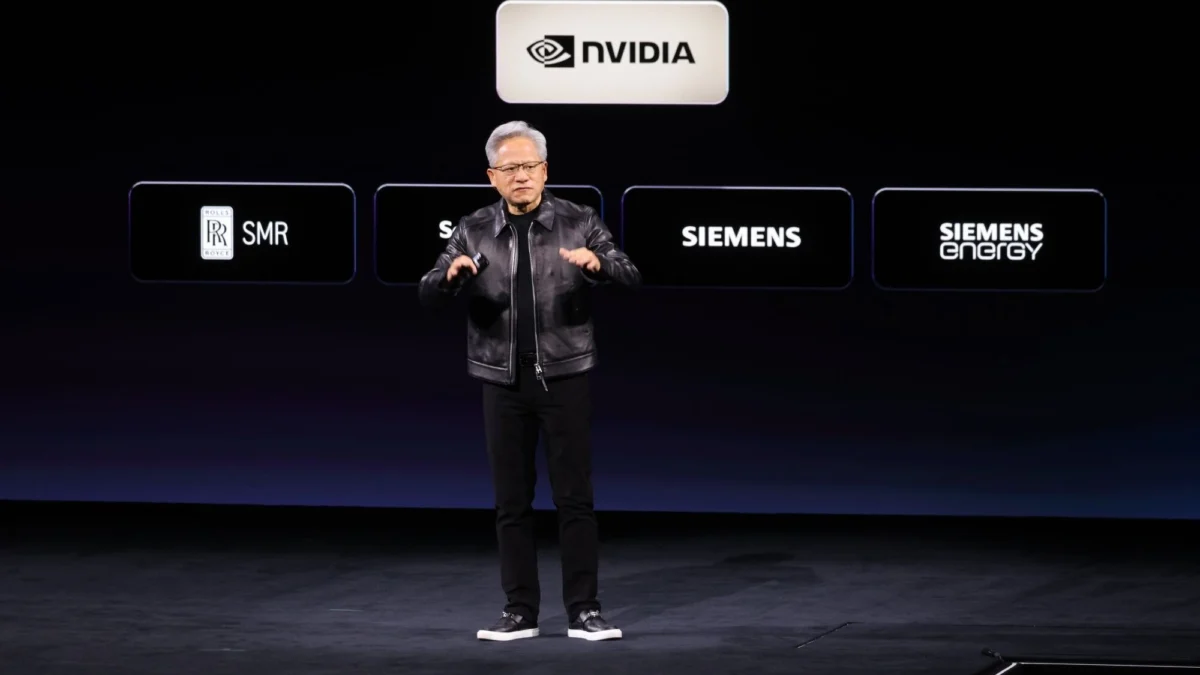
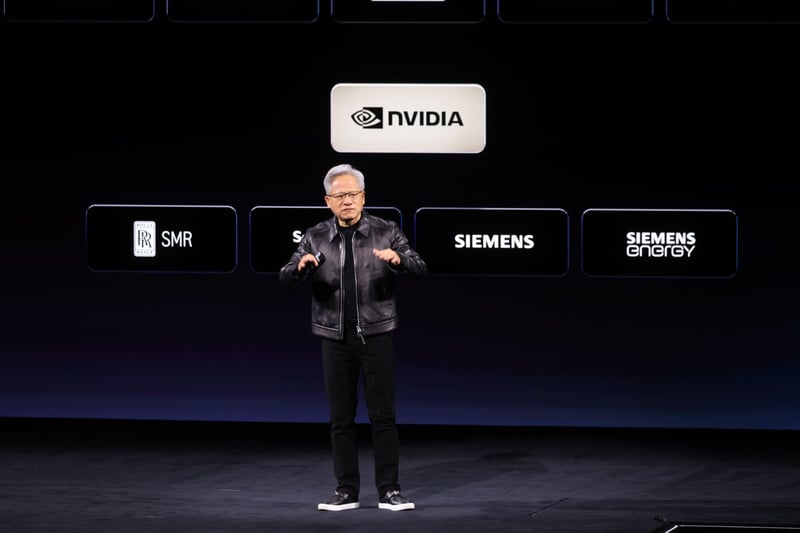
For the gathered crowd, this was not merely a corporate keynote; it was a pilgrimage. As Huang took the stage to the roar of a capacity audience, he wasted no time framing his vision. "This is where it all begins," he declared, his trademark leather jacket cutting a familiar silhouette against the high-tech digital backdrop. "The new industrial revolution is being written in code, and it starts with artificial intelligence. Every company in Europe is destined to become an AI company."
The Strategic Vision: A Continental Overhaul
Huang’s message to the European market was one of total integration. He presented Nvidia not just as a hardware manufacturer—the world’s most valuable chip designer—but as the essential infrastructure provider for a continent playing catch-up in the global AI arms race.
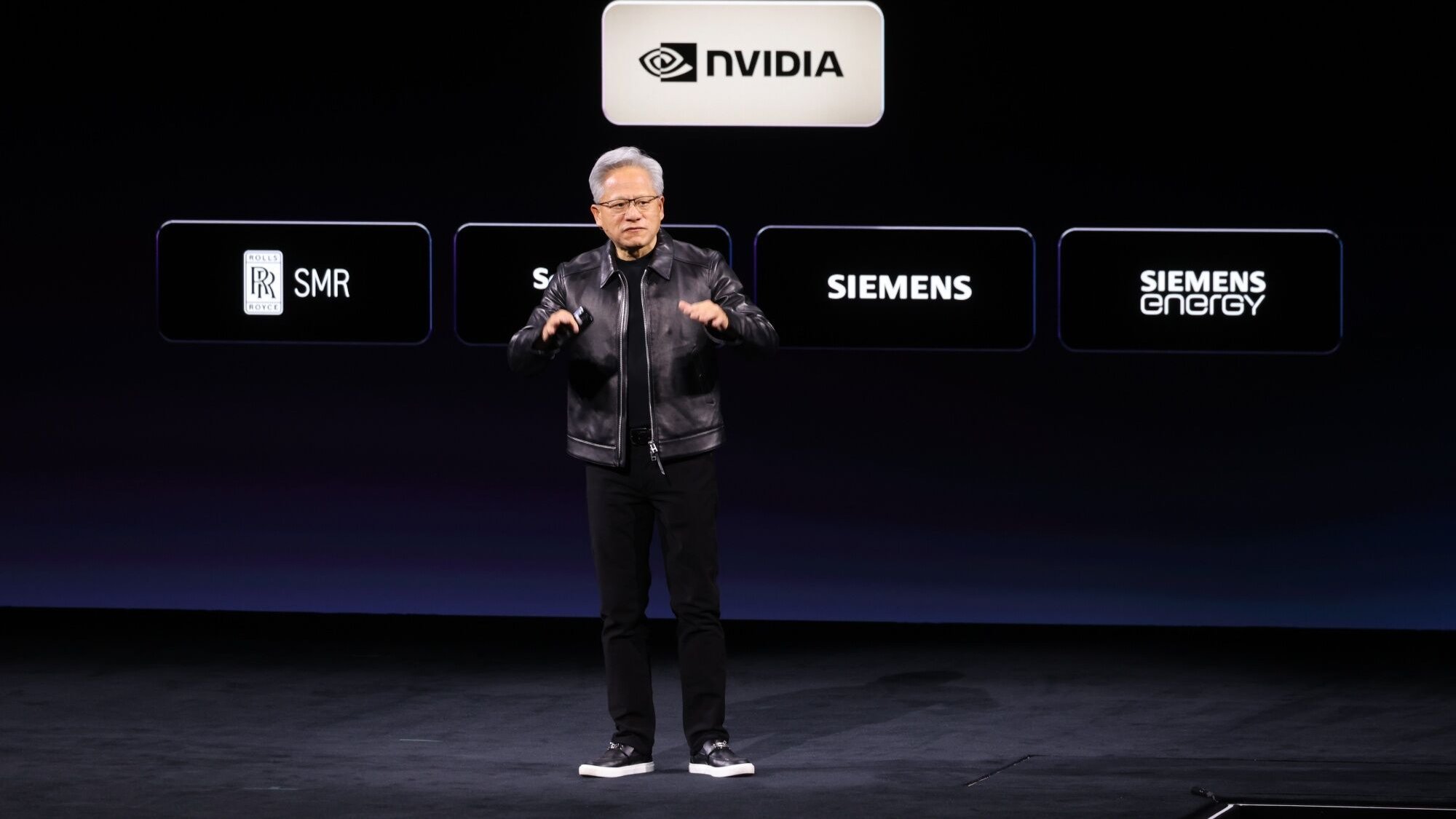
The CEO outlined a comprehensive roadmap designed to provide European enterprises with a "full-stack" solution. This includes massive leaps in computing capacity, robust frameworks for the secure management of proprietary corporate data, and specialized tools designed to bridge the gap between digital models and physical implementation in robotics and industrial automation.
Chronology: From Silicon Valley to Berlin
The timing of Huang’s visit is no coincidence. Europe has been grappling with a "sovereignty paradox"—an urgent desire to lead in AI innovation while simultaneously maintaining strict regulatory oversight through the EU AI Act.
- Early Morning: Crowds begin to swell outside the Tempodrom, a former airport hangar repurposed for culture and events, signaling the massive public interest in AI infrastructure.
- The Keynote (10:00 AM): Huang takes the stage, emphasizing Nvidia’s 33-year history of operations within Europe. He moves quickly to dispel the notion that Nvidia is a purely "American" interest, citing long-standing partnerships with European research institutions and automotive giants.
- The Technical Deep-Dive (11:00 AM): Huang unveils new optimization suites for the Blackwell architecture, specifically tuned for European data centers that face unique energy constraints and regulatory requirements.
- The Q&A and Networking (12:30 PM): Discussion pivots to the practicalities of "Physical AI," or robotics that learn from the real world, a key focus for Germany’s manufacturing sector.
- Afternoon Protests: While the keynote concludes to thunderous applause, small groups gather outside the venue, highlighting the ongoing friction between Silicon Valley’s rapid development cycle and European concerns regarding labor rights and data sovereignty.
Supporting Data: The Infrastructure Gap
To understand the gravity of Huang’s visit, one must look at the state of European infrastructure. Current estimates suggest that Europe’s collective computing power—measured in exaflops available for training large models—lags significantly behind both the United States and China.
Nvidia’s strategy to address this involves:
- Distributed Compute Clusters: Implementing "Sovereign AI" clouds that allow European nations to host sensitive data on localized, high-performance clusters.
- Efficiency Gains: New GPU iterations that boast a 30% reduction in power consumption per training cycle, a critical metric for a continent committed to aggressive climate and energy goals.
- Industrial Integration: Providing "Digital Twin" technology (Omniverse) to German automotive manufacturers, which allows for the simulation of entire factories before a single brick is laid.
Official Responses and Industry Sentiment
The reception from German and European industry leaders was largely positive, though underscored by a sense of dependency.
"Jensen Huang is selling us the engine of the 21st century," noted one senior executive from a major German automotive firm present at the event. "We are eager to adopt, but we are also wary of the ‘vendor lock-in’ that comes with such profound integration into the Nvidia ecosystem."
Government officials, while welcoming the investment in local data centers, were more cautious in their public statements. The consensus from policymakers is that while Nvidia provides the "picks and shovels" for the gold rush, Europe must ensure it owns the "mines"—the underlying data and the sovereign capability to operate without total reliance on foreign hardware.
The Implications: A Dependency Dilemma
Huang’s presentation brought the fundamental dilemma of the modern digital age into sharp focus: the tension between progress and autonomy.
The "Sovereignty" Constraint
Throughout his ninety-minute address, Huang was masterful at addressing the concerns of the European audience. He promised that the tools he was delivering were "agnostic" and "collaborative." However, there was one promise he could not make: independence.

By building the European AI landscape on top of Nvidia’s CUDA platform and Blackwell hardware, companies are effectively tethering their future to the company’s roadmap. If Nvidia shifts its strategy, European firms will be forced to pivot accordingly. This creates a strategic vulnerability that is currently being debated in the halls of Brussels.
The Rise of Physical AI
Perhaps the most significant portion of the presentation was the focus on "Physical AI." Huang argued that the next wave of AI will not be limited to chatbots and image generators; it will be in the machines that build our cars, sort our logistics, and monitor our energy grids. For Germany, a country whose economy is built on the strength of its manufacturing and engineering prowess, this is the "killer app."
If Nvidia can successfully embed its AI agents into the German factory floor, it will secure a foothold in the European economy that could last for decades.

The Social and Ethical Friction
The protest activity outside the Tempodrom serves as a reminder that the "AI revolution" is not universally embraced. Critics point to the immense environmental cost of the massive data centers required to run these models and the potential for job displacement in the industrial sector.
Huang’s defense—that AI will empower human workers rather than replace them—is a narrative he has repeated globally. In Berlin, however, the response was more skeptical. The German labor model, with its strong emphasis on co-determination and workers’ rights, will likely provide a more robust challenge to the unchecked implementation of AI than the more flexible markets in the U.S.
Conclusion: The Path Forward
Jensen Huang’s visit to Berlin was a masterclass in corporate diplomacy. By positioning Nvidia as a partner in Europe’s industrial digital transformation, he has successfully aligned his company’s growth strategy with the continent’s most pressing economic need: the modernization of its industrial base through artificial intelligence.

However, the path forward is complex. Europe is at a crossroads where it must decide whether to be an architect of its own digital future or a high-end consumer of American-designed infrastructure. While Nvidia provides the tools to build, the foundation of European sovereignty remains a work in progress.
As the crowd dispersed from the Tempodrom, the buzz was undeniable. Nvidia has set the agenda, and the challenge is now for European industry and government to match that ambition with their own vision of how AI can serve the continent’s specific values, regulatory frameworks, and economic goals. The "industrial revolution" has indeed begun, but the final chapter has yet to be written.