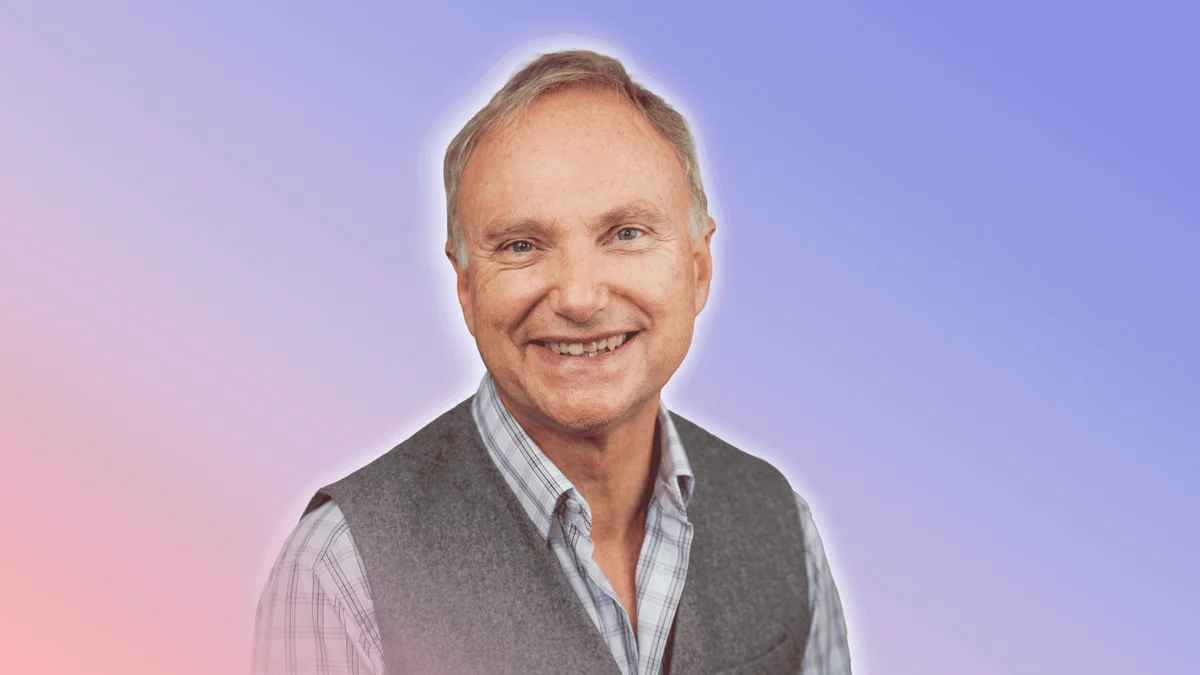
The case of Kim Linke, whose final months were defined by the crushing reality of Myalgic Encephalomyelitis/Chronic Fatigue Syndrome (ME/CFS), has ignited a somber, urgent debate across Europe. As medical science struggles to provide a cure or effective treatment for this debilitating neuro-immune condition, a growing number of patients are reaching a point of absolute desperation. For some, the suffering has become so profound—and the prospects for improvement so statistically negligible—that they have begun to seek paths toward assisted dying.
This article explores the medical, ethical, and societal dimensions of the "hidden" pandemic of ME/CFS, the legal complexities of end-of-life care, and the heart-wrenching reality faced by families when a diagnosis essentially translates to a slow, life-long confinement in the dark.
The Medical Reality: What is ME/CFS?
Myalgic Encephalomyelitis/Chronic Fatigue Syndrome is not merely "chronic tiredness." It is a complex, multi-system disease that often follows a viral infection. Patients suffer from post-exertional malaise (PEM)—a dramatic worsening of symptoms after even the slightest physical or mental exertion.
For the most severe cases, such as the one documented in the final months of Kim Linke’s life, the world shrinks to the size of a bedroom. Light sensitivity, noise intolerance, and the inability to sit upright for more than a few minutes turn basic existence into a grueling endurance test. Unlike other chronic conditions, ME/CFS currently lacks a gold-standard diagnostic biomarker or an FDA-approved cure, leaving patients trapped in a medical vacuum.
Chronology of a Disappearing Life
To understand the trajectory of a patient like Kim Linke, one must look at the progression from initial symptoms to total functional collapse.
- The Onset: The narrative typically begins with a viral trigger—often Epstein-Barr or, more recently, SARS-CoV-2. The patient anticipates a standard recovery period, but the "flu" never truly leaves.
- The Diagnostic Odyssey: Months, often years, are spent navigating dismissive medical appointments. Patients are frequently told their symptoms are psychosomatic, leading to delayed diagnosis and ineffective, sometimes harmful, rehabilitative therapies.
- The Threshold of Severity: As the condition progresses, the patient reaches the "severe" stage. This is characterized by bed-bound existence. Communication becomes limited to short texts or whispers; food must be eaten in darkness; the body becomes a source of agony rather than a vessel for life.
- The Final Decision: For those who choose to explore assisted dying, the timeline is not a sudden snap of resolve but a long, agonizing deliberation. It is the realization that the body is failing, the medical system has abandoned them, and the "quality of life" has reached a negative value.
Supporting Data: The Scale of the Hidden Pandemic
While exact figures are difficult to pin down due to inconsistent diagnostic criteria, the World Health Organization classifies ME/CFS as a neurological disease.
- Global Prevalence: Estimates suggest that between 17 and 24 million people worldwide suffer from ME/CFS.
- The Severity Gap: Approximately 25% of patients are housebound or bedridden. This subset represents the group most likely to consider end-of-life options.
- Economic Impact: The cost to global economies in lost productivity is in the billions, yet research funding per patient remains a fraction of that allocated to diseases with similar morbidity levels, such as Multiple Sclerosis.
- The Suicide Risk: Studies published in the Journal of Neurology, Neurosurgery, and Psychiatry indicate that patients with ME/CFS have a significantly higher rate of suicidal ideation compared to the general population, primarily driven by the lack of medical support and the relentless nature of their symptoms.
Official Responses and Ethical Stances
The medical and legal communities remain deeply divided on the role of assisted dying for non-terminal, chronic conditions.
The Medical Perspective
Most major medical associations emphasize that the focus must remain on "palliative care" and "symptom management." However, advocates for patients argue that if medicine cannot offer relief from pain and suffering, it has a moral duty to respect the autonomy of the patient to refuse further existence.
The Legal Framework
In Germany and across the EU, the legal landscape is shifting. Following the Federal Constitutional Court’s 2020 ruling, assisted suicide is recognized as a constitutional right, provided it is based on the patient’s free will. The challenge arises in defining "intolerable suffering" in the context of a condition like ME/CFS, which is not "terminal" in the conventional, immediate sense, but is permanent and devastating.
Implications: The Moral Burden of Society
The case of Kim Linke is not an outlier; it is a warning. When a society fails to provide adequate research, social support, and medical validation for a specific disease group, it creates a "forced exit" scenario.
The Failure of Research
The primary implication is the catastrophic failure of medical research to prioritize ME/CFS. Had there been effective treatments developed over the last three decades, many patients currently contemplating the end of their lives would likely be living productive, meaningful ones.
The Social Isolation
Patients with severe ME/CFS are effectively "ghosts" in the system. Because they cannot leave their homes, they lose their careers, their social networks, and their visibility. This isolation is a major factor in the decision to seek assisted dying. When a person is deprived of the ability to participate in society, the societal contract is broken.
The Right to Dignity
We must address whether society has a responsibility to keep people alive at any cost, or whether it has a higher responsibility to grant them dignity in their final decisions. If we are unable to heal the body, should we at least honor the mind’s request to stop the suffering?
Conclusion: A Call for Compassion and Action
Kim Linke’s journey serves as a somber mirror for our medical institutions. Her story is a demand for change—not just in how we handle end-of-life care, but in how we prioritize medical research for invisible, stigmatized illnesses.
To prevent future cases of patients feeling that death is their only escape, we must:
- Increase Research Funding: Treat ME/CFS with the urgency of a public health crisis.
- Medical Training: Mandate that physicians be educated on the diagnostic criteria of ME/CFS to prevent medical gaslighting.
- Support Systems: Expand social services for the bedridden, ensuring they do not feel abandoned by the society they were once a part of.
Ultimately, the goal is to create a world where no patient feels that their only path to relief from a neuro-immune disease is to end their own life. Until that world is realized, the conversation around assisted dying for the chronically ill will remain a heavy, necessary, and painful component of our medical ethics discourse. The lives of millions, currently existing in the dark, depend on whether we choose to look closer.