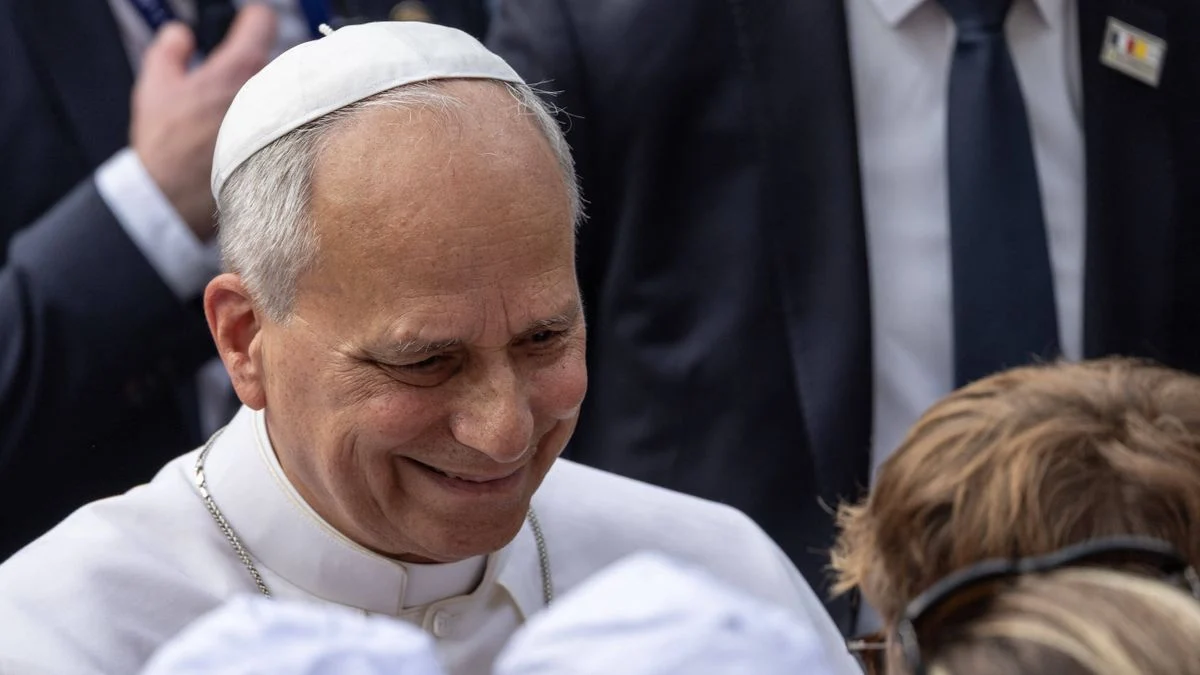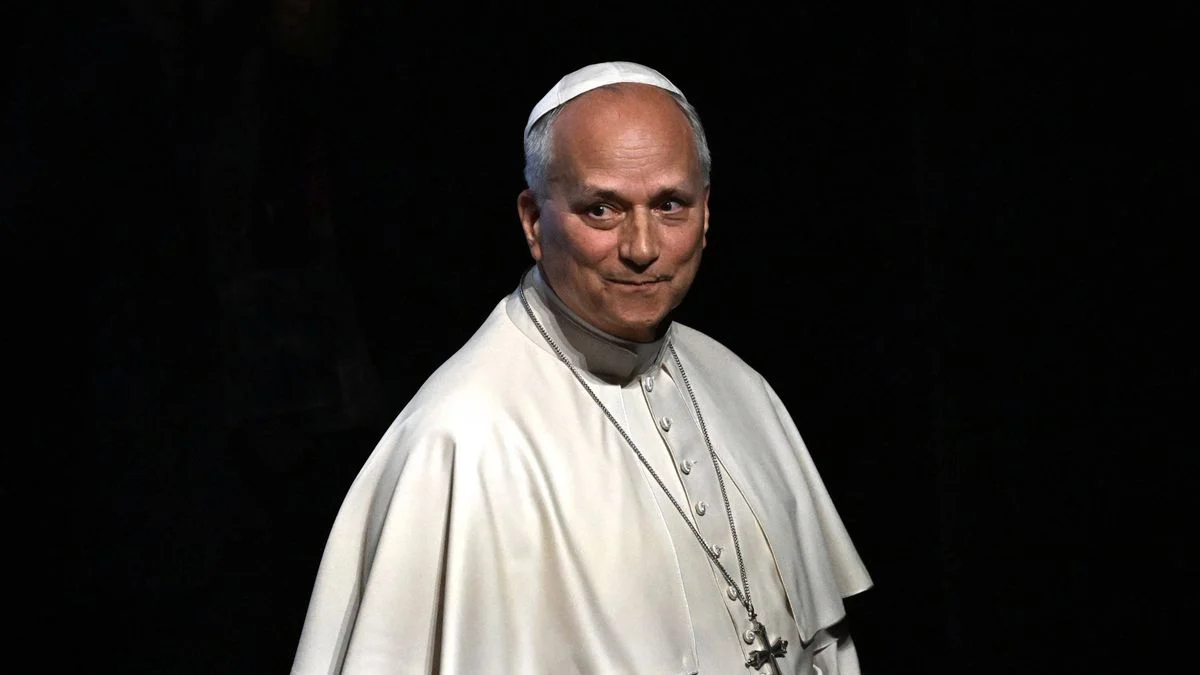
The recent medical reports surrounding Pope Leo XIV have sent shockwaves through the global Catholic community and international political spheres. For the first time in modern history, the Vatican has confirmed a diagnosis of malignancy, followed by a major surgical procedure to address the condition. As the world watches, medical experts and canon lawyers alike are parsing the implications of this event, not only for the health of the Pontiff but for the institutional stability of the Holy See.
Main Facts: A Diagnosis and a Procedure
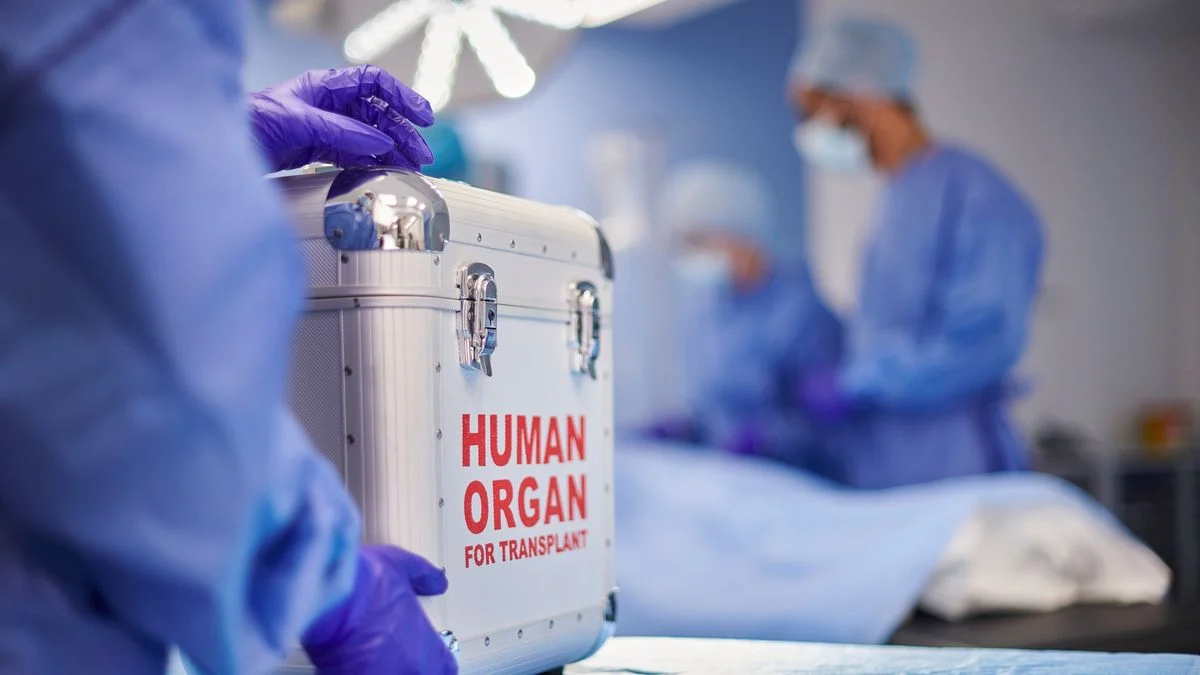
On Tuesday, the Vatican Press Office issued a brief but significant bulletin confirming that Pope Leo XIV had undergone a successful surgical intervention to remove a localized cancerous growth. The procedure, which took place at the Gemelli Hospital in Rome, was described by the Holy See as “elective yet urgent,” a phrasing designed to balance the gravity of the diagnosis with the controlled nature of the medical response.
According to official sources, the Pope’s physicians discovered the malignancy during a routine health check-up earlier this month. The intervention was intended to excise the tumor completely, with preliminary pathology reports suggesting that the surgical margins were clear. While the Vatican has been historically reticent regarding the specific medical history of its leaders, the decision to disclose the nature of the condition indicates a shift toward a more transparent communication strategy in the digital age.
The Pontiff remains in recovery, and while he has resumed limited administrative duties, the physical toll of such a procedure at his age cannot be understated. The global reaction has been one of solidarity, with religious leaders of all faiths offering prayers for his recovery, reflecting the Pope’s unique position as a moral figurehead on the world stage.
Chronology of Events: From Diagnosis to Post-Operative Recovery
The timeline leading up to the surgery suggests a carefully managed medical process:
- Early October: During a series of routine tests, clinicians identified an anomaly that required further investigation.
- Mid-October: Advanced imaging and biopsies confirmed a malignant growth. The Pope was briefed on his options, opting for surgery over more invasive systemic treatments.
- Late October: The Vatican formally announced the Pope’s admission to the Gemelli Hospital. The announcement was timed to minimize market speculation and public panic.
- Day of Surgery: The operation lasted several hours. A team of specialist surgeons, oncologists, and anesthesiologists oversaw the procedure.
- Post-Operative Phase: The Pope was moved to the intensive care wing for standard observation. Reports indicate he is stable, conscious, and has begun light physical therapy.
This timeline demonstrates the Vatican’s ability to navigate high-stakes medical emergencies while maintaining the operational continuity of the Church.
Supporting Data: Medical Context and Surgical Efficacy
To understand the severity of the situation, it is necessary to examine the data regarding geriatric oncology. Surgical interventions for patients in the Pope’s age bracket carry inherent risks, including post-operative complications and cognitive fatigue. However, modern medical advancements have significantly improved outcomes for localized cancers.
Data from the Gemelli Hospital—which has served as the unofficial "third Vatican" for decades—suggests that the facility is among the most advanced in Europe for geriatric surgery. The success of the procedure, characterized by the medical team as "clinically favorable," is bolstered by the fact that the tumor was detected at a relatively early stage.
Statistical models for similar cases indicate a high probability of recovery, provided that the patient adheres to a strict post-operative regimen. The primary challenge, however, is not just biological but temporal; the Papacy is a role of constant travel, public appearances, and diplomatic pressure. The transition from an active, traveling Pontiff to one in recovery will require a restructuring of the Vatican’s calendar for the coming months.
Official Responses and Diplomatic Impact
The Holy See has been adamant in its messaging: the Church remains "fully operational." Cardinal Pietro Parolin, the Vatican Secretary of State, addressed the diplomatic corps, emphasizing that the Pope’s recovery is a personal matter that does not necessitate an immediate change in the Church’s governance.
"The work of the Holy See continues with the same vigor," Parolin stated in a press briefing. "The Holy Father’s spirit is strong, and his commitment to the mission of the Church remains undiminished."
Despite these assurances, global leaders have reached out with concern. From the White House to the European Commission, heads of state have expressed their support. This underscores the Pope’s role as a geopolitical actor. When the Pope is sidelined, the ripple effects are felt in ongoing humanitarian missions, peace negotiations in conflict zones, and the general moral direction of the Church’s stance on global issues like climate change and migration.
Implications for the Future of the Papacy
The surgery of Pope Leo XIV has inevitably reopened the conversation regarding the limits of the Papacy in the 21st century.
The Question of Succession and Resignation
While the current focus is on recovery, the event has sparked inevitable speculation about the possibility of a "resignation precedent." Following the landmark resignation of Pope Benedict XVI, the idea that a Pope might step down due to failing health is no longer a taboo. However, the Vatican has signaled that no such discussions are currently on the table, reinforcing the view that the Pope intends to fulfill his mandate for as long as his health allows.
Administrative Centralization
The period of recovery forces the Curia to operate with a higher degree of autonomy. This could lead to a decentralization of power, as various departments (dicasteries) take on greater decision-making responsibilities. Scholars of Canon Law suggest this could be a pivotal moment for institutional reform, testing the systems put in place to ensure that the Church remains functional even when the Pontiff is physically incapacitated.
The Impact of Public Perception
The decision to be transparent about the cancer diagnosis is a bold move that mirrors the modern demand for accountability. By framing the surgery as a "good sign"—implying that the action taken was decisive and proactive—the Vatican is attempting to frame the narrative around strength and resilience rather than frailty.
Conclusion: A New Chapter for the Holy See
As Pope Leo XIV continues his recovery, the world observes a rare moment of human vulnerability at the heart of one of history’s most enduring institutions. The diagnosis of cancer is a stark reminder of the mortality that faces all leaders, regardless of their station.
The path forward will be defined by the intersection of medical necessity and institutional resilience. If the recovery proceeds as expected, the Pope will likely return to a modified schedule, perhaps prioritizing digital outreach and delegating more of the grueling travel requirements that have become standard for the office.
Ultimately, the medical crisis of Pope Leo XIV is more than a health update; it is a catalyst for reflection on the nature of the Papacy itself. It challenges the faithful and the public to consider how the Church sustains its mission in an era where the leader is no longer a distant, immutable figure, but a man navigating the same physical limitations as those he serves. As the bulletins continue to be issued from Rome, the global community remains in a state of watchful support, recognizing that the health of the Pontiff is intrinsically linked to the health of the global moral dialogue.
Whether this period leads to a return to full vitality or serves as a quiet preface to a transition of power, the current events will undoubtedly be recorded as a definitive chapter in the history of the current pontificate. For now, the focus remains on the quiet halls of the Gemelli, where the recovery of a single man carries the weight of a billion followers.