Every autumn, the Theresienwiese in Munich transforms into a sprawling, high-density biosphere. The Oktoberfest, or "Wiesn," is a marvel of cultural heritage, welcoming over six million visitors annually. Yet, beneath the clinking of heavy glass steins and the jubilant strains of brass bands lies a biological reality that public health officials have monitored with increasing scrutiny: the high-intensity transmission of respiratory pathogens in a confined, high-contact environment.
While the event is a celebration of Bavarian tradition, it is also, in the eyes of epidemiologists, a "super-spreader" event waiting to happen. As the season peaks, the intersection of alcohol-lowered inhibitions, intimate physical proximity, and shared surfaces creates a unique petri dish. This report examines the intersection of traditional festivities and modern public health challenges.
The Main Facts: The "Wiesn-Grippe" Phenomenon
The term "Wiesn-Grippe" (Oktoberfest Flu) has become a common colloquialism among Munich residents. It refers to the post-festival malaise—a cocktail of symptoms ranging from common colds and sore throats to full-blown influenza or gastrointestinal distress—that many attendees report shortly after the final keg is tapped.
The primary vectors for infection at the Oktoberfest are well-documented:
- Aerosol Transmission: Inside the massive beer tents, thousands of people sing, shout, and laugh in close quarters. High-decibel singing increases the projection of respiratory droplets, which can carry viruses such as Influenza A/B, SARS-CoV-2, and Respiratory Syncytial Virus (RSV).
- Surface Contamination (Fomites): Despite the robust cleaning protocols of the festival organizers, the sheer volume of traffic means that surfaces—tabletops, benches, and, most critically, the beer steins—are constantly exposed to human touch.
- Physical Proximity: The tradition of "Schunkeln" (swaying arm-in-arm) creates a level of physical intimacy that essentially eliminates the social distancing measures that became standard practice during the pandemic era.
Chronology of a Festival Health Cycle
The epidemiological lifecycle of the Oktoberfest typically follows a distinct pattern that mirrors the sixteen-day duration of the event.
- Days 1–3 (The Incubation Phase): Early arrivals bring a diverse array of viral strains from across the globe. As visitors mingle, the viral load in the tents begins to climb.
- Days 4–10 (The Amplification Phase): The cumulative effect of high-density interaction begins to take hold. By the end of the first week, local pharmacies report a spike in sales for throat lozenges, painkillers, and digestive aids.
- Days 11–16 (The Peak Transmission): The latter half of the festival sees a fatigue-driven decline in immune system resilience. Sleep deprivation, combined with alcohol consumption and the physical exertion of navigating the festival grounds, leaves attendees increasingly susceptible to infection.
- The "Post-Wiesn" Surge: Typically, three to seven days after the festival concludes, Munich’s clinics and general practitioners see a measurable uptick in patients complaining of "Wiesn-Grippe." This latency period corresponds with the standard incubation period for common respiratory viruses.
Supporting Data: The Science of the Stein
Hygiene at the Oktoberfest is a logistical feat of gargantuan proportions. The Munich public health department (Referat für Gesundheit und Umwelt) enforces stringent regulations, yet the sheer scale poses constant challenges.
The Beer Stein Protocol
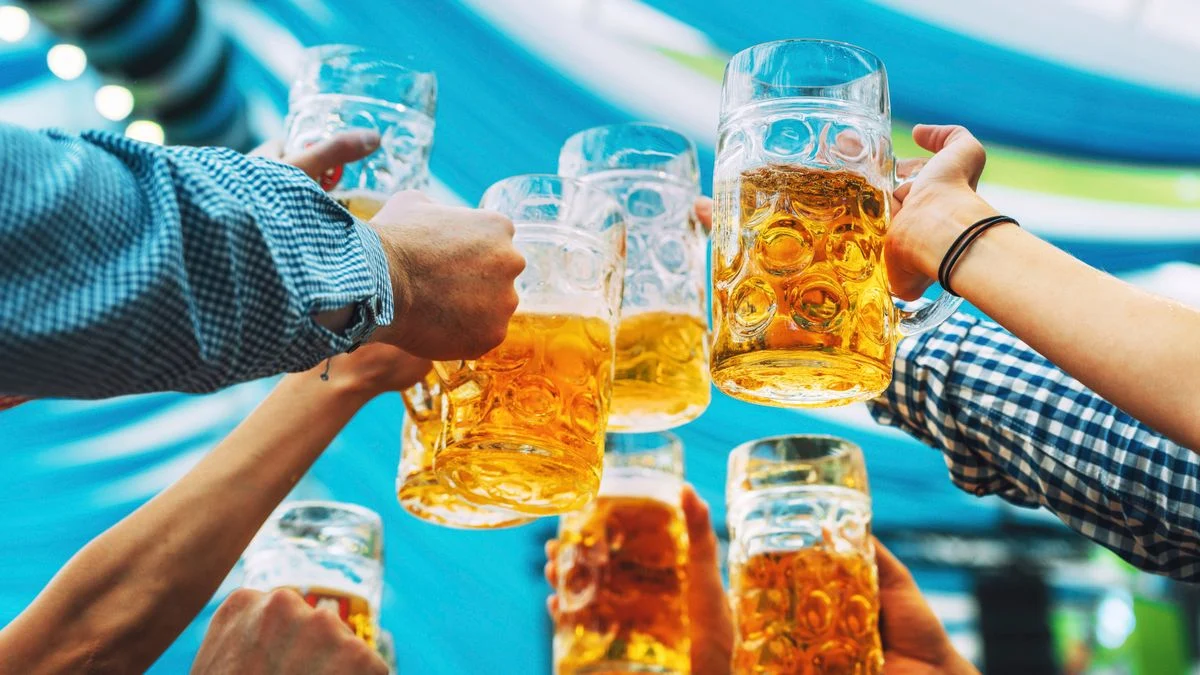
Contrary to popular belief, the traditional glass "Maßkrug" is remarkably sanitary. The industrial dishwashers employed by the tent operators use high-temperature water and caustic detergents that effectively neutralize most common pathogens. The risk, therefore, is rarely the glass itself, but rather the cross-contamination that occurs once the glass is handled by the drinker.
Environmental Monitoring
Studies conducted by local hygiene institutes have periodically sampled the air quality and surface bacteria levels within the larger tents. While the air turnover in the modern, high-ceilinged tents is surprisingly efficient—aided by advanced ventilation systems—the density of human bodies remains the primary variable. Data suggests that the viral load in a tent at 8:00 PM is significantly higher than at 11:00 AM, necessitating more aggressive ventilation strategies as the evening progresses.
Official Responses and Hygiene Mandates
The City of Munich, in conjunction with the festival organizers, maintains a "Hygiene Concept" that is updated annually. These mandates include:
- Mandatory Hand Sanitization Stations: Located at the entrance of all major tents and near restroom facilities.
- Strict Food Safety: Every food stall is subject to unannounced inspections by the Lebensmittelüberwachungsamt (Food Safety Authority). These inspections focus on refrigeration temperatures, cross-contamination prevention, and the health status of food handlers.
- Potable Water Safety: The festival is supplied via a dedicated high-capacity water line, with constant monitoring for bacterial contaminants, ensuring that the water used for brewing and cleaning remains within the strict parameters of the German Drinking Water Ordinance (Trinkwasserverordnung).
The Munich Health Department emphasizes that while the festival is not a "sterile environment," it is one of the most strictly regulated mass-gathering events in the world. Officials note that most "Wiesn-Grippe" cases are the result of personal lifestyle choices—lack of sleep and excessive alcohol—rather than systemic hygiene failures within the infrastructure.
Implications: The Future of Mass Gathering Health
The lessons learned from the Oktoberfest are being applied to large-scale events worldwide. The primary implication is that public health at a mass gathering is a shared responsibility.
The Shift Toward Personal Responsibility
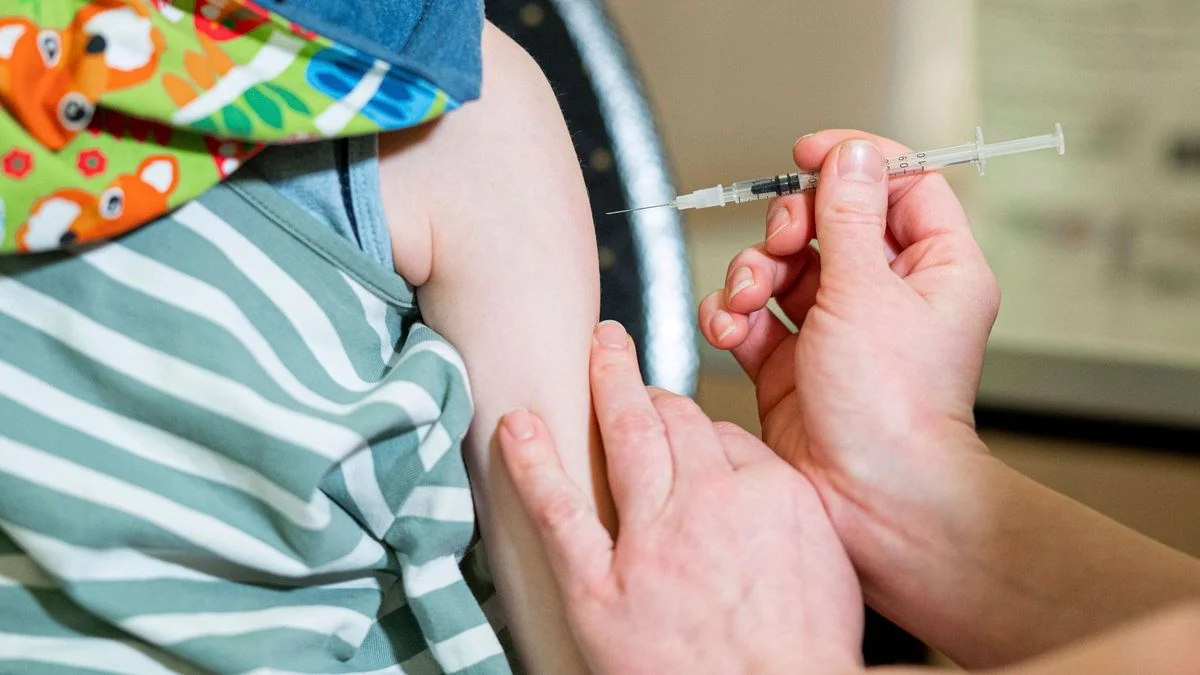
The modern approach to festival health is moving away from the idea that the organizers can eliminate all risk. Instead, there is a focus on "risk mitigation through public awareness." This includes encouraging vaccination (particularly for influenza) in the weeks leading up to the festival and promoting better hygiene habits among the attendees themselves.
Technological Integration
Future iterations of the Wiesn may incorporate real-time air quality monitoring sensors that alert organizers when humidity or CO2 levels reach a threshold that may facilitate viral transmission. Furthermore, the use of contact-less payment systems has already begun to reduce the handling of cash, which has historically been a significant vector for bacteria transmission.
A Balancing Act
The Oktoberfest remains a cornerstone of Bavarian culture. The tension between the event’s inherent nature—which thrives on close, communal, and tactile human connection—and the realities of modern epidemiology will continue to be a subject of debate. However, the data suggests that with modern infrastructure and a proactive approach to hygiene, the tradition can continue safely.
Ultimately, the "Wiesn-Grippe" serves as a reminder of the fragility of health in the modern age. It is a cautionary tale of how quickly a community can become a biological network, yet also a testament to the resilience of those who, despite the risks, return year after year to participate in one of humanity’s most enduring communal rituals. As we look toward future festivals, the goal remains clear: to preserve the spirit of the Wiesn while ensuring that the only thing attendees take home is a fond memory, rather than a pathogen.