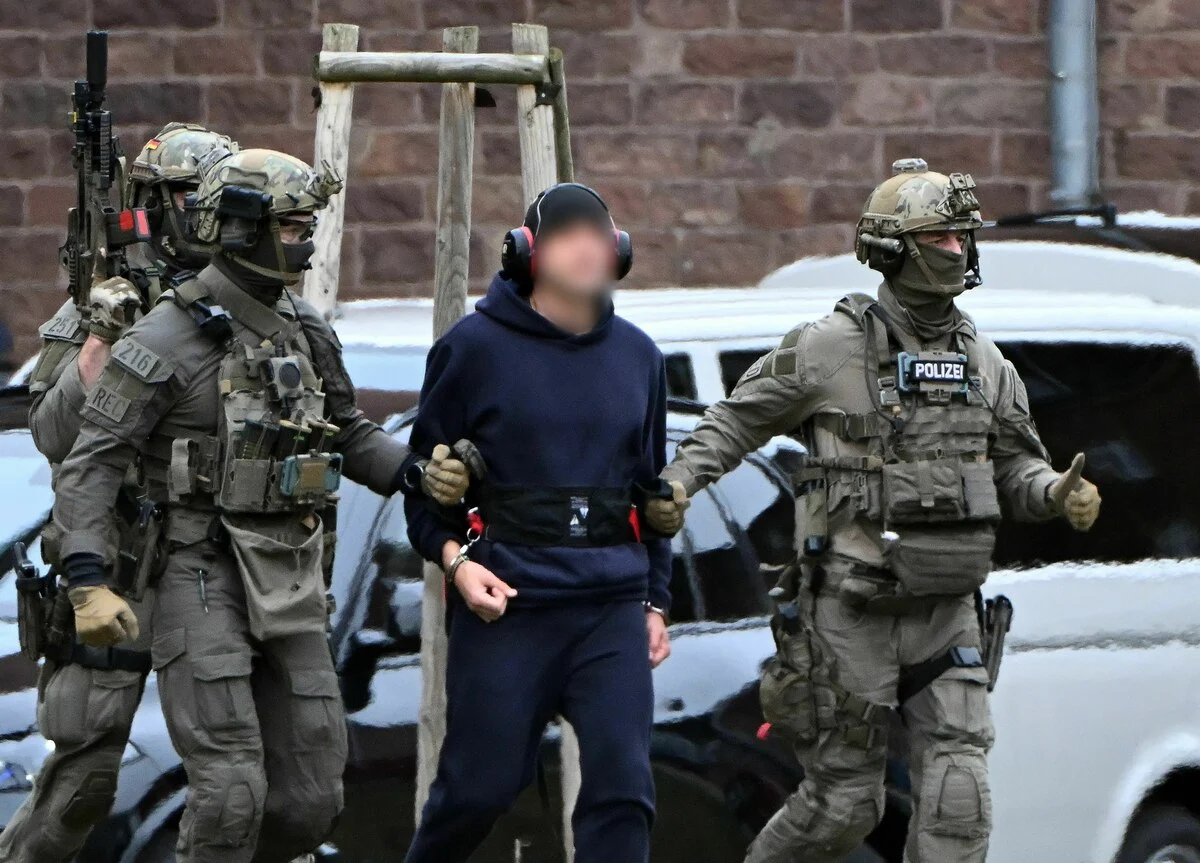
The investigation into the sabotage of the Nord Stream pipelines has reached a critical juncture, moving from the realm of speculation and international finger-pointing into the cold, methodical halls of the German judiciary. As authorities in Berlin move forward with legal proceedings against individuals allegedly involved in the bombing of the Baltic Sea infrastructure, the incident remains one of the most significant acts of industrial sabotage in the 21st century.
What began as a massive energy project intended to cement a permanent bond between the Russian Federation and the European economic powerhouse of Germany has ended in a fragmented mess of twisted steel on the seabed and a profound reordering of European energy security.
The Infrastructure of Dependence
To understand the gravity of the September 2022 explosions, one must first understand the scale of the infrastructure involved. The Nord Stream project comprised two primary pipelines—Nord Stream 1 and Nord Stream 2—designed to transport vast quantities of Siberian natural gas directly to the German coast, bypassing traditional transit countries like Poland and, most crucially, Ukraine.
Nord Stream 1, which began operations in 2011, connected the Russian port of Vyborg to Lubmin near Greifswald. It was the backbone of Germany’s industrial energy strategy for over a decade. Before the Russian invasion of Ukraine, Nord Stream 1 supplied nearly 60 billion cubic meters of natural gas annually, accounting for roughly half of Germany’s total gas imports. The consortium behind it, while led by the Russian state-owned giant Gazprom, included significant European partners like Wintershall DEA, E.ON, Gasunie, and Engie.
Nord Stream 2, a twin project designed to mirror the capacity of its predecessor, was completed in 2021. It represented a massive geopolitical gamble by successive German governments, particularly under the Chancellorship of Angela Merkel, who viewed the pipeline as a "private economic project" despite warnings from the United States and Eastern European nations that it would leave the continent vulnerable to Russian energy blackmail. By the time it was finished, it was 100% owned by Gazprom, cementing Russia’s direct influence over the European energy market.
A Chronology of Conflict
The history of the Nord Stream pipelines is marked by intense diplomatic friction and strategic maneuvering.

- 2014: The annexation of Crimea by Russia signaled the beginning of a cooling period in EU-Russia relations. The arguments against Nord Stream 2 shifted from mere economic competition to existential security concerns.
- 2019: The United States, under the Trump administration, introduced heavy sanctions against companies involved in the construction of the pipeline, recognizing that the project served as a tool for Russian foreign policy.
- 2021: Despite ongoing international pressure, the pipeline construction was completed. Germany’s political establishment, led by the SPD-Green-FDP coalition, continued to defend the project as a necessary bridge for the energy transition.
- February 2022: Only days before the full-scale invasion of Ukraine, Chancellor Olaf Scholz finally announced that the German government would suspend the certification of Nord Stream 2. The pipeline never entered service.
- September 2022: Explosions damaged both Nord Stream 1 and 2, causing massive methane leaks in the Baltic Sea. The act effectively neutralized the potential for a "gas restart" that some political factions in Germany had still been hoping for.
The Geopolitical Fallout: Ukraine’s Transit Concerns
For the Ukrainian government, the Nord Stream projects were always viewed as a direct threat. By creating a direct link between Russia and Germany, the Kremlin effectively bypassed Ukraine, stripping Kyiv of its status as the indispensable transit hub for Russian gas. This was not merely a loss of billions of dollars in transit fees; it was a loss of a critical geostrategic shield. As long as gas flowed through Ukraine, the country remained an essential link in Europe’s energy supply chain, theoretically raising the cost for Russia to engage in open warfare.
The "Stiftung Klima- und Umweltschutz" (Climate and Environmental Protection Foundation) in Mecklenburg-Vorpommern remains one of the most controversial elements of this saga. Established to bypass US sanctions, the foundation was, in practice, a vehicle for Gazprom to ensure the completion of Nord Stream 2. This move, supported by regional political leadership, became a symbol of the "energy-first" naivety that characterized German-Russian relations for decades.
Current Legal Proceedings
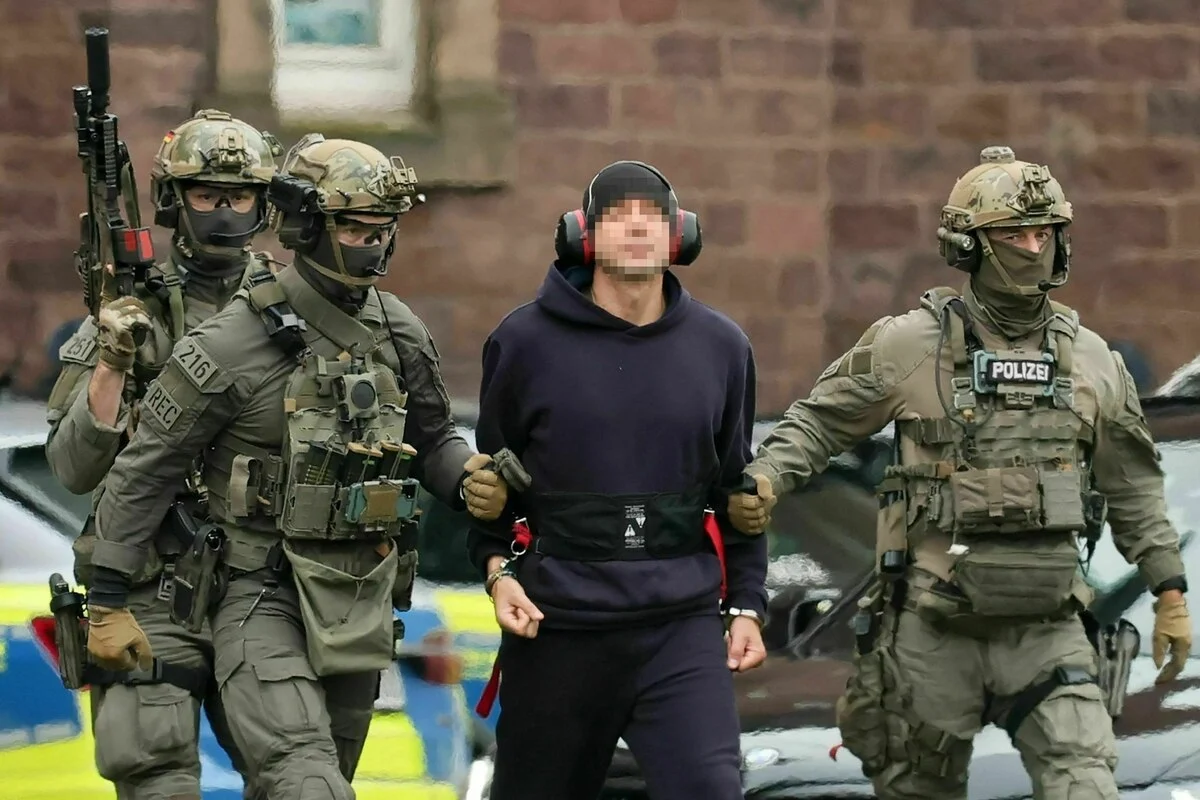
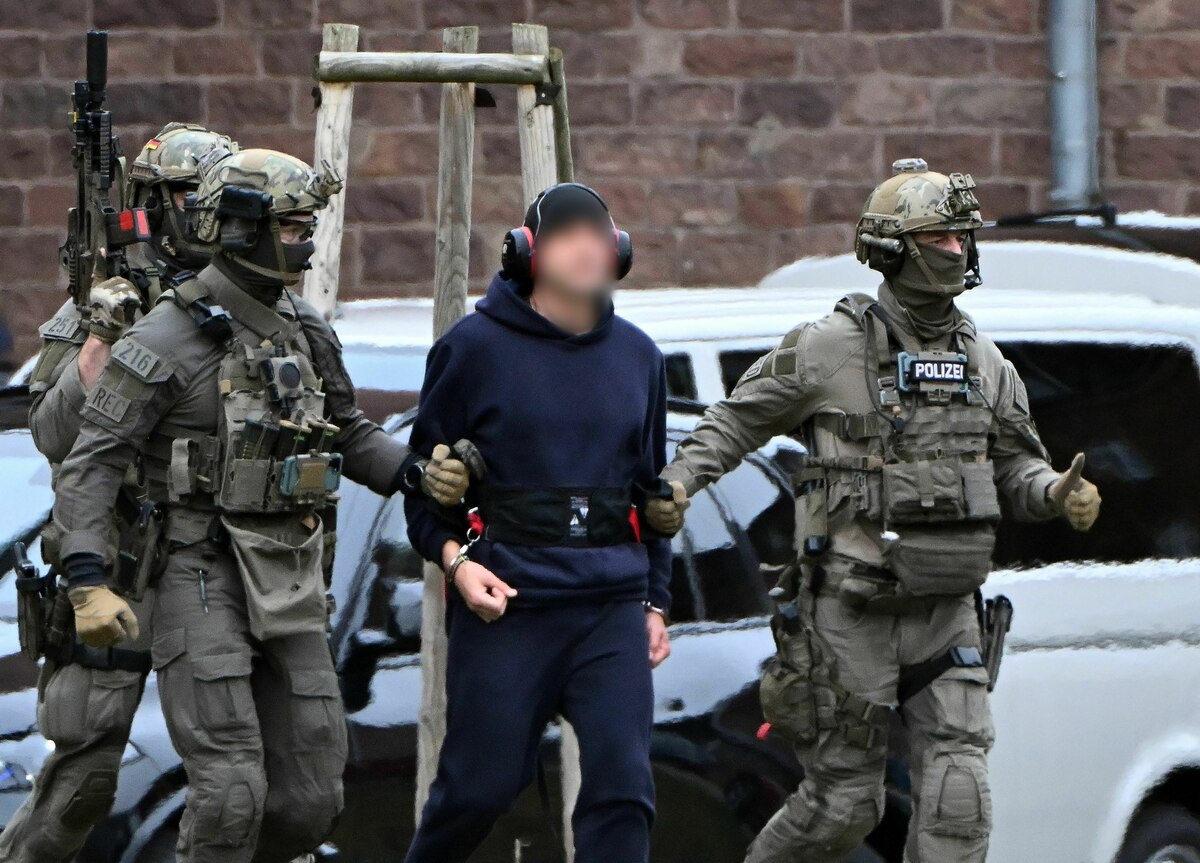
The recent arrest of a suspect, identified in reports as Serhii K., marks a turning point. German authorities have been meticulously reconstructing the events surrounding the sabotage. Investigators suspect that a specialized team, potentially using a rented yacht as a base of operations, executed the mission.

The trial, which is currently unfolding in Hamburg, is not merely a criminal case; it is a high-stakes diplomatic tightrope walk. German law enforcement is tasked with proving the identity of the perpetrators while navigating a complex web of intelligence agency reports, denials from both Moscow and Kyiv, and the immense pressure to ensure justice is served without further destabilizing an already fragile European security architecture.
Economic Implications: A Costly Silence
It remains a matter of intense debate whether the destruction of the pipelines caused significant economic damage to Germany. By the time of the explosion, Russia had already throttled supply through Nord Stream 1, citing "maintenance issues" related to EU sanctions. Gazprom had effectively turned the tap off long before the bombs went off, using the pipeline as a lever to force the certification of the idle Nord Stream 2.
Economically, the shock forced Germany into a rapid, painful, and expensive pivot toward Liquefied Natural Gas (LNG) from the United States, Qatar, and other suppliers. While the energy crisis of 2022–2023 caused significant inflationary pressure on German manufacturing, the nation successfully avoided a total industrial collapse, albeit at a much higher price point for energy than the cheap Russian gas that had fueled the country’s growth for forty years.

Official Responses and International Skepticism
The official narrative remains fraught with complexity. While the German investigation points toward a Ukrainian-led operation, the Ukrainian government has officially denied any involvement in the sabotage. Meanwhile, Russia has frequently used the incident to allege Western "false flag" operations, though international analysts largely point to the tactical advantage such an act would have provided to the Kremlin in terms of sowing discord within NATO.
The German government, for its part, has remained cautious. Chancellor Scholz has insisted on a thorough, evidence-based investigation, aware that any definitive conclusion implicating a specific state actor could force a radical reassessment of German support for the war effort in Ukraine.
Conclusion: The End of an Era
The Nord Stream saga serves as a cautionary tale of the dangers of subordinating security to economic expediency. The pipelines, which were meant to be the conduits of peace and prosperity, ultimately became symbols of the fragility of globalization when faced with the realities of hard power and territorial aggression.

As the legal proceedings in Germany continue, the focus is shifting from the technical details of the explosion to the broader question of accountability. Regardless of the court’s final verdict, the physical destruction of the pipelines has already accomplished one thing: it has permanently ended the "Ostpolitik" model of dependence on Russian energy. Europe now faces a future where energy security is no longer taken for granted, and the pipelines, once seen as the arteries of European industry, now lie cold and silent on the floor of the Baltic Sea—a permanent monument to the end of a naive, energy-driven diplomatic era.