As the Hamburg Higher Regional Court opens proceedings against Serhii K., the trial promises to be more than a criminal case. It is a collision between the realities of the Russo-Ukrainian War, the integrity of critical European infrastructure, and the delicate diplomatic bonds of a continent at war.
The Opening of a Historic Trial
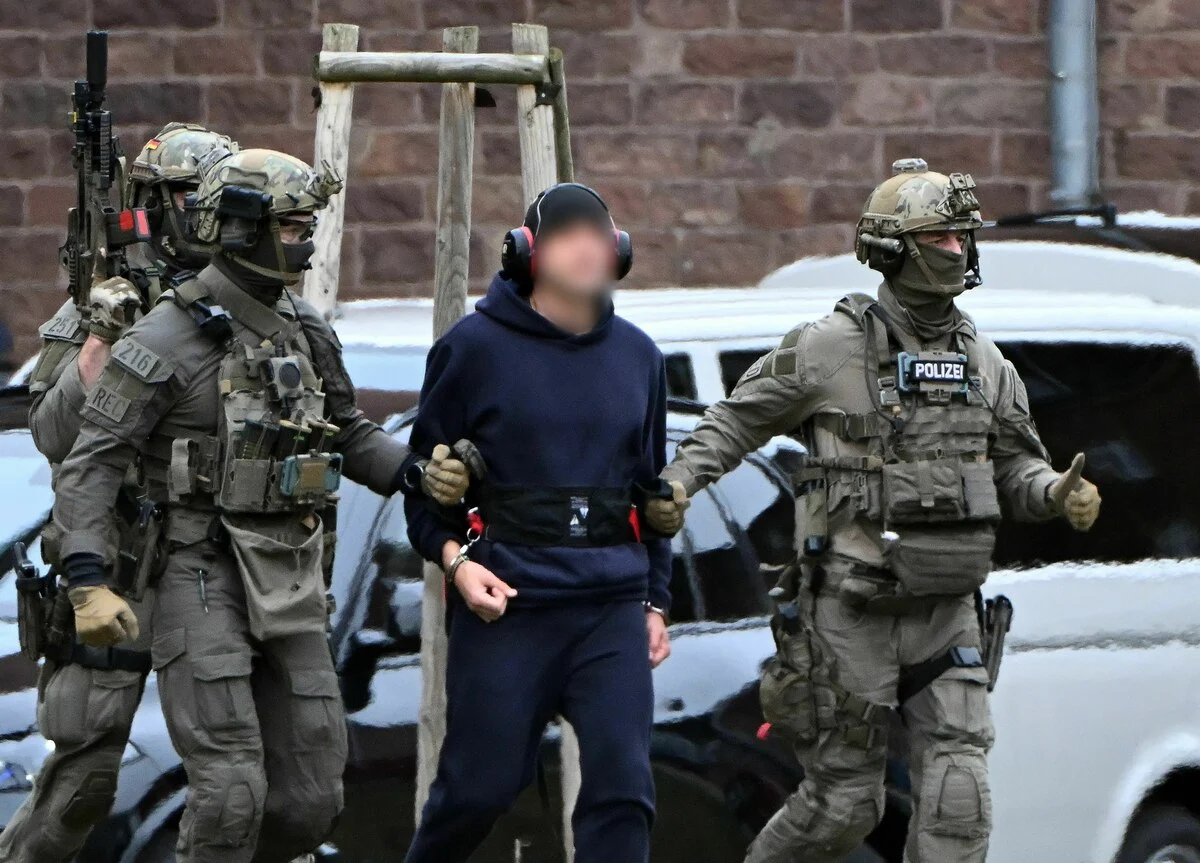
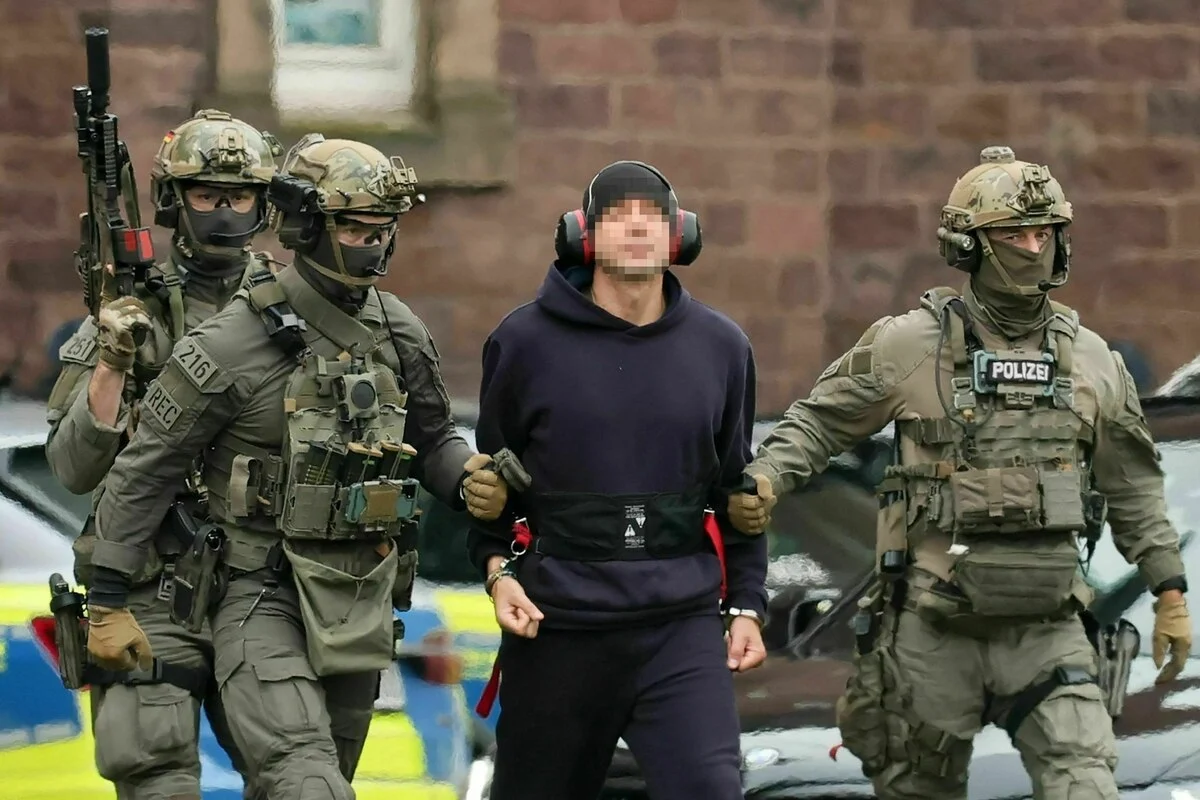
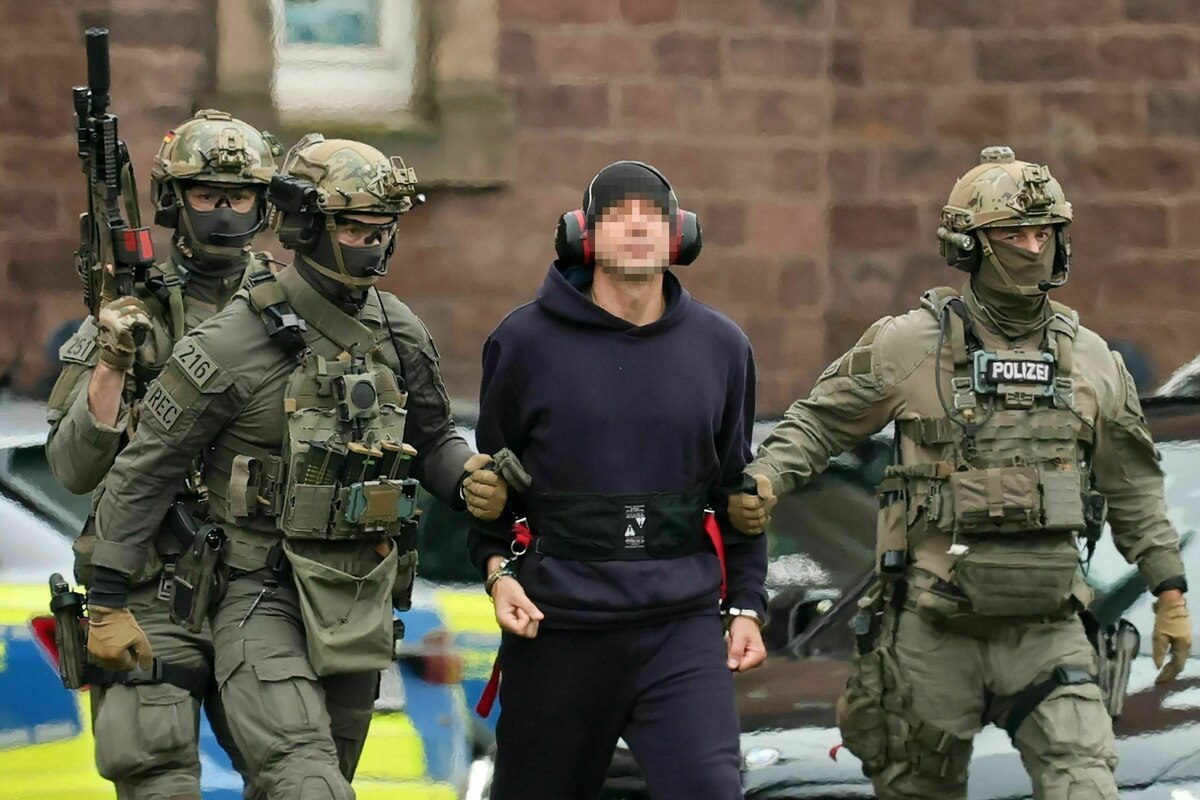
On a quiet Wednesday in Hamburg, the Hanseatic Higher Regional Court begins a trial that will likely be remembered as the most significant judicial investigation into an act of sabotage in modern European history. At the center of the proceedings is Serhii K., a 50-year-old Ukrainian national who has spent the last year in pre-trial detention.
The charges are as grave as they are complex: the defendant stands accused of spearheading a commando operation to destroy the Nord Stream 2 gas pipelines in September 2022. While the court must strictly focus on the individual criminal liability of Serhii K., the trial inevitably raises explosive questions that reach far beyond the courtroom. Was this a state-sanctioned military operation? Did the chain of command extend to the highest levels of the Ukrainian government? And, perhaps most provocatively, does the destruction of a pipeline intended to fund the Russian war machine constitute a war crime or a justifiable act of survival?
What Happened: The Night the Baltic Sea Burned
The timeline of the destruction remains one of the most scrutinized sequences of events since the start of the full-scale invasion of Ukraine. On September 26, 2022, seismic monitors recorded massive underwater explosions northeast and southeast of the Danish island of Bornholm. The force of the blasts was so severe that three of the four steel-reinforced concrete pipes comprising the Nord Stream 1 and 2 networks were rendered entirely useless.
The economic and environmental impact was immediate. Millions of cubic meters of natural gas escaped into the Baltic Sea, and the strategic energy artery that had defined European energy policy for a decade was severed. For months, speculation ran rampant—pointing fingers at Russian "false flag" operations, American intervention, or British intelligence. However, the investigation by the German Federal Prosecutor’s Office eventually converged on a singular, startling reality: a small, specialized team of Ukrainian nationals, allegedly operating from a rented sailing yacht.
The Charges: The "Andromeda" Operation
The Federal Prosecutor’s Office alleges that Serhii K., an officer in the Ukrainian military, orchestrated a seven-person cell consisting of professional divers, a skipper, and a explosives expert. The narrative constructed by investigators is almost cinematic in its precision.
According to the indictment, the group operated under the directive of "state-level entities" with the explicit goal of crippling Russia’s ability to finance its war efforts through gas exports. The logistics of the operation were clandestine:
- The Entry: K. allegedly entered Germany using a forged Ukrainian passport, traveling through Poland.
- The Vessel: The team chartered the Andromeda, a 15-meter sailing yacht, from a port in Rostock-Warnemünde.
- The Loading: In the small harbor of Wiek on the island of Rügen, the team purportedly loaded significant quantities of military-grade high explosives onto the vessel.
- The Execution: Over several days, the divers navigated to depths of 70 meters, placing six time-delayed explosive devices on the pipelines.
By the time the charges detonated on September 26, the Andromeda crew had long since departed, leaving behind a trail that would take years to unravel.

The Evidence: From Speeding Tickets to Digital Footprints
The prosecution’s case against Serhii K. rests on a combination of physical evidence and modern digital surveillance. The identification of K. was, in part, facilitated by his own mistakes. His face was captured by traffic cameras after a speeding violation, and his passport photo—used during his entry into Poland—matched the image of the man identified by witnesses at the Rügen harbor.
Perhaps most damning is the evidence recovered following his arrest in August 2025. While vacationing with his family in Rimini, Italy, K. was apprehended via a European arrest warrant. Upon the seizure of his mobile phone, investigators reportedly discovered detailed digital maps of the Baltic seabed near Bornholm, alongside technical specifications of the pipeline infrastructure.
Furthermore, German authorities have been monitoring the defendant’s communications. Recordings of K. speaking to his wife from detention appear to reference his military role and his participation in the operation. While the defense maintains that K. was merely following orders, the prosecution argues that the scope and nature of the sabotage, combined with his specific actions, constitute a severe violation of international law.
Jurisdictional Complexity: Why Germany?
The question of why a German court has jurisdiction over an event that occurred in international waters—specifically within the exclusive economic zones of Denmark and Sweden—is a point of legal contention. Both Scandinavian nations concluded their own investigations without filing charges, citing a lack of clear jurisdictional grounds.

The German Federal Prosecutor, however, invoked the principle of "territorial effect." Because the pipelines ended on German soil, the "success" of the sabotage—the functional destruction of the infrastructure—had a direct impact on the German state. The Federal Court of Justice (BGH) affirmed this stance in January, ruling that the attack was inherently "capable of impairing the internal security of the Federal Republic of Germany."
The court has notably rejected civil claims from Gazprom subsidiaries, arguing that the financial damage, while immense, did not threaten the core existence of those entities, especially when weighed against the multi-billion-euro construction costs of the lines.
The Legal Battle: Immunity and Combatant Status
A critical aspect of the defense strategy involves the potential for sovereign immunity or the "combatant’s privilege." Serhii K.’s legal team faces a daunting task: arguing that his actions were protected under the laws of war.
However, the BGH has already indicated that sovereign immunity does not apply to "clandestinely directed acts of violence." Furthermore, the court remains skeptical of the claim that a deliberate attack on civilian infrastructure qualifies for the protections granted to soldiers in traditional battlefield scenarios. The court has left open the question of whether this act constitutes a "war crime" under the International Crimes Code, a classification that could drastically increase the severity of a potential sentence.

The defense has been hampered by a lack of cooperation from the Ukrainian military, which has reportedly refused to grant K. an "authorization to testify." This creates a procedural deadlock: if K. cannot verify he was following orders, he risks being treated as an individual insurgent rather than a state actor.
Geopolitical Implications: A Tightrope for Berlin
The timing of this trial could not be more sensitive. Only weeks ago, Chancellor Olaf Scholz and President Volodymyr Zelenskyy signed a landmark "strategic partnership" agreement, underscoring Germany’s continued role as one of Ukraine’s primary military and financial donors.
The trial places Berlin in an impossible diplomatic position. Publicly, the German government remains committed to supporting Ukraine in its existential fight against Russian aggression. Yet, the judiciary is now putting a Ukrainian officer on trial for a high-stakes military operation that, from the perspective of many in Kyiv, was a legitimate strike against the financial heart of the Russian war machine.
The Ukrainian government continues to deny any official involvement in the attack. If the trial produces incontrovertible evidence that the operation was ordered by high-ranking Ukrainian officials, it could trigger a seismic shift in German public opinion and political support. With skepticism regarding the cost of the war already prevalent in parts of the German electorate, a verdict confirming state-sanctioned sabotage could provide ammunition to political factions calling for a reduction in aid.

The Protest and the Public Sentiment
Outside the Hamburg courthouse, the tension is palpable. The activist group Vilni_De_Ua, comprised of Ukrainian expatriates, has announced plans to protest, arguing that characterizing the destruction of a Russian pipeline as a "war crime" is a dangerous distortion of the realities of the war. To them, the pipeline was never just an energy project—it was a weaponized asset that enabled the invasion.
As the proceedings unfold, the court will be forced to balance the rigid letter of the law against the chaotic reality of modern asymmetric warfare. Serhii K. sits in the dock, a man who allegedly used a sailboat to alter the energy landscape of Europe. Whether he is viewed as a war criminal or a desperate patriot, his trial will serve as a definitive, and perhaps uncomfortable, reflection of the moral and legal ambiguities of the ongoing conflict in Ukraine.
Summary of Key Issues
- Criminal Liability: Can an individual be held liable for sabotage if the act was part of a larger, state-level military strategy?
- The "Combatant" Defense: Can the destruction of a pipeline be legally protected under the laws of war?
- Diplomatic Fallout: How will Germany reconcile its legal duty to prosecute a crime with its political necessity to support an ally?
- Infrastructure Security: The trial serves as a warning about the vulnerability of critical subsea infrastructure in an era of global hybrid warfare.
As the trial moves into its first phase, the world watches. The Andromeda affair has evolved from a mystery at sea into a test of the international order—a trial that proves that even in the midst of a conventional war, the echoes of a single explosion can resonate through the corridors of justice for years to come.