By Editorial Staff
Germany, the industrial heart of Europe, is currently grappling with its most significant inflationary surge in nearly three years. As the cost of living climbs, the primary driver has been identified with surgical precision: an unprecedented spike in energy costs that is rippling through the entire economy. With inflation reaching 3.3 percent in September compared to the same month last year—up from 2.9 percent in August—the federal government is under mounting pressure to shield consumers from the eroding purchasing power of their currency.
The latest data from the Federal Statistical Office (Destatis) confirms that the era of moderate price increases has, for the moment, come to an end. Ruth Brand, President of the Federal Statistical Office, noted that the trend is heavily skewed by the volatile energy sector. "The rise in the inflation rate is once again attributable to the development of energy prices," Brand stated. "The price hikes are particularly visible in mineral oil products at service stations and in the cost of heating oil."
The Anatomy of the Price Surge
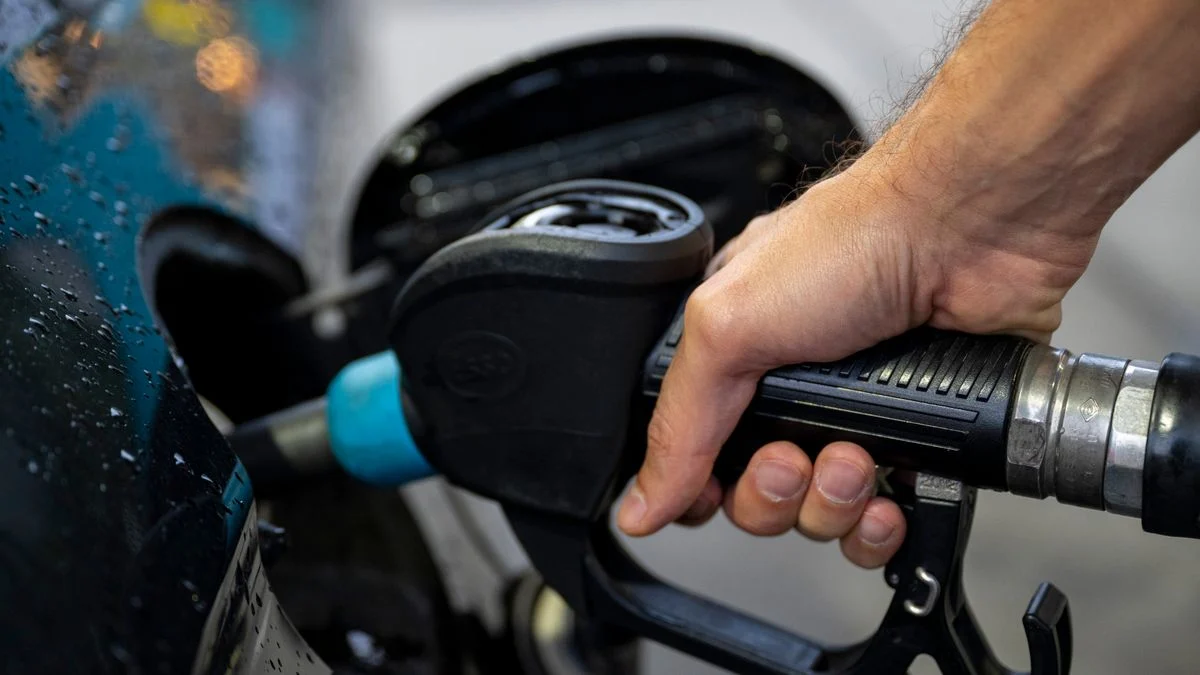
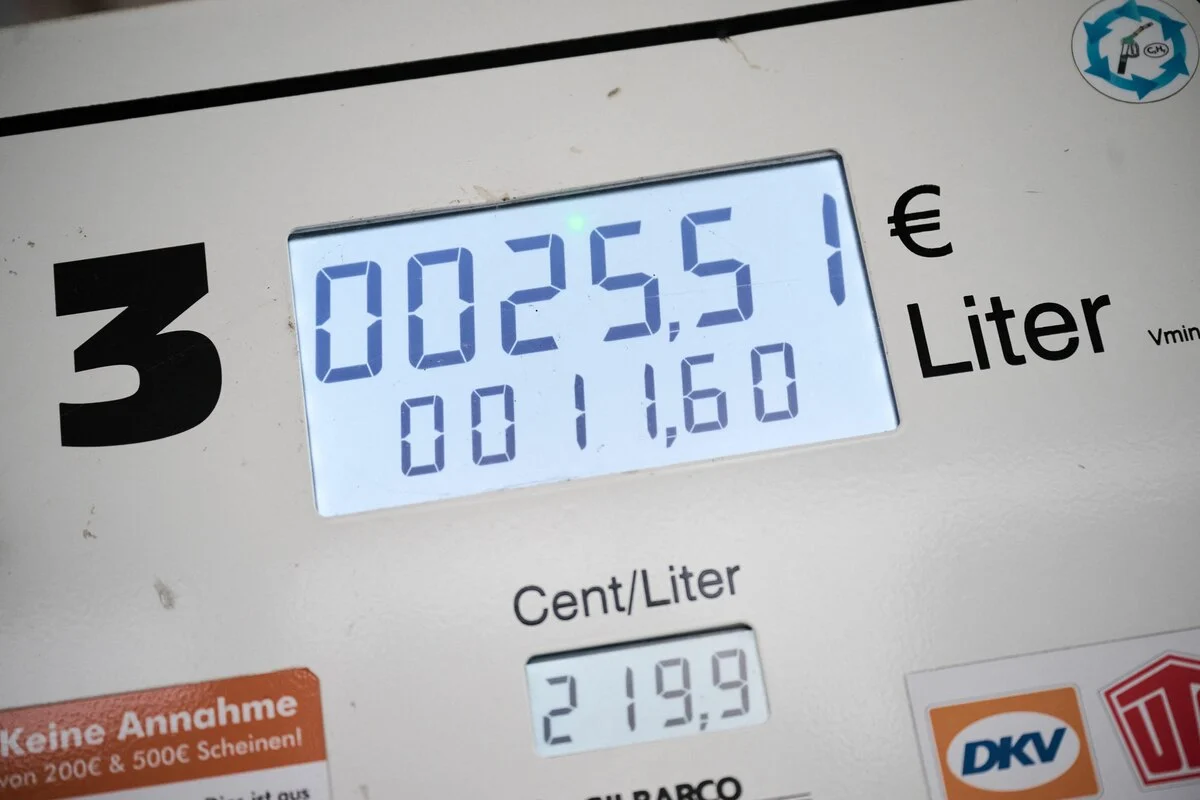
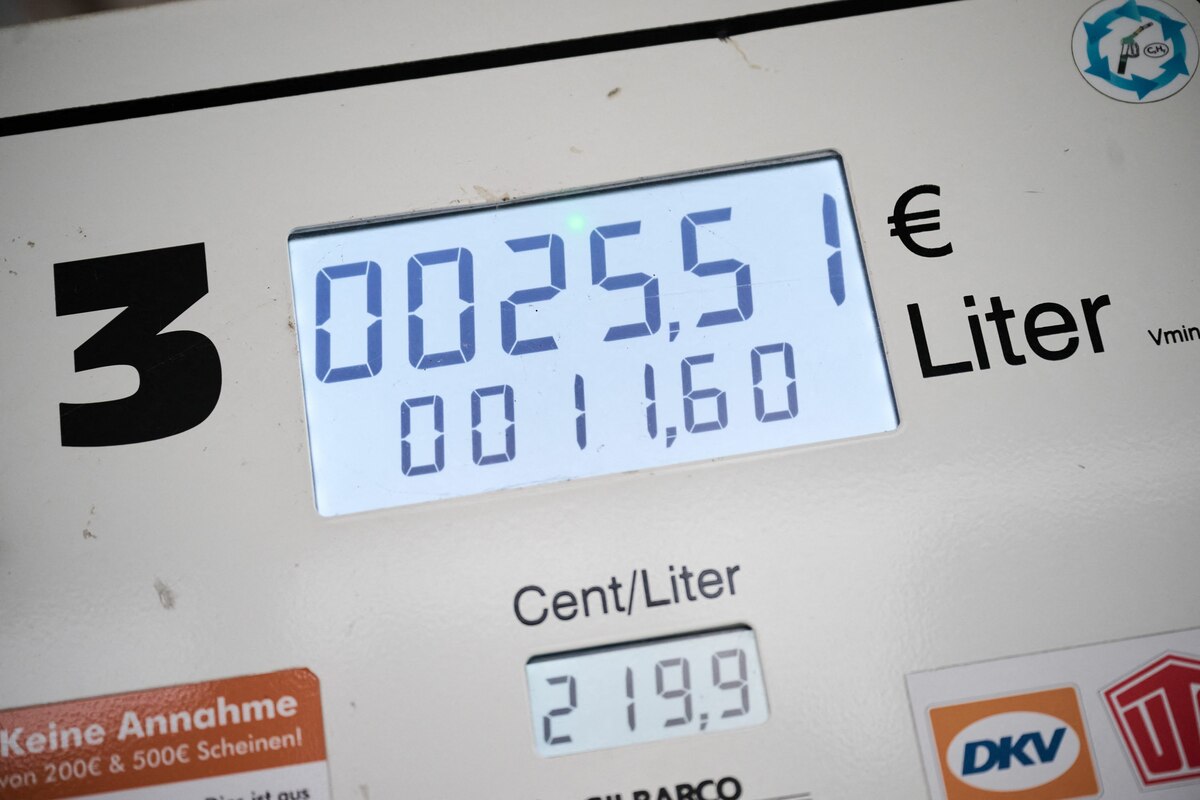
To understand the current economic climate, one must look at the energy markets. In September, the cost of motor fuels surged by a staggering 37.1 percent compared to the previous year. Even more alarming is the price of heating oil, which soared by 74.9 percent. These figures are not mere statistics; they represent a fundamental shift in the household budgets of millions of Germans, affecting everything from the daily commute to the cost of keeping homes warm as winter approaches.
The root of this volatility lies in global geopolitical instability. The conflict in the Middle East has acted as a catalyst for crude oil prices, which at one point surged beyond the psychological threshold of $100 per barrel. This global supply-side shock has filtered down to the local gas pump, where the German automobile club (ADAC) reported that motorists faced record-high prices for both diesel and gasoline on multiple occasions throughout the month.
Chronology of the Crisis
- Early 2023: Initial inflationary pressures begin to show as post-pandemic demand outstrips supply chains.
- Mid-2023: Geopolitical tensions in the Middle East begin to tighten global oil supplies, pushing barrel prices toward $100.
- August 2023: Inflation sits at a concerning 2.9 percent, signaling that price stability is becoming elusive.
- September 2023: Inflation jumps to 3.3 percent, marking the highest level since December 2020.
- October 1, 2023: The German government implements a temporary "tank rebate" (subsidy) to mitigate the record-breaking costs at the pump.
The Government’s Interventionist Strategy
In response to the outcry from citizens and businesses alike, the federal government has re-activated a policy instrument used earlier in the year: the "tank rebate." This subsidy, effective from October 1 through the end of the year, is designed to reduce the financial burden of fuel costs. Economists estimate that this measure could lower fuel prices by up to 17 cents per liter, theoretically shaving approximately 0.3 percentage points off the headline inflation rate.

However, the efficacy of such subsidies remains a subject of intense debate. While they provide immediate relief to consumers, some market analysts argue that they do not address the underlying structural reliance on fossil fuels. Meanwhile, the energy landscape remains mixed. While oil-based products have seen astronomical price increases, other energy sectors have shown resilience. Electricity prices, for instance, decreased by 5.5 percent, and natural gas costs fell by 2.8 percent. These declines are largely attributed to government interventions earlier in the year, such as the abolition of the gas storage levy, which has provided a necessary buffer for households.
Supporting Data: A Sectoral Breakdown
The inflationary pressure is not uniform. While energy has been the primary engine of price growth, the food sector is also showing signs of stress. Food prices rose by an average of 0.4 percent in September. However, this average masks significant volatility within the grocery aisle.
- The Price Winners (Upward Trend): Consumers have felt the sting of a 15.2 percent increase in the cost of eggs and a 12.0 percent hike in the price of fresh vegetables. Fish and seafood products also saw a 4.5 percent rise.
- The Price Losers (Downward Trend): Conversely, some staple items have become cheaper. Butter prices saw a sharp decline of 29.5 percent, while fresh fruit and dairy products dropped by 4.9 percent and 5.5 percent, respectively.
The services sector, a vital component of the German economy, remains stable but expensive. Services prices rose by 2.7 percent. Notably, the costs of social facility services (+6.3 percent), vehicle repairs (+4.7 percent), and personal care services such as haircuts (+4.3 percent) have contributed to the upward trend. Package tours also became 3.8 percent more expensive, reflecting the high demand for travel in a post-lockdown environment.

The Dilemma of the European Central Bank (ECB)
The broader inflationary trend, coupled with rising consumer prices across the Eurozone, has placed the European Central Bank in a difficult position. The "core inflation"—a measure that excludes volatile food and energy prices—continues to grow at a steady rate of 2.4 percent.
Economists and central bankers are now engaged in a tug-of-war over monetary policy. The ECB has already raised its key interest rate twice this year to 2.50 percent, aiming to cool the economy. While some argue that further hikes are necessary to prevent a wage-price spiral, others urge caution.
Michael Herzum, Head of Macroeconomics at Union Investment, suggests that the current situation requires a nuanced approach. "The rise in inflation is visible, but not broadly based," Herzum remarked. "For the ECB, the higher German inflation rate is therefore not a strong argument for an immediate interest rate hike." Many market observers expect the ECB to maintain a "wait-and-see" approach during the October meeting, with a potential rate increase likely to be pushed to December.

Future Implications: A Path to Stability?
The current economic outlook for Germany is a paradox. While inflation is at a three-year high, the overall economic sentiment remains cautiously optimistic compared to other global powers. International organizations, including the International Monetary Fund (IMF), have recently raised their growth forecasts for the German economy, suggesting that the "oil price shock" is not, in fact, sufficient to derail the country’s industrial engine.
However, the structural challenges remain. The crisis has sparked a national conversation about energy independence. Environmental groups, such as Greenpeace, have called for the ECB to use its influence to accelerate the transition away from fossil fuels, arguing that the current inflationary spike is a "fossil-fuel driven crisis."
As the German government navigates the remainder of the year, it faces a multi-front battle: managing the immediate cost-of-living crisis for its citizens, maintaining industrial competitiveness, and ensuring that the monetary policies of the Eurozone do not stifle a fragile recovery. Whether the temporary subsidies and current interest rate hikes will be sufficient to bring inflation back toward the two-percent target remains the defining economic question of the year. For now, the German consumer remains in a state of high alert, balancing the necessity of daily life against the rising cost of fuel and the shifting winds of global energy markets.