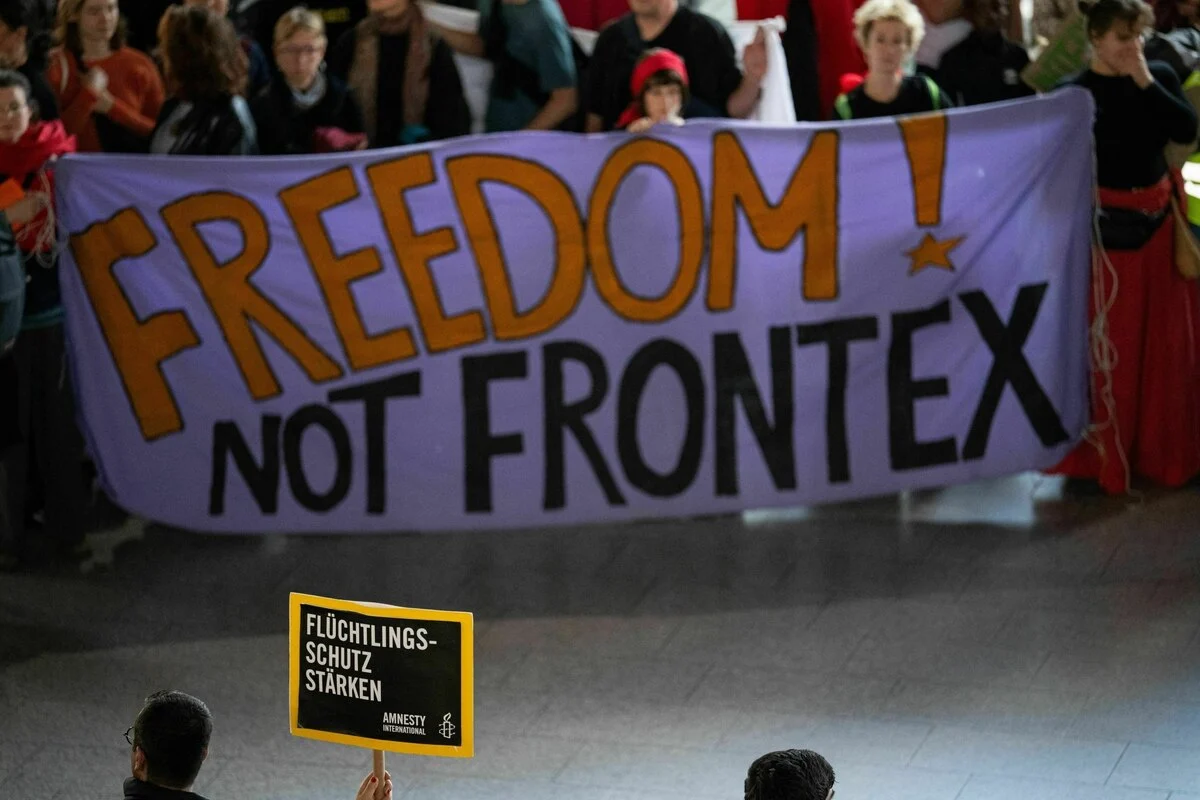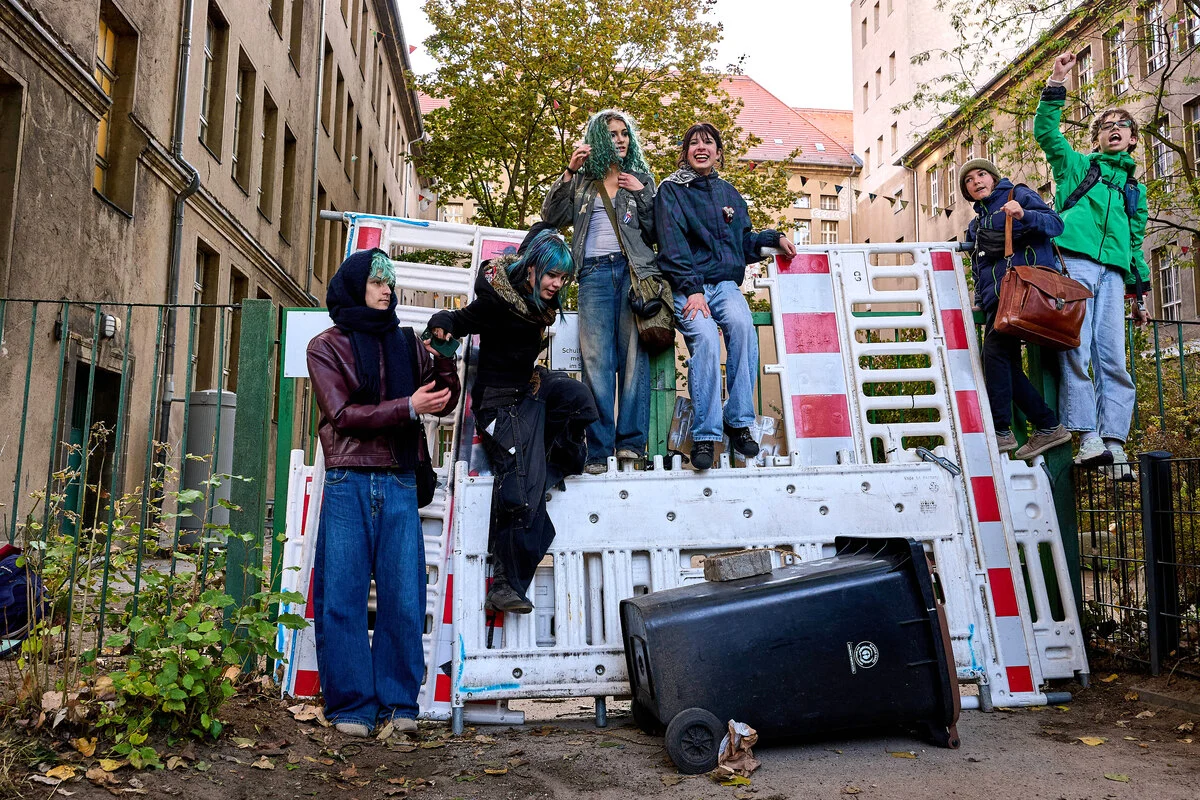
As the political climate in Germany shifts, a new movement has emerged from the digital ether to claim space on the streets. Under the banner "Gen Z regelt" (Gen Z Takes Control), tens of thousands of young people are mobilizing for a nationwide day of protest scheduled for October 31. What began as an online call-to-action has rapidly transformed into a significant logistical and political challenge, drawing inspiration from recent, turbulent student protests in France.
The movement’s core demands are broad yet deeply rooted in the anxieties of a generation facing economic and systemic instability. Their platform focuses on education reform, healthcare accessibility, robust climate protection, affordable housing, and a firm stance against the reintroduction of mandatory military service. As of the latest tracking, nearly 40,000 individuals have officially registered to participate, a figure that continues to climb by the hour.
The Strategy of Non-Violence: A Tactic of Necessity
Perhaps the most striking feature of "Gen Z regelt" is its preemptive, explicit rejection of violence. On their digital channels, the organizers have issued a "zero-tolerance" policy regarding rioting, property damage, and looting. They have been clear: those looking for conflict or seeking to engage in violence are not part of their movement.
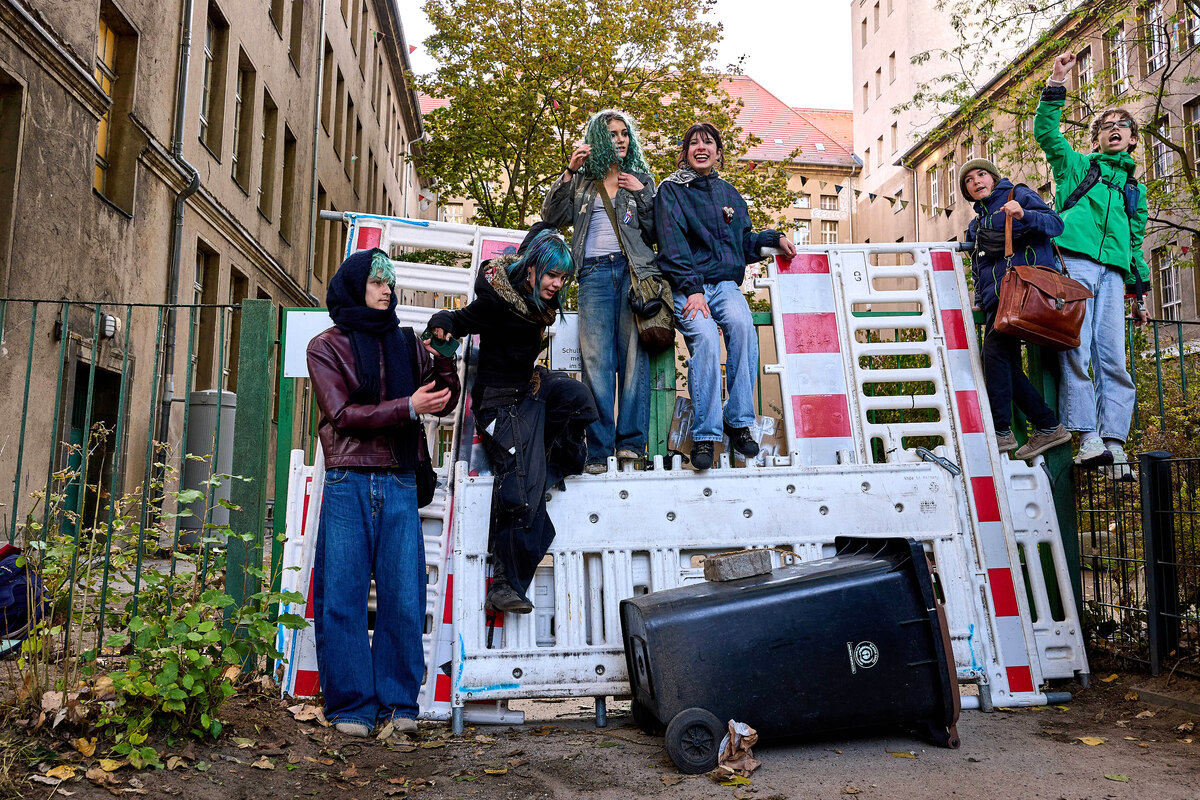
This stance, while seemingly conventional, is a highly calculated tactical maneuver. In the German political landscape—where the historical memory of political violence remains a sensitive, often paralyzing subject—the movement is attempting to preempt the "extremist" label that authorities frequently apply to disruptive protests. By explicitly distancing themselves from the scenes of burning cars and shattered storefronts seen in recent French unrest, the organizers are seeking to lower the barrier to entry for first-time protesters.
However, this decision is not without its critics. Some within the radical left argue that by disavowing violence, the movement inadvertently legitimizes the systemic violence of the "late-capitalist" state. They point to historical precedents, such as the British Suffragettes, who only achieved meaningful political suffrage after adopting militant tactics, including property destruction.
Chronology of a Mobilization
The movement’s momentum can be traced back to the burgeoning frustration among German youth regarding educational underfunding and the rising cost of living. Following the widespread student protests in France—where nearly half a million people took to the streets to demand systemic change—a sentiment of "Why not us?" began to take root in German student circles.

- Initial Phase: Digital organizing begins on social media platforms, focusing on the parallels between the French cost-of-living crisis and the situation in German schools.
- The Announcement: "Gen Z regelt" officially launches, setting October 31 as the date for a synchronized nationwide demonstration.
- Rapid Growth: Within days, registration numbers leap from a few thousand to nearly 40,000.
- The Pivot to Professionalism: Organizers begin providing detailed safety guides, including instructions for "reference groups," advice on dealing with potential police detentions, and the distribution of "EA-numbers" (Legal Aid numbers) for those who might be arrested.
The Reality of State Power and Police Response
The movement’s commitment to non-violence is tested by the harsh reality of how protests are handled in Germany. The organizers are not naive; they anticipate police presence and potential escalation. Their advice to bring water for flushing eyes after potential pepper-spray exposure suggests a realistic, if not cynical, view of how the state interacts with dissenting youth.
Recent experiences with Palestine-solidarity protests in Germany—which were met with heavy police intervention and subsequent bans—serve as a grim reminder to the organizers: peaceful intent does not guarantee peaceful outcomes.
Official Responses and the "Law and Order" Backlash
The political and institutional reaction to the movement has been predictably polarized. Jochen Kopelke, a prominent representative of the German police union, provided a visceral, highly controversial reaction to the movement. In comments that sparked widespread backlash, he characterized the participants as "young riot-migrants" (junge Krawallmigranten) who are "eager to commit violence against the police" and deserve "no mercy."

This rhetoric highlights the deep divide between the establishment and the younger generation. By framing the protest as a migration issue rather than a socio-economic one, critics argue that authorities are attempting to delegitimize the movement’s legitimate grievances regarding education and economic security.
The Socio-Economic Drivers of Unrest
The intensity of the "Gen Z regelt" movement is a symptom of a broader societal malaise. In Germany, the belief that "only peaceful protest is good" is deeply entrenched, far more so than in France, where disruptive tactics against the state often receive a degree of tacit public sympathy.
However, the "Gen Z regelt" platform touches on fundamental existential threats:

- Labor Precarity: The expectation that the current generation will be forced to sell their labor at diminishing returns while rent consumes an ever-larger share of their income.
- Educational Neglect: The visible decay of school infrastructure and the perceived lack of future-oriented curriculum.
- Institutional Distrust: The feeling that traditional political channels are no longer capable of addressing climate collapse or the rising cost of living.
By emphasizing "creative and loud" protest—such as the promise to clean up their own trash after demonstrations—the organizers are attempting to hold a mirror to the state. They hope to make the potential use of state force look disproportionate and unearned in the eyes of the general public.
Implications for the Future of German Protest
Whether "Gen Z regelt" succeeds depends on whether it can balance its mainstream appeal with its radical demands. By distancing themselves from "extremism," the organizers are playing a risky game. If they become too sanitized, they risk alienating the radical, anti-capitalist youth who provide the organizational backbone for long-term protests. If they remain too disruptive, they risk being crushed by the state apparatus and the media-fueled "law and order" narrative.
The movement currently stands at a crossroads. Its growth rate—gaining thousands of supporters even while a single article is being written—suggests that the appetite for organized, youth-led resistance is at an all-time high.

Conclusion: A Dangerous Potential
As October 31 approaches, the significance of "Gen Z regelt" lies not just in its demands, but in its ability to synthesize a generation’s fears into a singular, national narrative. The organizers are attempting to deliver the exact kind of "polite, non-violent" protest that the German middle class traditionally approves of, while simultaneously addressing systemic issues that are anything but polite.
If the protests proceed as planned, they will likely become a litmus test for the state’s tolerance of youth dissent. Should the police reaction mirror the intensity of their French counterparts, the movement may find that their commitment to non-violence is insufficient to protect them. Conversely, if the movement continues to grow at its current pace, "Gen Z regelt" has the potential to move beyond a single day of action and evolve into a permanent fixture of German political life. Whether that evolution is constructive or confrontational remains the most pressing question for the coming winter.