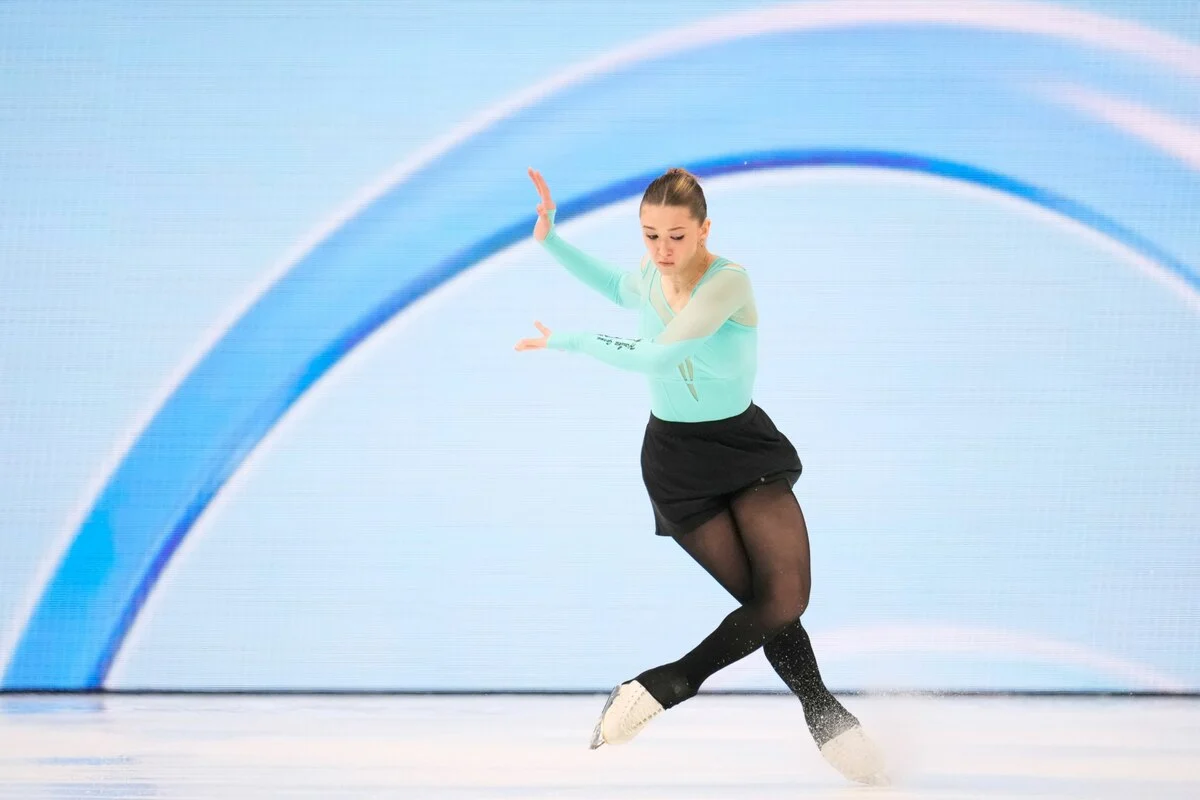
The world of international figure skating was sent into a state of shock this week following the announcement that Kamila Valieva, the once-prodigal daughter of Russian figure skating, has returned to the training camp of Eteri Tutberidze. For followers of the sport, this is not merely a coaching change; it is the most significant and polarizing transfer of the winter season.
While the financial stakes of figure skating do not mirror the triple-digit million-euro contracts seen in elite professional football, the weight of this decision is arguably heavier. It reunites a skater whose career became a geopolitical flashpoint with a coach whose methods have been the subject of intense global scrutiny for years. As Valieva navigates the wreckage of a suspended career and a tainted legacy, her decision to return to the "Sambo-70" camp signals a final, perhaps desperate, attempt to reclaim the form that once made her the favorite for Olympic gold.
A Chronology of a Fallen Star
To understand the gravity of this reunion, one must look back at the 2022 Winter Olympics in Beijing. Valieva, then just 15 years old, arrived in China as a generational talent. Her short program was widely considered the most technically and artistically perfect performance in the history of the sport. She seemed destined for individual gold.
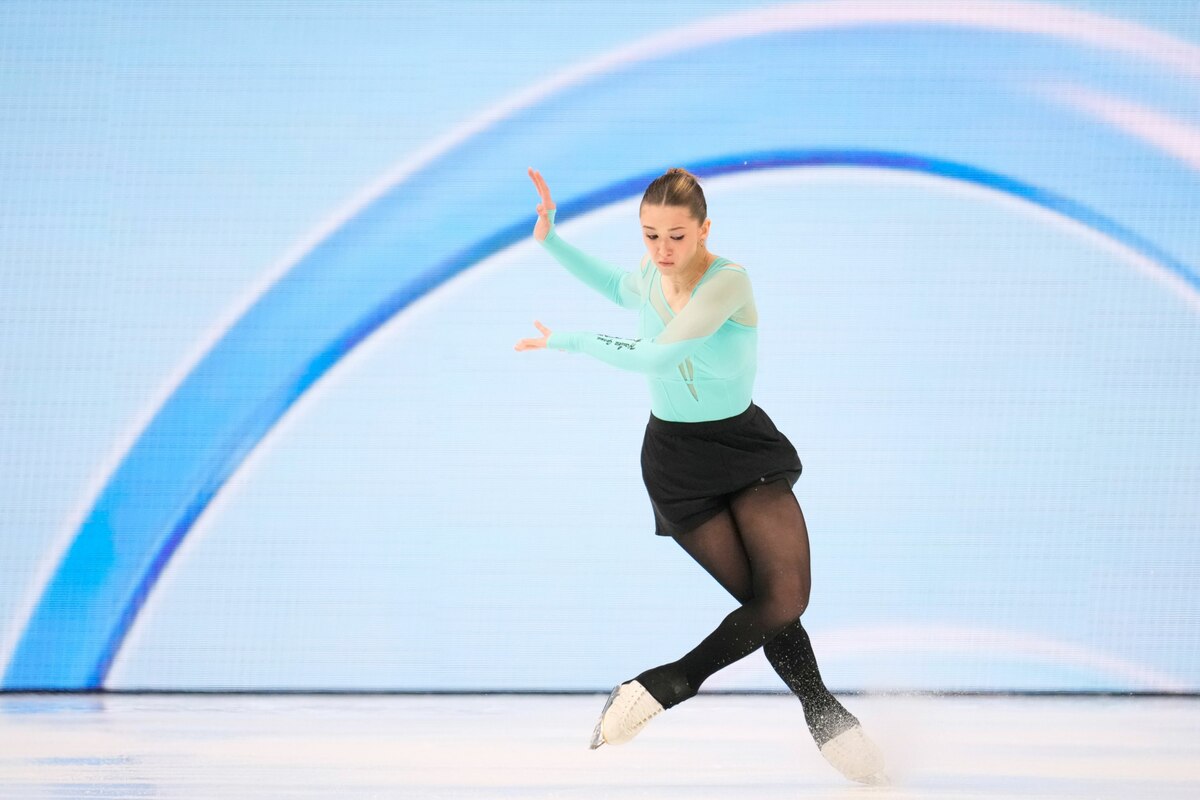
However, the dream disintegrated when it was revealed that she had tested positive for trimetazidine, a banned heart medication, at a competition held months prior. The revelation transformed the Beijing games into a political theater. The fallout was immediate: while some argued for her immediate expulsion, citing the integrity of the anti-doping movement, others—including many within the Russian state apparatus—cast her as a vulnerable child caught in the gears of a "human-consuming" sports machine.
The propaganda apparatus in Russia swung into action, plastering cities with posters of the teenager and manufacturing a cult of victimhood. Yet, on the ice, the reality was stark. During the individual free skate, a visibly crushed and overwhelmed Valieva stumbled repeatedly, falling out of contention. The image of the teenager weeping at the rink-side, only to be met with the icy, cold indifference of her coach, Eteri Tutberidze, became the defining, haunting image of those Games—drawing an unprecedented public rebuke from International Olympic Committee (IOC) President Thomas Bach.
The Suspension and the Failed "Neutral" Bid
Following the Beijing ordeal, Valieva’s career was effectively put on ice. A four-year ban was eventually imposed, removing her from the international stage. In 2025, in a bid to prepare for a eventual comeback, she moved away from the Tutberidze camp to train under Svetlana Sokolovskaya.

As the winter season approached, there was talk of a potential international return under the status of a "neutral athlete." Since the Russian invasion of Ukraine, the International Skating Union (ISU) has maintained a strict stance: Russian athletes may only compete internationally if they have not actively supported the war and are not affiliated with military sports clubs.
Valieva’s initial application for neutral status seemed to be a path back to the global stage. However, the ISU revoked that path shortly thereafter, citing unresolved concerns. It was a clear indication that in the post-2022 landscape, everything surrounding Valieva remains a political liability. The athlete has not formally appealed the decision, but her sudden departure from the Sokolovskaya camp—and her return to the Tutberidze fold—suggests that she has either given up on the ISU’s conditions or is seeking a more aggressive, state-backed support system to navigate her professional future.
The Anatomy of the Coaching Environment
The scrutiny surrounding this move is largely tied to the nature of the teams involved. The Sokolovskaya team, which Valieva recently vacated, was until 2023 associated with CSKA, the legendary Central Sports Club of the Army. Given the current geopolitical climate, the optics of training under a military-linked institution were detrimental to any claim of "neutrality."

Furthermore, the Sokolovskaya group operates out of the Navka Arena, a facility named after Tatiana Navka, the 2006 Olympic ice dance champion. Navka, however, is better known today as the wife of Kremlin spokesperson Dmitry Peskov. Her academy and her lucrative ice shows, which serve as a primary performance outlet for Russian skaters, are inextricably linked to the Kremlin’s soft-power apparatus. Because of these ties, Navka is subject to international sanctions by both the United States and the European Union.
By returning to Eteri Tutberidze, Valieva is moving back into the epicenter of the "Russian School"—a system that prioritizes hyper-technical performance at the cost of long-term physical and mental well-being. For observers who watched Tutberidze’s stern, often brutal treatment of Valieva in Beijing, this move looks less like a return to a mentor and more like a return to a system that views athletes as disposable assets.
Official Responses and the ISU Stance
The International Skating Union has remained largely quiet regarding the specific transfer, as Valieva remains ineligible for sanctioned international competition. However, sources within the skating world suggest that the ISU’s decision to block her neutral status was a direct reaction to the persistent ties between high-level Russian skaters and the state-sponsored military or political apparatus.

The Russian Skating Federation has portrayed the move as a purely internal matter. Within the domestic Russian media, the narrative remains consistent: Valieva is a national hero who was wronged by the West, and her return to the coach who "built" her is a homecoming. There is no acknowledgment of the doping scandal’s role in her current exile; rather, it is treated as an external injustice that must be endured with stoicism.
Implications for the Future of Figure Skating
What does this mean for the future of the sport? First, it signals that the divide between the ISU-governed international circuit and the Russian domestic circuit is becoming absolute. Valieva is unlikely to compete in a World Championship or an Olympic Games in the near future. Instead, she will likely become the headliner for domestic ice shows, effectively becoming a brand ambassador for a Russian figure skating culture that has turned its back on international cooperation.
Second, it raises profound ethical questions about the protection of athletes. The fact that a young woman who was the subject of an international doping investigation and a global mental health crisis is choosing to return to the very environment that presided over her collapse is a sobering indictment of the sport’s culture. It suggests that for these athletes, there is no "post-career" life outside the state-sponsored system; they are locked into a cycle of training, competition, and exhibition that offers no exit strategy.

Finally, the return to Tutberidze confirms that the "Sambo-70" philosophy remains the dominant force in Russian skating. Despite the international outcry in 2022 and the subsequent investigations into doping and abuse, the system has not reformed. It has only retreated, doubled down, and hardened its grip on its remaining stars.
As Kamila Valieva steps back onto the ice in Moscow, the world watches—not with the anticipation of a record-breaking performance, but with the grim curiosity of a spectator watching a tragedy rewrite its own ending. She is no longer the girl who might change the sport; she is the symbol of a sport that, perhaps, has refused to change itself. Whether she can find success in this familiar, restrictive environment is almost irrelevant. The true cost of her return has already been paid in the currency of her own lost youth and the eroded credibility of the sport she once dominated.