In an era where regional rail connectivity in Germany often faces criticism for being fragmented, a singular, high-profile journey has reignited the imagination of rail enthusiasts and nostalgic travelers alike. This week, the legendary "Rheingold-Express"—a train that served as the gold standard of luxury travel for decades—returned to the tracks, forging a rare, direct link between the industrial heartland of Saxony and the Austrian cultural jewel of Salzburg.
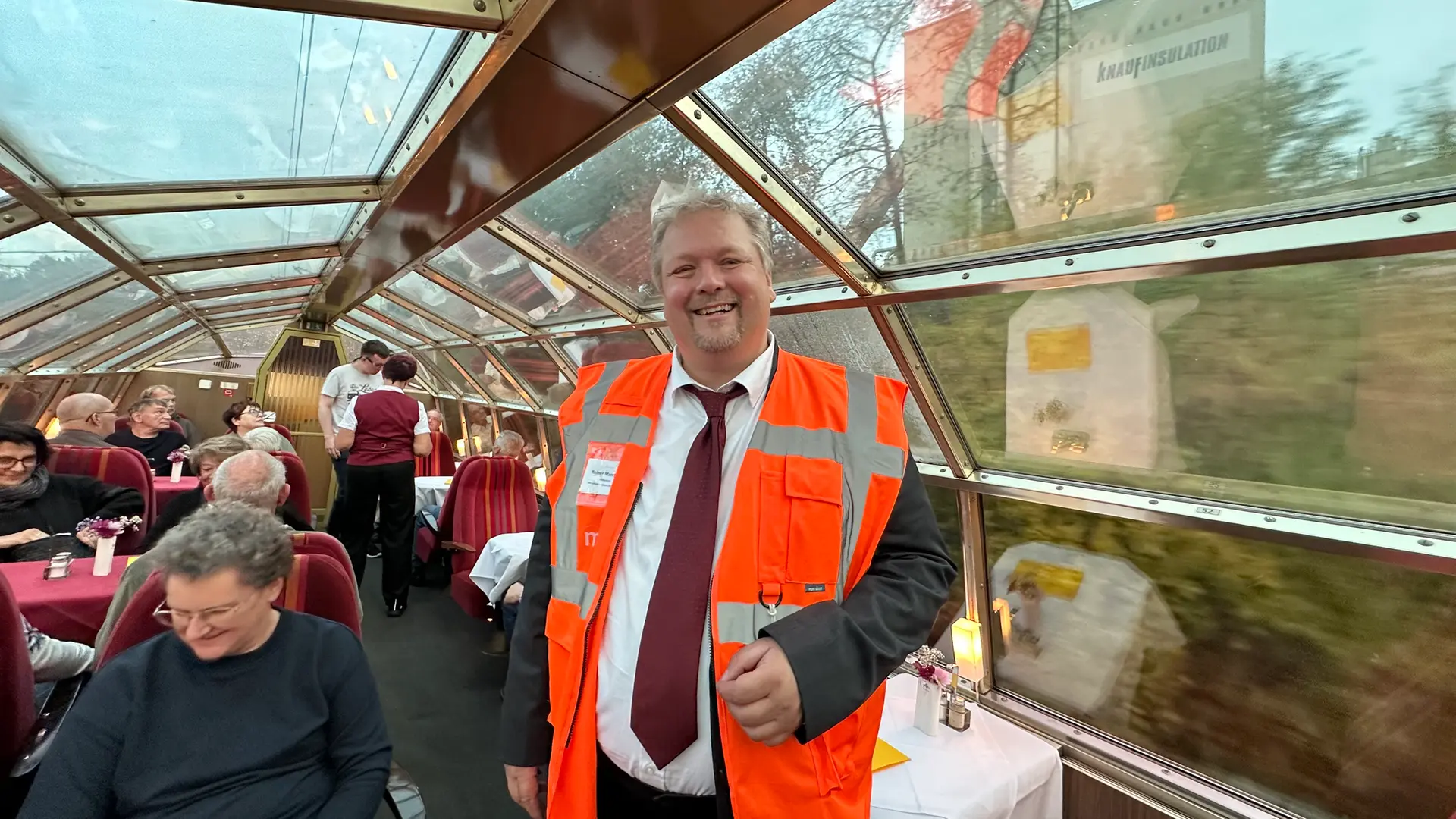
The Sonderfahrt (special journey) arrived as a stark reminder of a bygone era, contrasting sharply with the modern, often sterile, reality of daily commuter travel in the Chemnitz and Zwickau regions. For those fortunate enough to secure a seat, the experience was more than a mere transit; it was a curated journey through time.

A Legacy of Luxury Reclaimed
The "Rheingold-Express" is not just a train; it is a cultural institution. Originally established in 1928 to connect the Netherlands with Switzerland via the Rhine Valley, the train became synonymous with the "Golden Age" of European travel. It was the chosen mode of transport for diplomats, business elites, and the well-to-do, offering unparalleled comfort, fine dining, and a level of service that modern airlines and high-speed rail have arguably struggled to replicate.
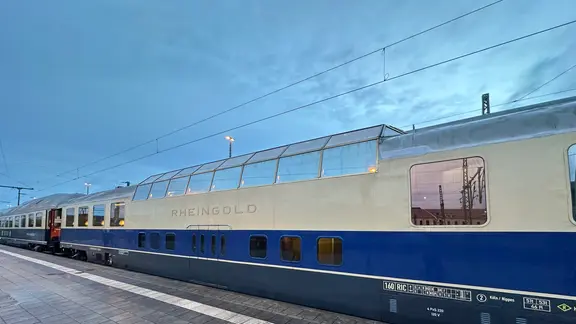
The sight of the distinct cobalt-blue and beige carriages rolling through the Saxon countryside this week was met with awe by locals and rail aficionados. For many, it represented the restoration of a lost connection, proving that even in a digitized, fast-paced world, there remains a deep, abiding hunger for the "slow travel" experience.
Chronology of a Unique Connection
The journey began on Thursday morning, departing from the quiet platforms of Chemnitz. The atmosphere at the station was palpably different from the usual commuter bustle. Passengers, many of whom had dressed for the occasion, gathered with a sense of anticipation that harkened back to the mid-20th century.
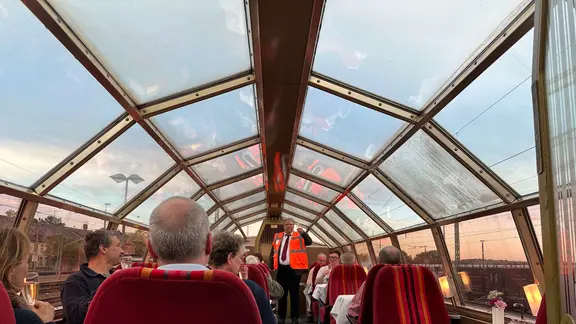
- Thursday, October 23: The departure from Chemnitz marked the beginning of a multi-leg journey. The train, a marvel of preservation, showcased the iconic "Domecar"—an elevated, glass-roofed observation carriage that remains the most famous feature of the Rheingold fleet.
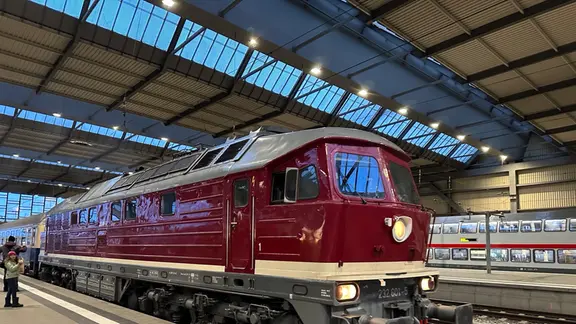
- Transit and Traction: The journey was not merely about the carriages; it was a masterclass in locomotive history. While the train moved through Saxony, it was powered by the robust, Soviet-era "Ludmilla" diesel locomotive, a workhorse that evokes the industrial heritage of the former GDR.
- The Alpine Crossing: As the train transitioned into the Bavarian and Austrian landscapes, the technical requirements of the route changed. In a treat for railway enthusiasts, a historic E94 "Krokodil" (Crocodile) electric locomotive was brought in to handle the challenging mountain gradients, showcasing the engineering prowess of the 1960s.
- Arrival in Salzburg: Upon reaching the Mozart city of Salzburg, the train stood as a testament to European integration, bridging the gap between East and West.
- The Return: The return journey is scheduled for Sunday, closing the loop on a weekend of travel that has effectively transformed the transit experience into an art form.
Supporting Data and Technical Marvels
The success of this special journey relies on the meticulous maintenance of vintage rolling stock. The Rheingold carriages are not mere museum pieces; they are functional, high-end environments.
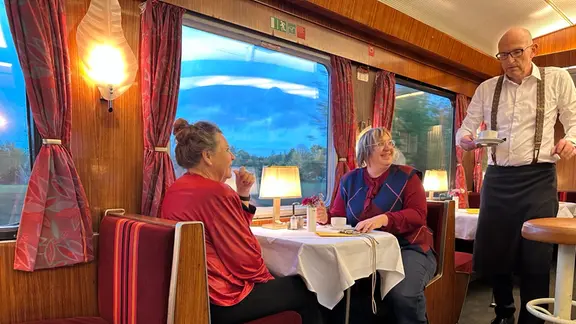
The "Buckelspeisewagen" (humped dining car) is perhaps the most impressive technical achievement. Designed in the 1960s, these carriages allowed for a full kitchen setup, enabling professional-grade dining while in motion. Passengers are served white-tablecloth meals by staff in traditional attire, creating an environment that feels disconnected from the modern world.

The "Domecar" observation deck, with its panoramic glass roof, provides a 360-degree view of the shifting geography. From the rolling hills of the Erzgebirge to the dramatic ascent into the Alps, the vantage point is unmatched by any modern high-speed ICE train, which prioritizes speed over sightlines. The 190 passengers on this trip were treated to a view that was designed to be savored, not blurred by high-velocity transit.
The Significance of the Route: A Commentary on Infrastructure
While the "Rheingold" journey is a celebration of the past, it inadvertently highlights the current struggles of the present. Chemnitz and Zwickau, two cities with rich industrial histories, have often found themselves on the periphery of the major German high-speed rail network.
In recent years, the lack of direct, fast, and comfortable long-distance connections has been a frequent point of frustration for residents and business leaders. The "Rheingold" Sonderfahrt serves as a poignant, if temporary, answer to this isolation. It demonstrates that the demand for high-quality, long-distance connectivity in these regions is not just present—it is vibrant.

Critics of the current rail policy point out that while a historic train is a wonderful tourist attraction, it should not be the only way for a citizen in Chemnitz to reach a major hub like Salzburg without multiple, stressful transfers. The success of this trip serves as an unofficial petition for better, more consistent infrastructure.

Official Responses and Perspectives
While the event was organized by private preservation societies and rail enthusiasts, the reaction from local municipal authorities has been largely positive.

"Seeing the Rheingold in our station is a boost for the morale of the city," said a representative from the local transport planning board. "It reminds us that Chemnitz is a hub of history and that our residents deserve connections that are as dignified and comfortable as those found elsewhere in Europe."

However, the reality remains that such journeys are expensive and resource-intensive to maintain. Rail operators note that the logistical challenge of mixing historic equipment with modern, automated signaling systems is immense. The "Ludmilla" and "Krokodil" locomotives, while iconic, require specialized maintenance crews that are increasingly rare.
Despite these challenges, the organizers believe the project is worth the effort. "We are keeping history alive," said one of the lead engineers. "But more than that, we are showing the next generation that travel can be a destination in itself. You don’t just ‘get somewhere’; you experience the journey."

Implications for Future Travel
What does the "Rheingold" journey mean for the future of rail in Germany?
- The Rise of "Experience Travel": There is a clear market for high-end, slow-travel experiences. As the aviation industry faces pressure to reduce carbon footprints, luxury rail is positioned as a viable, attractive alternative for the premium market.
- Highlighting Connectivity Gaps: The success of this journey will likely be cited by lobby groups demanding a "Renaissance of the Rails" in Saxony. It proves that when the infrastructure is utilized, people will turn out in droves.
- Preservation as Innovation: The effort to keep these carriages operational provides a unique blueprint for future rail design. The focus on passenger comfort, spacious seating, and quality onboard services—lessons learned from the 1960s—are being re-integrated into the design of the next generation of NightJet and high-speed rail fleets.
Conclusion: A Golden Standard
As the "Rheingold-Express" prepares for its return journey, it leaves behind a city and a region inspired by what is possible. It is a rare intersection where the nostalgia of the past meets the demands of the future.

Whether the "Rheingold" will become a more permanent fixture on the Saxon-Austrian line remains to be seen. However, for those 190 passengers, the image of the cobalt-blue train cutting through the autumn landscape will remain a powerful symbol. It is a reminder that travel, at its best, is not just about moving from Point A to Point B—it is about the elegance, the history, and the sheer joy of the journey itself.

As the sun sets over the Erzgebirge this weekend, the sound of the vintage whistle echoing through the valleys will serve as a final salute to an era that refused to be forgotten, and perhaps, a whisper of a future where such luxury is no longer an exception, but the standard once more.