The release of the Steam Frame has sent shockwaves through the virtual reality industry, not only for its technical prowess and seamless integration with Valve’s ecosystem but also for its physical architecture. As the first major VR headset from Valve to feature advanced inside-out tracking, the device represents a significant engineering milestone. However, with a starting price of €1,049 and an exclusive, high-demand procurement process, the long-term viability of the hardware has become a point of contention for enthusiasts.
Recent teardown analysis provided by iFixit has shed light on what lies beneath the Steam Frame’s sleek exterior. While the device scores points for its modularity in specific areas, it presents significant hurdles in others—specifically regarding cooling maintenance and battery longevity.
Main Facts: The Anatomy of the Steam Frame
The iFixit teardown reveals a device of two halves: a chassis that is surprisingly user-friendly in its peripheral maintenance, but labyrinthine in its core architecture.
On the positive side, the Steam Frame employs a modular approach for components that endure the most wear and tear. The head strap, a frequent point of failure in previous VR generations, is secured via intuitive quick-release mechanisms. Similarly, the "human-interface" components—such as the nose bridge and the absorbent face and head cushions—are designed for easy, tool-less replacement.
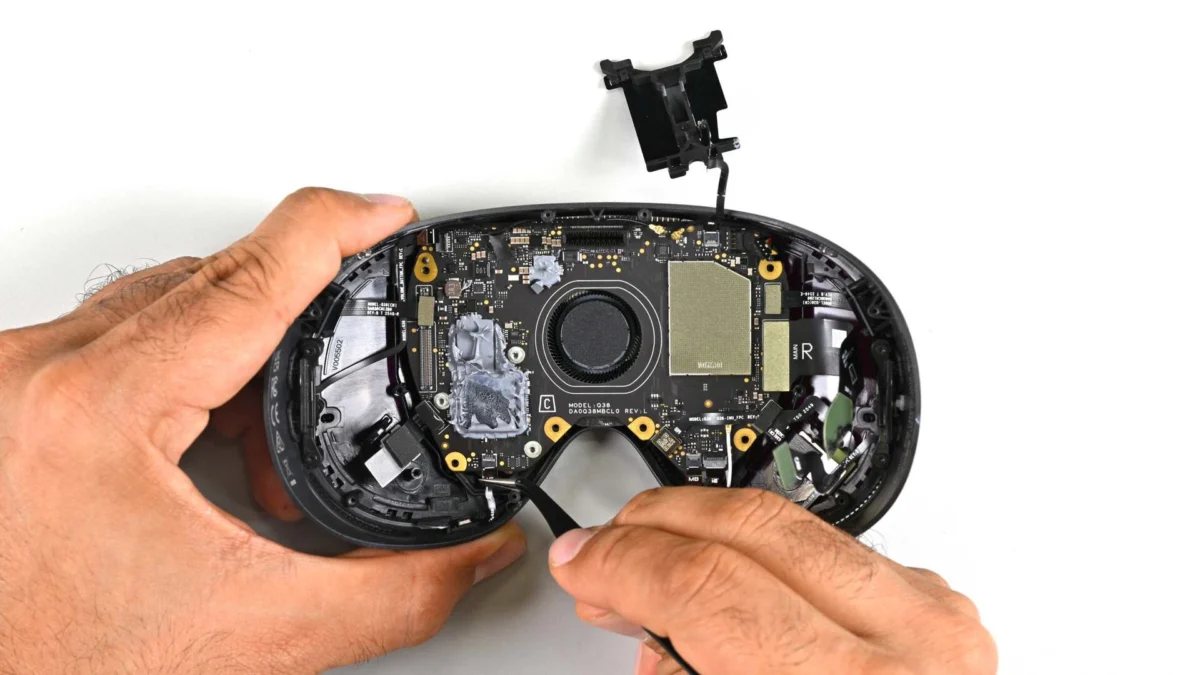
However, the internal cooling system tells a different story. The cooling fan, a critical component for maintaining performance during extended VR sessions, is buried deep within the core of the headset. To access it, a technician must navigate past sensitive optical assemblies, complex cable routing, and dense heat-management hardware.
Key Findings:
- Modular Accessibility: High marks for the head strap and facial interfaces.
- Optical Maintenance: Lenses are magnetically attached to the Interpupillary Distance (IPD) rail, making internal sensor maintenance relatively straightforward once the primary housing is breached.
- The Cooling Bottleneck: The fan is a distinct component, which is a design positive, but its placement makes it a "deep-tissue" repair target.
- The Controller Dilemma: Thumbsticks are soldered directly to the circuit boards, complicating potential drift repairs.
Chronology: From Launch to Teardown
The journey of the Steam Frame began with a highly anticipated launch, characterized by a unique procurement system involving a waiting list and a lottery-based selection process.
- Launch Phase: Following the announcement, initial reviews praised the device’s comfort and its ability to deliver an unparalleled experience in titles like Half-Life: Alyx.
- Market Entry: As units reached consumers, the conversation shifted toward long-term maintenance. With a price tag exceeding a thousand euros, users began questioning how to extend the device’s lifespan beyond the standard warranty period.
- The iFixit Partnership: Valve’s decision to partner with iFixit—providing official parts and documentation—was hailed as a victory for the "Right to Repair" movement.
- The Teardown Event: In the weeks following the official release, iFixit conducted its comprehensive disassembly, revealing that while the partnership exists, the internal design of the Steam Frame remains complex, prioritizing performance density over ease of serviceability.
Supporting Data: Understanding the Repair Landscape
To understand why the Steam Frame receives a mixed "repairability score," one must look at the specific engineering choices made by Valve.
Battery and Thermal Management
The battery, often the first component to degrade in portable electronics, is notably difficult to service. Unlike devices designed for easy battery swaps, the Steam Frame’s power cell lacks dedicated pull-tabs or a swappable compartment. iFixit’s technicians noted that successful removal required the use of isopropyl alcohol to soften the adhesive, followed by precise prying. This method carries a inherent risk of damaging the battery casing or the surrounding chassis, which may deter the average consumer from attempting a self-repair.
The Controller Factor
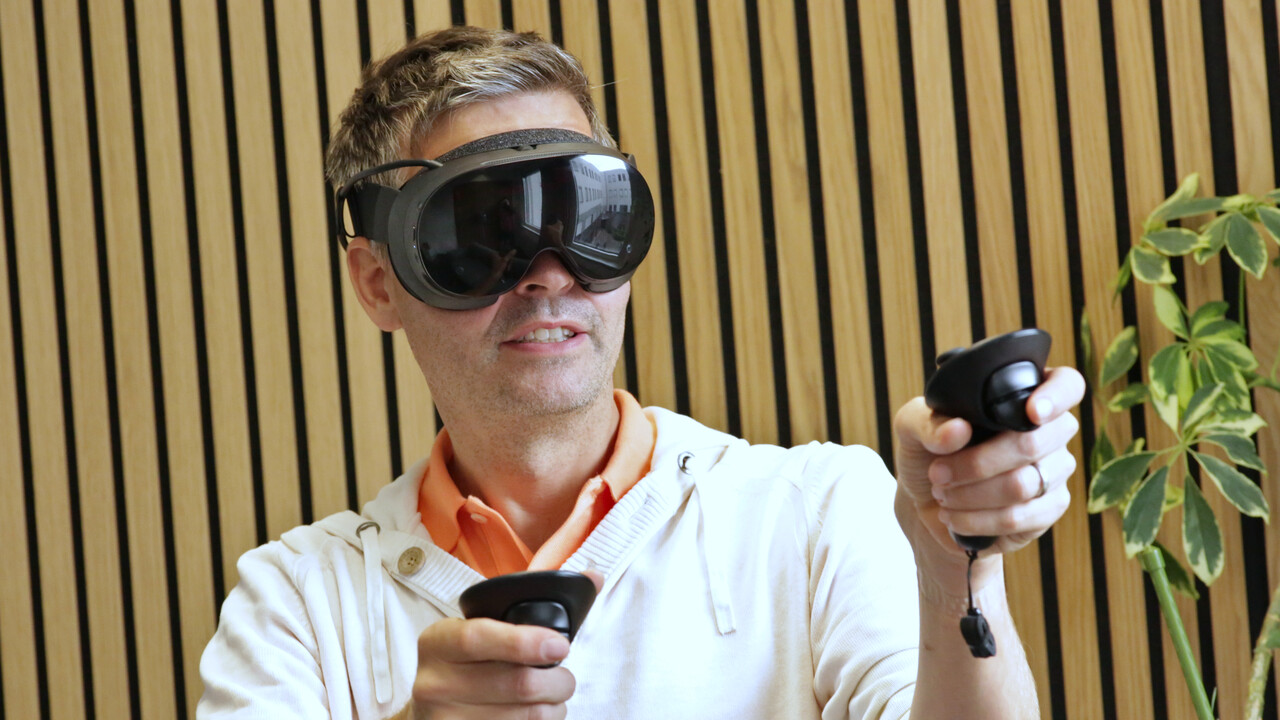
While the headset itself shows signs of intentional design for repair, the controllers are less forgiving. In an era where "stick drift" is a primary concern for gamers, the decision to solder thumbsticks to the main PCB is a significant drawback. It necessitates micro-soldering skills for what should be a modular replacement, effectively creating a "non-repairable" path for most users.
The Cooling Dust Accumulation Risk
The decision to place the cooling fan deep within the frame is perhaps the most debated design choice. Given that VR headsets are inherently active, heat-generating devices that rely on airflow, the accumulation of dust and debris is inevitable. By making the fan difficult to access, Valve has essentially mandated that, over a period of years, the device will likely require a professional-grade teardown just to maintain its thermal performance.
Official Responses and Partnership Dynamics
Despite the partnership with iFixit, it is critical to note that Valve maintained complete autonomy over the Steam Frame’s design. According to reports from the iFixit team, Valve did not influence the disassembly process or the final repairability rating.
This transparency is vital. It confirms that the Steam Frame was engineered primarily for an optimal, compact, and high-performance VR experience, rather than being built with a "modular-first" philosophy. The partnership with iFixit serves as a bridge to mitigate these design choices by providing parts and guides, even if the actual execution of those repairs remains challenging for the end-user.
Currently, the iFixit shop is populated with a growing list of replacement parts. However, high-value components such as replacement displays and battery packs are not yet widely available at launch. Valve’s commitment to providing parts is a significant step forward, but the ecosystem is still in its infancy.
Implications: The Future of VR Hardware
The Steam Frame sits at a crossroads between consumer electronics and high-end specialized hardware. Its repairability profile has several far-reaching implications for the industry:
1. The Cost of Performance
The density of components inside the Steam Frame is a testament to the engineering required to pack powerful tracking sensors, high-fidelity displays, and internal processing into a comfortable, wearable form factor. The difficulty of accessing the fan and the battery is, in many ways, the "tax" paid for the device’s small footprint. Consumers must decide if this performance-to-size ratio justifies the eventual cost of professional maintenance.
2. The "Right to Repair" Standard
Valve’s partnership with iFixit sets a new industry standard. Even if the device is not perfectly repairable, the fact that a major manufacturer is providing official documentation and sourcing parts is a massive departure from the "black box" approach adopted by many smartphone and console manufacturers. It creates a precedent that other VR hardware developers will be pressured to follow.
3. Economic Barriers
With the Steam Frame costing upwards of €1,049 and currently gated behind a waiting list, the barrier to entry is high. For the consumer, the repairability of the device is not just a technical interest—it is a financial safeguard. If a thumbstick fails or a fan wears out after the warranty expires, the ability to repair the device for a reasonable cost will determine whether the Steam Frame remains a long-term investment or becomes an expensive piece of electronic waste.
4. Long-term Reliability
As the Steam Frame matures in the market, the real-world performance of these components will be tested. Will the soldered thumbsticks survive the rigors of competitive gaming? Will the internal dust-loading affect the cooling system within the first two years of operation? These are questions that will be answered by the user community over the coming months.
Conclusion
The Steam Frame is, without question, a sophisticated piece of hardware that pushes the boundaries of current VR capabilities. Its design reflects a philosophy of high-density engineering where every millimeter of space is accounted for. While the modularity of the head strap and facial interfaces demonstrates a clear commitment to user comfort and hygiene, the deeper internal complexities remind us that we are still in the early days of refined VR hardware design.
For the potential buyer, the takeaway is clear: the Steam Frame is a premium device that is better supported than most, thanks to the official iFixit partnership. However, it is not a "tinker-friendly" device in the traditional sense. While basic maintenance is accessible, the core components require technical proficiency. As Valve continues to refine its hardware ecosystem, the lessons learned from this first generation of repairable-accessible VR will likely pave the way for more robust and maintainable devices in the future. For now, the Steam Frame remains a beacon of progress—a device that acknowledges the importance of repairability, even if it hasn’t yet perfected the art of the modular build.