The 2026 edition of the Mondial de l’Auto in Paris serves as a stark reminder that the automotive industry is undergoing its most significant transformation since the invention of the internal combustion engine. Gone are the days of stagnation and the unchallenged dominance of traditional European marques. As visitors walk the halls of the Porte de Versailles, the message is clear: the era of the affordable, compact, and intelligently designed electric vehicle (EV) has arrived, driven largely by a surge in competitive pressure from the East.

Main Facts: A New Automotive Landscape
The 2026 Paris Motor Show has effectively shed the post-pandemic lethargy that plagued previous iterations. With over 60 manufacturers present, the event has reclaimed its status as a premier global stage. The defining trend of this year’s show is the democratization of electric mobility. For years, the industry was criticized for focusing exclusively on high-margin, luxury electric SUVs. In Paris, the pendulum has swung back toward the "urban essential"—small, affordable, and practical cars that cater to the average European consumer.

The influx of Chinese manufacturers is no longer a footnote; it is a headline. More than 20 Chinese brands are showcasing vehicles developed specifically with European tastes, safety standards, and driving habits in mind. In response, European giants like the Stellantis group and the Volkswagen Group are pivoting aggressively, blending heritage-inspired design with modern battery technology to reclaim their domestic turf.

Chronology of Evolution: From Iconic Roots to Future Concepts
The narrative of the show is anchored by the revival of legendary nameplates, modernized for the electric age.

The Return of the Icon: Smart #2
The standout of the show is arguably the electric Smart #2. Conceived as a direct successor to the original Fortwo, the #2 feels like a homecoming, recalling the brand’s debut at the Paris Louvre in 1996. Developed as a joint venture between Geely and Mercedes-Benz, the #2 is purpose-built for the city. With a 35.8 kWh LFP battery offering a range of 290 km and a staggering 6.95-meter turning circle, it is a masterclass in urban utility.

The "Ente" Reimagined: Citroën 2CV
Citroën has tapped into deep-seated nostalgia with its announcement of the 2CV electric, slated for a 2028 market launch with a starting price target of €15,000. Much like the 1948 original, the new 2CV prioritizes weight efficiency (targeting one ton) and quirky, functional design, including a retractable roof and a modular interior that pays homage to its legendary predecessor.

Renault’s "Voiture à vivre"
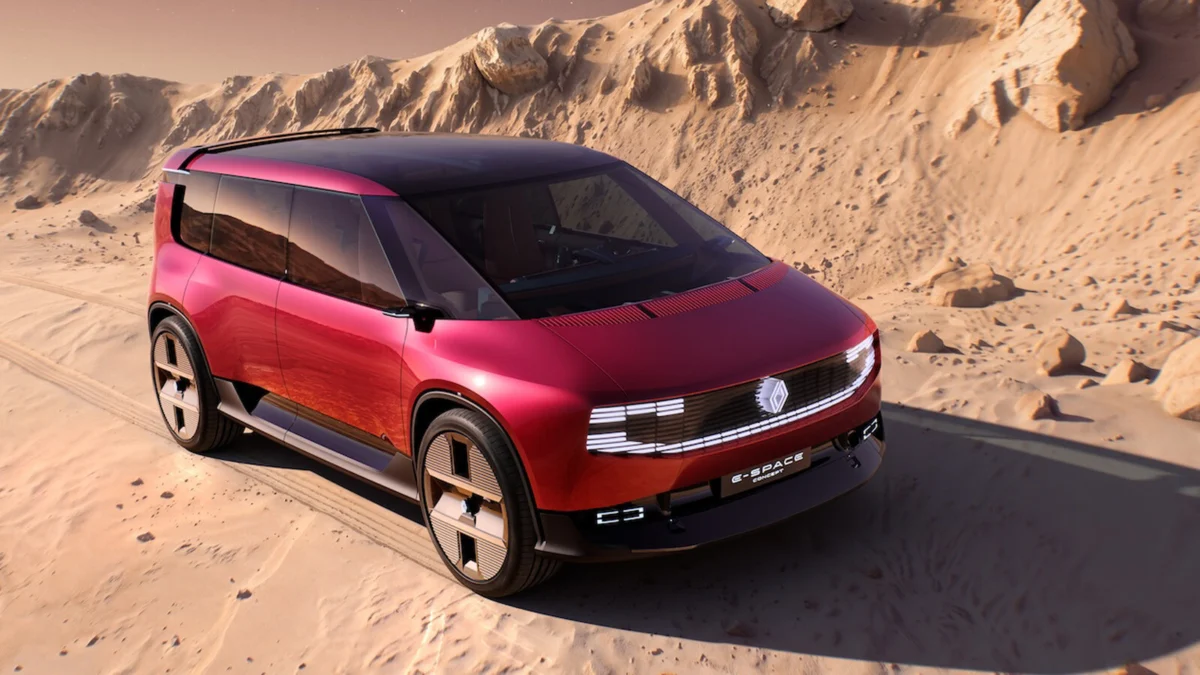
Renault has used its home-field advantage to showcase the Espace concept, a modern interpretation of the 1984 classic. While officially not slated for production, it serves as a "living room on wheels," demonstrating the brand’s commitment to flexible, multi-purpose vehicle (MPV) design.

Supporting Data: The Technical Shift
The technical specifications on display in 2026 highlight a strategic shift toward Lithium-Iron-Phosphate (LFP) batteries. LFP chemistry, while offering lower energy density than NCM (Nickel-Cobalt-Manganese) batteries, provides significant cost advantages and improved cycle life, making them the cornerstone of the new "affordable" EV strategy.

- Smart #2: Features a 60-kW rear motor and a 35.8 kWh LFP battery.
- Renault’s E-Tech Strategy: Renault is standardizing LFP across its range, with capacities ranging from 27.5 kWh (Twingo) to 67 kWh (Scénic). Notably, these batteries now feature "Fireman Access," a safety innovation allowing emergency responders to inject water directly into the battery core during a thermal event.
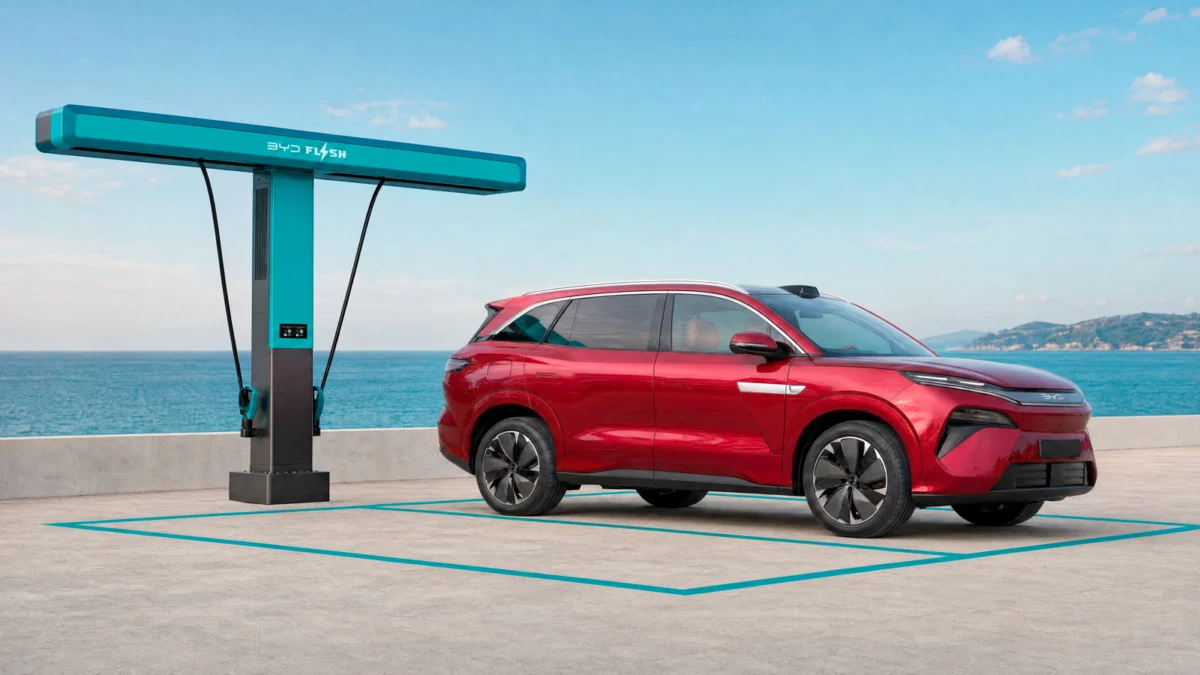
- Charging Performance: The high-end segment is pushing boundaries; the BYD Atto 8 claims a 10% to 97% charge in just nine minutes, utilizing an 115-kWh battery to provide a range of up to 653 km.
Official Responses and Strategic Positioning
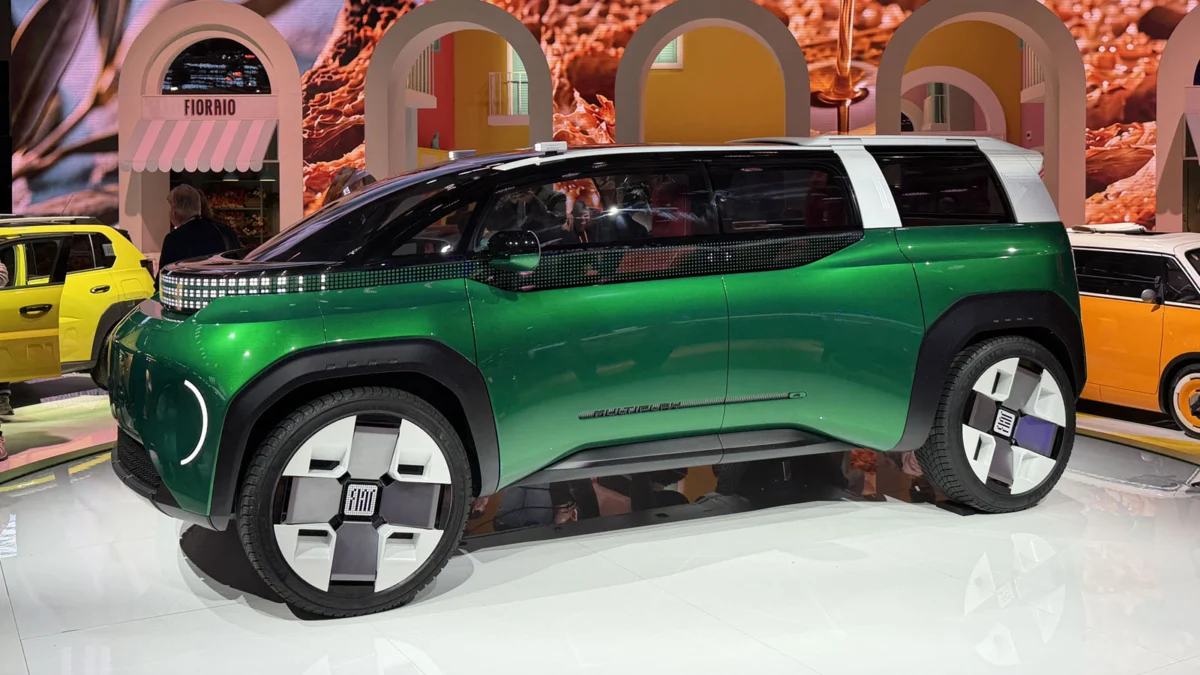
The mood among European executives is one of calculated urgency. Stellantis has displayed an overwhelming presence, representing eight distinct brands including the resurrected DS 3 and the innovative Fiat "Multiplay" concept. The Multiplay, a hybrid between a van and a pickup, serves as an "ideas lab" for the group, signaling that Fiat is looking to reclaim its reputation for clever, space-saving design.

Meanwhile, Chinese manufacturers have matured significantly. Chery’s brand, Omoda, has established a dedicated development center in Raunheim, Germany, to ensure their vehicles meet the specific demands of the European market. Their Omoda 4, developed locally, blends a 1.5-liter turbo-hybrid powertrain with the option of a 67-kWh LFP electric variant, positioning it directly against the stalwarts of the B-segment.

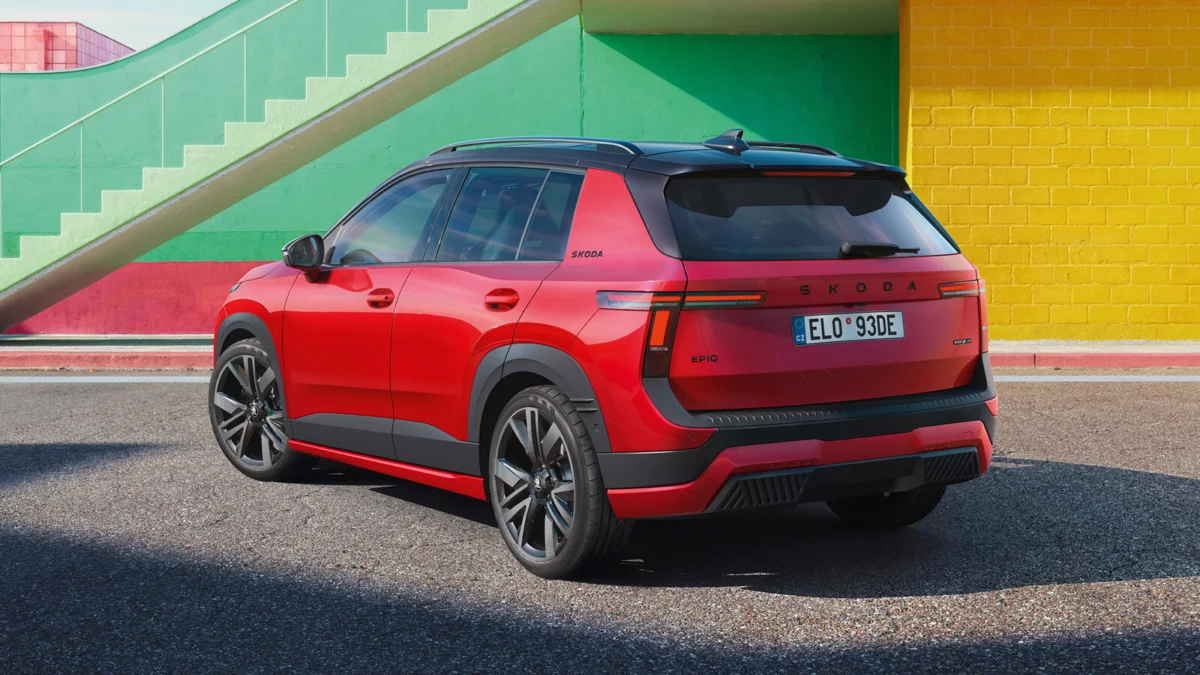
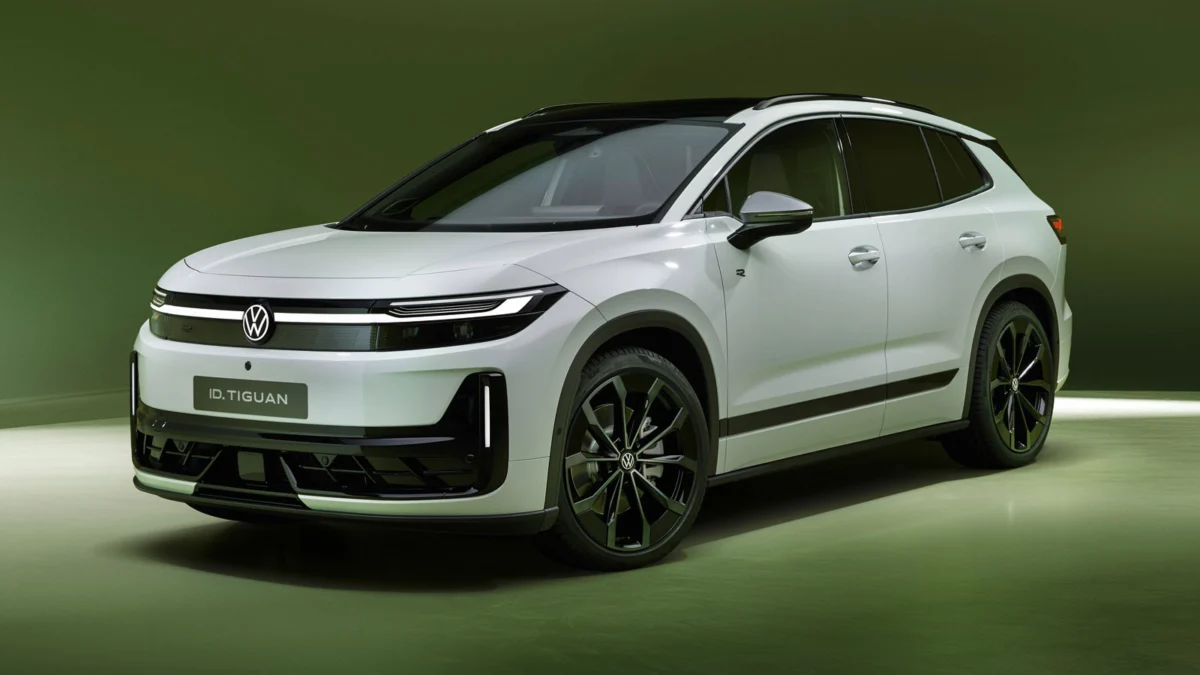
Volkswagen has opted for a unified front, presenting its entire "Urban Electric Family," including the ID. Polo and the Skoda Epiq, side-by-side. This reflects a coordinated effort to streamline production and offer a cohesive entry-level electric portfolio that can compete with the price-aggressive Chinese entrants.

Implications: The Road Ahead
The 2026 Mondial de l’Auto signals three critical implications for the future of the automotive industry:

- The End of the "Luxury-Only" EV Era: The market is finally correcting the supply-side imbalance. With price points starting as low as €15,000 to €20,000, electric mobility is becoming accessible to the mass market. This is no longer a segment for early adopters but a necessity for the average commuter.
- The Integration of Chinese Capital and Design: The influence of Chinese manufacturing is now inextricably linked with European engineering. The lines are blurring; joint ventures and local European development centers have become the standard operating procedure for brands aiming to succeed in the EU.
- Heritage as a Competitive Advantage: European manufacturers are weaponizing their history. By reviving the 2CV, the Espace, and the A2 e-tron, they are leveraging brand loyalty and emotional connection to differentiate themselves from the functional, technology-heavy Chinese startups.
Conclusion
As the dust settles on the exhibition halls, the trajectory is clear. The European car industry is no longer in retreat; it is evolving. By embracing smaller footprints, modular design, and more affordable chemistry, the industry is preparing for a new reality. The challenge for 2027 and beyond will be scaling these concepts from exhibition floors to assembly lines, maintaining profitability while fending off an increasingly sophisticated global competition. The 2026 Paris Motor Show will be remembered as the moment the industry stopped talking about the future of electric cars and finally began delivering them.