By Editorial Staff
September 26, 2026
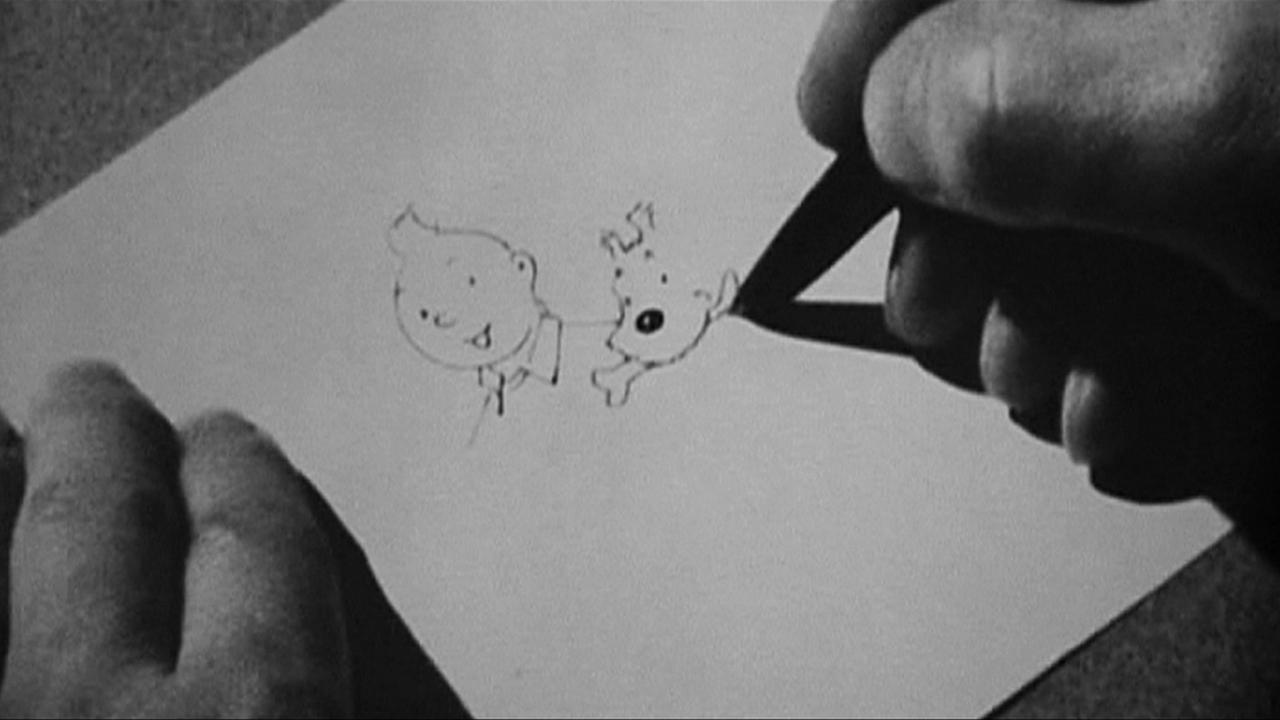
In the pantheon of 20th-century literature, few figures are as instantly recognizable as a young, ginger-haired reporter and his loyal wire fox terrier. Since their inception, The Adventures of Tintin have transcended their origins as a modest Belgian comic strip to become a global cultural phenomenon. Today, September 26, 2026, marks exactly 80 years since the release of the first independent, standalone Tintin volume, a milestone that underscores the enduring power of Georges Remi—better known by his pen name, Hergé—and his indelible creation.
Despite a complex history fraught with political controversy and the eventual freezing of the franchise following the creator’s death, the legacy of Tintin remains as vibrant as ever. With nearly 300 million copies sold across 80 languages and dozens of dialects, the boy reporter is not merely a character; he is a bridge between generations.
The Genesis of a Global Icon: Main Facts
At the heart of the series lies a deceptively simple premise: a courageous, intelligent, and perpetually youthful journalist named Tintin, accompanied by his faithful dog, Snowy (Struppi in German). While the characters existed in serialized form prior to the Second World War, it was the post-war era that solidified their status as literary icons.
The hallmark of the series is not just the adventure, but the rich tapestry of supporting characters who populate Tintin’s world. Among them, Captain Haddock stands as the most memorable. His colorful, nonsensical expletives—such as the famous "Ten thousand thundering typhoons!"—became a cultural touchstone. Hergé famously admitted that he drew inspiration for these outbursts from the market vendors of Brussels, blending the grit of reality with the heightened drama of his illustrations.
The 1946 publication of Prisoners of the Sun (the "Sonnentempel") is often cited by scholars as the pivotal moment when the series moved from serialized newspaper entertainment to a sophisticated, standalone art form. It provided the template for the modern graphic novel: meticulous research, a clear moral compass, and a pacing that demanded the reader’s full attention.
A Chronological Journey: From Wartime Ambiguity to Post-War Triumph
To understand the weight of today’s 80th anniversary, one must examine the timeline of Hergé’s career, which was deeply scarred by the political volatility of 20th-century Europe.
- Pre-1940s: Tintin begins his journey in the pages of Le Petit Vingtième. These early stories were reflective of their time—often colonialist and reflective of the geopolitical biases of the era.
- 1940–1945: During the German occupation of Belgium, Hergé continued to work for the newspaper Le Soir, which was controlled by the occupying forces. This period remains the most contentious chapter of his life, casting a long shadow over his legacy as he faced accusations of collaboration.
- 1946: The turning point. Following the liberation, the launch of the Tintin magazine and the formalization of his publishing house, Éditions du Lombard, marked a new beginning. The release of independent volumes allowed Hergé to refine his "Ligne Claire" (clear line) style, moving away from the gray moral landscape of the war years toward a more universal, heroic narrative.
- 1950s–1970s: The golden age of Tintin. Hergé established the Studios Hergé, employing a team of skilled artists to assist in the increasingly complex backgrounds and research.
- 1983: The death of Hergé. By his own decree, the series came to a definitive end, leaving behind a legacy that would remain untarnished by unauthorized sequels.
Supporting Data: The Scale of the Tintin Empire
The statistics behind The Adventures of Tintin are staggering. What began as a local Belgian endeavor has transformed into a cornerstone of the European publishing industry.
- Global Reach: The books have been translated into 80 languages, including major world languages and numerous regional dialects, ranging from Breton to Bengali.
- Sales Milestones: As of 2026, the global circulation is estimated at 230 million copies. Market analysts from the official Tintin platforms project that the series will hit the 300 million mark within the next few years, fueled by continued interest in the original works and digital accessibility.
- Production Standards: The shift from the cheap, fragile paper of the 1940s to the high-quality, hardcover editions seen today reflects a transition in status. Tintin is no longer just "kids’ stuff"; it is considered a classic of world literature.
The Creator’s Voice: Official Responses and Philosophy
In interviews conducted shortly before his death in 1983, Hergé provided rare insight into why he strictly forbade anyone else from continuing the adventures. In a famous appearance on French television, he articulated a philosophy that transcended commercial greed.
"I have excellent collaborators who do magnificent work—often better than I could do myself," Hergé explained. "But I believe that, in the end, it is something entirely personal. Tintin is, in essence, me. Captain Haddock is me. And because of that, I think it is better this way."
This decision, codified in his will, effectively turned the Tintin collection into a finite, closed body of work. By refusing to allow a "ghostwriter" or a new artist to take the helm, Hergé ensured that his characters remained untainted by the shifting whims of later decades. He recognized that the characters were extensions of his own psyche—his curiosity, his flaws, and his search for morality in a changing world.
The Paradox of the Hero: Implications for Modern Readers
The legacy of Tintin is not without its modern-day critiques. In the 21st century, scholars and activists have scrutinized early volumes for their depictions of non-Western cultures, particularly in Tintin in the Congo. However, the resilience of the character lies in his evolution. Hergé himself grew, eventually producing works like The Blue Lotus, which challenged the prejudices of the era.
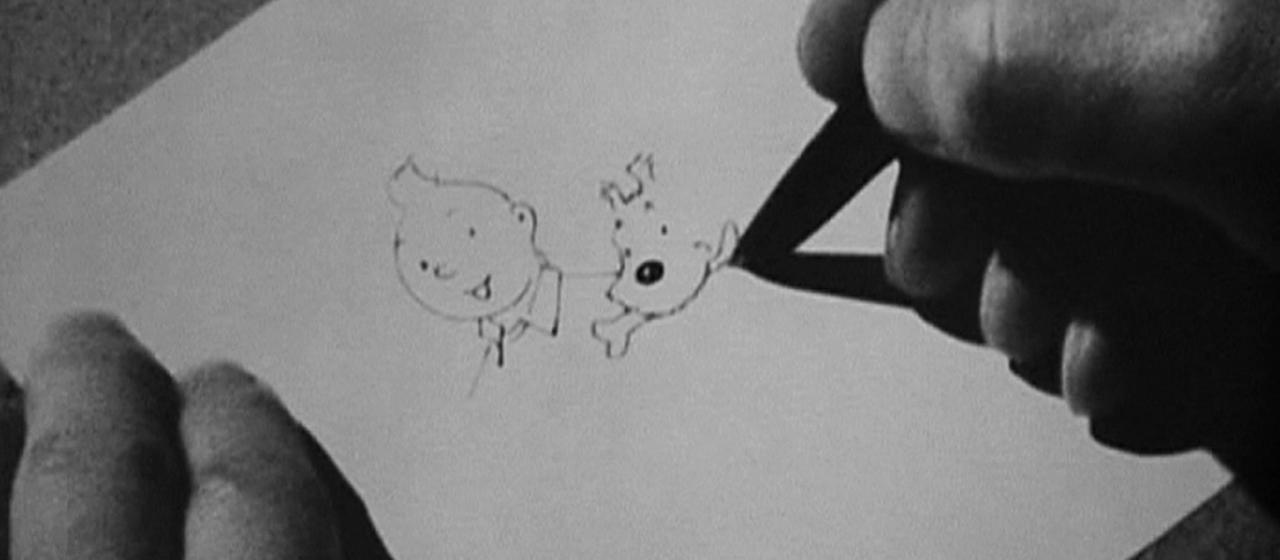
For the contemporary reader, Tintin represents the ultimate "unburdened" hero. As Hergé noted in his later years, "Every child wants to be like Tintin. Children can totally identify with him. That, I believe, is one of the most important reasons for his success."
The implications of this 80th-anniversary celebration are profound. We live in an era where intellectual property is often milked for infinite sequels, reboots, and cinematic universes. In contrast, the Tintin franchise stands as a monument to the integrity of the original author’s vision. By closing the door on new stories, Hergé ensured that his world would remain a pristine record of his own artistic evolution.
Looking Toward the Future
As we mark these eight decades, the focus shifts to preservation. The digitization of the original plates, the restoration of the early black-and-white editions, and the ongoing academic study of Hergé’s "Ligne Claire" technique ensure that Tintin will remain relevant for the next 80 years.
While the world has changed drastically since 1946—moving from the post-war reconstruction of Europe to the hyper-connected digital age—the core appeal of the young reporter remains unchanged. Tintin does not rely on superpowers or supernatural abilities. He relies on his wits, his sense of justice, and the help of his friends. In a world that often feels chaotic and cynical, the simple, clear, and courageous adventures of a boy and his dog continue to offer a beacon of consistency.
As we celebrate this 80-year milestone, we are not just celebrating a comic book. We are celebrating a legacy of artistic dedication, a mirror of 20th-century history, and a timeless reminder that even the most modest of travelers can have the most extraordinary of impacts. The "100,000 thundering typhoons" of Captain Haddock may be a relic of the past, but the spirit of the reporter who braved them is, quite clearly, eternal.