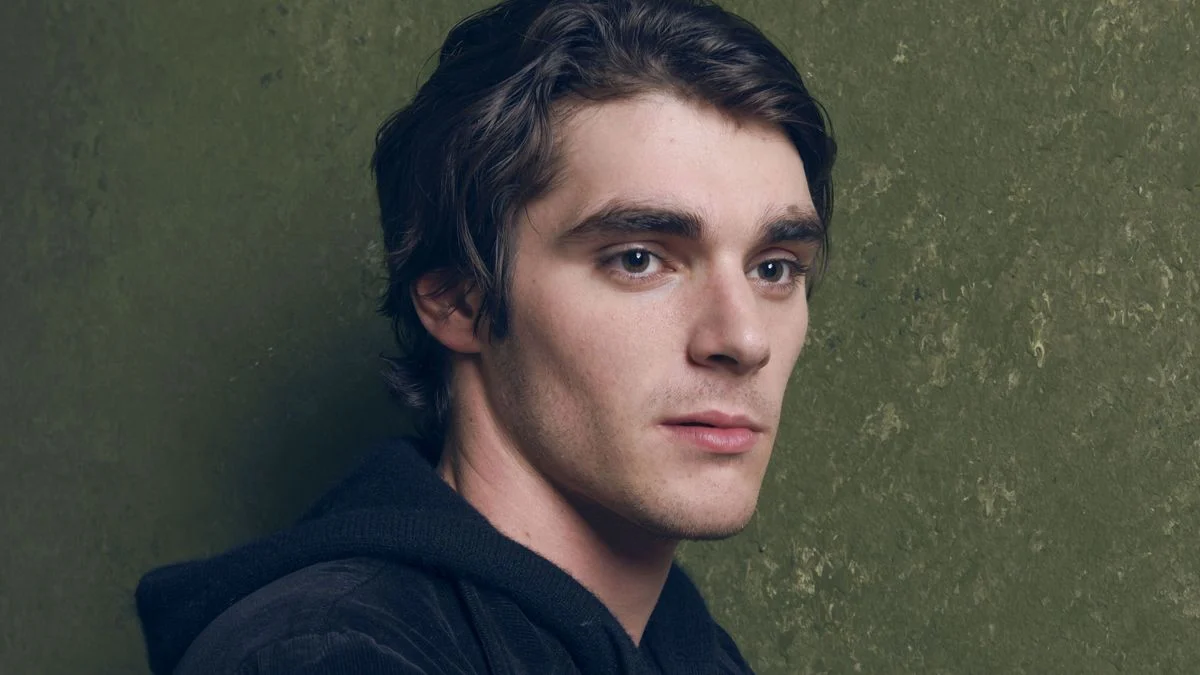
The entertainment industry and advocates for disability rights are in mourning following the sudden and tragic passing of actor RJ Mitte. Known globally for his poignant portrayal of Walter White Jr. in the critically acclaimed series Breaking Bad, Mitte was more than just a television star; he was a trailblazer who challenged the status quo of Hollywood representation. He was 34 years old.
The news was confirmed by his spokesperson in a somber statement released to various American media outlets. While official authorities have not yet released a definitive cause of death, reports from outlets including the New York Times suggest that Mitte was found at his home in Brownsville, Texas, on Monday. While some reports from colleagues and news organizations have speculated that the actor died by suicide, these claims remain unconfirmed by medical examiners or family spokespeople.
A Career Built on Authenticity
Roy Frank Mitte III was born in August 1992 in Jackson, Mississippi. His life was shaped by challenges from his very first moments. Complications during birth led to a lack of oxygen, which resulted in a diagnosis of cerebral palsy at the age of three.
Rather than viewing his condition as a limitation, Mitte utilized his experiences to fuel a career that brought unprecedented visibility to the disability community. His breakout role came in 2008 when he was cast as Walter White Jr. in AMC’s Breaking Bad. For five seasons, Mitte portrayed the son of the series’ protagonist, capturing the complexities of a teenager dealing with his father’s secret life, his own health struggles, and the everyday pressures of adolescence.
His performance was lauded not only for its technical skill but for its raw, lived-in reality. Because Mitte lived with cerebral palsy in real life, he brought a level of nuance and gravity to the character that a neurotypical actor could not have replicated. He became a symbol of representation, proving that actors with disabilities could command the screen in major, award-winning dramas.
Chronology of a Resilient Life
Mitte’s journey was anything but linear. Adopted shortly after his birth, he faced familial upheaval when his adoptive parents separated just two months later. His childhood was defined by a nomadic existence, split between his paternal grandparents’ ranch in Texas and his maternal family’s farm in Louisiana.
The physical hurdles presented by his cerebral palsy required significant dedication. In a 2019 interview with the Sydney Morning Herald, Mitte reflected on his upbringing: "In my childhood, I wore leg braces, but my diagnosis has motivated me to evolve: to work on my body and my mind, and to gain a different perspective on what makes us human and how we treat one another."
His transition into Hollywood was driven by a desire to change perceptions. After moving to Los Angeles, he began landing background roles before his massive success with Breaking Bad. Beyond the silver screen, he pursued a career as a model, often speaking out about the "gaze" of society. In a 2015 interview with SPIEGEL, he remarked, "Unfortunately, people often see the disability first and then the person. I want to help change that."
Advocacy and Philanthropy
Mitte’s legacy extends far beyond his filmography. He was a vocal and passionate advocate for the rights of people with disabilities. His spokesperson noted that Mitte used his platform to create awareness for disability and inclusion, refusing to let the industry pigeonhole him into stereotypical "pity-based" roles.
"With deep sorrow, we announce the tragic passing of our beloved actor, philanthropist, and passionate advocate for the rights of people with disabilities, RJ Mitte," the statement read. "Drawing from his own experiences as a person with cerebral palsy, Mitte lent authenticity to his roles and created a platform for the awareness of disability and inclusion."

He worked tirelessly to bridge the gap between Hollywood’s inclusive rhetoric and its actual casting practices. By participating in fashion shows, speaking at global conferences, and maintaining an active presence in the entertainment community, he forced audiences to confront their own biases.
The Final Days
Tragically, Mitte’s passing comes at a time when he appeared to be looking toward the future. According to Variety, the actor was in the midst of a promotional tour for his latest project, Talking to Strangers. His social media accounts, particularly his X (formerly Twitter) profile, show a man actively engaged with his craft as recently as last week, where he shared clips from red carpet events and podcast interviews.
The juxtaposition of his vibrant, professional activity and his sudden death has left friends, family, and fans in a state of shock. The entertainment community is currently processing the loss of a talent who was widely regarded as grounded, thoughtful, and deeply committed to his peers.
Industry Reactions: A Community in Grief
The outpouring of grief from his Breaking Bad co-stars has been swift and heartfelt. Bryan Cranston, who played Mitte’s on-screen father, expressed deep sorrow over the loss of his "television son." Other cast members, including Aaron Paul and Dean Norris, have shared tributes highlighting Mitte’s kindness, wit, and his unwavering dedication to his craft.
These reactions underscore the tight-knit nature of the Breaking Bad family, a group that spent half a decade creating television history together. For many of his colleagues, Mitte was not just a coworker; he was an inspiration who challenged them to be more aware of the barriers faced by their disabled peers.
Implications for Hollywood and Representation
The death of RJ Mitte serves as a poignant reminder of the work that remains to be done in the entertainment industry. While his success opened doors for other actors with disabilities, the industry still struggles with genuine, systemic inclusion.
Mitte often spoke of the need for "normalization"—the idea that actors with disabilities should be cast in roles where their disability is not the primary narrative focus. He believed that the industry had a responsibility to reflect the world as it actually is: diverse, multifaceted, and inclusive.
His death leaves a void that will be felt for years to come. However, the path he carved—from a boy in Mississippi overcoming physical challenges to an international star challenging social norms—remains a blueprint for future generations. As the industry reflects on his life, the focus shifts to how to honor his memory: by continuing the fight for a screen that looks like the real world, and by treating every individual with the dignity and respect that Mitte championed throughout his 34 years.
In the words of his representatives, RJ Mitte was a "beloved actor and a champion for change." While his time was cut tragically short, the ripples of his advocacy will continue to influence how we view disability, how we cast our stories, and how we understand the strength of the human spirit.