As the tech industry grapples with a persistent and deepening storage crisis, consumers and enterprises alike are facing a harsh reality: the era of affordable memory and storage appears to be a distant memory. With prices for RAM, HDDs, and SSDs continuing their relentless upward trajectory, the market is currently witnessing a historic period of volatility that shows little sign of immediate reversal.
For over a year, the global semiconductor and storage supply chains have been under immense pressure. As of mid-October 2026, the situation has intensified, with the cost of Random Access Memory (RAM) now standing at more than five times the price level recorded prior to the onset of the crisis in September 2025. While mechanical hard drives (HDDs) and Solid-State Drives (SSDs) have seen a slightly more moderate, albeit consistent, increase, their pricing remains locked in a parallel upward trend that continues to burden the hardware sector.
The Anatomy of the Price Surge: A Quantitative Overview
The current market landscape is defined by a clear, data-driven divergence in price escalation. According to the latest tracking data, the "RAMageddon" phenomenon is not merely a localized issue but a systemic shock to the industry.
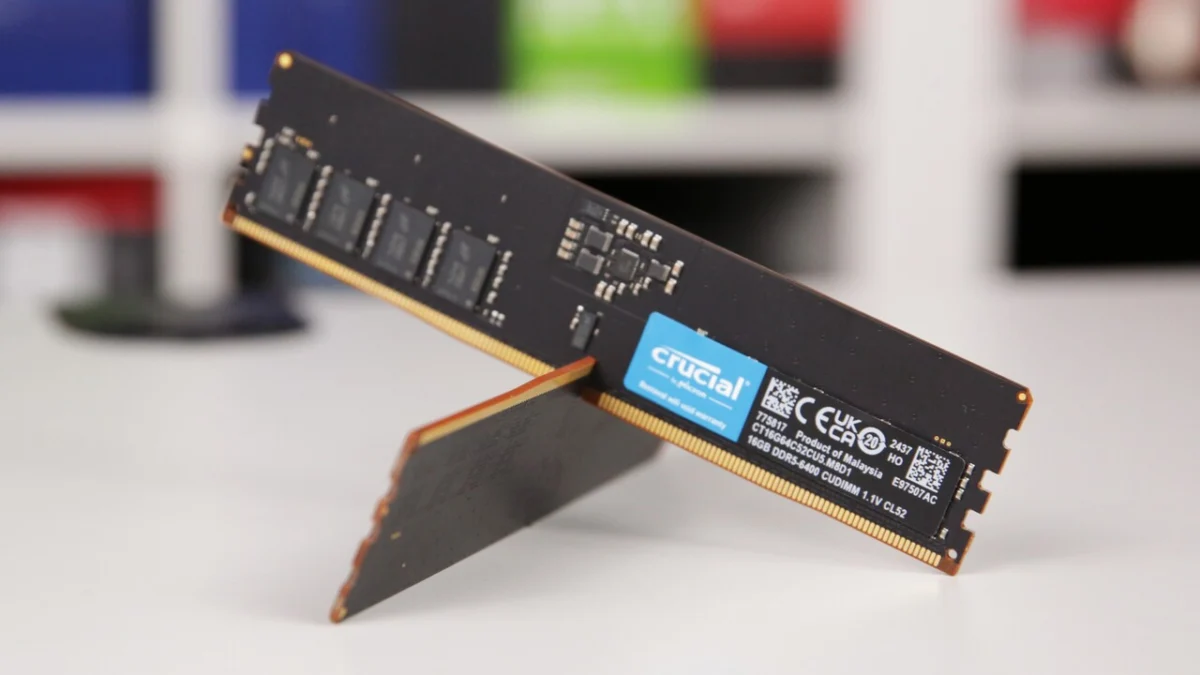
Since the baseline measurement of mid-September 2025, RAM prices have experienced a vertical climb. By mid-October 2026, the average cost for a memory kit has surged past the 500% threshold compared to pre-crisis levels. This astronomical increase is primarily driven by a combination of tight DRAM supply, shifting manufacturing priorities, and lingering logistical bottlenecks.
Conversely, the storage segment—comprising both HDDs and SSDs—has seen a more uniform, yet still significant, rise. Both categories currently sit at a 146% increase relative to their September 2025 values. While this may appear "gentle" compared to the volatility of RAM, it represents a substantial and sustained barrier for consumers looking to upgrade their storage capacity or for data centers expanding their archival capabilities.
Chronology of a Crisis: Twelve Months of Market Turbulence
The past year has been characterized by a volatile tug-of-war between optimistic forecasts and grim market realities. To understand the current climate, one must look at the key events that have defined the last twelve months.
The Clash of Forecasts
Optimism flickered briefly when the CEO of Acer publicly dismissed the possibility of a RAM shortage extending until 2030, labeling such claims as "impossible." This statement provided a much-needed silver lining, suggesting that the supply chain might eventually find equilibrium. However, this sentiment was quickly dampened by industry analysts who pointed to a looming "kollaps" (collapse) in PC and smartphone sales. The logic is cyclical: as hardware prices rise, demand for new devices plummets, leading to inventory hoarding and further price instability for the underlying components like DRAM and NAND flash.
Industrial Responses and Strategic Maneuvers
On the production front, companies are scrambling to adapt. Toshiba has made headlines with a strategic commitment to double its HDD production capacity by March 2028, aiming to push the boundaries of storage density with 65 TB drives. While this long-term investment is promising, the immediate present is marked by intense competition. A fierce struggle has broken out between industry giants Seagate and Toshiba over the procurement of TDK’s specialized magnetic heads—a critical bottleneck in the production of high-capacity hard drives.
Software as a Mitigation Strategy
As hardware becomes prohibitively expensive, the focus has shifted toward efficiency. Microsoft has explicitly stated that reducing the RAM footprint of Windows 11 is now a top priority. This "RAMageddon" mitigation strategy acknowledges that if the hardware cannot be bought, the software must be optimized to run on the aging hardware currently in the field.
Methodology: Tracking the Pulse of the Market
To ensure the integrity of these findings, our analysis is based on a rigorous selection of the twelve most popular storage products from mid-September 2025. By focusing on consumer-facing online retail platforms, we track the percentage increase of these specific items to derive a comprehensive market average.
The "Scalper" Phenomenon and Market Integrity
A concerning development in recent months is the saturation of retail platforms by smaller, previously unknown sellers—often found on marketplaces like eBay. Evidence suggests these actors may be "scalping" inventory, buying up stock during the early phases of the crisis to capitalize on the subsequent price hikes.
To maintain the accuracy of our data, we have deliberately excluded eBay and Amazon Marketplace listings from our primary analysis. These platforms often harbor significant price discrepancies and carry a higher risk of counterfeit or substandard goods, which would artificially skew the trends. By focusing on reputable, established online retailers, we provide a clearer picture of the legitimate market shift rather than the speculative secondary market.
The Broader Implications: What Does This Mean for the Future?
The sustained surge in memory and storage costs is forcing a structural change in the tech ecosystem.
- Consumer Behavior: The ComputerBase community’s recent surveys indicate that a significant portion of the user base has ceased hardware upgrades entirely. The "wait-and-see" approach has become the default, leading to an aging global PC install base.
- Enterprise Spending: For businesses, the cost of data storage has become a primary line item in IT budgets. The drive toward high-capacity storage is no longer just a technical requirement but a major financial hurdle.
- The "New Normal": With memory manufacturers focusing on high-margin, specialized AI-related memory (like HBM), the supply for traditional DDR and NAND products is unlikely to return to pre-2025 levels anytime soon. The scarcity is, in part, a side effect of the AI boom, which prioritizes different types of memory architectures over consumer-grade components.
Conclusion: Navigating the RAMageddon
As we move toward the end of 2026, the "RAMageddon" crisis remains a central narrative in the technology sector. The interplay of component shortages, geopolitical tensions in the supply chain, and the rapid evolution of software demands creates a complex environment for both producers and consumers.
While manufacturers like Toshiba and others are taking steps to expand production, the lead times for such massive industrial scaling are measured in years, not months. For the average user, this means that the premium on system memory and storage is likely to persist. Whether this is a temporary bottleneck or a permanent shift toward higher-priced components remains the subject of intense debate among industry experts.
For now, the advice remains the same: monitor the market closely, prioritize software-level efficiency where possible, and be wary of third-party sellers promising "deals" in a market where the baseline cost continues to defy traditional economic gravity. For ongoing updates and community-driven insights, readers are encouraged to follow the "RAMageddon" thematic page, which continues to document this historic period of technological history.