Executive Summary
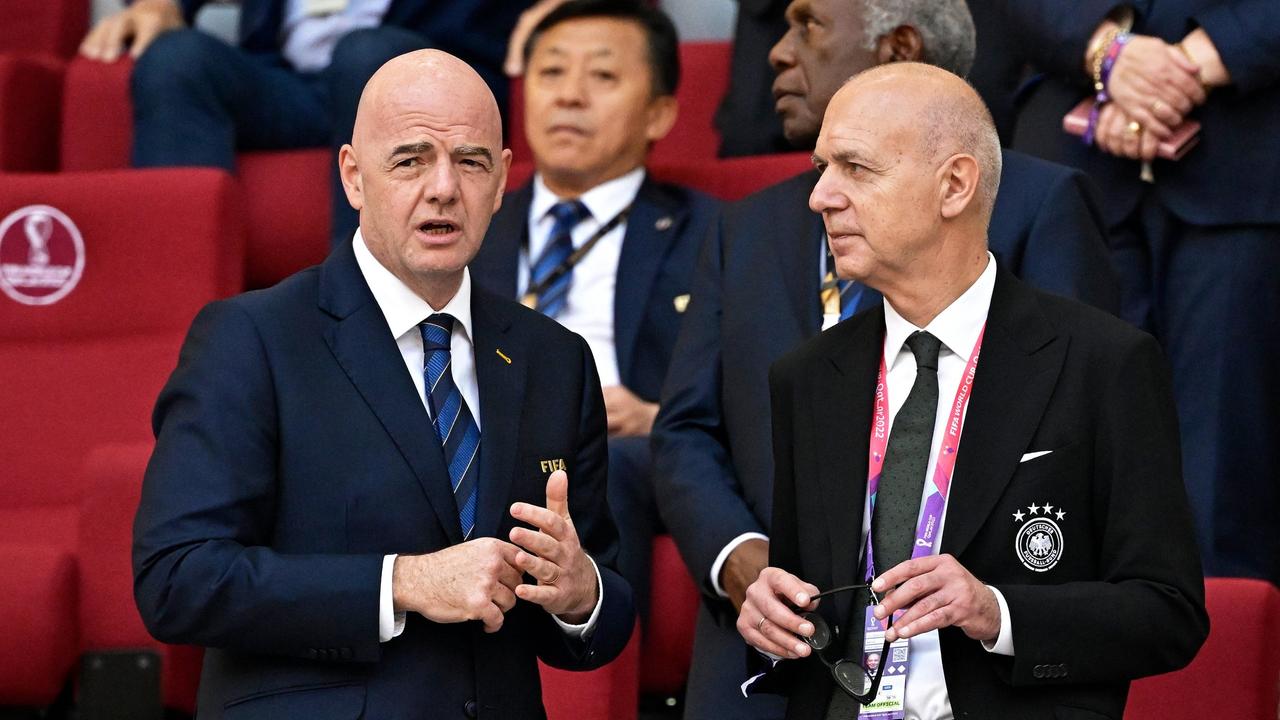
The governing body of world football, FIFA, finds itself mired in a deepening internal crisis. Following a high-stakes, three-and-a-half-hour meeting of the FIFA Council in Zurich, a coalition of European football officials—led by German Football Association (DFB) President Bernd Neuendorf—has formally reaffirmed its demand for the resignation of FIFA President Gianni Infantino. Despite an attempt by Infantino to mitigate tensions through a formal apology, the European delegation remains unconvinced, citing a profound lack of transparency, insufficient answers to critical governance queries, and a "thin" record of substantive reform. The standoff sets the stage for a dramatic lead-up to the March 2027 FIFA presidential election, as Europe searches for a credible alternative to challenge the incumbent.
1. The Core Conflict: A Deficit of Trust
The friction between the European football confederations and FIFA’s leadership reached a boiling point following Infantino’s unilateral push for a controversial World Cup investor plan earlier this summer. The proposal, which sought to inject private equity into the tournament’s structure, bypassed traditional democratic consultation processes, triggering widespread alarm among national associations regarding the long-term commercial autonomy of the game.
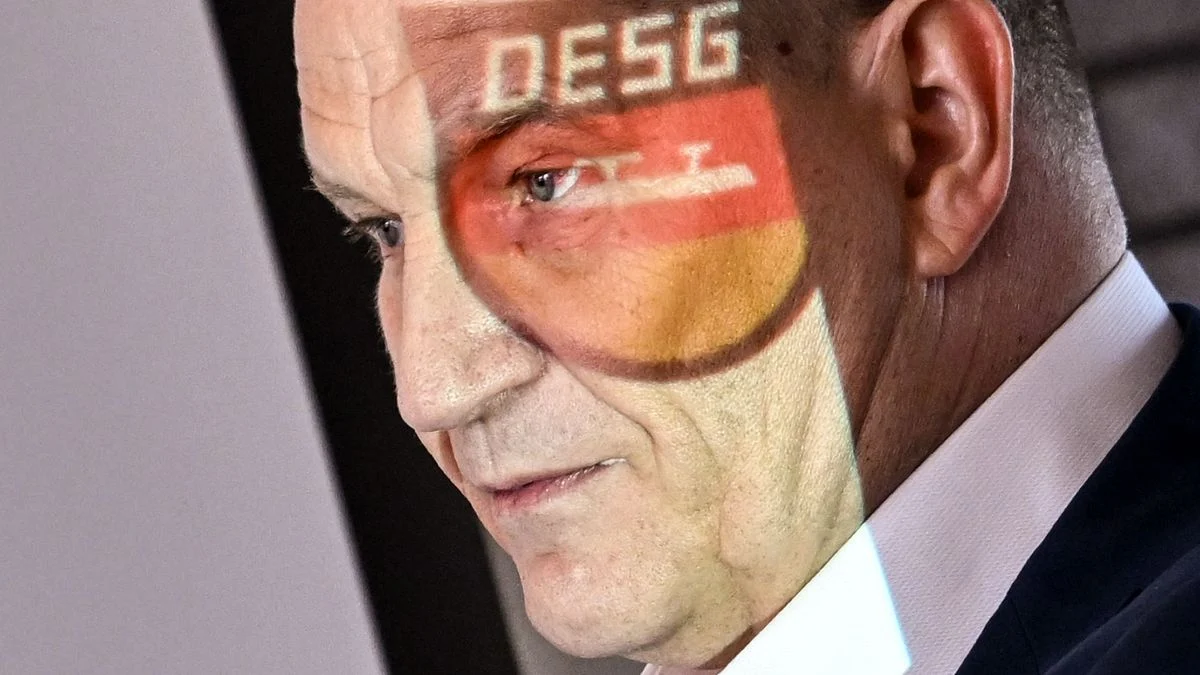
During the Zurich Council meeting, European representatives arrived with a dossier of pointed questions regarding the decision-making processes that led to the proposal. However, according to DFB President Bernd Neuendorf, the dialogue failed to bridge the ideological chasm. "We have posed numerous critical questions, but from my perspective, there have been no satisfactory answers," Neuendorf stated following the conclusion of the session.
For the European bloc, the issue is not merely the content of the investor plan, but the precedent it sets. They argue that the current governance structure grants the FIFA President excessive leeway to initiate sweeping changes without robust institutional checks, effectively centralizing power at the expense of member associations.
2. Chronology of the Discontent
To understand the current impasse, one must look at the timeline of events leading up to this week’s confrontation:
- Summer 2026: Gianni Infantino introduces an unexpected and highly controversial "World Cup Investor Plan," aiming to secure massive private funding for future tournaments. The lack of prior consultation with UEFA and other regional bodies triggers immediate backlash.
- Late Summer 2026: Public criticism grows. European associations, led by the DFB, signal that their support for Infantino’s leadership has evaporated. Calls for a transition in leadership begin to circulate in private diplomatic circles.
- October 15, 2026: The FIFA Council convenes in Zurich. The meeting is marked by high tensions as European officials demand a full accounting of the investor proposal and other governance irregularities.
- October 15, 2026 (Evening): Despite an apology from Infantino, the European coalition issues a statement confirming they remain committed to finding a challenger for the 2027 election.
- Upcoming – November 18, 2026: The deadline for potential presidential candidates to formally declare their intent to challenge for the FIFA presidency.
- Upcoming – December 16, 2026: A follow-up Council meeting is scheduled in Doha, Qatar, where further governance reforms and the status of the FIFA Peace Prize will be debated.
3. The Search for a Challenger: The November Deadline
The clock is ticking for the anti-Infantino coalition. With the nomination deadline set for November 18, 2026, European officials are engaged in a frantic search for a candidate who can command the support of a global coalition, not just European members.
"The trust in him is lost," Neuendorf noted, articulating the sentiment of his colleagues. "We need new people, new ideas, and we must determine how we can place this organization—which is vital for world football—on a serious, sustainable foundation."
The challenge for the European bloc is immense. FIFA’s power base spans 211 national associations across six confederations. While Europe provides a significant portion of FIFA’s revenue, the voting power is distributed equally among all member nations. Securing a victory against an incumbent with deep roots in Africa, Asia, and the Americas requires a candidate who can offer a vision that transcends regional European interests.
4. Institutional Reform: The Sheikh Salman Working Group
In a concession aimed at cooling the political heat, the Council approved the formation of a specialized working group tasked with reviewing FIFA’s governance structure. The group is to be headed by FIFA Vice-President Sheikh Salman Bin Ebrahim al Khalifa.
The objective of this group is clear: to institutionalize safeguards that prevent the "lone wolf" tactics utilized by the President in the past. By creating a framework where major strategic pivots require mandatory approval from the Council or an independent oversight committee, the reforms aim to strip the presidency of its unilateral authority.
However, critics remain skeptical. There is a prevailing fear that such working groups are often used as bureaucratic stall tactics, designed to create the appearance of progress while leaving the actual power dynamics unchanged until after the 2027 election.
5. Financial Incentives and Policy Shifts
Infantino, seemingly aware of his precarious position, attempted to sweeten the mood by proposing a significant increase in annual financial grants to all 211 national associations. The proposal, which would raise the annual payout from roughly $10 million to approximately $25 million per member, is viewed by many analysts as a strategic move to shore up support in smaller footballing nations that rely heavily on FIFA funding.
While the financial injection is undeniably popular, it has also sparked accusations of "financial populism." Critics argue that the timing of the announcement—coming just as the pressure for his resignation reached its peak—is a clear attempt to buy loyalty and distract from the ongoing governance crisis.
The "Peace Prize" Controversy
Among the items under scrutiny is the FIFA Peace Prize. The award, which was notably bestowed upon former U.S. President Donald Trump in a move that drew widespread international ridicule, is now officially "under review." The Council is expected to define new, more rigorous criteria for the award by the December meeting in Doha. This move is widely seen as an attempt to distance FIFA from the perception that its accolades are being used as political leverage or personal vanity projects.
The Red Card Reversal
Another point of friction addressed during the session involved the disciplinary process. Following the controversy surrounding the suspension of U.S. player Folarin Balogun—which was perceived by many as having been influenced by direct intervention from the highest levels of FIFA and external political figures—there had been a push for a rigid, non-appealable disciplinary system.
However, according to FIFA Vice-President Debbie Hewitt, the proposal to ban all appeals against the minimum one-match suspension for red cards was ultimately rejected. The decision to maintain the status quo suggests a lack of consensus on how to reform the disciplinary arm of the organization without compromising the rights of players to a fair review.
6. Implications for the Future of Global Football
The current impasse represents a pivotal moment in the history of the sport. FIFA is a multibillion-dollar enterprise that manages the world’s most popular game; however, its legitimacy rests on the perception that it is governed with integrity and fairness.
If the European bloc fails to field a viable candidate, or if the reform process stalls, FIFA risks a fracturing of its internal unity. Some analysts have floated the possibility of a "Tier 2" governance model, where major footballing nations might demand greater autonomy or threaten to withhold participation in certain FIFA-controlled commercial initiatives.
Conversely, if the coalition succeeds in ousting Infantino, they face the monumental task of rebuilding trust with the global south, who have largely benefited from Infantino’s redistribution of wealth. The next several months will be defined by backroom negotiations, intense lobbying, and the potential emergence of a new generation of football administrators who promise a return to a more transparent, consultative, and less presidential-centric model.
As Bernd Neuendorf and his allies prepare for the next steps, one thing is certain: the era of Gianni Infantino’s unquestioned rule has come to an end. Whether this leads to a peaceful transition or a bitter, protracted power struggle will depend on the resolve of the member nations over the next two months. The world of football, and its millions of fans, will be watching Zurich and Doha closely as the clock counts down to the 2027 election.