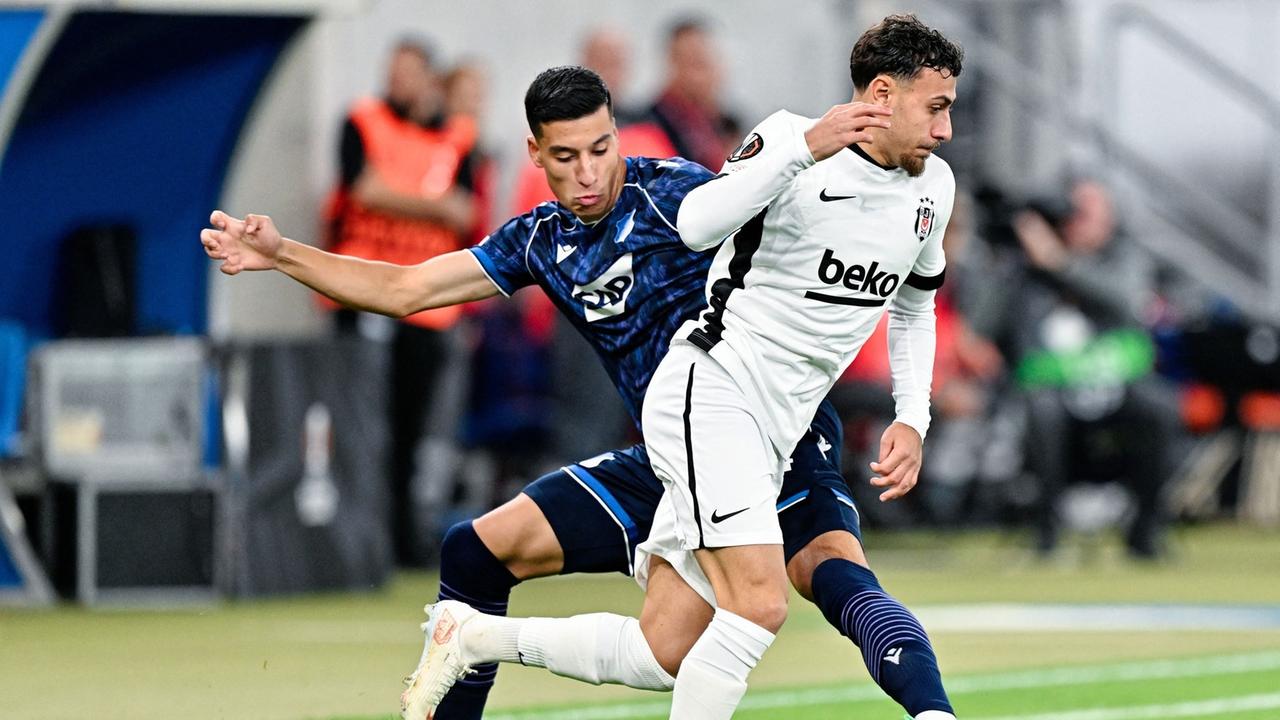
SINSHEIM – The floodlights at the Sinsheimer Arena, usually a beacon of hope for TSG Hoffenheim, cast a long shadow on Thursday night. In a high-stakes encounter that felt more like a hostile away fixture due to the overwhelming presence of the visiting faithful, Hoffenheim succumbed to a 2-3 defeat against a ruthless Besiktas JK. This loss marks a deepening crisis for Christian Ilzer’s side, who find themselves winless and searching for answers after two rounds of the UEFA Europa League.
Despite flashes of individual brilliance and a commendable display of character in the second half, the Kraichgau club’s inability to translate momentum into points has become a recurring theme in a season defined by fragility.
The Core Facts: A Night of Frustration
The statistical reality of the match reflects a team that is competing but failing to capitalize on crucial moments. While Hoffenheim matched Besiktas in terms of intensity and effort, the visitors were clinical when it mattered most.
- Final Score: TSG Hoffenheim 2-3 Besiktas JK
- Venue: Sinsheimer Arena, Sinsheim
- Attendance: 28,632 (Sold out, with an estimated 18,000 Besiktas supporters)
- Goalscorers:
- Besiktas: Michael Murillo (60’), Hyeon-gyu Oh (72’, 79’)
- Hoffenheim: Fisnik Asllani (68’), Koki Machida (87’)
- Context: Hoffenheim remains at the bottom of their group following an earlier 0-2 defeat to their opponents on the island of Crete, putting immense pressure on the coaching staff.
A Chronology of the Sinsheim Defeat
The Early Promise
The match began with a deceptive sense of optimism. Hoffenheim, looking to shake off the malaise of a poor domestic run, started with high energy. Within the first three minutes, a perfectly floated free-kick from Wouter Burger found its way to Bernardo, who teed up Koki Machida. The defender’s header seemed destined for the back of the net, but the post intervened, denying the hosts an early lead that might have changed the entire complexion of the evening.
For the first fifteen minutes, the Sinsheimer Arena felt like a genuine fortress. The midfield functioned with cohesion, and the defensive line maintained a disciplined shape. Besiktas, however, weathered the storm. By the midpoint of the first half, the momentum began to shift. The visitors, spurred on by a deafening wall of sound from their traveling fans, began to exploit spaces in the Hoffenheim half. Ozan Kabak was forced into a crucial, perfectly timed tackle to stop a surging breakaway, signaling that the tide was turning.
The Turning Point: The Second Half
The halftime interval did little to stem the tide. Hoffenheim returned to the pitch looking disjointed, lacking the conviction required at the European level. The lack of confidence—a byproduct of a three-game losing streak across all competitions—was palpable.
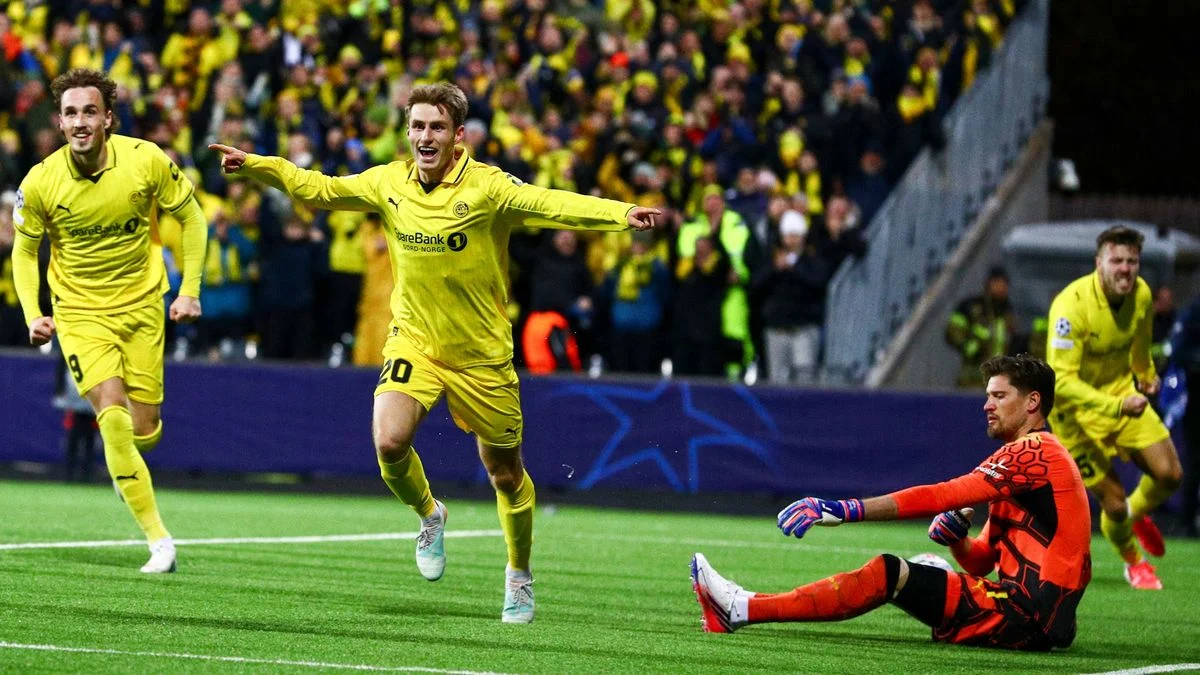
The breakthrough came at the hour mark. Following a cleverly worked short corner, Michael Murillo found space inside the box and hammered the ball home, silencing the home section and sending the thousands of Besiktas fans into a frenzy.
The Rollercoaster Finish
Hope flickered briefly for the home side in the 68th minute. Fisnik Asllani, who had been a nuisance for the Besiktas backline, produced a moment of individual brilliance. Dribbling through a crowded penalty area, he slotted a precise, low finish into the bottom corner. At 1-1, the atmosphere in the stadium became electric.
But that optimism was short-lived. Just four minutes later, the defensive lapses that have plagued Hoffenheim this season resurfaced. A sloppy error following an own-half throw-in allowed Besiktas to launch a surgical counter-attack, finished clinically by Hyeon-gyu Oh.
Oh was not done. In the 79th minute, he doubled his tally, effectively putting the game out of reach at 3-1. While Koki Machida provided a late consolation in the 87th minute, it was too little, too late. The final whistle confirmed a 2-3 defeat—Hoffenheim’s sixth loss in seven competitive matches.
Analytical Perspective: Why the Collapse?
To understand why a team of Hoffenheim’s caliber is struggling, one must look at the intersection of tactical discipline and psychological fragility.
The "Last Quincunx" Problem
TSG goalkeeper Oliver Baumann, a veteran of the Bundesliga, offered a stark assessment post-match: "We are making life difficult for ourselves." His sentiment is echoed by the data. Hoffenheim frequently wins the battle for possession and territory but fails to convert high-value chances.
As goalscorer Fisnik Asllani noted, the team is missing that "last quincunx"—the final ounce of composure or the final bit of luck required to close out a game. When the scoreline is level, the team’s defensive structure often crumbles under pressure, leading to the rapid-fire goals conceded against Besiktas.
Defensive Vulnerabilities
The statistics reveal that Hoffenheim’s defensive transitions are currently the team’s greatest liability. The reliance on fullbacks to push high up the pitch leaves the center-backs exposed. Against an agile, counter-attacking side like Besiktas, these gaps were exploited mercilessly. The second and third goals were classic examples of a team over-committing, failing to track back, and allowing a striker like Oh too much time in the "red zone."
Official Responses and Tactical Adjustments
Christian Ilzer, head coach of TSG Hoffenheim, faces his toughest test since taking the reins. During his post-match press conference, he avoided scapegoating individual players, instead focusing on the collective mental block.
"We played with heart, but heart without tactical rigor is not enough at this level," Ilzer stated. "The goals we conceded were avoidable, born out of individual mistakes that we cannot afford in the Europa League. We have to look at the upcoming schedule and find a way to stabilize the ship immediately."
When asked about the influence of the crowd, Ilzer admitted that the atmosphere felt daunting. "When you have 18,000 away fans in your own stadium, you have to be mentally stronger. We lacked that resilience in the final twenty minutes."
Implications: The Road Ahead
The defeat leaves Hoffenheim in a precarious position. In European football, two consecutive losses in a league-phase format often spell the end of knockout aspirations unless an immediate turnaround occurs.
A Critical Seven Days
The next week will define the trajectory of the season. On Sunday, October 18, Hoffenheim travels to face Borussia Mönchengladbach. A loss against the current Bundesliga bottom-feeders could spell disaster for the club’s morale and potentially place Ilzer’s position under review.
Following the league fixture, the focus shifts back to the Europa League, where they face a daunting trip to face Olympique Lyon on October 22. Lyon, a European heavyweight, will provide a stern test of whether Hoffenheim has the defensive resolve to survive in high-pressure environments.
The Path to Redemption
For Hoffenheim to climb out of this hole, three things must happen:
- Defensive Consolidation: The backline must prioritize clean sheets over attacking output for the next two games to rebuild confidence.
- Psychological Recovery: The club needs to address the recurring trend of "losing the head" after conceding the first goal.
- Clinical Efficiency: As Asllani suggested, the team must prioritize finishing. Creating chances is no longer enough; the conversion rate must rise to at least 25% to compete with the quality of teams currently in their group.
The Sinsheimer Arena may have been silent on Thursday night, but the echoes of this defeat will resonate for some time. Whether this serves as a wake-up call or the beginning of a prolonged decline depends entirely on how the squad responds in the coming days. The margin for error has effectively vanished.