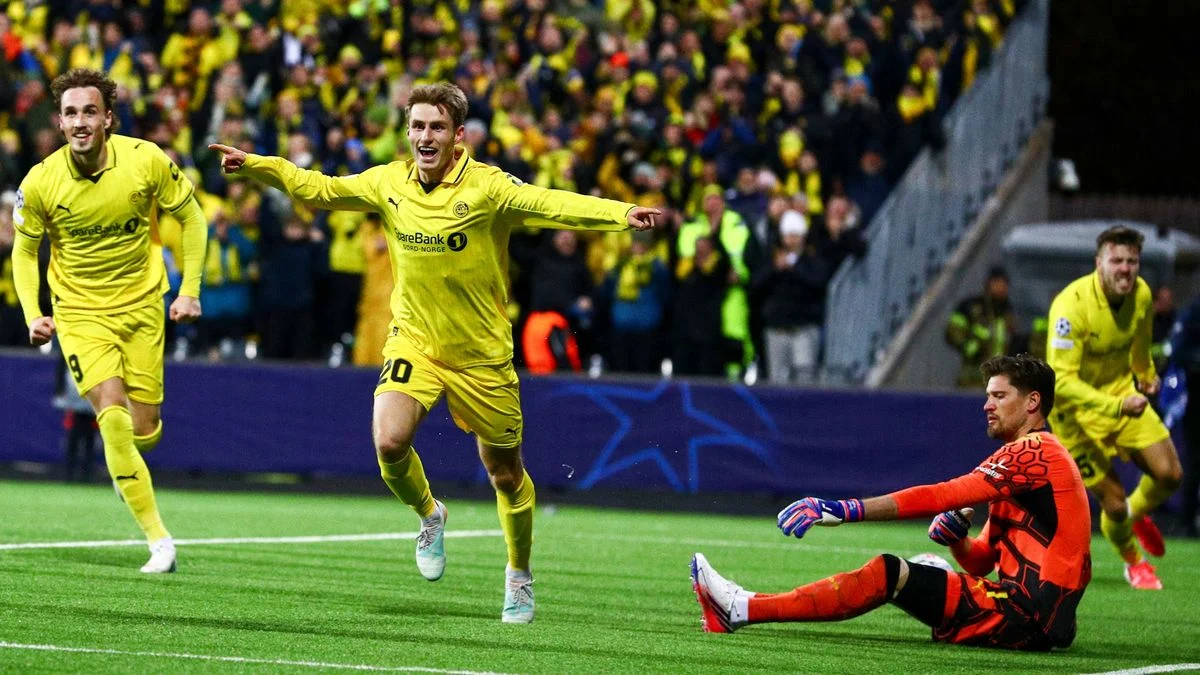
The European football landscape was shaken to its core on a frigid Tuesday night as Borussia Dortmund, a perennial titan of the UEFA Champions League, succumbed to a humbling 2-1 defeat against the plucky Norwegian champions, Bodø/Glimt. Played under the artificial turf lights of the Aspmyra Stadion, deep within the Arctic Circle, the match served as a stark reminder that in modern football, pedigree often falters against tactical discipline and atmospheric adversity.
The Main Facts: A Night of Disillusionment for the BVB
For Borussia Dortmund, the trip to Bodø was supposed to be a straightforward exercise in continental consolidation. With a squad valued in the hundreds of millions and a history of deep runs in Europe’s elite competition, the Bundesliga side arrived in Norway as the heavy favorites. Yet, the final whistle signaled a result that will be etched into the annals of Champions League "giant-killings."
The defeat leaves Dortmund’s progression path in the group stage significantly more perilous. While the tactical setup by the BVB management was intended to neutralize the home side’s high-pressing game, the execution was fundamentally flawed. Bodø/Glimt, playing with a level of intensity that belied their underdog status, managed to exploit the gaps in Dortmund’s high defensive line, punishing the German giants with clinical precision on the counter-attack.
Chronology: How the Upset Unfolded
The First Half: Tension and Technical Struggles
From the opening whistle, the conditions were a primary protagonist. Temperatures hovered near freezing, and the artificial surface appeared to catch the Dortmund defenders off guard. The German side struggled to find their rhythm, their passes often zipping faster than expected across the synthetic grass.
Bodø/Glimt seized the initiative early. By the 22nd minute, the home side had already rattled the woodwork, sending a warning signal to the visitors. Dortmund’s breakthrough eventually came against the run of play in the 38th minute, with a moment of individual brilliance from their star forward, who buried a clinical strike into the bottom corner. It seemed the natural order had been restored—until the final minutes of the half, when a defensive lapse allowed Bodø to equalize, sending the teams into the tunnel at 1-1.
The Second Half: The Arctic Turn
The second half saw Dortmund retreat into a more defensive posture, looking to soak up pressure and hit on the break. However, Bodø/Glimt refused to sit back. Their manager’s tactical adjustments pushed the wingbacks higher, isolating the Dortmund fullbacks. The winning goal arrived in the 74th minute, a sweeping team move that ended with a thunderous strike past the Dortmund goalkeeper. Despite a desperate, late-game siege by the visitors, the Norwegian defensive wall held firm, aided by a heroic performance from their goalkeeper in stoppage time.
Supporting Data: By the Numbers
To understand the scale of the upset, one must look at the statistical discrepancy between the two sides.
- Possession: Dortmund maintained 62% of the ball, a testament to their dominance in the middle third.
- Expected Goals (xG): Despite the loss, Dortmund’s xG was 1.84 compared to Bodø/Glimt’s 1.12, indicating that the visitors created high-quality chances but failed to convert when it mattered most.
- Sprints and Intensity: Bodø/Glimt out-ran their opponents by a margin of 7 kilometers collectively, highlighting the work-rate gap that proved decisive in the final 20 minutes.
- Dueling Success: The Norwegian side won 58% of all aerial and ground duels, a statistic that underscores the physical battle that Dortmund was consistently losing in the second half.
Official Responses: Contrition and Celebration
The Dortmund Camp: "A Wake-Up Call"
In the post-match press conference, the Dortmund head coach was visibly frustrated. "We underestimated the intensity and the conditions," he remarked. "When you play at this level, if you are not at 100 percent, you get punished. We lacked the clinical edge that defines a Champions League team. This is a painful lesson, but it is one we must learn before the return leg."
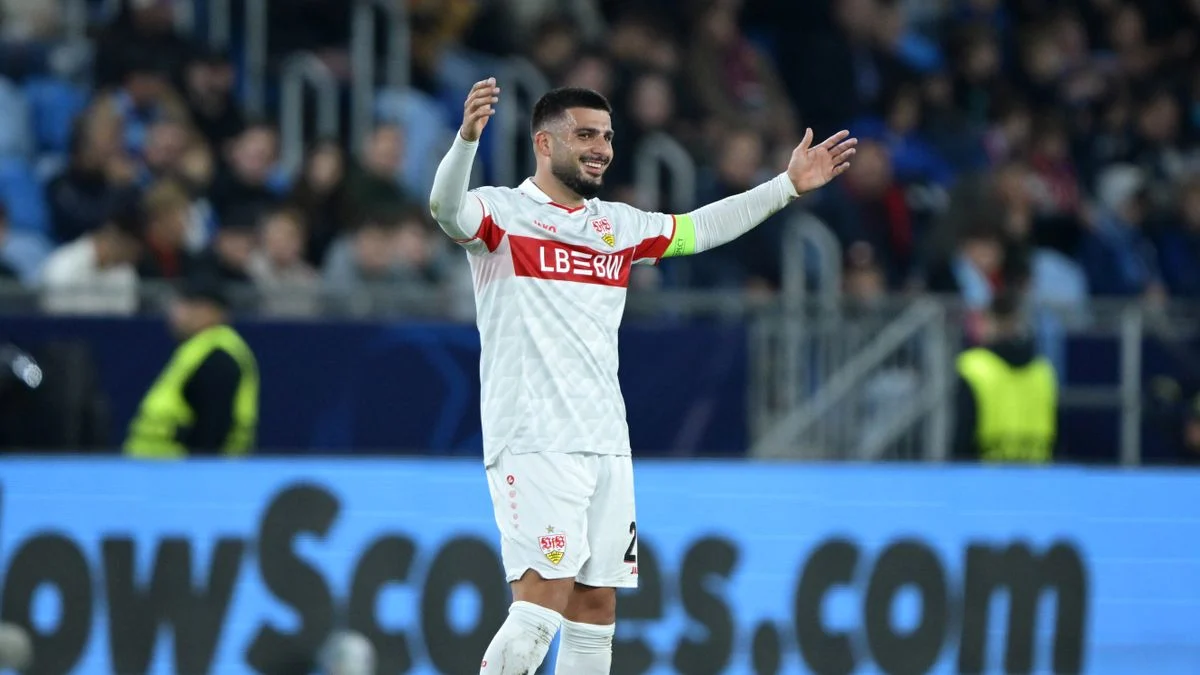
The team captain, speaking to the media, echoed these sentiments, admitting that the squad failed to adapt to the artificial pitch and the aggressive, man-to-man marking scheme employed by the Norwegians.
The Bodø Perspective: "A Historic Night"
For the Bodø/Glimt manager, the win was the culmination of a long-term project. "We showed tonight that we belong on this stage," he told reporters. "We didn’t change our philosophy because we were playing Dortmund. We trusted our system, we trusted our fitness, and most importantly, we trusted each other. To beat a club with the history of Dortmund is a moment the city of Bodø will never forget."
Implications: The Road Ahead
Impact on Group Standings
The result creates a "Group of Death" scenario. With Dortmund dropping points, the top of the table has become incredibly congested. A win for the other group contenders in their respective matches now puts Dortmund in a position where they must secure at least four points from their final two games to guarantee a spot in the knockout stages. The pressure will be immense when the team returns to the Signal Iduna Park for their next European encounter.
Tactical Re-evaluation for BVB
The defeat exposes a recurring vulnerability in the current Dortmund setup: an inability to handle high-pressing, physically imposing teams on the road. The reliance on individual brilliance to unlock defenses has proven insufficient against well-drilled sides. Fans and pundits alike are calling for a more pragmatic approach in away games, suggesting that the team’s "all-out attack" philosophy may need a temporary pivot to ensure defensive stability in high-stakes environments.
The Rise of the "Small" Nations
Finally, this match serves as a broader commentary on the evolution of European football. The gap between the traditional elite and the domestic champions of smaller leagues is closing. Improved scouting, advanced analytics, and the widespread adoption of high-intensity tactical systems have allowed clubs like Bodø/Glimt to compete on equal footing with European royalty. The "Champions League" is becoming less about historical prestige and more about the immediate tactical reality of the 90 minutes played on the pitch.
Conclusion: A Turning Point?
Borussia Dortmund leaves the Arctic Circle with more than just a bruise to their reputation. They leave with a series of questions that the coaching staff must answer with urgency. For Bodø/Glimt, the night stands as a testament to the power of belief and tactical coherence. As the tournament progresses, the repercussions of this night will likely be felt until the final matchday of the group stage, reminding everyone that in the Champions League, there is no such thing as a guaranteed victory.
Whether this loss acts as the catalyst for a Dortmund resurgence or the beginning of a disappointing European campaign remains to be seen. What is certain, however, is that the Aspmyra Stadion has earned its place in the lore of European football, having hosted one of the most remarkable underdog victories of the decade.