By Tino Geist, MDR THÜRINGEN
As temperatures plummet across the Thuringian Forest, the small town of Oberhof is undergoing its annual metamorphosis. With the arrival of frost-laden nights and the sharp, biting air of the high altitude, the region’s premier winter sports hub is officially transitioning into its most critical time of the year. From the icy veins of the bobsleigh track to the carefully preserved reserves of artificial snow, the infrastructure at the Rennsteig is being polished for a season that promises to be both technologically innovative and physically demanding.
The Icy Foundation: Preparing the Rennschlittenbahn
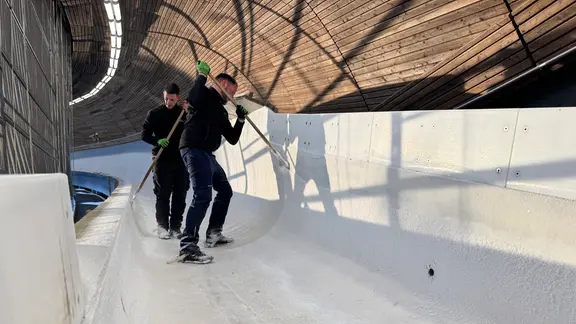
The heartbeat of Oberhof’s winter activity is undoubtedly the iconic bobsleigh and luge track. This week, the specialized crews of the Thuringian Winter Sports Center (Zweckverband Thüringer Wintersportzentrum) began the labor-intensive process of "icing" the facility. This is not a task for the faint of heart; it requires precision, patience, and a deep understanding of thermodynamics.
For the staff, the daily routine now involves spending hours in the bone-chilling cold of the concrete chute. The process is a delicate craft: a thin film of water is applied to the artificially cooled concrete base in multiple, precise layers. As the water freezes, it creates a crystalline, smooth surface. Once frozen, every curve and transition must be meticulously modeled by hand. This manual sculpting is the only way to ensure the track provides a safe, predictable, and high-speed surface for elite sliders.
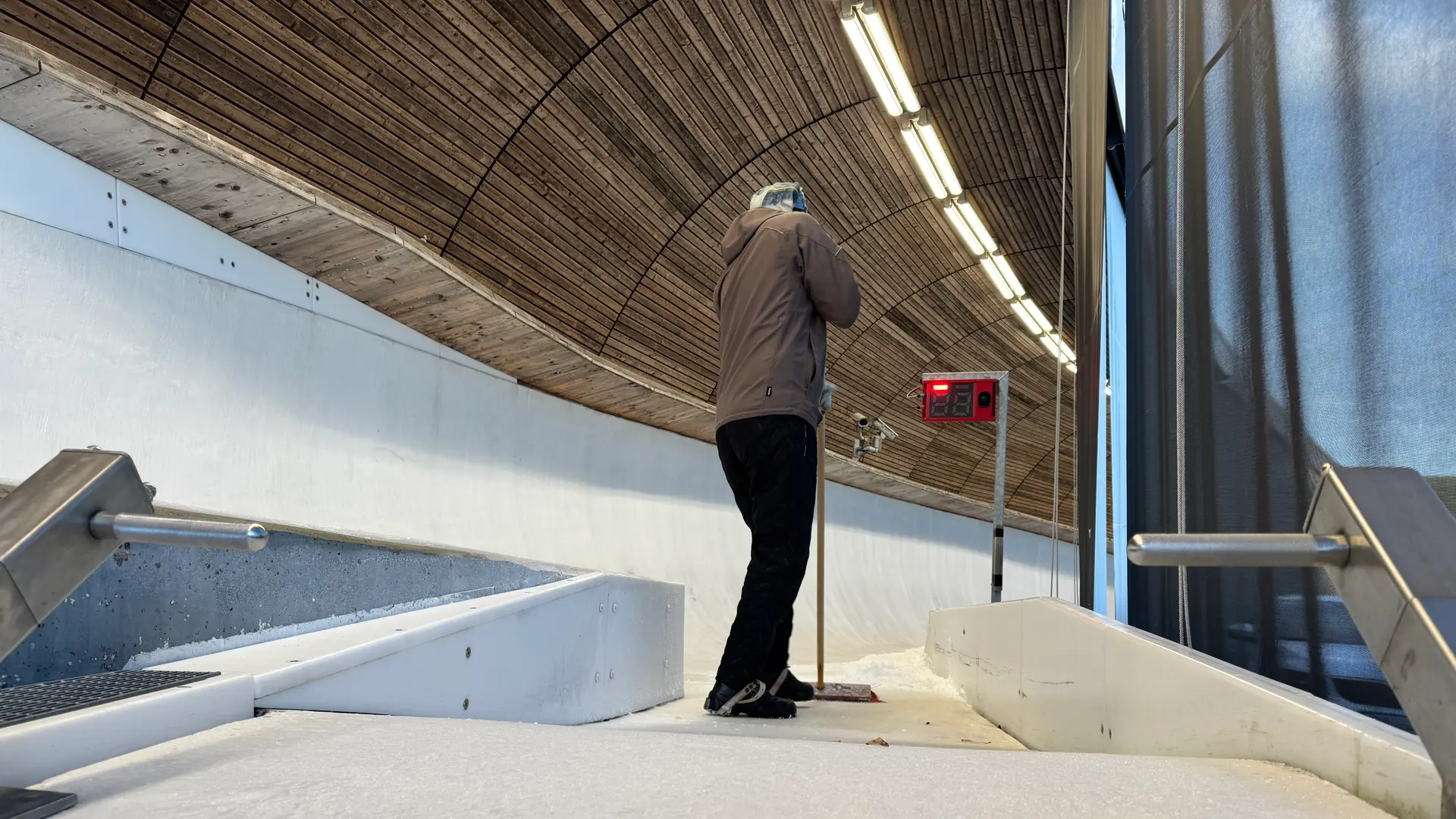
The facility is aiming for an ambitious timeline: officials hope that by the weekend, the first professional athletes will be able to begin training in the kilometer-long ice canyon. This early start is essential, as the facility must be fully operational for the grueling twenty-week winter season, culminating in the highly anticipated Rodel-Weltcup (Luge World Cup) scheduled for January.
A Radiant Return: The Fallbachhang’s New Illumination
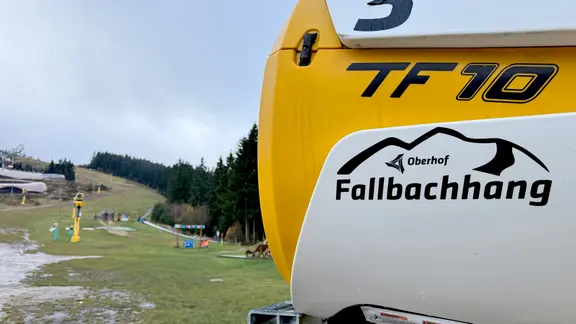
Beyond the high-octane world of sledding, recreational skiing is seeing a major upgrade this year. The Fallbachhang, a staple for local skiers and visitors alike, is currently undergoing significant renovations. The most notable addition is a state-of-the-art LED floodlight system, marking the return of night skiing to the slope—a feature that had been absent for several years.
According to Ronny Knoll of the Thuringian Winter Sports Center, the goal is to have the slope ready for its first official "ski day" by December 5th, weather permitting. While the primary function of the new lighting is safety and visibility, the project has also focused on atmosphere.
"Beyond the standard floodlights and safety illumination, we have integrated the capability to bathe the entire slope in colored light," Knoll explained. "It will provide a fantastic flair for our guests; it’s something to really look forward to."

The project is currently in the final stages of completion, with operators working feverishly to ensure the system is operational in time for the peak holiday crowds. If the installation goes as planned, visitors can expect the first "floodlight skiing" sessions to be a centerpiece of the Christmas holiday period.
The Science of Sustainability: Managing the Snow Reserves
While the natural climate provides the setting, the success of the season in Oberhof is heavily reliant on modern technology—specifically, the massive stockpiles of artificial snow stored in specialized facilities.
As the calendar turns toward late November, the focus will shift to the Arena am Grenzadler, the heart of the region’s biathlon and cross-country skiing circuit. To ensure these tracks remain viable regardless of unpredictable thaw cycles, the Thuringian Winter Sports Center has leaned into a strategy of snow-farming.
Currently, a staggering 6,500 cubic meters of artificial snow are being held in a massive, climate-controlled storage hall. This "white gold" is the product of careful planning and sustainable energy use. According to reports from the management, the vast majority of this snow was produced using electricity generated by the facility’s own on-site photovoltaic solar panels. By harnessing the sun to create the snow that survives the winter, Oberhof has created a circular energy model that is increasingly rare in the world of high-performance winter sports.
Chronology of the Season
The progression of the season is governed by a strict logistical schedule:
- Mid-October: Commencement of the icing process for the Rennschlittenbahn.
- Late October: Completion of the manual shaping of the track curves.
- Early November: Testing of the new floodlight infrastructure at the Fallbachhang.
- Late November: First deployment of stored snow onto the cross-country and biathlon tracks at the Grenzadler.
- December 5th: Target date for the official opening of the Fallbachhang ski slope.
- December (Late): Introduction of nighttime "floodlight skiing."
- January: Host of the Luge World Cup, the first major international competition of the season.
- March 4th–7th: Hosting of the Biathlon World Cup, the season’s marquee event.
Implications for Tourism and Elite Sport
The current operational strategy highlights a clear distinction between the needs of professional athletes and the general public. For the time being, the tracks prepared with the stored "snow reserves" will be reserved exclusively for elite training.
This decision has caused some debate among local enthusiasts, but the Thuringian Winter Sports Center maintains that this prioritization is necessary to ensure the German national team and international athletes have adequate preparation time before the mid-season World Cup events. While a tourist-accessible offer is currently in the planning stages, officials have yet to provide a definitive date for when recreational skiers will be granted access to the early-season tracks.
Furthermore, the late date for the Biathlon World Cup in March poses a unique challenge. Because the season must be sustained until the final week of March, the management team must be incredibly judicious with their snow reserves. Every cubic meter of snow spread in November must be managed with an eye toward the spring thaw, ensuring that the tracks remain in world-class condition for the final events.
Official Stance and Future Outlook
The investment in the Fallbachhang’s lighting and the expansion of the snow-farming capacity reflect a broader commitment by the Thuringian government and the regional sports associations to keep Oberhof at the forefront of the international winter sports circuit.
Despite the challenges posed by a changing climate, the reliance on high-tech cooling for the bobsleigh track and solar-powered snow production for the cross-country trails suggests a future where Oberhof remains a reliable venue, even in years where natural snowfall is scarce.
"We are building a bridge between tradition and modern technology," says the administration. The upcoming season is not just about the races or the recreational skiing; it is a test case for how a traditional winter sports destination can maintain its relevance in a world where "guaranteed snow" is no longer a given.
As the nights grow longer and the mercury drops, the residents of Oberhof look to the mountains with a sense of familiar anticipation. The machines are humming, the ice is hardening, and the lights are being tuned. The Rennsteig is ready for another winter, and if the early preparations are any indication, it will be a season to remember.