The intersection of geopolitical instability and the multibillion-dollar sports industry has reached a critical juncture in Saudi Arabia. As the Kingdom’s "Vision 2030" project continues to aggressively pursue global dominance in entertainment and professional athletics, the reality of regional conflict has forced a significant recalibration. Following a series of intensified attacks by the Yemen-based Houthi militia, Saudi authorities have been compelled to postpone major events, including the lucrative "Six Kings Slam" tennis tournament and several high-profile fixtures in the Saudi Pro League.
The Postponement of the "Six Kings Slam"
Turki Alalshikh, Chairman of the General Entertainment Authority (GEA), announced on Wednesday that the "Six Kings Slam"—a blockbuster tennis exhibition featuring the world’s elite—has been rescheduled for the end of the year. Originally slated to run from October 21 to October 24 in Riyadh, the event will now take place from December 27 to December 30.
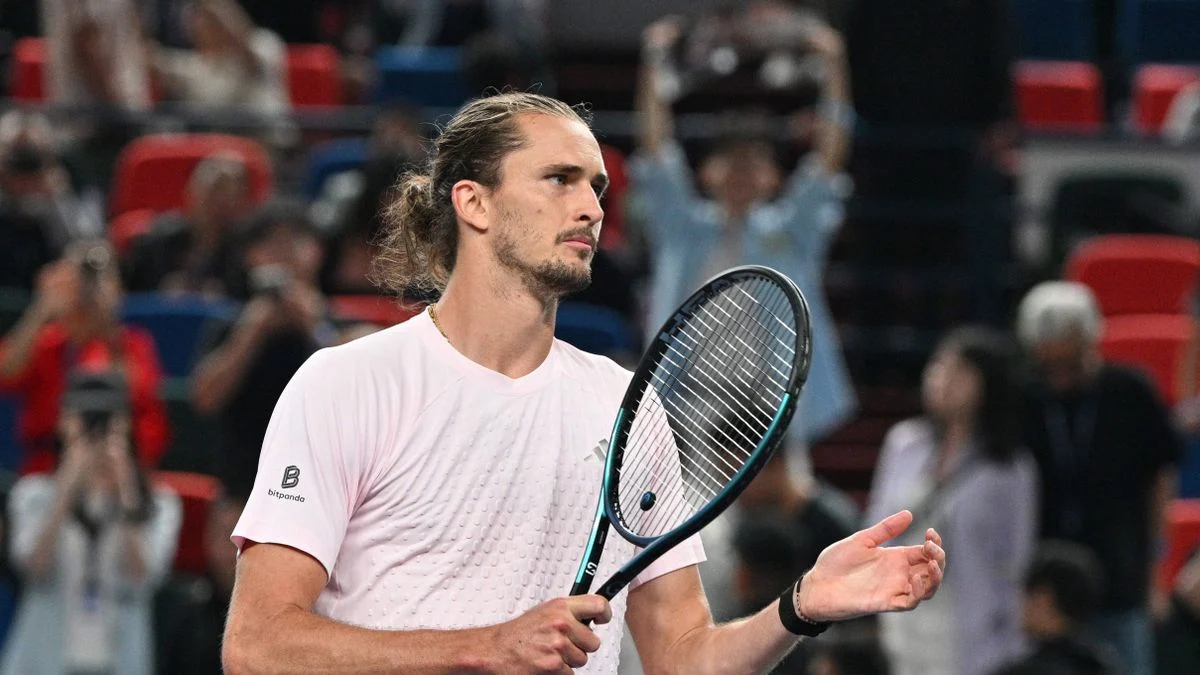
This exhibition, which sits outside the official ATP Tour structure, is emblematic of Saudi Arabia’s unique approach to sports investment. Lacking official world ranking points or historical prestige, the tournament derives its status from astronomical financial incentives. Players such as Alexander Zverev, Carlos Alcaraz, Novak Djokovic, Taylor Fritz, and Alex de Minaur had initially committed to the summer dates. The prize pool is staggering: for context, in 2025, champion Jannik Sinner walked away with a reported $4.5 million in prize money, supplemented by a $1.5 million appearance fee.
The logistical shift creates a challenging schedule for the participants. The new dates in late December place the tournament directly into the critical preparation window for the Australian Open, which begins in mid-January in Melbourne. For players like Zverev and Alcaraz, balancing these lucrative exhibition commitments with the rigorous demands of the first Grand Slam of the season will require careful physical and mental management.
Chronology: The Security Situation and Flight Disruptions
The decision to delay these events is not merely a matter of caution; it is a direct response to a deteriorating security environment. The catalyst for these changes is a renewed wave of attacks by the Houthi militia, which has targeted strategic locations within Saudi Arabia.
- Mid-October: Houthi aggression intensifies, targeting energy infrastructure and civilian transport hubs.
- The Airport Crisis: Following a series of strikes, authorities were forced to shut down the international airport in Riyadh. The closure was initially planned as a temporary measure but has been extended, severely impacting international and domestic connectivity.
- Logistical Cascades: As the flight ban extended through the week, organizers of the "Six Kings Slam" concluded that the reliable movement of international athletes, equipment, and broadcast staff would be impossible.
- Late October/November: The Saudi Pro League, feeling the strain of the same travel restrictions, began a systematic rescheduling of its match calendar.
The Houthi threat, often characterized by the use of long-range drones and ballistic missiles, has proven effective in disrupting the "normalization" narrative that the Saudi state has sought to build through its sports-washing initiatives. By targeting the arteries of the Kingdom—its airports and energy sectors—the militia has inadvertently demonstrated the volatility of the region despite massive defense spending.
Ripple Effects in the Saudi Pro League
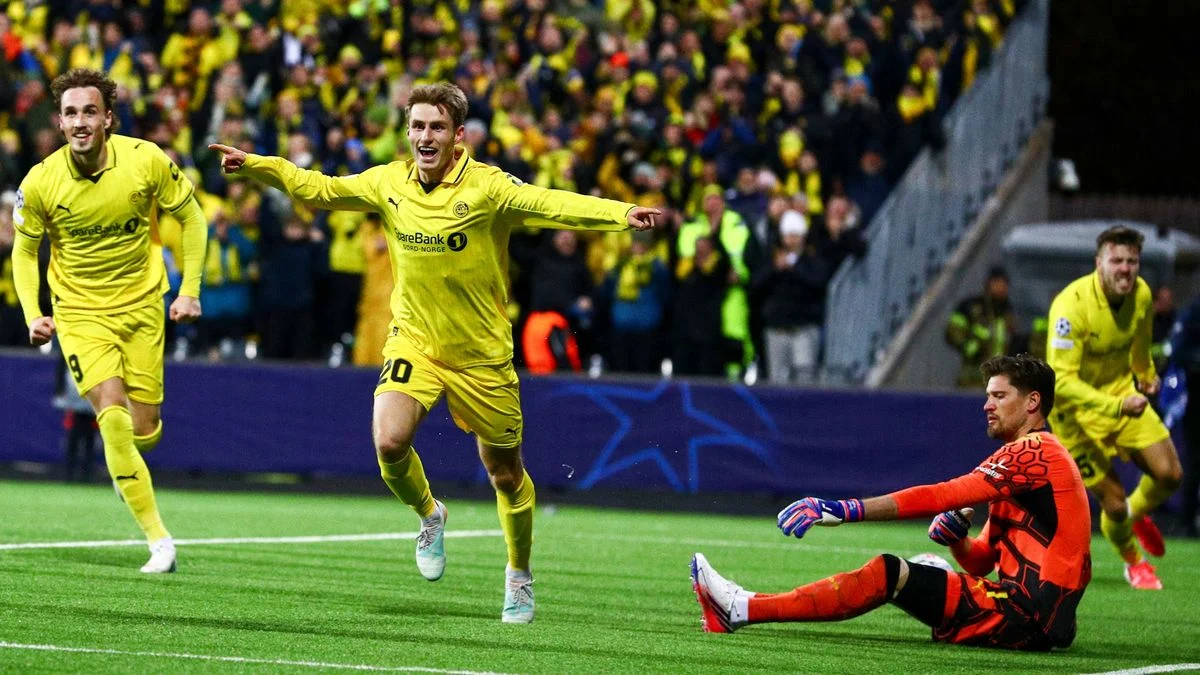
The turmoil has extended far beyond tennis. The Saudi Pro League (SPL), which has become a magnet for aging global superstars, is facing severe logistical bottlenecks. The most prominent example is the postponement of the match between Al-Ahli and Al-Nassr, the club featuring five-time Ballon d’Or winner Cristiano Ronaldo.
The match, originally scheduled for this past Thursday, has been pushed back to March 6, 2027. While the league cited "logistical regulations" for the move, reports suggest that the decision was driven by the club’s refusal to undertake an arduous eleven-hour bus journey from the capital to Jeddah. With the skies over Saudi Arabia effectively closed to most commercial traffic, the logistical burden of moving a top-tier football team across the vast desert landscape became untenable.
This incident highlights a major vulnerability in the Kingdom’s sports infrastructure. While the stadiums are state-of-the-art and the contracts for players are world-class, the reliance on rapid air travel to bridge the distances between major cities (like Riyadh and Jeddah) is a prerequisite for the professional schedule. When that link is severed by security concerns, the entire enterprise of elite football begins to stall.
Official Responses and Tactical Adjustments
The General Entertainment Authority, led by Turki Alalshikh, has maintained a tone of resilience, framing the postponements as necessary measures to ensure the safety of athletes and the quality of the fan experience. However, the move also reflects a sober recognition of the risks involved in hosting international celebrities in a country currently under active threat.
Internally, the Saudi government is under pressure to maintain the momentum of "Riyadh Season," a massive series of events that is central to the Kingdom’s economic diversification plan. Critics argue that the scheduling of these events during a period of open conflict creates a surreal juxtaposition: luxury and excess set against the backdrop of emergency sirens and closed borders.
The Saudi Pro League, for its part, has faced criticism for the extreme delay in rescheduling the Al-Nassr match. Moving a game to 2027 is an extraordinary measure, effectively pushing the fixture to a date that feels abstract given the current political climate. It suggests that the authorities are hoping for a long-term stabilization that they currently cannot guarantee.
Broader Implications for Sports Diplomacy
The situation raises fundamental questions about the viability of "sports-washing" as a long-term strategy for regional influence. For years, Saudi Arabia has poured billions into football, Formula 1, golf (LIV Golf), and tennis to rebrand the nation as a global hub for leisure and commerce.
However, the current crisis exposes the inherent risks of this strategy. Sports events are, by nature, high-visibility, international gatherings. When they are canceled or delayed due to war, the global spotlight is drawn away from the athletic achievement and toward the conflict itself.
- Reputational Risk: International athletes, who are often represented by massive agencies and sponsors, will now have to weigh the financial benefits of competing in the Kingdom against the very real risks of being caught in a regional security escalation.
- Financial Sustainability: While the "Six Kings Slam" can afford to pay millions in appearance fees, the logistics of the Saudi Pro League are more complex. Constant rescheduling disrupts broadcasting rights, sponsorships, and the integrity of the league table, potentially damaging the commercial value of the product.
- Security vs. Soft Power: The conflict with the Houthi militia serves as a reminder that "soft power" projects like professional tennis tournaments are fragile. They rely on a baseline of stability that, in the Middle East, is often subject to rapid and violent change.
As the world watches to see if the "Six Kings Slam" can indeed be held in late December, the eyes of the international community are fixed on Riyadh. The Kingdom’s ability to navigate these security challenges will determine not just the success of its sporting calendar, but the credibility of its entire transformation project. For now, the balls remain in the bags, the airplanes are grounded, and the stars of the sporting world are waiting in limbo, highlighting the uncomfortable reality that even the deepest pockets in the world cannot insulate the sports industry from the harsh realities of geopolitical warfare.