By Sports Desk
October 15, 2026
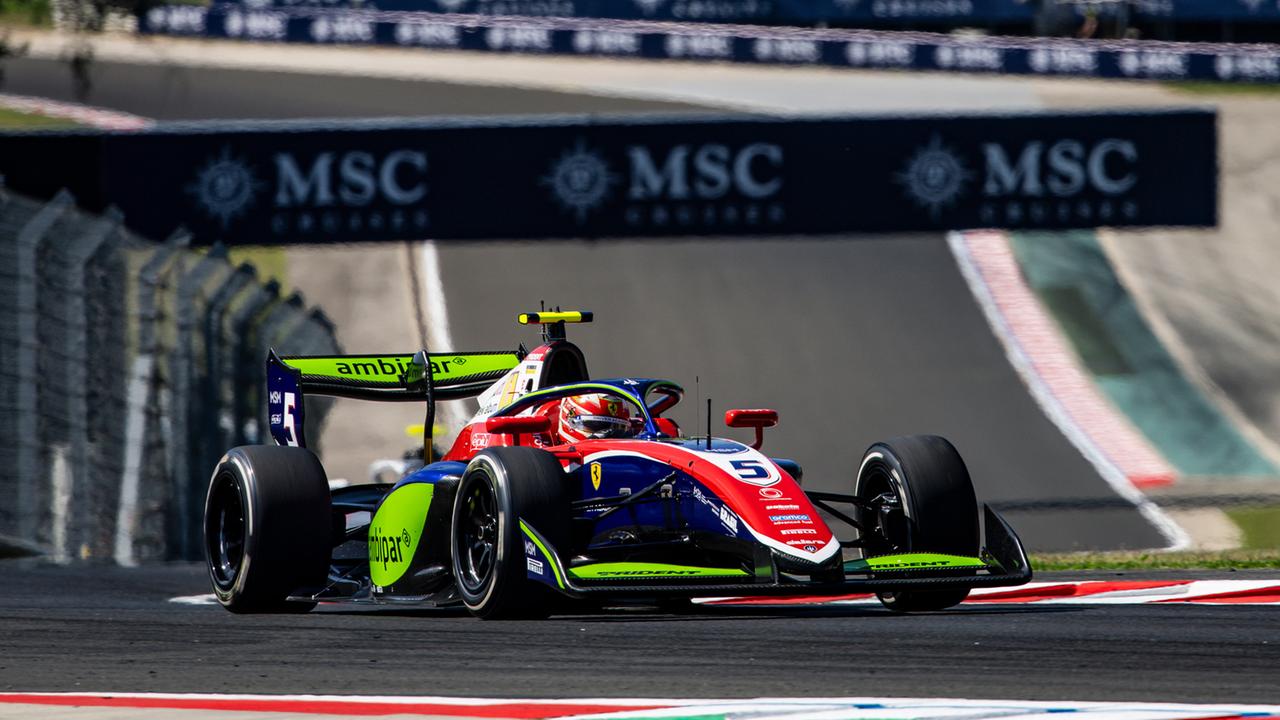
In a move that signals a significant strategic shift for the American racing outfit, the Haas F1 Team officially announced on Thursday, October 15, 2026, that 21-year-old Brazilian sensation Rafael Camara will join their driver lineup for the 2027 Formula 1 World Championship. Camara, a standout product of the Ferrari Driver Academy, is set to replace Esteban Ocon, marking the end of a pivotal chapter for the team as they look to inject fresh, high-ceiling talent into their garage.
The signing is a multi-year deal, reflecting the team’s confidence in Camara’s potential to become a cornerstone of their long-term project. Currently leading the FIA Formula 2 championship standings, Camara has been the dominant force in the junior categories this season, making his graduation to the pinnacle of motorsport both highly anticipated and widely considered inevitable.
The Strategic Shift at Haas
The decision to bring in Camara follows a season of introspection for the Kannapolis-based team. While Esteban Ocon provided experience and technical feedback, the team’s management has pivoted toward a "youth-first" philosophy.
Team Principal Ayao Komatsu, who has been instrumental in the team’s steady performance climb over the past 18 months, expressed high praise for the incoming rookie. "I am absolutely thrilled to welcome such a young, extraordinary talent as Rafael Camara to our team," Komatsu stated during the press conference at the Haas headquarters. "We have observed his progression through the ranks with great interest. Our goal is to create an environment where he feels supported, a space where he can fully unleash his inherent speed and technical capabilities. This is not just a signing; it is an investment in the future of Haas."
A Rapid Ascent: The Chronology of a Rising Star
Rafael Camara’s path to Formula 1 is a testament to the rigorous efficiency of the Ferrari Driver Academy system. Born in Recife, Brazil, Camara’s trajectory has been nothing short of meteoric.
- 2022: Camara joined the Ferrari Driver Academy, quickly making his mark in regional Formula 4 championships. His ability to adapt to varying track conditions and his aggressive, yet precise, defensive maneuvers earned him accolades from scouts across the paddock.
- 2023-2024: Transitioning into the Formula Regional European Championship (FRECA), Camara established himself as a title contender, refining his race craft and tire management skills—attributes that are essential for the high-degradation nature of modern Formula 1.
- 2025: Camara’s breakout year in Formula 2. He showcased a maturity that belied his age, securing multiple pole positions and feature race victories. His championship-leading status in the 2026 season has been defined by consistency, rarely finishing off the podium and demonstrating the composure required under immense pressure.
- October 15, 2026: The official confirmation of his promotion to the Haas F1 seat for the 2027 season, capping off a year that has seen him become one of the most sought-after prospects in the sport.
"A Critical Step in My Career"
For Camara, the move represents the realization of a lifelong ambition. Speaking on his appointment, the Brazilian driver maintained a grounded, professional demeanor despite the excitement surrounding his promotion.
"This is an incredibly important step in my career," Camara said. "Joining Haas is the culmination of years of hard work, sacrifice, and the support of the Ferrari Driver Academy. I am eager to begin this new chapter, to work closely with the engineers at Haas, and to immerse myself in the development of the 2027 car. The goal is to grow with the team and contribute to their ongoing progress in the Constructors’ Championship."
Industry insiders suggest that Camara’s transition will be eased by the strong technical partnership between Haas and Ferrari. Having spent years in the Ferrari ecosystem, Camara is already familiar with the power unit architecture and data analysis methodologies used by the Scuderia, which will likely be shared with Haas to facilitate his integration.
The Wider Driver Market and Team Dynamics
The announcement of Camara’s signing leaves only two seats remaining on the 2027 grid, both currently residing at the Racing Bulls. The landscape of the driver market has been exceptionally fluid this year, with teams prioritizing a blend of proven veterans and high-potential rookies.
While Haas has confirmed Camara, the identity of his teammate remains the subject of heavy speculation. All signs point to Oliver Bearman retaining his seat at the team. Bearman, who has shown flashes of brilliance throughout the 2026 campaign, is widely expected to be confirmed in the coming weeks. Should Bearman remain, Haas would field one of the youngest and most promising lineups on the grid, signaling a clear intent to move away from journeyman drivers in favor of developing a homegrown core.
The State of the Grid (2027 Outlook)
- Confirmed Seats: 20 of 22
- Open Seats: Racing Bulls (2)
- Current Racing Bulls Contenders: Liam Lawson (New Zealand) and Arvid Lindblad (United Kingdom).
The competition for those final two spots is fierce, with the Racing Bulls team balancing the need for commercial stability against the pressure to promote Red Bull junior drivers.
Implications: Can Haas Break the Midfield Glass Ceiling?
Haas currently sits in seventh place in the 2026 Constructors’ Championship, holding a precarious seven-point lead over Audi. This performance represents a solid, if unspectacular, season. However, the move to sign Camara suggests that team owner Gene Haas is looking to push beyond the midfield.
Since their debut in 2016, Haas has struggled with consistency. Their best finish remains a fifth-place result in the 2018 Constructors’ Championship. For the team to challenge for the "best of the rest" spot consistently, they require drivers who can extract maximum performance from the car every Sunday.
By pairing a talent like Camara with a driver like Bearman, Haas is essentially banking on raw pace. The risk, of course, is a lack of veteran experience to guide the team during car development cycles. However, with the technical synergy between Ferrari and Haas growing stronger, the team may feel that they can outsource some of that development "wisdom" to their Italian partners.
Technical and Financial Context
The financial implications of this signing are also noteworthy. Formula 1 has seen a surge in interest from South American markets, and the arrival of a Brazilian driver on the grid is expected to bolster Haas’s sponsorship portfolio. Brazil remains one of the most passionate F1 markets in the world, and Camara represents the first major Brazilian talent to reach the grid since the departure of veteran drivers like Felipe Massa or the transient stints of others.
From a technical standpoint, the team is under pressure to capitalize on the 2027 regulation cycle. With new car designs expected to emphasize aerodynamic efficiency and weight reduction, the feedback provided by a driver with Camara’s karting-to-F2 pedigree will be vital. The team has already initiated an aggressive recruitment drive for engineers, aiming to bolster their design department to support their new driver pairing.
Conclusion
The signing of Rafael Camara is a bold statement of intent. It is a departure from the "safe" options the team has previously explored and a clear signal that Haas is ready to evolve. As the 2026 season draws to a close in Abu Dhabi, all eyes will be on the final rounds of the F2 championship to see if Camara can clinch the title before making the jump to F1.
The road ahead will not be easy. The transition from the F2 grid to the intense pressure of Formula 1 is the steepest learning curve in professional sports. Yet, given his performance in the junior ranks and the unwavering support of the Ferrari Driver Academy, Rafael Camara enters the 2027 season not just as a rookie, but as one of the most exciting prospects the sport has seen in years. For Haas, the gamble is clear: bet on the future, or risk being left behind in the ever-evolving arms race of Formula 1.