By Sports Desk
Updated: October 15, 2026
The German handball landscape remains in a state of high tension as the protracted transfer saga surrounding Johannes Golla, the captain of the German national team, reaches a new, complex impasse. In a move that has surprised many observers, the 28-year-old line player has officially withdrawn his extraordinary notice of termination submitted to MT Melsungen. However, while this tactical retreat signals a momentary cooling of legal hostilities, it does nothing to mask the underlying reality: Golla remains determined to force a move away from his current club, and Melsungen is showing no signs of letting their marquee signing leave without a significant financial windfall.
The Core Facts: A Stalemate of Principles and Price
The situation, which has dominated headlines throughout October, revolves around a player who was supposed to be the cornerstone of Melsungen’s long-term project. Having signed a contract extending until the summer of 2031, Golla’s sudden desire to depart—citing personal reasons, family challenges, and concerns regarding his mental well-being—has left the club in a precarious position.
By withdrawing his extraordinary notice, Golla has effectively moved the dispute from the realm of immediate legal confrontation back into the arena of club-to-club negotiations. This maneuver suggests that his camp recognizes the difficulty of unilaterally breaking a contract of such duration without clear, court-admissible cause. Yet, for MT Melsungen, the situation is far from resolved. The club has firmly rejected an opening offer from SG Flensburg-Handewitt, reportedly valued at €700,000, deeming it insufficient given the market value of a player of Golla’s caliber and the remaining length of his contract.
Chronology of a Conflict
To understand the gravity of the current situation, one must look at the rapid deterioration of the relationship between the player and the North Hessian club:
- Summer 2026: Johannes Golla joins MT Melsungen with high expectations, marking a major coup for the club. The long-term contract until 2031 was intended to signify a new era of dominance.
- Early October 2026: The situation escalates suddenly when Golla files an extraordinary notice of termination, citing mental health and family-related complications as the primary drivers for his desire to return to his former club, SG Flensburg-Handewitt.
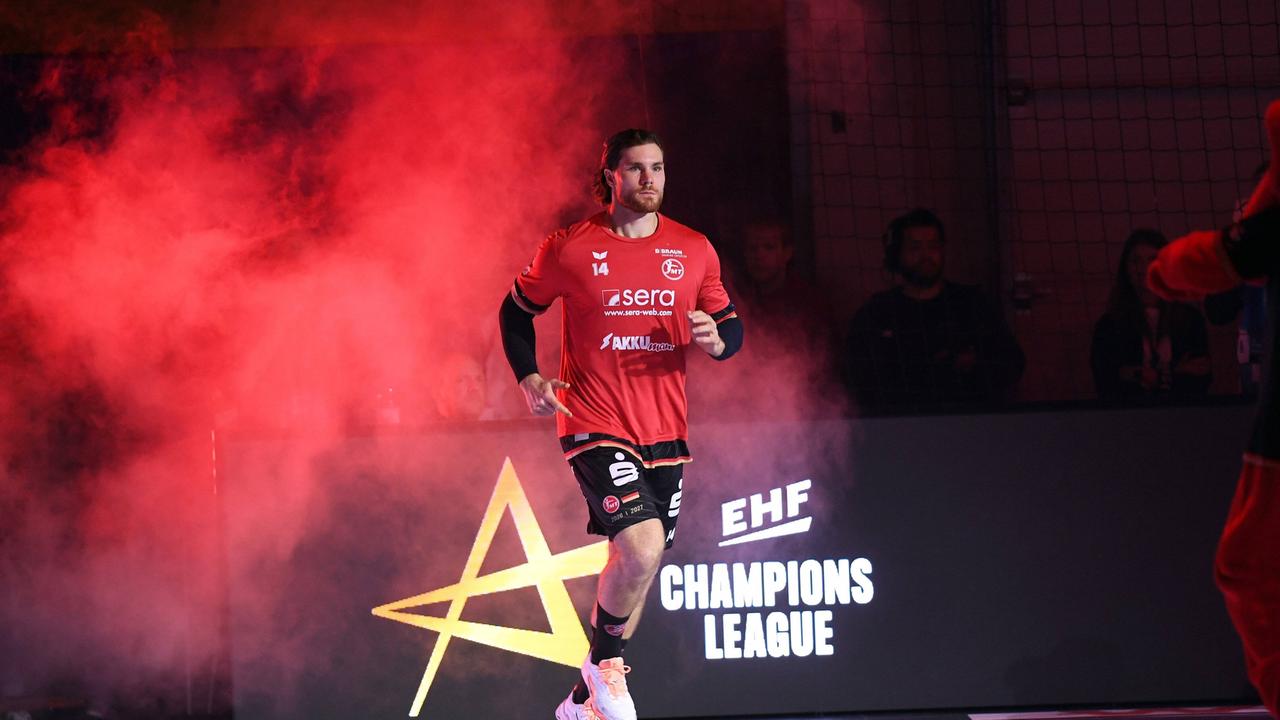
- Mid-October 2026: Despite the filing, Golla continues to participate in team training and features in both Bundesliga and Champions League fixtures, maintaining his professional duties while his representatives negotiate his exit.
- October 15, 2026: In a strategic shift, Golla withdraws the notice of termination. This move is widely viewed by industry experts as a pivot toward a negotiated transfer rather than a court-mandated release.
Supporting Data and Contractual Complexity
The core of the dispute lies in the fine print of the contract signed just months ago. While both parties acknowledged the existence of an exit clause, the triggers and timing of this clause have become a subject of intense debate.
The financial valuation of a world-class line player is inherently subjective, but in the context of the German Handball Bundesliga (HBL), a seven-figure sum is the benchmark for a player of Golla’s stature. Melsungen’s rejection of the €700,000 offer is a clear statement of intent: they are not willing to subsidize the return of their star player to a direct league rival.
For Flensburg, the challenge is twofold. First, they must find a way to meet the financial demands of Melsungen, which are rumored to be in the "low millions." Second, they must navigate the logistical reality of reintegrating a player who has already made one major move this year. The valuation of €700,000 represents a significant investment, but for a club of Flensburg’s stature, it is seen as a "discount" given that the player is effectively forcing a departure.
The Human Element: Mental Health and Professional Duty
Perhaps the most sensitive aspect of the saga is the reasoning provided by Golla. In professional sports, the invocation of mental health as a reason for requesting a transfer has become increasingly common, yet it remains a complex issue for clubs to manage.
Golla’s claim that he is struggling with the transition and the pressure of his new environment highlights the immense psychological toll of elite-level handball. However, the fact that he has continued to perform at a high level on the court creates a dissonance that fans and critics find difficult to reconcile. By continuing to play, Golla has demonstrated his commitment to the sport, but his desire to be back in the environment of his former club, SG Flensburg-Handewitt, suggests that his issues are specifically tied to the current professional and personal setup in Melsungen.
Official Responses and Club Stance
MT Melsungen has maintained a posture of firm, professional resolve. The club hierarchy has emphasized that while they respect the personal struggles of any athlete, they are bound by the terms of the contracts signed in good faith.
"We are a club that plans for the future," a source close to the Melsungen management noted. "Johannes is a world-class player, and we made a long-term commitment to him. We expect that commitment to be reciprocated, or for the financial compensation to reflect the loss of such a key asset."
Conversely, the camp surrounding the German national team captain has remained relatively quiet, likely to avoid further complicating the legal landscape. Their primary goal is to facilitate a transfer that allows Golla to regain his stability, while Flensburg remains the only viable destination that has publicly expressed an interest in the player.
Implications for the Bundesliga
The "Golla Case" serves as a landmark moment for contract security in the HBL. If a player with a contract until 2031 can successfully force a move within months of signing, it sets a precedent that could destabilize the long-term planning of other clubs.
1. Precedent for Player Power
This case highlights the increasing leverage of star players. When a player makes their desire to leave public, the club is often left in a "lose-lose" situation: keep a player who does not want to be there and risk team morale, or sell at a loss and lose face in the market.
2. The Role of the National Team
As the captain of the German national team, Golla’s personal situation has broader implications. The DHB (German Handball Federation) will be watching closely, as the performance and mental well-being of their captain are vital for the upcoming international tournaments. A prolonged, high-stress legal battle is the last thing the national setup needs.
3. Financial Sustainability
For MT Melsungen, the potential "million-euro" fee is not just about profit; it is about recouping the investment they made in building a team around Golla. If the transfer goes through at a lower price, it could lead to increased scrutiny of the club’s recruitment and contract negotiation strategies.
Looking Ahead: What Happens Next?
The withdrawal of the termination notice is merely a pause in the hostilities. The focus will now shift to whether Flensburg can increase their offer to a level that satisfies the Melsungen board. With the season in full swing and the Champions League schedule intensifying, both clubs have a strong incentive to resolve this matter before the winter transfer window opens.
For now, Johannes Golla remains an MT Melsungen player. He will continue to report to training, he will likely continue to lead his team onto the court, and the pressure on his shoulders will remain immense. The eyes of the handball world are fixed on Melsungen, waiting to see if this marriage of convenience can be salvaged, or if a high-stakes divorce is truly the only way forward.
As the calendar turns toward the end of the year, the resolution of this saga will undoubtedly be one of the defining stories of the 2026/2027 season, serving as a cautionary tale about the volatility of modern professional sports.