In an era where Artificial Intelligence is no longer a futuristic concept but a rapidly accelerating “tsunami” reshaping the global workforce, the fundamental nature of labor is being rewritten. Allison Pugh, a renowned sociologist at Johns Hopkins University, warns that as algorithms and machine learning models assume the heavy lifting of professional tasks, society faces a profound existential crisis: what happens to human dignity when our work—and our perceived utility—is outsourced to silicon?
The Main Facts: A Paradigm Shift in Labor
The integration of generative AI into the workplace is proceeding at an unprecedented pace. Tech titans, including Microsoft AI CEO Mustafa Suleyman, have openly suggested that a vast majority of office-based roles could be automated within the next few years. This technological shift is not merely an efficiency upgrade; it is a fundamental disruption to the social contract.
For decades, human value has been inextricably linked to productivity. We are defined by what we do, how much we produce, and the specific skills we bring to the corporate table. As AI systems become capable of drafting legal briefs, writing code, and conducting complex financial analysis, the "productive" value of the human worker is diminishing in the eyes of capital.
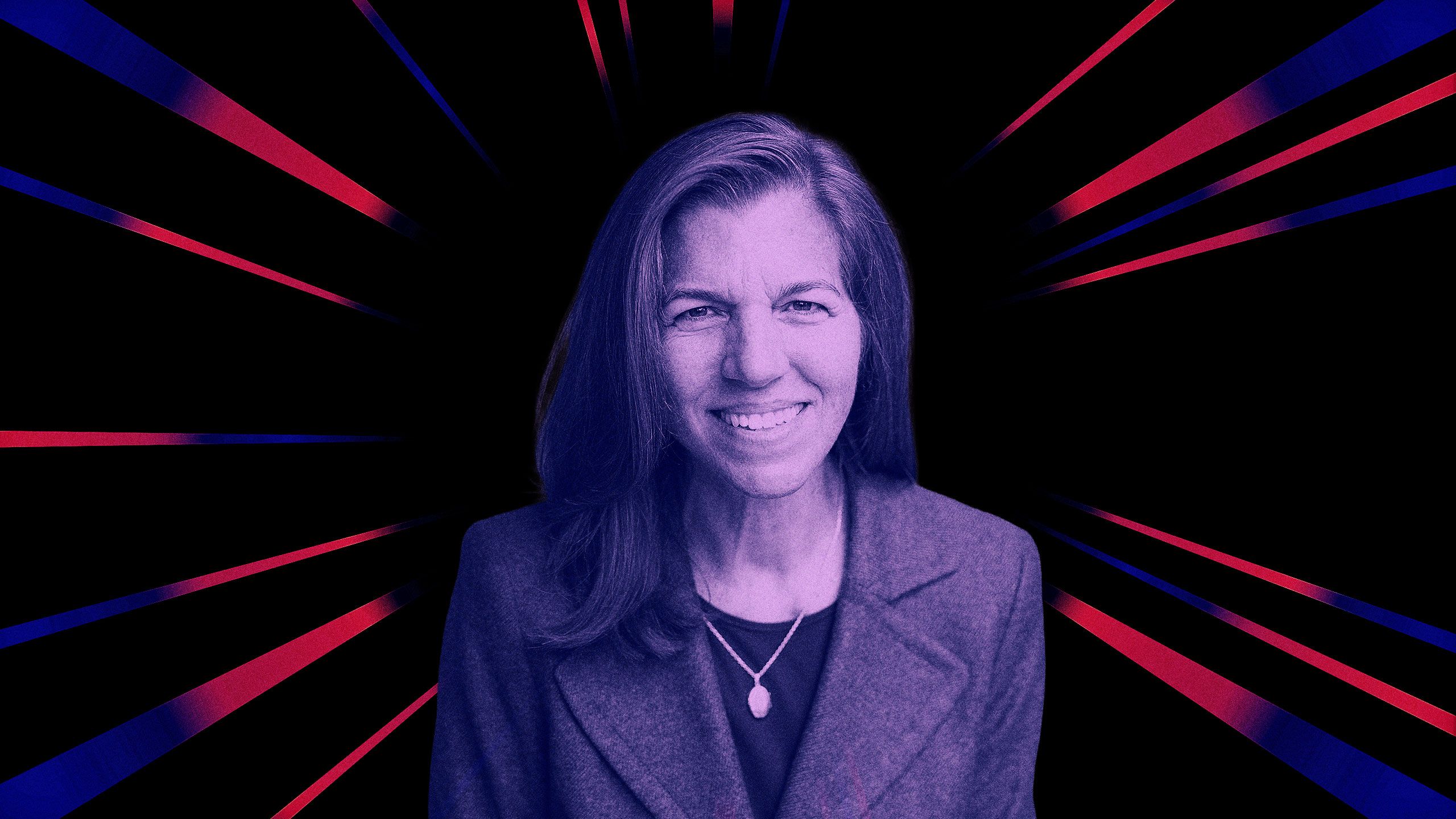
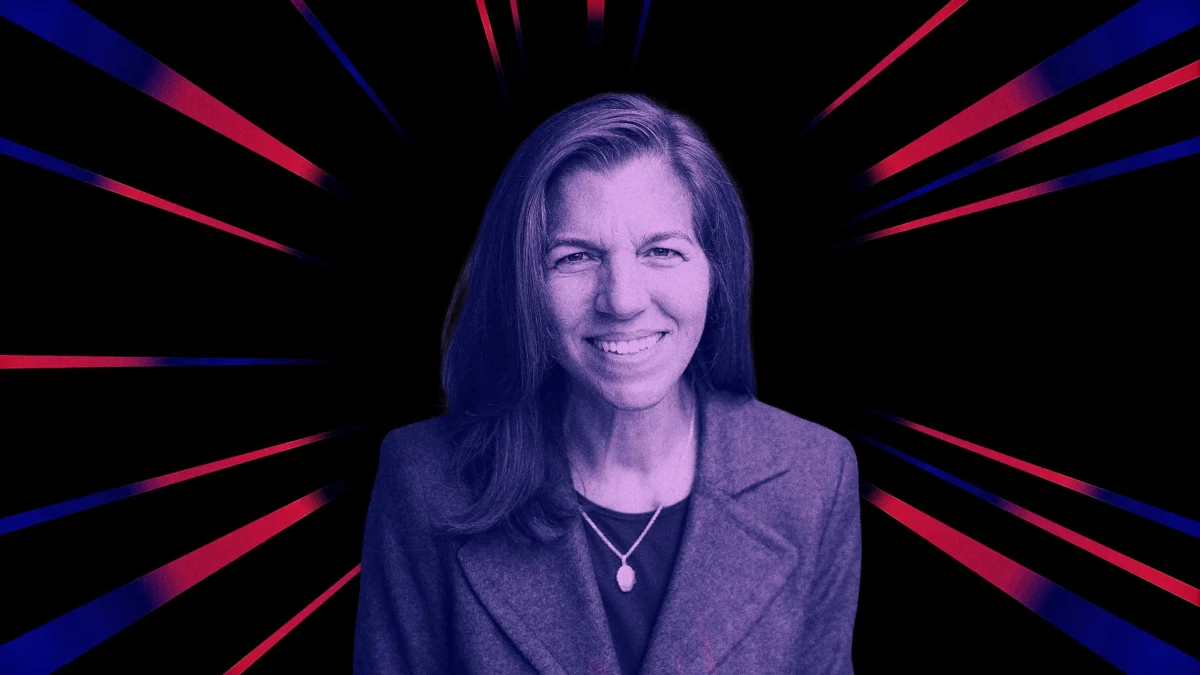
Dr. Allison Pugh, who has dedicated her career to studying the sociology of labor and human connection, argues that we are currently standing at a precipice. The risk is not just economic—it is psychological. If we define human worth solely through the lens of economic output, we are setting ourselves up for a collapse of meaning as machines outperform us in nearly every measurable metric of "work."
A Chronology of the AI Tsunami
To understand our current position, one must look at the rapid evolution of the "AI Tsunami":
- Pre-2020: The Era of Specialization. AI was largely relegated to narrow, repetitive tasks: sorting data, managing supply chain logistics, or optimizing ad placements. The human worker remained the primary architect of strategy and creative execution.
- 2022-2023: The Generative Explosion. The public release of Large Language Models (LLMs) changed the landscape overnight. Suddenly, the "creative" and "cognitive" work that was long thought to be the sole domain of humans became the primary target for automation.
- 2024: The Integration Phase. Corporations began moving from experimentation to widespread deployment. From customer service departments to software engineering teams, AI agents became standard components of the digital workspace.
- The Future Horizon: The Crisis of Purpose. As we move forward, the challenge shifts from whether AI can do a job to why a human should be involved in the process at all. This is where Dr. Pugh’s research becomes critical.
The Sociology of Connection: Why Humans Still Matter
Despite the cold, hard logic of efficiency, there remains a persistent, undeniable human desire for connection. Dr. Pugh highlights a poignant anecdote from one of her lectures: a participant recounted how her daughter turned to ChatGPT for advice but insisted on asking her mother as well.

"I asked the AI," the daughter explained, "but I also need to ask you because I know you won’t just tell me what I want to hear."
This interaction serves as the foundation for what Pugh identifies as the "Human Premium." AI is designed to be helpful, agreeable, and efficient—it often acts as a mirror, reflecting back the biases and desires of the user. True human interaction, however, is characterized by friction, nuance, and the ability to challenge the other person. In a world of infinite AI-generated content, the ability to provide genuine, unvarnished, and empathetic feedback is becoming a rare and highly valued commodity.
Supporting Data: The Shifting Economic Landscape
The economic implications of this transition are stark. According to various labor market studies, industries that rely heavily on information processing—finance, law, administration, and middle management—are at the highest risk of disruption.
However, the "Human Premium" theory suggests a counter-trend. As the market becomes flooded with AI-generated outputs, the perceived value of human-centric work is likely to undergo a "scarcity inflation."
- The Rise of High-Touch Services: Sectors that require physical presence, emotional intelligence, and accountability (nursing, education, specialized craftsmanship, and high-level negotiations) are likely to see wage growth as they become the last bastions of human-led labor.
- The Erosion of Mid-Level Cognitive Tasks: The "middle class" of the knowledge economy faces the greatest threat. Tasks involving summarization, drafting, and data synthesis are being devalued, putting downward pressure on salaries in these sectors.
- The Social Competence Multiplier: Future employment success will likely be dictated not by technical knowledge (which is increasingly commodified by AI) but by "Social Competence"—the ability to navigate complex social dynamics, manage relationships, and lead teams through change.
Official Perspectives: The Tug-of-War
The debate over the future of work is polarizing. On one side are the techno-optimists like Mustafa Suleyman, who view the automation of office jobs as a "liberation" from drudgery. The argument is that if AI handles the routine, humans will be free to focus on higher-level creative and strategic pursuits.
On the other side are thinkers like Dr. Pugh and various labor rights organizations, who caution that this "liberation" may simply lead to mass displacement and a loss of identity. They argue that work, even the mundane parts of it, provides a social structure and a sense of utility that cannot be easily replaced by leisure or universal basic income.

Governmental bodies, including the EU’s AI Act regulators, are beginning to focus on the ethical implications of this shift. They are questioning whether the current trajectory of AI development serves the public interest or if it merely serves to maximize shareholder value at the expense of societal cohesion.
Implications: Preparing for the Post-Productivity Age
If we accept that the era of equating human worth with professional productivity is ending, we must fundamentally alter our approach to education and social policy.
1. Education: Beyond Technical Proficiency
Our current education system is heavily weighted toward technical skill acquisition—coding, data analysis, and rote memorization. In a post-AI world, these skills are secondary. Curriculums must pivot toward the humanities: philosophy, ethics, psychology, and interpersonal communication. We need to teach students how to be human—how to think critically, how to argue with integrity, and how to build consensus.

2. The Redefinition of Dignity
Society must decouple "dignity" from "employment." If we fail to do this, we risk creating a large, disaffected population that feels obsolete. This requires a cultural shift where community involvement, caregiving, art, and local activism are valued as highly as "productive" corporate labor.
3. The New Competitive Edge
For the individual, the most critical asset in the coming decade will be their "Social Competence." The ability to bridge the gap between AI-generated insights and human reality will be the defining skill of the 21st-century workforce. Leaders will not be chosen for their ability to process data, but for their ability to hold a vision, inspire trust, and navigate the complex, often messy, terrain of human emotion.
Conclusion: The Final Frontier
The "AI Tsunami" is not merely a test of our technological prowess; it is a test of our humanity. As Dr. Pugh suggests, we are entering a phase where the market will increasingly reward that which cannot be automated: empathy, judgment, and the capacity for authentic, challenging connection.

The future of the workforce will not be defined by machines that can think, but by humans who can connect. While AI may win the war of efficiency, the battle for the future of work will be won by those who recognize that, in a world of algorithms, the most radical act of all is to be profoundly, unapologetically human. We must stop prioritizing what a person produces and start protecting what a person is. Only then can we ensure that the rise of artificial intelligence does not lead to the decline of the human spirit.