By Financial News Desk | May 16, 2026
In what promises to be the most significant financial event of the decade, Elon Musk’s aerospace colossus, SpaceX, is reportedly preparing for a landmark initial public offering (IPO) on the Nasdaq. According to insiders familiar with the matter, the company is targeting a mid-June debut, a move that would not only reshape the commercial space industry but likely shatter all previous records for public market capitalizations.
The proposed listing is expected to raise upwards of $80 billion, a figure that underscores the sheer scale of investor appetite for a company that has moved from a speculative venture to the backbone of the United States’ space infrastructure. Financial analysts monitoring the situation suggest that, based on current valuations and market positioning, SpaceX is aiming for a total market capitalization exceeding $2 trillion.
The Strategic Shift: A New Era for SpaceX
For years, SpaceX has functioned as the private crown jewel of Elon Musk’s business empire. By remaining private, the company was able to experiment, iterate, and endure the high-risk failures inherent in rocket development without the quarterly scrutiny of public shareholders. However, the maturation of the Starlink satellite internet constellation and the increasing integration of Musk’s artificial intelligence initiatives have necessitated a shift in capital strategy.
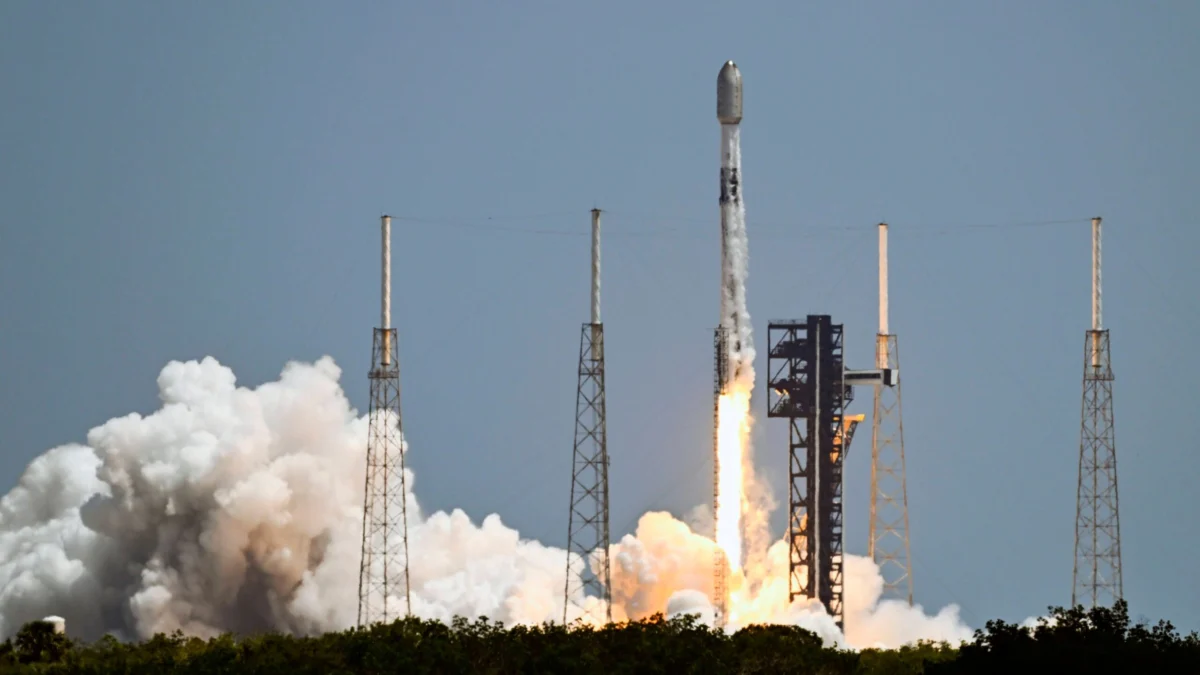
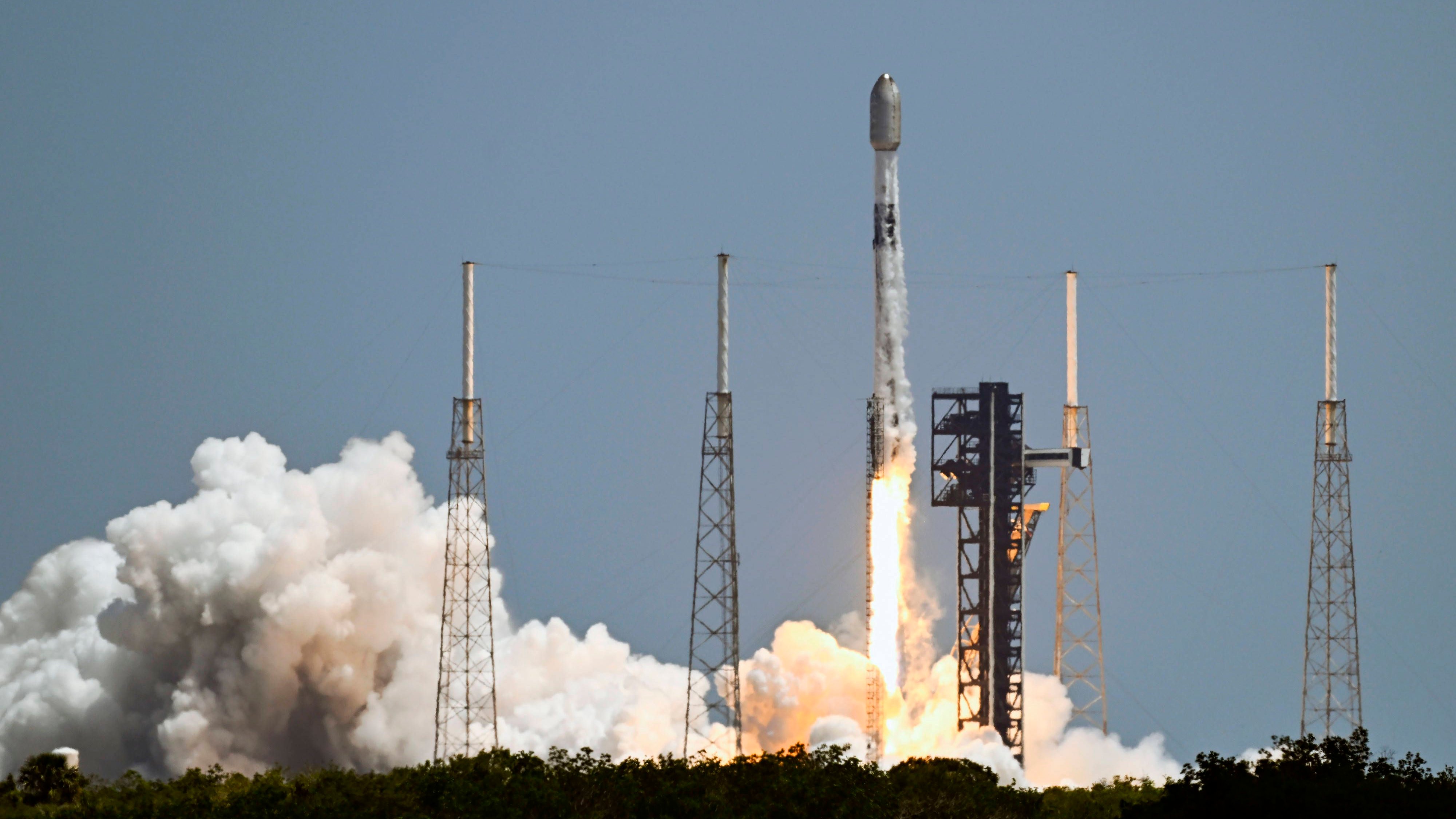
The IPO is not merely a fundraising exercise; it is a structural evolution. By moving to the Nasdaq, SpaceX is signaling its transition from a disruptive startup to a permanent fixture of the global industrial landscape. The infusion of $80 billion in fresh capital will likely be deployed to accelerate the development of the Starship launch vehicle—the most powerful rocket ever built—and to expand the infrastructure required to scale Starlink into a global telecommunications utility.
Chronology of a Mega-IPO
The path to this moment has been paved by a decade of rapid technological milestones. While the official prospectus has yet to be finalized, the timeline leading to this June’s anticipated launch is a testament to the company’s relentless pace:
- 2024–2025: The Starlink Acceleration: SpaceX successfully scaled its satellite internet service, achieving profitability and proving that a space-based revenue model could compete with terrestrial fiber and 5G providers.
- Early 2026: Integration of AI: Elon Musk announced the consolidation of his AI firm, xAI, into the broader SpaceX corporate umbrella, rebranding key segments as "SpaceXAI." This move effectively turned a rocket manufacturer into an integrated aerospace and computing entity.
- Q1 2026: Private Market Valuation Surges: As SpaceX began discussions with institutional investors, private market valuations ballooned to the $1.25 trillion mark, setting the stage for a massive public debut.
- May 2026: SEC Pre-filing Activity: Reports began to surface suggesting that the company had engaged major investment banks to prepare the necessary filings for a June 12, 2026, IPO date.
Supporting Data: The Case for a $2 Trillion Valuation
Investors are not merely buying into rocket launches; they are buying into an ecosystem. SpaceX’s business model is now a three-pronged engine of growth:
1. Launch Services (The Backbone)
SpaceX currently holds a near-monopoly on heavy-lift launch capabilities in the United States. With the Falcon 9 and Falcon Heavy fleets, the company has drastically reduced the cost per kilogram of payload to orbit, effectively pricing out legacy aerospace competitors.
2. Starlink (The Cash Cow)
Starlink has revolutionized global connectivity. By providing high-speed internet to remote regions, maritime vessels, and aviation, SpaceX has established a recurring revenue stream that is decoupled from the cyclical nature of government defense contracts.
3. Space-Based AI and Edge Computing
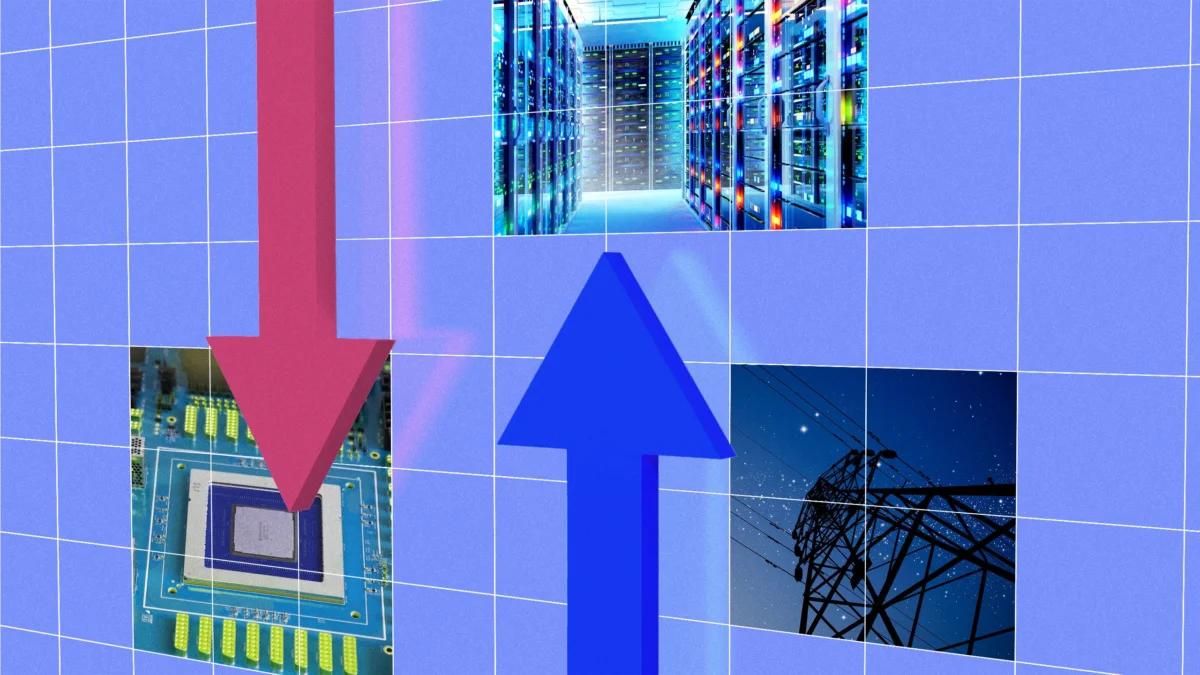
The newest variable—the integration of xAI—adds a massive "blue sky" potential. Musk has proposed building massive AI-driven data centers in space. The logic is compelling: solar energy is abundant in orbit, and the vacuum of space provides natural cooling, which could potentially reduce the massive energy costs associated with cooling terrestrial data centers.
Critics, however, remain skeptical. They point to the extreme costs of launching heavy server hardware and the degradation of sensitive semiconductor circuits caused by high-energy cosmic radiation. Despite these technical hurdles, the market sentiment remains overwhelmingly bullish on the concept.
Official Responses and Market Skepticism
As of press time, SpaceX has not issued a formal press release confirming the exact June 12 date, adhering to standard quiet-period protocols that precede such massive offerings. However, sources within the investment banking sector indicate that the "roadshow" for institutional investors is already being scheduled.

Market analysts are divided on the risks. Some, like venture analyst Sarah Jenkins, argue that "the valuation of $2 trillion assumes a future where SpaceX is essentially the utility company for the solar system. While the tech is proven, the regulatory and operational risks of space-based AI are unprecedented."
Conversely, defenders of the IPO argue that SpaceX is the only company with the vertical integration necessary to pull off such an ambitious vision. "If you bet against Musk in the past, you lost," says one hedge fund manager. "Betting against the company that successfully lands orbital-class rockets on a consistent basis is a fool’s errand."
The Broader Implications: A Tectonic Shift in Tech
The potential IPO of SpaceX is causing ripples across the entire tech and finance sectors. If successful, it will be the largest IPO in history, far eclipsing the records set by companies like Saudi Aramco or Alibaba.

The "Big Three" Phenomenon
Financial analysts are predicting that 2026 could be defined by three massive public listings: SpaceX, OpenAI, and Anthropic. This concentration of AI and deep-tech companies entering the public market suggests a massive reallocation of capital from traditional legacy industries into the "frontier tech" sector.
This shift has profound implications for pension funds and retail investors alike. For years, the massive gains from private tech companies were reserved for venture capitalists and private equity firms. The move to the public markets will allow the general public to finally participate in the value creation of the companies that are defining the 21st century.
Geopolitical Considerations
SpaceX’s dual-use technology—serving both civilian customers and the U.S. Department of Defense—means that its stock performance will essentially become a proxy for American national security. International investors will have to navigate a complex landscape where the company’s success is intrinsically tied to U.S. government policy and space-faring ambitions.

Conclusion: The Final Frontier of Finance
As the mid-June date approaches, all eyes will be on the Nasdaq ticker symbol that will eventually represent SpaceX. Whether the company achieves its $2 trillion valuation target or faces a reality check from a cautious market, one thing is certain: the era of the "private space age" is ending.
SpaceX’s IPO is a milestone that marks the transition of space from a realm of government exploration to a standard commercial marketplace. For Elon Musk, it is the culmination of a decades-long plan. For the rest of the world, it is a front-row seat to the most ambitious industrial project in human history.
As we move closer to June, the volatility in the tech sector is expected to remain high. Investors should look for updates from the SEC in the coming weeks, as the final regulatory hurdles are cleared for the most anticipated listing in the history of modern finance.

Disclaimer
The information contained in this article is based on reports from industry insiders and market analysts. Investors should consult with financial advisors and review official filings with the Securities and Exchange Commission (SEC) before making any investment decisions. This article does not constitute financial advice.