Overview: Wall Street Defies Geopolitical Tensions
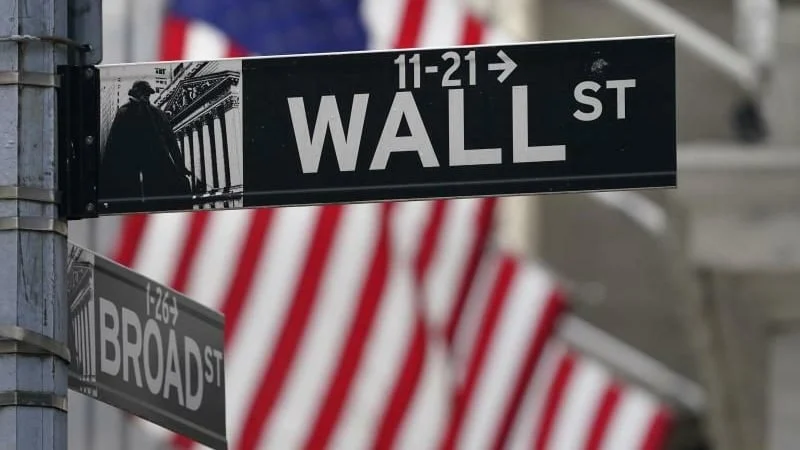
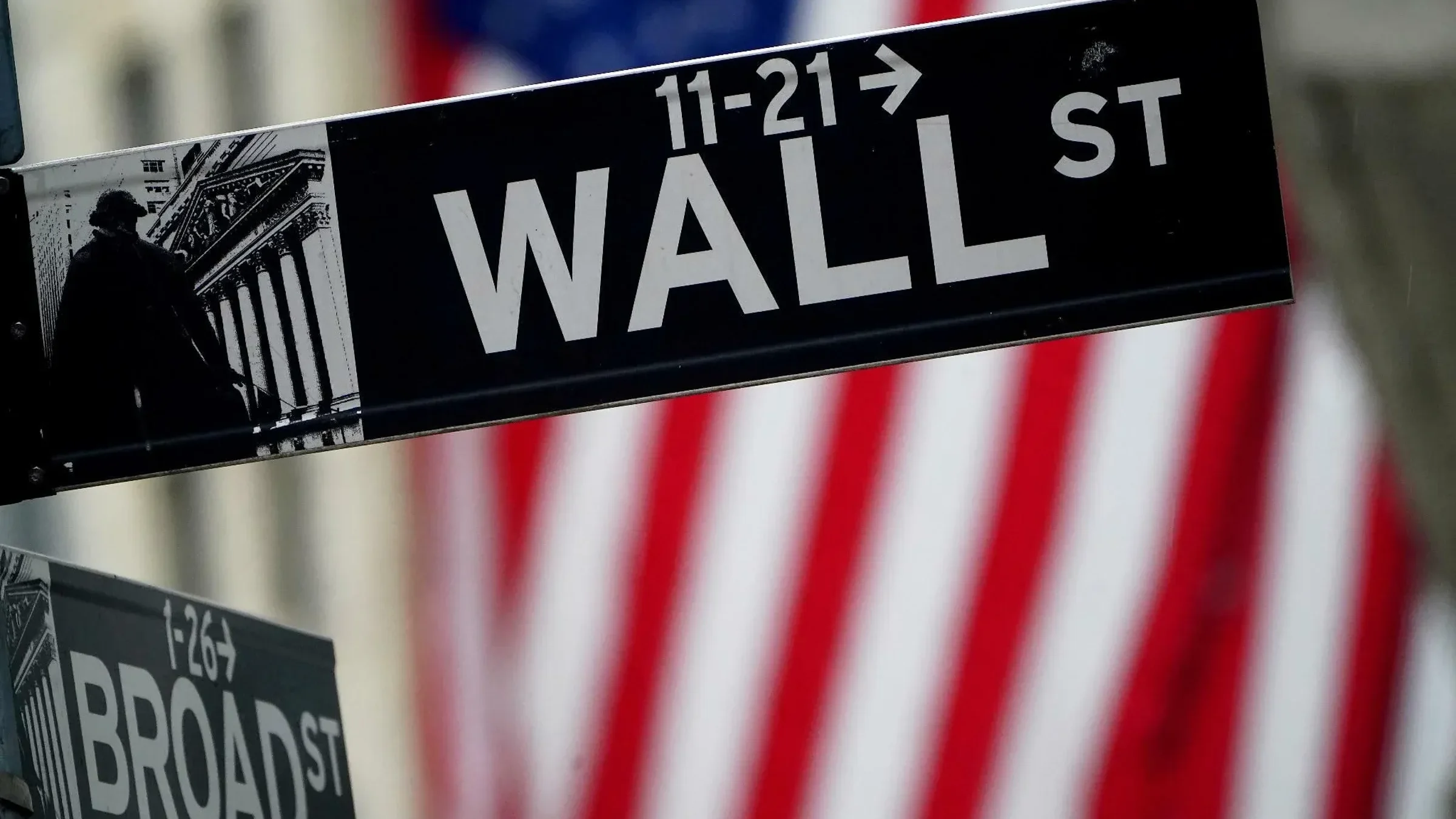
Despite a fresh wave of geopolitical uncertainty stemming from the Middle East, the major US stock indices—the Dow Jones Industrial Average, the S&P 500, and the Nasdaq Composite—opened the trading session in positive territory this Tuesday. The resilience of the American equity markets suggests a calculated investor sentiment that prioritizes upcoming corporate performance over the volatile headlines emerging from the Red Sea.
While the Houthi rebels in Yemen have escalated their rhetoric and actions, threatening international shipping routes, Wall Street has largely decoupled these regional geopolitical risks from immediate market valuation. Instead, institutional and retail investors are sharpening their focus on the "earnings season," with highly anticipated quarterly reports from major technology stalwarts, specifically Alphabet and Intel, set to serve as the primary catalysts for market direction in the coming days.
Chronology of the Red Sea Escalation
The current geopolitical anxiety is rooted in a series of strategic maneuvers by the Houthi movement in the Red Sea, a critical artery for global energy and trade.
- Initial Tensions: The situation in the Bab al-Mandab Strait—a narrow, vital chokepoint at the southern entrance to the Red Sea—has been deteriorating for months, mirroring broader tensions in the Middle East.
- The Monday Ultimatum: On Monday, Houthi leadership issued a formal warning, effectively declaring a "seeblockade" against Saudi-bound vessels. The group explicitly cautioned global shipping companies against utilizing Saudi ports, threatening that any vessel attempting to load or unload cargo in these locations would be subject to military intervention.
- Market Reaction: By Tuesday morning, the announcement had sent ripples through the global energy markets. While stock indices in New York showed strength, the price of crude oil climbed, reflecting the market’s acute awareness of the potential for supply chain disruptions in a region that accounts for a significant percentage of global oil transit.
- The "Second Strait" Fear: Financial analysts have noted that the disruption at the Bab al-Mandab Strait is particularly concerning because it represents a "second front" for maritime logistics, following the long-standing risks associated with the Strait of Hormuz.
Supporting Data: Why Energy Markets Are Watching
The volatility in the energy sector is not merely reactionary; it is grounded in the structural importance of the affected geography. The Bab al-Mandab Strait serves as a transit point for millions of barrels of oil and refined products every day. Any significant impediment to this route forces tankers to take longer, more expensive detours—often around the Cape of Good Hope—thereby increasing insurance premiums and shipping costs.
While equity markets remain robust, the divergence between the stock market’s optimism and the energy market’s caution is noteworthy. Investors are currently betting that the US and its allies possess the naval capacity to maintain "freedom of navigation" in the region. Should the situation escalate into a prolonged military conflict that effectively closes the strait, the inflationary pressure on energy prices could force a reassessment of the current market rally.
The Corporate Lens: Tech Earnings Take Center Stage
The reason the stock market remains in the green despite these external pressures is the market’s laser-focus on fundamentals. This week is a critical juncture for the technology sector, which has been the primary driver of the S&P 500’s gains over the past year.
Alphabet (Google): The AI Barometer
Alphabet’s earnings, expected on Wednesday, are viewed as a bellwether for the digital advertising market and the company’s progress in the generative AI space. Investors are looking for evidence that the massive capital expenditures in AI infrastructure are beginning to yield tangible revenue streams. Any sign of weakness in Google’s ad business or a delay in AI monetization could spark volatility, regardless of the situation in the Middle East.
Intel: The Semiconductor Play
Intel’s report on Thursday carries equal weight. As the semiconductor industry navigates a complex environment of chip manufacturing expansion and intense competition from rivals like Nvidia and AMD, Intel’s guidance will be scrutinized for insights into the health of the PC market and the company’s "foundry" business strategy. For tech investors, these two reports are far more consequential for their portfolios than the geopolitical maneuvers of non-state actors in the Red Sea.

Official Responses and Strategic Implications
Governments and international maritime bodies are currently navigating a delicate balancing act. While the US and the United Kingdom have bolstered their naval presence in the region to deter attacks, they have been careful to avoid a full-scale direct conflict that could trigger a regional war.
The Diplomatic and Military Stance
The White House and the Pentagon have reiterated their commitment to maintaining open maritime lanes. However, the Houthi tactics—involving drones and small, agile boats—present a "low-cost, high-disruption" threat that is difficult to neutralize completely. The military implication is a prolonged period of escort operations, which adds significant operational costs to the global shipping industry.

Macro-Economic Implications
- Inflationary Pressure: If oil prices remain elevated due to shipping fears, this could complicate the Federal Reserve’s path toward interest rate normalization. Persistent energy inflation makes the "soft landing" scenario more precarious.
- Supply Chain Reconfiguration: Global trade may face a permanent shift in route planning. Shipping companies are increasingly factoring "geopolitical risk premiums" into their long-term logistics contracts, which could permanently alter the cost of goods imported from Asia to Europe and the US.
- Market Sentiment: The "wall of worry" currently surrounding the markets is being climbed with confidence. The underlying message from institutional investors is clear: unless the Middle East crisis evolves into a direct conflict between major powers (such as Iran and the US), the focus will remain on earnings growth, valuation, and the trajectory of US interest rates.
Conclusion: A Market in Transition
As the week progresses, the narrative of the US markets will likely be defined by the tension between these two forces: the calm, earnings-driven optimism of the technology sector and the unpredictable, energy-sensitive volatility of global geopolitics.
For the time being, Wall Street has signaled that it is willing to look past the smoke on the horizon, choosing instead to focus on the balance sheets of the companies that define the modern economy. Investors should, however, remain vigilant. The stability of the current rally is contingent on both the continued success of these corporate earnings and the maintenance of a status quo in the Red Sea. Any shift in the latter could easily undo the gains of the former. As always, in an interconnected global economy, the distance between a boardroom in Silicon Valley and a shipping lane in the Middle East is much shorter than it appears.