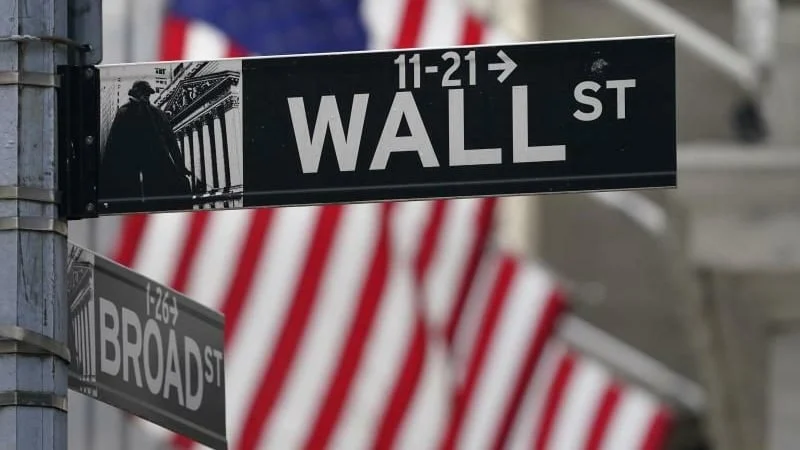
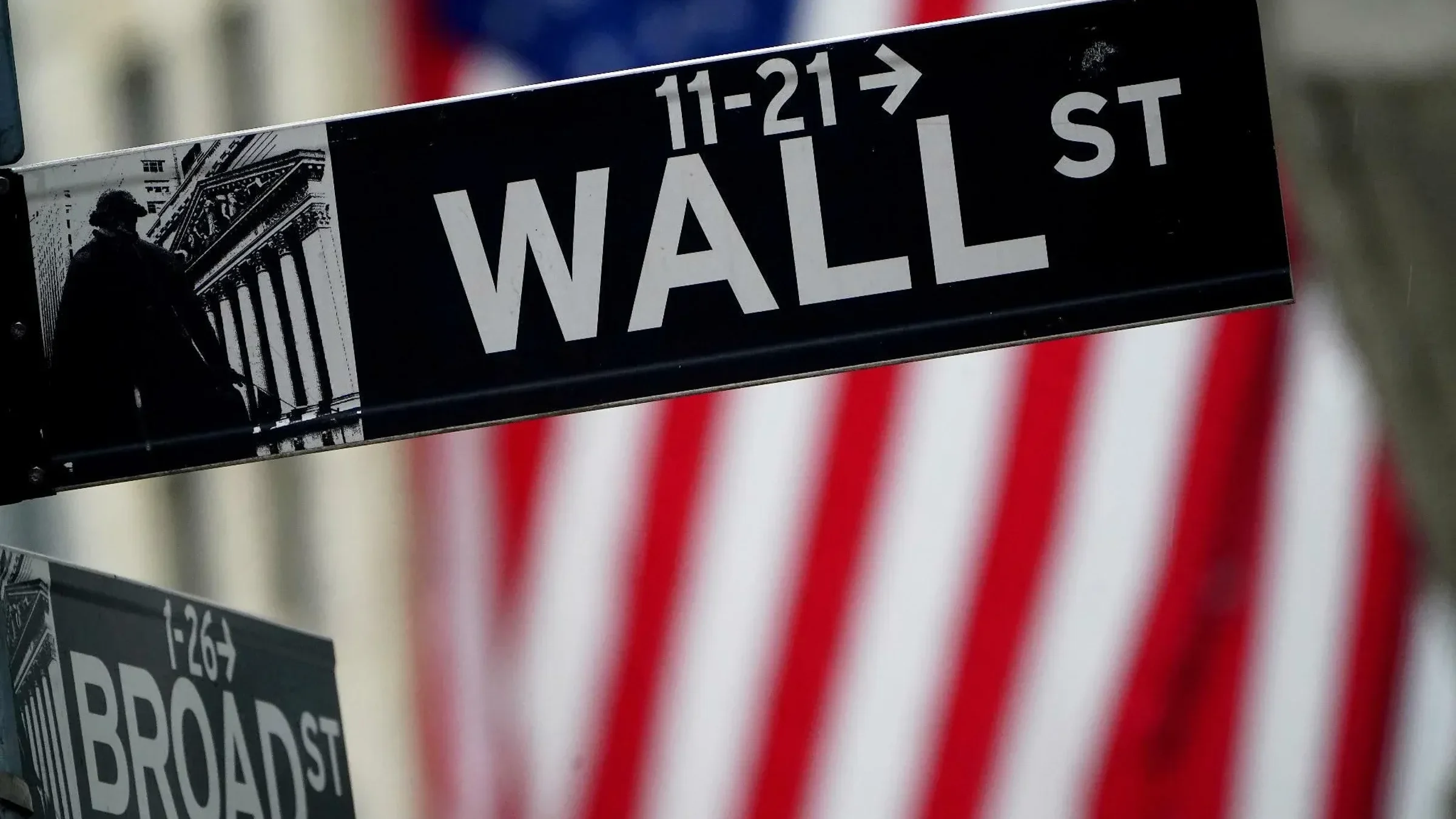
The final trading session of the week on Wall Street concluded on a high note, as investors pivoted from anxiety to optimism following the release of surprisingly soft employment data. While a cooling labor market typically signals economic headwinds, the current climate on the New York Stock Exchange is characterized by a "bad news is good news" dynamic. The market’s reaction is rooted in the belief that a weakening labor sector will provide the Federal Reserve with the necessary justification to initiate interest rate cuts, thereby shielding the economy from a deeper recession.
For the week, the three major US indices—the Dow Jones Industrial Average, the S&P 500, and the tech-heavy Nasdaq—posted their most significant percentage gains since mid-April. This rally underscores the market’s intense sensitivity to the Federal Reserve’s "double mandate": ensuring price stability while simultaneously fostering maximum employment.
Main Facts: The July Employment Shock
The July employment report provided a jarring wake-up call for analysts. The Bureau of Labor Statistics data revealed that the US non-farm payrolls, excluding the agricultural sector, unexpectedly contracted by 23,000 positions. This figure stands in stark contrast to the consensus estimates from economists, who had projected a moderate growth of 80,000 new jobs.
This contraction has sent ripples through the financial community. Historically, a decline in job creation of this magnitude is viewed as a precursor to economic stagnation. However, for equity markets, the narrative is different. Investors are interpreting this cooling as a definitive sign that the labor market is finally loosening under the weight of high borrowing costs. By showing signs of fatigue, the labor sector has theoretically removed a major hurdle for the Federal Reserve’s policy committee, which has been hesitant to pivot toward a more dovish stance while the labor market remained historically tight.
Chronology of Market Sentiment
To understand the current surge, one must look at the progression of investor sentiment over the past week:
- Monday and Tuesday: Markets opened with a sense of trepidation. With uncertainty looming over the upcoming jobs report, trading volumes remained relatively muted. Investors were cautiously hedging their positions, wary of any data that might signal persistent, albeit slow, growth that could keep interest rates "higher for longer."
- Wednesday: Mid-week, market participants digested various regional reports and corporate earnings. While some sectors showed resilience, the underlying tone remained defensive as analysts emphasized that the "soft landing" narrative was under pressure.
- Thursday: Anticipation reached its peak as traders awaited the Friday morning labor data. Bond yields saw volatility, reflecting the market’s uncertainty regarding the Federal Reserve’s next move.
- Friday: The release of the employment numbers at 8:30 AM ET served as the catalyst for the rally. Despite the negative headline regarding job losses, the S&P 500 climbed 3.6 percent on the week, the Nasdaq surged 5.2 percent, and the Dow gained approximately 3 percent. The immediate reaction was a sharp decline in Treasury yields, which in turn provided the fuel for a broad-based equity rally.
Supporting Data and Market Analysis
The data released on Friday is more than just a number; it is a signal of structural shifts in the American economy.
Labor Market Indicators
The contraction of 23,000 jobs is the most significant deviation from consensus in recent memory. Historically, when employment growth falls significantly below the 100,000-per-month threshold, it is often seen as a warning sign of a cooling business cycle. However, the market is currently ignoring the recessionary implications and focusing instead on the "Pivot Factor."
Indices Performance
- S&P 500: The index reached new weekly highs, breaking through technical resistance levels that had held firm for much of the previous month.
- Nasdaq Composite: Tech stocks, which are particularly sensitive to interest rate expectations due to their reliance on future cash flows, were the primary beneficiaries. Companies like Atlassian saw significant price jumps, reflecting the market’s appetite for growth-oriented assets when capital costs are expected to fall.
- Dow Jones: While more stable, the Dow’s 3 percent weekly gain indicates that investors are rotating back into cyclical and industrial stocks, betting that a lower-rate environment will revitalize manufacturing and consumer spending.
Official Responses and Monetary Policy Implications
The Federal Reserve, under the leadership of Chair Jerome Powell, has maintained a data-dependent stance throughout the current cycle. The "double mandate" requires the central bank to balance the risk of inflation against the risk of rising unemployment.

For months, the Fed has argued that the labor market was "too hot," contributing to wage-push inflation. The recent data provides the first concrete evidence that this heat is dissipating. Wall Street analysts are now widely anticipating that the Federal Open Market Committee (FOMC) will use its upcoming meetings to signal the beginning of a rate-cutting cycle.
"The Fed is finally being granted the ‘soft landing’ data they have been looking for," noted one market strategist. "By cooling the labor market, the economy is doing the Fed’s work for them. They no longer need to be as aggressive with restrictive policy."

However, not all analysts are convinced that the news is entirely positive. Some warn that the "bad news is good news" sentiment is fragile. If the employment numbers continue to deteriorate in the coming months, the narrative could quickly shift from "rate cuts are coming" to "a recession is inevitable." This transition would likely trigger a massive sell-off as investors shift focus from monetary policy relief to the contraction of corporate earnings.
Broader Economic Implications: What Lies Ahead?
The implications of this week’s data are far-reaching.

The Consumer Impact
A weaker labor market, if it continues to trend downward, will eventually impact consumer confidence. While the current rally suggests investors are ignoring this for now, a sustained rise in unemployment will inevitably lead to a reduction in discretionary spending. Retailers, banks, and consumer goods companies are expected to face headwinds in the third and fourth quarters if the current hiring freeze translates into actual layoffs.
The Corporate Landscape
For corporate America, the prospect of lower interest rates is a double-edged sword. On one hand, the cost of debt service will decrease, which is a massive boon for companies with high leverage. On the other hand, the slowing economy suggests that top-line revenue growth may become harder to achieve. Investors should expect a divergence in performance, where companies with strong balance sheets and pricing power outperform those that rely heavily on economic expansion to drive sales.

The "Rate Cut" Narrative
The market has essentially priced in a high probability of a rate cut in the coming quarter. Any deviation from this expectation by the Federal Reserve—such as a decision to hold rates steady despite the weak data—would likely be met with extreme market volatility. The credibility of the Fed’s "data-dependent" approach is now on the line. If the data shows the economy is slowing, the market expects the Fed to act accordingly.
Conclusion: A Delicate Balance
The rally on Wall Street is a testament to the power of expectations. Investors are betting that the Federal Reserve will successfully navigate the transition from a high-inflation, high-rate environment to a more balanced, lower-rate landscape.

While the current market enthusiasm is palpable, the underlying reality of the American labor market remains a point of concern. The unexpected contraction in jobs is a clear warning sign that the economic tide is turning. As we move into the next phase of the fiscal year, all eyes will remain on the Federal Reserve and the upcoming economic indicators.
Investors must remain vigilant. While the promise of lower rates provides a strong tailwind for equities, the health of the broader economy remains the ultimate arbiter of market performance. The coming weeks will be crucial in determining whether this rally is the beginning of a new growth phase or a temporary reprieve before a more challenging economic reality takes hold. For now, however, Wall Street is choosing to embrace the pivot, celebrating the potential for relief from the tightening cycle that has dominated the financial landscape for the past two years.