By Editorial Staff
October 19, 2026
While carbon dioxide remains the primary focus of international climate policy, a far more potent and often overlooked threat is quietly leaking into our atmosphere: methane. Responsible for approximately 30 percent of the global temperature increase since the dawn of the Industrial Revolution, methane is a climate "force multiplier." Despite its devastating potential, the path toward mitigating its release is increasingly becoming a casualty of bureaucratic inertia and industrial lobbying.
As the European Union attempts to implement the world’s most comprehensive legislation to curb methane emissions in the energy sector, a new, troubling trend has emerged: the postponement of critical enforcement mechanisms.
The Magnitude of the Crisis: 124 Million Tons and Counting
According to the Global Methane Tracker 2026 published by the International Energy Agency (IEA), an estimated 124 million tons of methane were released into the atmosphere in 2025 alone due to the extraction and consumption of coal, oil, and natural gas.
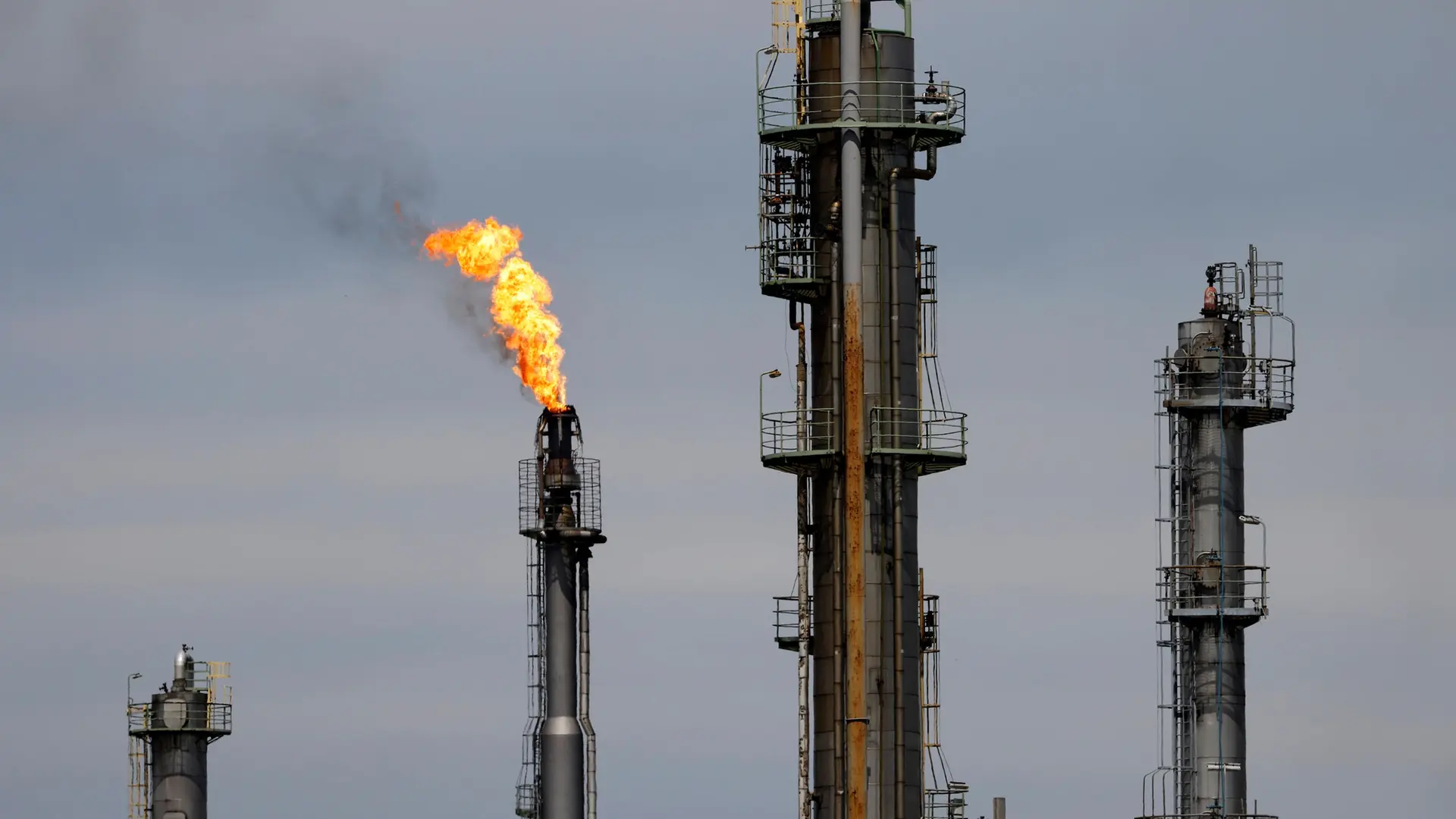
This figure is not merely a statistical abstraction; it represents a massive, preventable leak in the global energy system. The IEA estimates that nearly 70 percent of these emissions could be mitigated using existing, cost-effective technologies. From repairing faulty valve seals to upgrading pneumatic controllers, the tools for significant climate action are already in our hands. The barrier, therefore, is not technological—it is political.
The Anatomy of an Invisible Threat
Methane is a hydrocarbon that acts like a thermal blanket for the planet. While it does not linger in the atmosphere as long as carbon dioxide—which persists for centuries—methane is roughly 80 times more effective at trapping heat over a 20-year period.
The sources of these emissions are diverse and often hidden:
- Energy Sector: Leaky pipelines, abandoned oil wells, and intentional "venting" or "flaring" of gas during drilling operations.
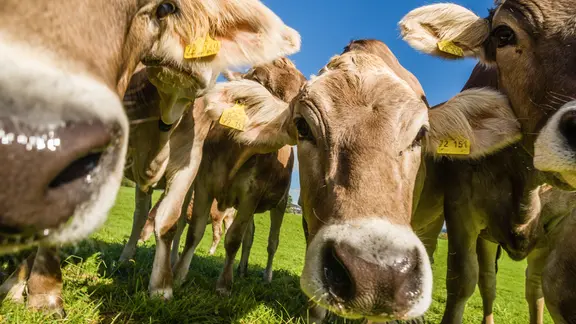
- Agriculture: Ruminant livestock, such as cattle, produce significant amounts of methane through enteric fermentation. While changing feed composition (as Denmark has begun to pioneer) offers a path forward, the energy sector remains the "low-hanging fruit" for rapid emission reductions.
- Waste Management: Decomposing organic matter in landfills continues to be a major, though often under-regulated, source.
A striking example of this mismanagement is the "Door to Hell" in Turkmenistan. For over 55 years, a massive gas crater has been burning, an unintended consequence of a botched drilling operation in the 1970s. While lighting the gas was intended to mitigate the danger, it has created a permanent, smoldering source of greenhouse gases—a grim monument to the long-term costs of short-term industrial decisions.

Chronology of Regulation and Recent Setbacks
- 2024: The European Union passes the landmark EU Methane Regulation, hailed as the first of its kind to regulate methane emissions throughout the entire fossil fuel supply chain.
- January 1, 2027 (Scheduled): The original deadline for mandatory reporting and rigorous verification of methane emissions for all oil, gas, and coal imported into the EU.
- October 2026: The European Commission submits a proposal to delay these crucial import verification requirements by one year.
- Current Status: Amid intense lobbying, internal debates continue, with some political figures, including German Federal Minister for Economic Affairs Katherina Reiche, having pushed for an even longer, three-year delay.
Technological Vigilance: Eyes in the Sky
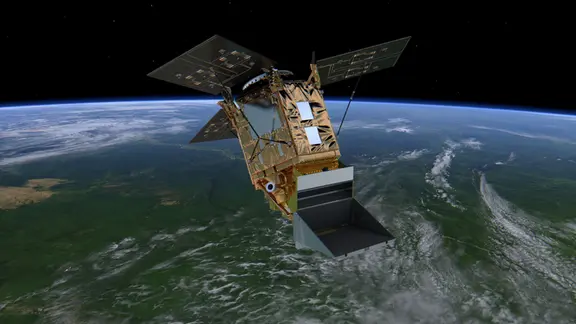
Detection is the prerequisite for mitigation. Recent advancements in satellite technology, such as the European Union’s Sentinel-5P mission, have revolutionized our ability to spot "methane hotspots" from orbit. A recent study from Stanford University confirmed that these specialized sensors could detect over 90 percent of controlled methane releases.
However, the technology is not infallible. Cloud cover and varying atmospheric conditions can obscure data, and current quantitative estimates of release volumes still carry a margin of error of approximately 44 percent. Despite these limitations, the existence of this data creates a "transparency revolution." Companies can no longer claim ignorance about where their leaks are occurring, making the argument for regulatory delay increasingly difficult to defend on purely technical grounds.
The Role of Industry Lobbying
The recent push to delay the EU Methane Regulation has raised eyebrows among environmental scientists and civil society groups. Investigations into the decision-making process, including detailed in the REICH – The Gas Business podcast, suggest that industry stakeholders have been exerting significant pressure on policymakers.
Critics argue that the proposed delays prioritize the profit margins of energy importers over the collective security of the climate. The argument for delay often centers on the "readiness" of supply chains in third countries. However, proponents of the regulation point out that these importers have had years to prepare. They argue that if the EU—the world’s largest trading bloc—does not enforce its standards, it sends a signal that climate commitments are merely aspirational, not binding.
Official Responses and Political Implications
When confronted with the proposal to delay, officials often cite "market stability" and "security of supply" as justifications. The narrative is that overly aggressive regulation could lead to supply shortages or price spikes in energy-importing nations.
However, energy experts argue that the cost of repairing leaks is, in most cases, exceptionally low compared to the market value of the captured gas. Far from being a financial burden, rapid leak detection and repair (LDAR) programs can actually pay for themselves by preventing the loss of a valuable commodity.
The implications of this shift are profound:
- Global Precedent: If the EU delays its own rules, it weakens the bloc’s position in global climate negotiations, such as COP summits.
- Market Distortion: A delay creates an uneven playing field, where companies that have already invested in leak-detection infrastructure are disadvantaged compared to those that have deferred such investments.
- Climate Tipping Points: Because methane has a shorter lifespan than CO2, reducing its concentration today provides an immediate "braking" effect on global warming. Every year of delay is a lost opportunity to avoid near-term temperature spikes.
Conclusion: A Test of Political Will
The struggle over the EU Methane Regulation is a litmus test for the sincerity of European climate policy. Methane is not just an environmental issue; it is a management issue. We have the satellites to see the leaks, the technology to fix them, and the economic incentive to capture the gas.
The argument that we must "wait" to implement standards for imports is increasingly seen as a failure of political resolve. As the climate warms and the "thermal blanket" thickens, the decision to postpone action on methane represents one of the most significant, and avoidable, errors in modern energy policy. Whether the EU will stand by its commitment or buckle under the weight of industrial influence remains the defining question of the coming months.
As the world watches, the "Hells of the climate crisis"—the burning, leaking, and venting of methane—continue to glow. The question is not whether we can put out these fires, but whether we have the political courage to do so.