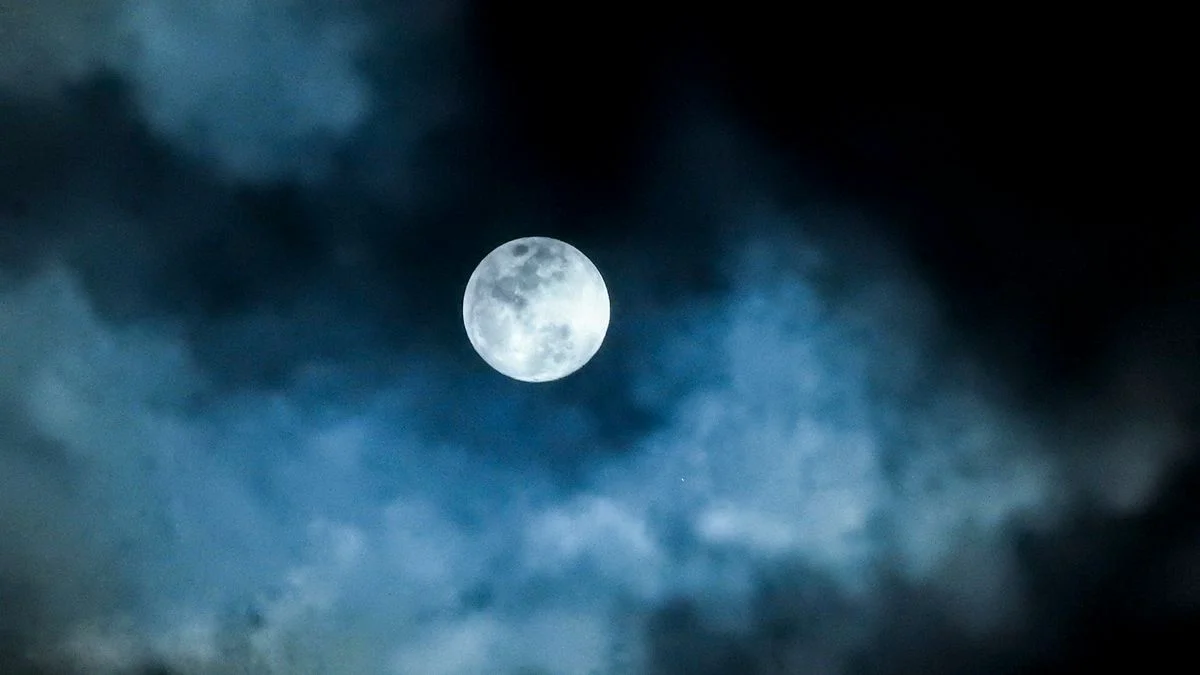
For centuries, the moon has held a dual identity in the human psyche: it is at once a source of poetic inspiration and a perennial scapegoat for erratic behavior and physiological unrest. From the etymology of the word "lunacy" to the folklore surrounding restless nights, the lunar cycle is deeply embedded in our cultural consciousness. Yet, as modern science delves deeper into the intricacies of human circadian rhythms, the question remains: does the celestial dance of the moon truly dictate the quality of our sleep, or are we simply victims of confirmation bias?
The Main Facts: Defining the Lunar-Sleep Connection
The hypothesis that the lunar cycle influences human sleep patterns is a subject of ongoing debate within chronobiology. While some studies suggest a correlation between the full moon and decreased sleep duration or efficiency, the scientific community remains largely skeptical, pointing to the absence of a clear biological mechanism.
The primary claim is that during a full moon, individuals experience a reduction in deep sleep (NREM) and a delayed onset of Rapid Eye Movement (REM) sleep. Some researchers propose that, even in the age of artificial light, humans may retain a vestigial sensitivity to lunar light intensity, which could theoretically suppress melatonin production. However, others argue that external factors—such as the increased brightness of the night sky or the psychological anticipation of "full moon restlessness"—are the true drivers of these perceived disturbances.
A Chronology of Research: From Folklore to Laboratory
The scientific journey to understand the lunar influence on human physiology has been long and fraught with contradictory findings.
- Pre-20th Century: The connection was largely rooted in anecdote and medical folklore. Physicians often attributed sudden spikes in psychological distress or insomnia to the lunar phase, a practice that persisted well into the Enlightenment.
- The 1980s and 90s: Interest in "lunar chronobiology" surged as researchers began utilizing early sleep-tracking technology. Early studies often lacked large sample sizes, leading to results that were statistically fragile.
- 2013: The Landmark Study: A notable study published in Current Biology suggested that participants in a controlled laboratory setting—shielded from the moon’s light—still exhibited changes in brain activity associated with deep sleep during the full moon. This study ignited intense controversy, as critics argued that the small sample size was insufficient to make broad claims.
- 2021: The Large-Scale Analysis: A study published in Science Advances analyzed sleep data from hundreds of participants in both rural and urban settings. The researchers found that, in the days leading up to the full moon, people went to sleep later and slept for shorter periods. Interestingly, the effect was observed regardless of the level of artificial light, suggesting that something beyond mere illumination might be at play.
Supporting Data: Dissecting the Evidence
To understand the scope of the impact, we must look at the quantitative data gathered across various demographics.
The Impact of Illumination
While many modern bedrooms are climate-controlled and shielded from outside light, the Science Advances study highlighted that even in communities with little to no electricity, the trend toward later sleep onset during the full moon persisted. This indicates that the moon’s impact, if real, is not solely dependent on the intensity of the light hitting the retina.
The "Vestigial Clock" Theory
Some chronobiologists propose the "circalunar clock" hypothesis. This suggests that humans may have evolved an internal, month-long biological rhythm that was once essential for hunting, gathering, or mating. While this clock may have become largely vestigial in the modern era, remnants of it might still cause subtle fluctuations in our hormonal output, particularly regarding cortisol and melatonin, during the moon’s transition through its phases.
Statistical Challenges
A significant hurdle in this research is the "noise" of modern life. Factors such as caffeine intake, blue light exposure from screens, work stress, and temperature fluctuations are far more influential on sleep than the lunar cycle. Disentangling the lunar variable from these potent "sleep thieves" requires massive datasets and rigorous control, which are rarely achieved in standard clinical settings.
Official Responses and Expert Consensus
The scientific consensus is currently one of cautious skepticism. Organizations such as the American Academy of Sleep Medicine (AASM) generally do not recognize lunar phases as a clinical factor in the diagnosis of insomnia or other sleep disorders.
"The evidence is intriguing but remains largely circumstantial," notes Dr. Elena Vance, a specialist in sleep medicine. "When we look at the data, we often find that when people believe they will sleep poorly, they do. The power of expectation, coupled with the tendency to notice a full moon only when one is awake and looking out the window, creates a potent cocktail of confirmation bias."
However, some researchers in the field of chronobiology argue that dismissing the phenomenon entirely is premature. They point out that biological rhythms are governed by light, and the moon is, by definition, a light source. Even if the effect is minuscule, it represents a frontier in our understanding of how cosmic cycles interact with the human endocrine system.
Implications: What Does This Mean for the Average Sleeper?
If the moon does affect our sleep, what are the implications for public health?
1. The Psychological Trap
The most immediate implication is the psychological impact of the "full moon myth." If individuals internalize the idea that they will sleep poorly during a full moon, they may develop "sleep anxiety," which in itself is a primary cause of insomnia. The stress of expecting a bad night’s sleep often creates a self-fulfilling prophecy.
2. Improving Sleep Hygiene
Regardless of whether the moon influences our circadian rhythms, the solution to poor sleep remains consistent. Experts emphasize that the best defense against any sleep disturbance—lunar or otherwise—is strict adherence to sleep hygiene:
- Consistency: Maintaining a regular sleep-wake schedule.
- Environment: Keeping the bedroom cool, dark, and quiet.
- Digital Detox: Avoiding screens at least one hour before bed to prevent blue light from suppressing natural melatonin production.
3. Future Research Directions
The future of this field lies in wearable technology. As millions of people utilize smartwatches and fitness trackers to monitor their sleep, researchers now have access to millions of nights of data across diverse geographical and social backgrounds. This "big data" approach will eventually allow scientists to filter out the noise of modern life and determine once and for all if the moon leaves a measurable footprint on our biology.
Conclusion: The Celestial Mirror
Whether the moon exerts a gravitational or light-based force on our sleep remains an open question that sits at the intersection of biology, psychology, and mythology. While it is tempting to look at the night sky and find a scapegoat for our fatigue, the reality is likely more complex. We are organisms deeply attuned to our environment, and our sleep is a delicate balance of internal rhythms and external stimuli.
For now, the full moon serves as a celestial mirror: it reflects our fascination with the mysteries of our own consciousness. Until conclusive evidence arrives, the best course of action is to focus on what we can control—our habits, our environment, and our mindset—while leaving the lunar influence to the poets, the astronomers, and the chronobiologists of the future. As we continue to study the stars, we learn as much about the limitations of our own scientific inquiry as we do about the universe itself.