A Sunday Ritual Against the Tide
For most amateur footballers in Germany, an away game involves a short drive to a neighboring village, a quick warm-up, and perhaps a post-match beer in the clubhouse. For the players of TuS Borkum, the "away day" is an odyssey. It is a logistical tightrope walk against the clock, the North Sea, and the rigid schedules of the AG Ems ferry company.
On a bright Sunday in May, Sebastian Kasten, acting as the team’s stand-in coach, fumbles with his smartphone. He is scrolling through his call history, searching for the number of the ferry operator. "Hello," he says, his voice a mix of urgency and practiced politeness. "Sebastian Kasten here from TuS Borkum. Could you possibly wait for us for a moment? We’re aiming to arrive at the pier exactly on time."
The stakes are high. If they miss the boat, the team faces a three-hour wait in Emden—a prospect that turns a long match day into a logistical nightmare. For these islanders, the match is not just about the scoreline; it is a battle to balance local identity with the unforgiving reality of living on the edge of the North Sea.
Chronology of a Sporting Odyssey
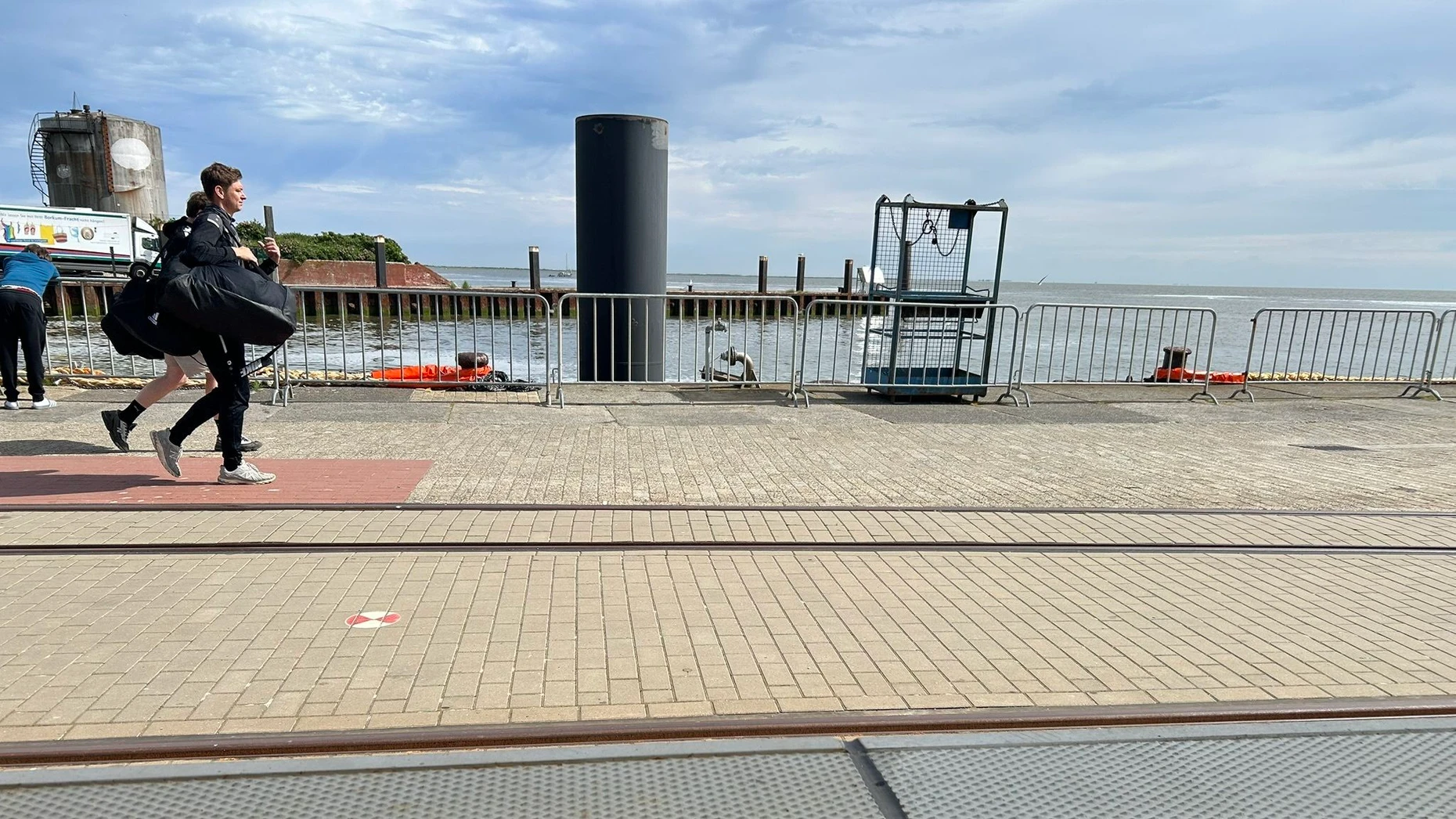
The day began six hours earlier at the Borkum ferry terminal. As seagulls circled the harbor, the team gathered, dressed in black polo shirts emblazoned with the TuS Borkum crest. They carried their gear bags and a ball sack like seasoned travelers.
- 10:00 AM: The team boards the catamaran. The atmosphere is casual—players play cards, discuss the previous night’s events, and check their phones.
- 11:00 AM: Arrival in Emden. The team transfers to a chartered bus for a 45-minute drive to Großheide, a municipality in the district of Aurich.
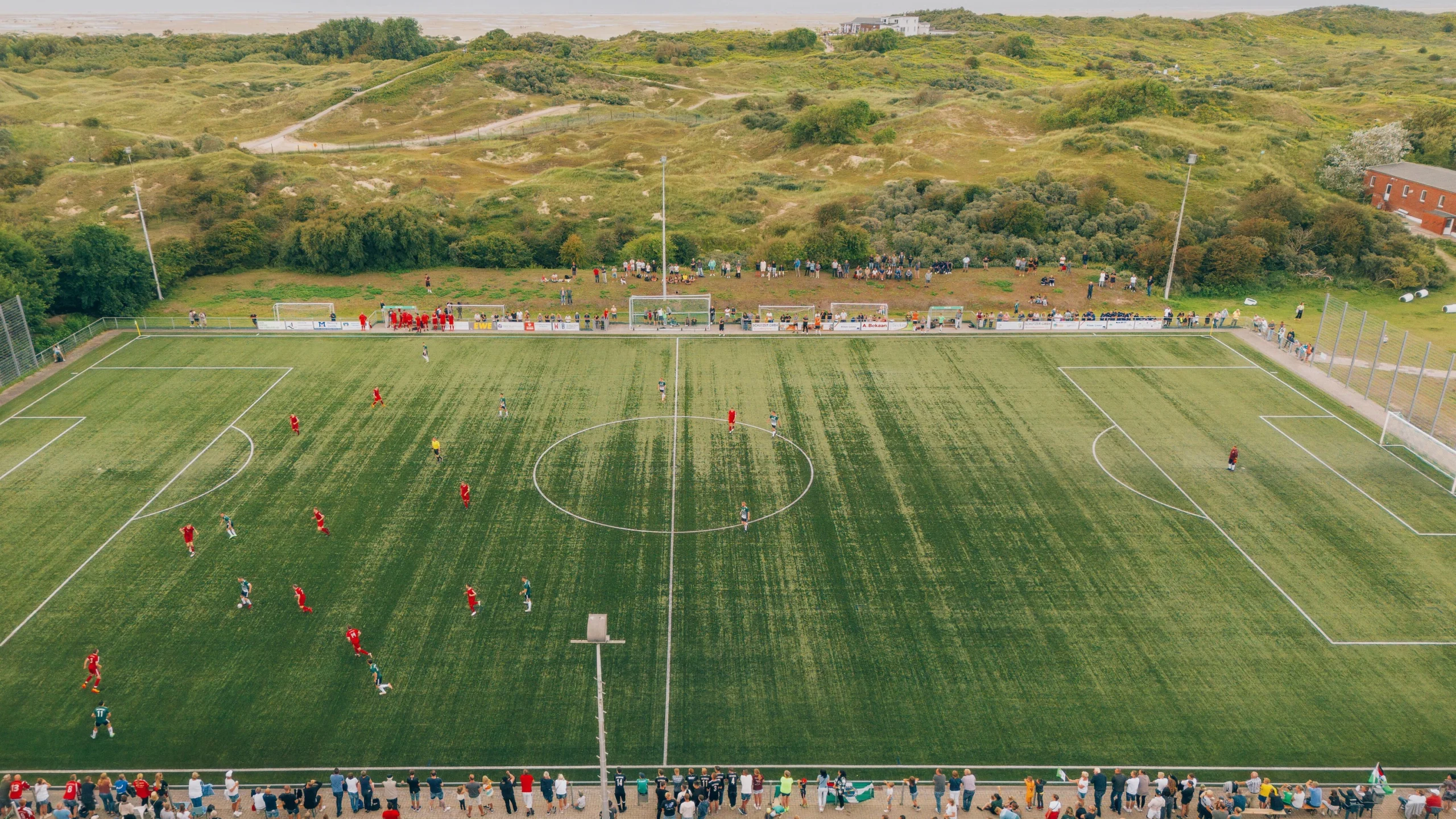
- 12:30 PM: Warm-up. The team encounters a dry, well-manicured grass pitch, a stark contrast to their own artificial turf back on the island.
- 2:00 PM: Kick-off. The reality of their season sets in: they are currently second-to-last in the away-game table of the Ostfrieslandklasse.
- 4:00 PM: Final whistle. The result is a heavy defeat, but there is no time to dwell on the loss. They have 45 minutes to reach the ferry.
- 4:42 PM: The bus reaches the Emden harbor, but a closed railway barrier threatens their escape. A frantic final phone call to the ferry company secures a short delay, allowing the team to scramble aboard just before departure.
The Anatomy of an Island Club
Borkum, the westernmost of the East Frisian Islands, has a history defined by whaling, tourism, and isolation. With over 300,000 annual visitors, the island is a tourism hub, yet the local sports culture remains remarkably insular. TuS Borkum, founded in 1890, is the heartbeat of the community. Whether it is archery, gymnastics, or football, the club serves as the primary social anchor for the islanders.
However, football in the North Sea is an endangered species. The logistical burden is simply too great for most. Neighboring islands like Baltrum, Spiekeroog, and Langeoog have long since ceased fielding football teams. TSV Juist folded its side in 2018. Only Norderney, Wangerooge, and Borkum remain, holding the line against the tide of centralization.
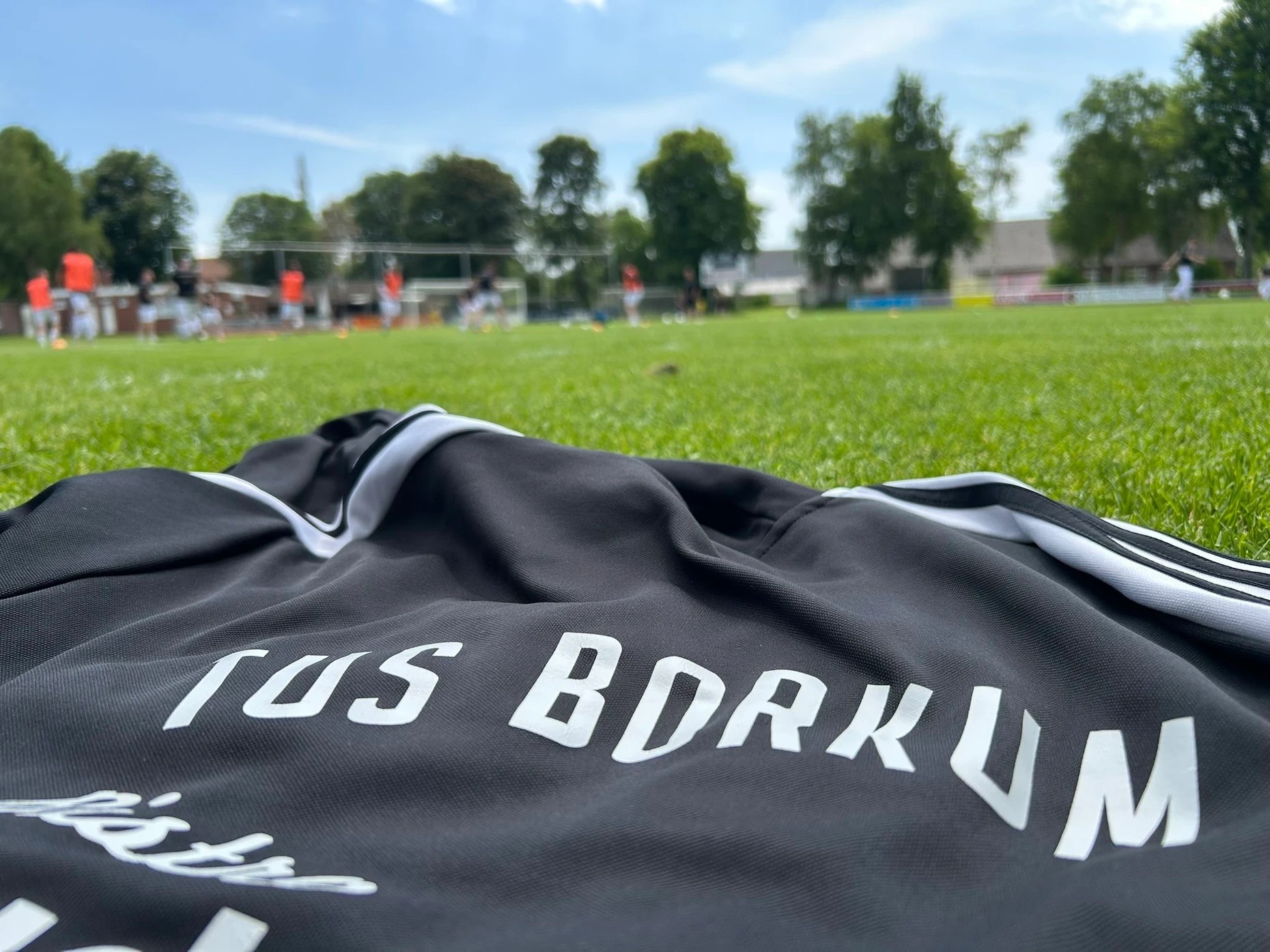
"It is different playing for an island club," explains Markus Schnippa, a veteran player who works for the local municipal utilities. "You can’t just change clubs; the identification is much stronger. Ultimately, you have to realize that you are representing the island."
Supporting Data: The Cost of Participation
The financial and physical toll on the club is immense. The team travels to 30 matches a season. While the summer months allow for the relatively quick catamaran crossing, the winter season is brutal. Players often depart the island at 7:00 AM, play a match at 10:00 AM, and rush back to catch the last ferry of the day.
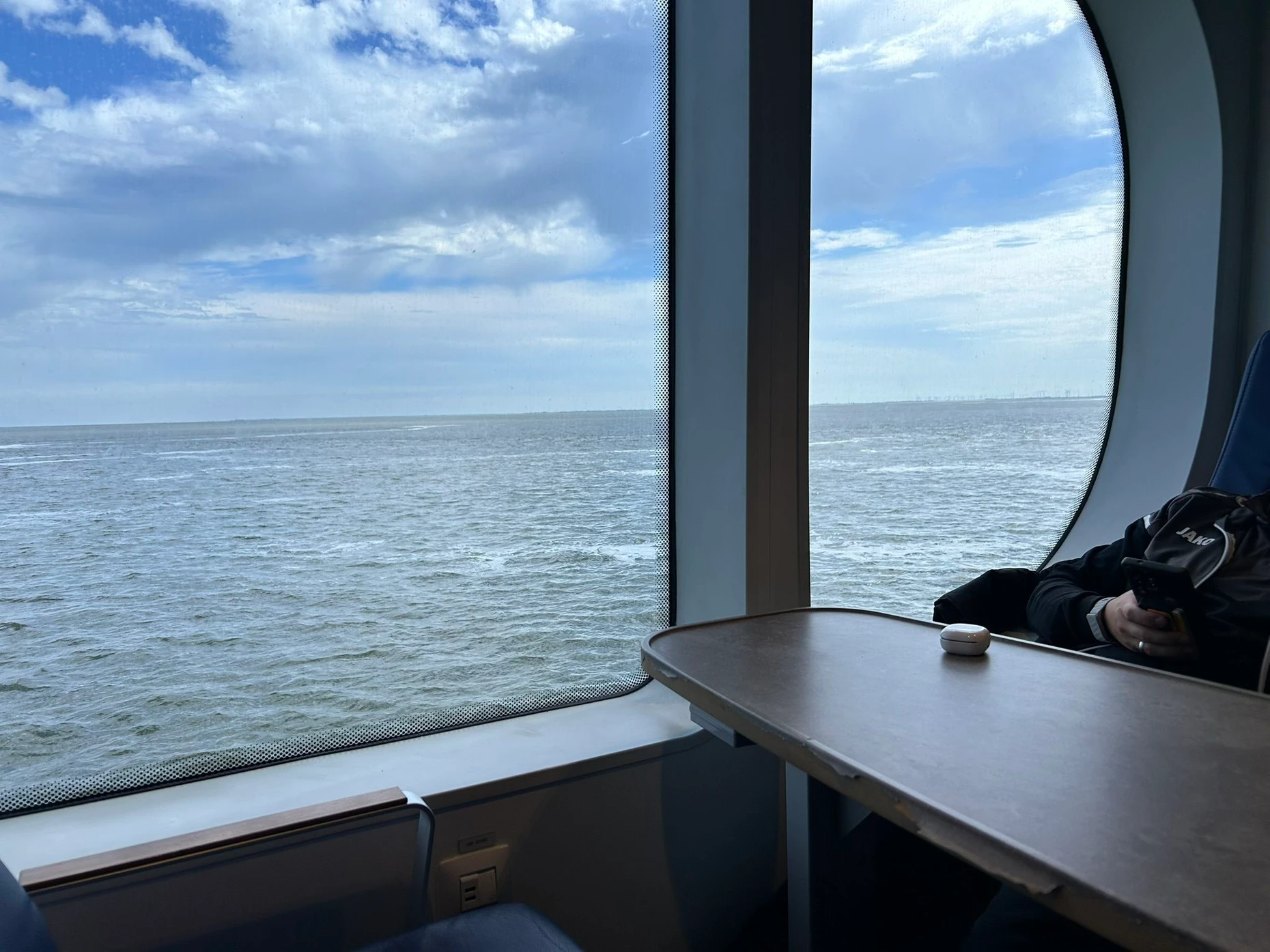
"We have to adapt to the ferry times," says Kasten. "That can mean you arrive at the pier, jump on the bus, change into your kit on the ride, warm up in the first ten minutes of the match, and have to return your bags to the bus at halftime so you can leave immediately after the final whistle—without showering."
The club subsidizes these extensive travel costs through the proceeds of a youth hostel they operate on the island. Despite the financial support, the player turnover is high. In the current season alone, TuS Borkum has fielded 41 different players. The transient nature of island employment, particularly in gastronomy and tourism, combined with the need for young people to head to the mainland for higher education, creates a constant state of flux.
Official Perspectives and Implications
The role of the coach at an island club is complex. They aren’t just managing tactics; they are managing a roster that is dictated by ferry schedules, work shifts, and the availability of players who live hundreds of kilometers away for school.
When asked about the future, the players express skepticism regarding the arrival of a new coach. "I don’t know if he understands that we aren’t a mainland club," says one player. "Everything runs differently here. As a player, you have more power at an island club. After all, who are they going to replace you with?"
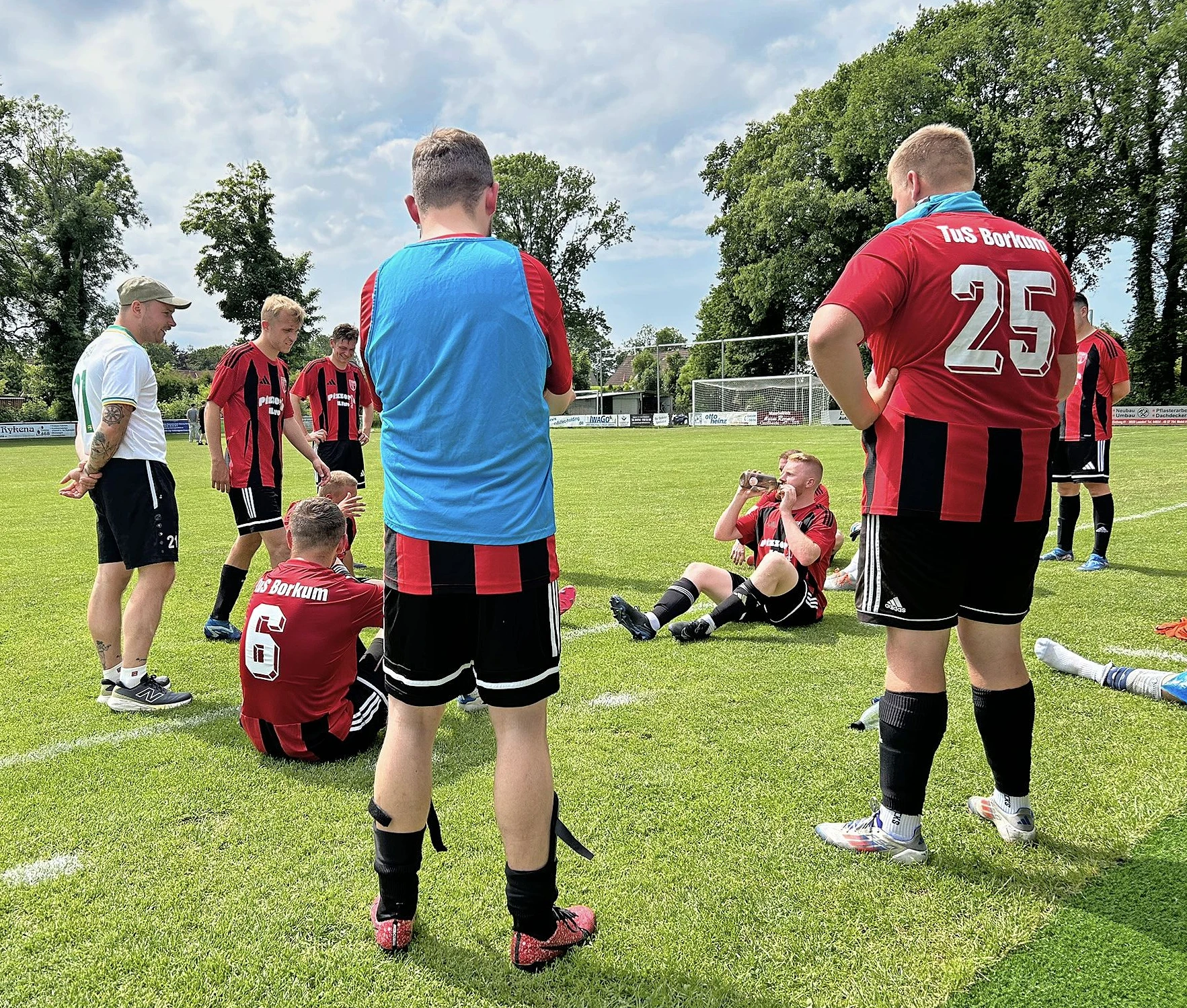
The lack of a true local rival also plagues the team. The last true derby against TuS Norderney two years ago saw hundreds of fans travel to the neighboring island—a rare occasion where the "away day" felt like a festival rather than a chore. Without such rivalries, the team struggles to maintain the intensity required to climb the league table.
The Broader Implications for Grassroots Sport
The plight of TuS Borkum raises fundamental questions about the sustainability of rural and remote sports in Germany. As the DFB (German Football Association) pushes for professional standards even in lower leagues, clubs like Borkum are squeezed between their desire to participate and the physical geography that makes it impossible to compete on equal terms.
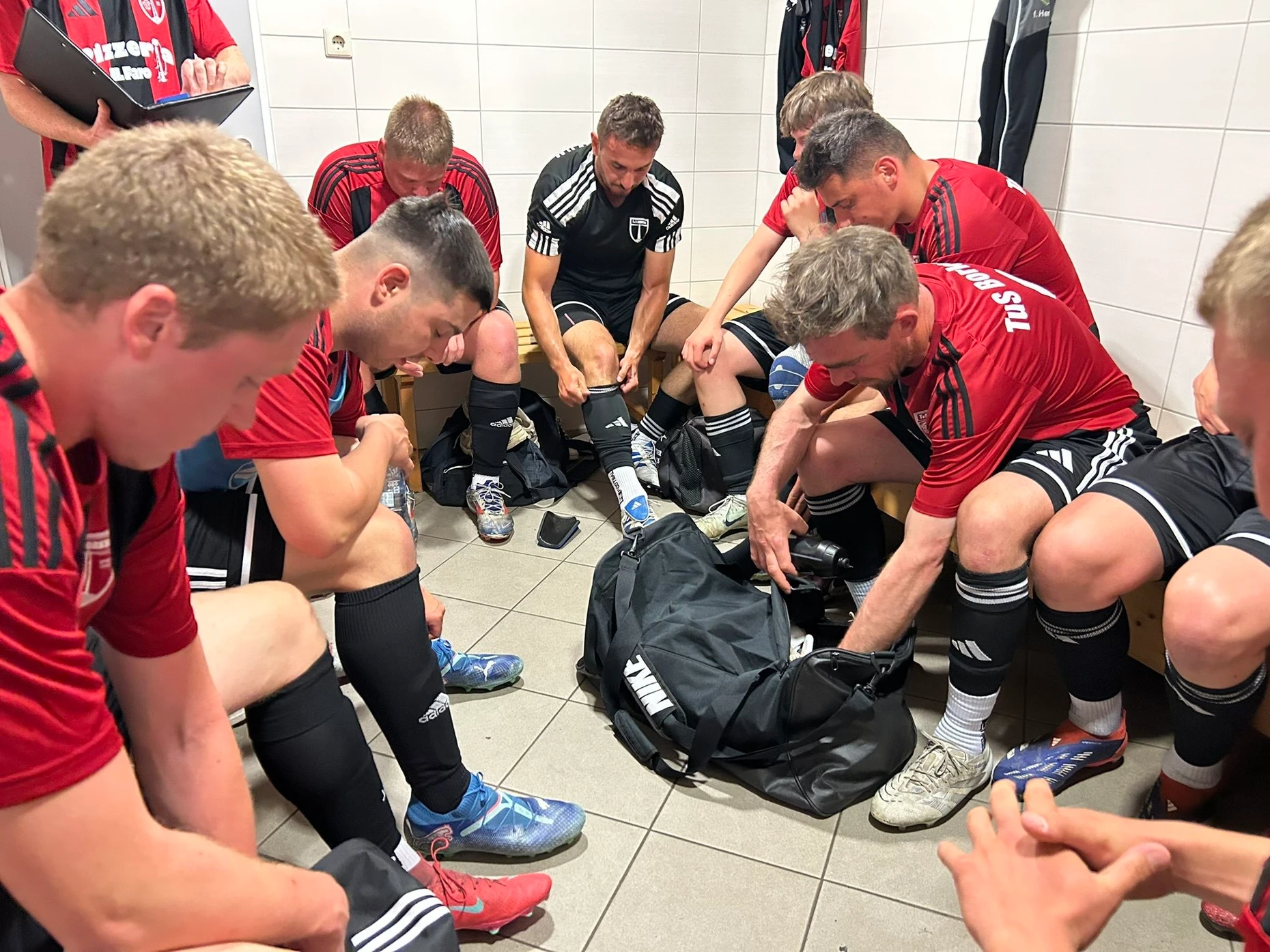
The "Matjestage" (Herring Days) in Emden, which the players joked about visiting after the match, serves as a poignant reminder of the normalcy they sacrifice for their sport. When the ferry finally departs, leaving the mainland behind, the silence in the cabin is heavy. The team has lost the match, they are exhausted, and they will be back to do it all again next weekend.
They do it because the club is more than a team—it is the glue holding a community together. As Sebastian Kasten prepares to leave the island for a sabbatical in South America, the team faces yet another challenge: finding someone else willing to coordinate the chaos. For now, the boat moves forward, carving a path through the North Sea, carrying a group of men who prove that in the world of amateur football, the journey really is the destination.