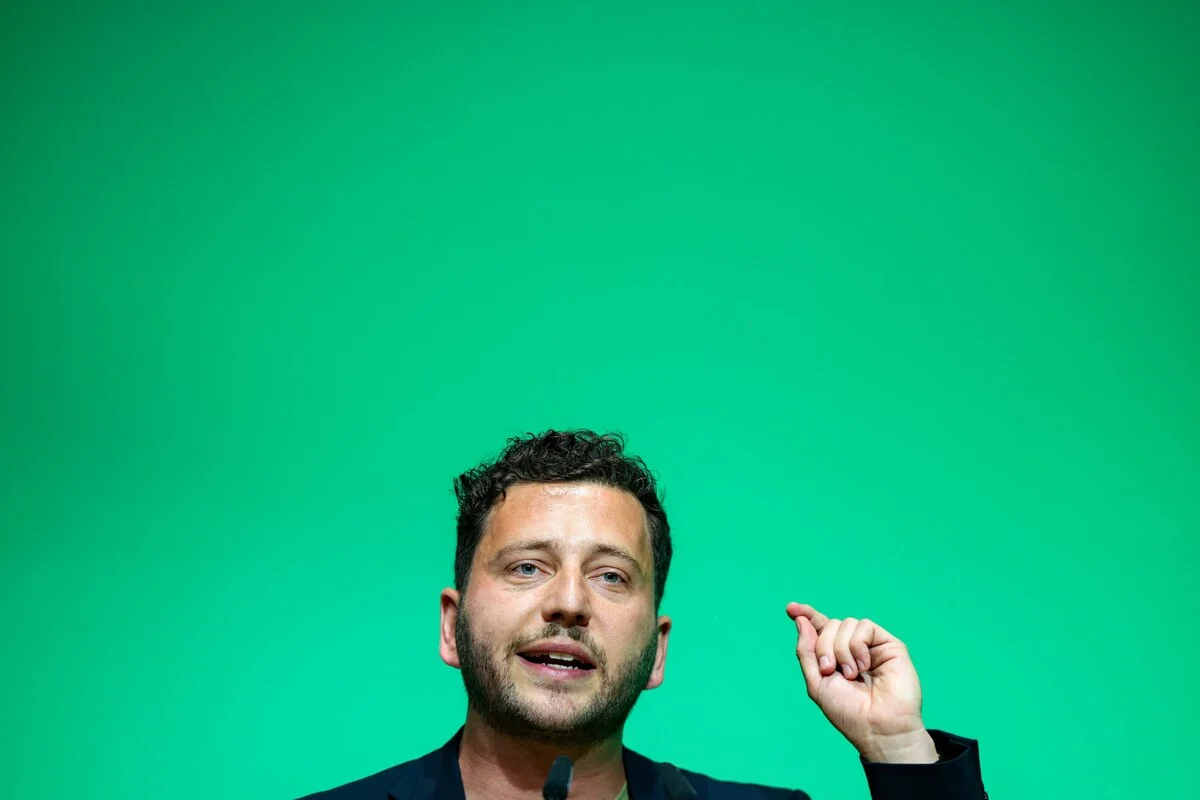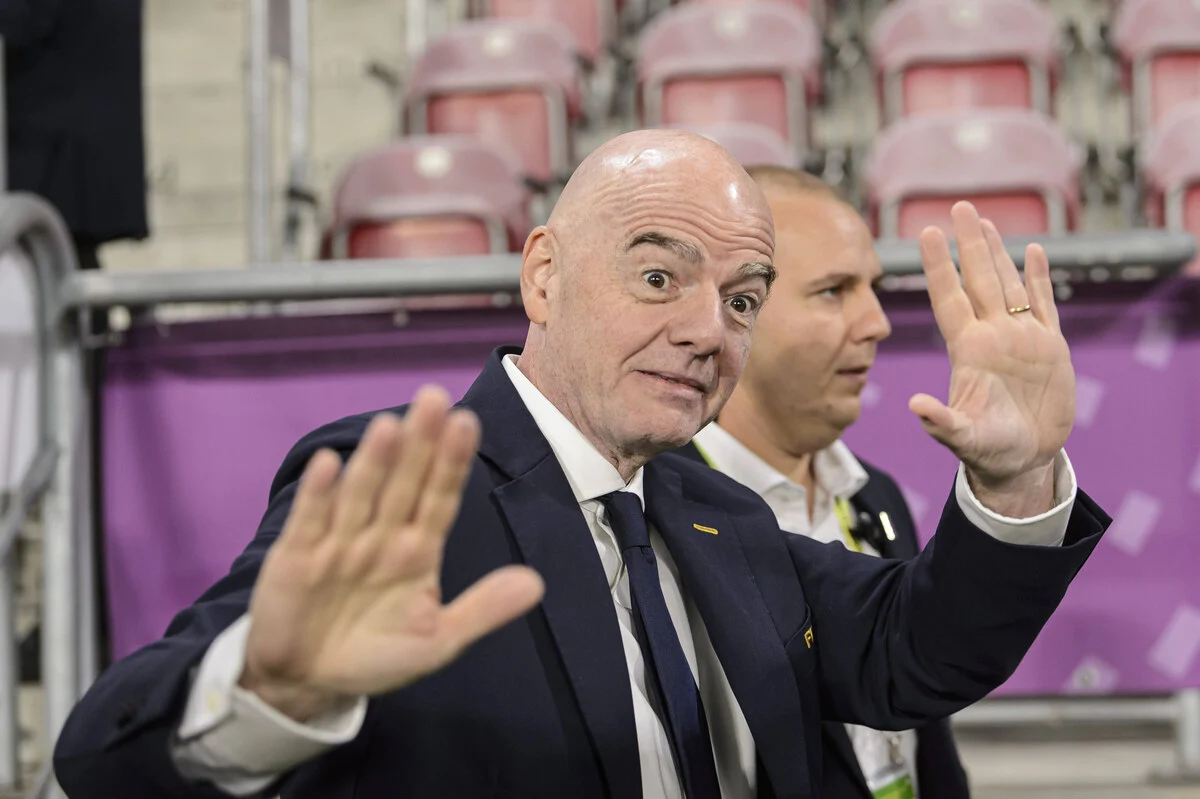
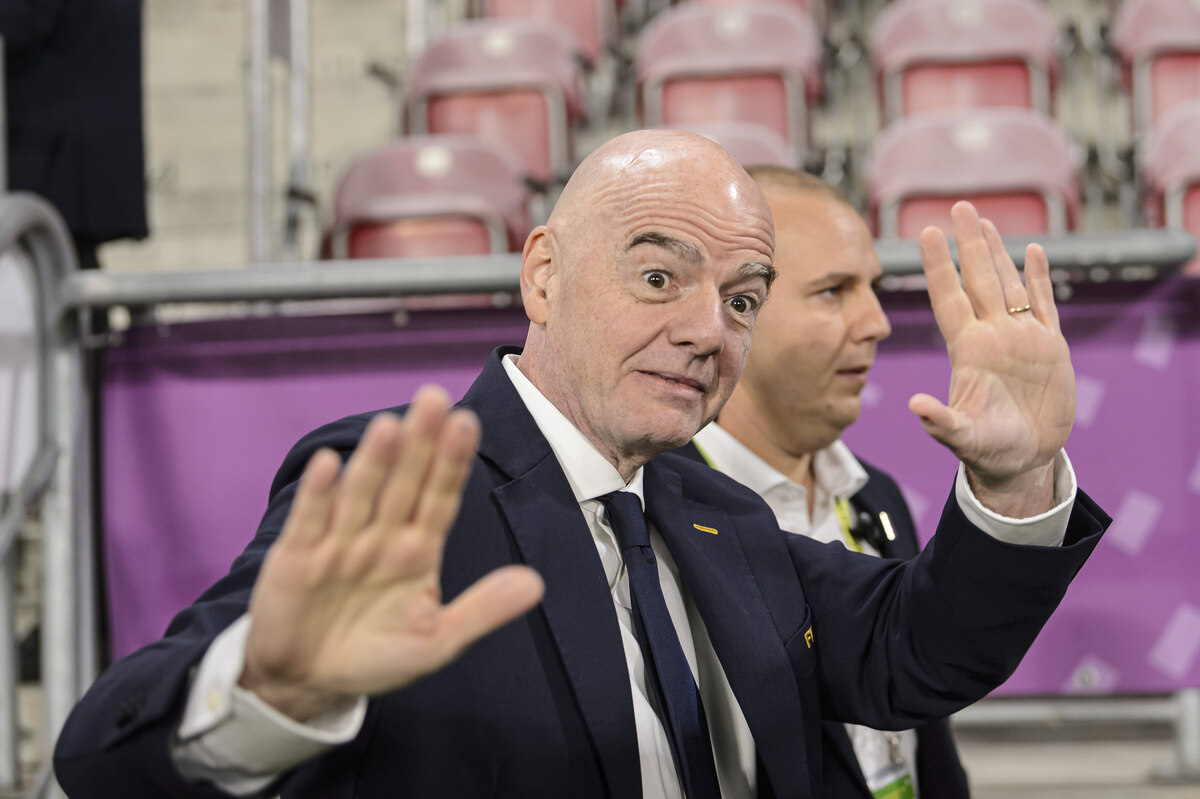
As the FIFA Council convenes in Zurich, the global governing body of football finds itself at a critical juncture. Ostensibly, this gathering of the 37-member council is meant to serve as the primary decision-making engine between FIFA congresses. In reality, the meeting takes place under the long shadow of President Gianni Infantino—a leader whose tenure has been defined by centralization of power, controversial financial maneuvers, and an increasingly fractious relationship with European football powerhouses.
While the agenda formally addresses the organization’s strategic direction, the atmosphere is charged with political intrigue. With the FIFA presidential election slated for March 18 in Kigali, Rwanda, the upcoming months represent a high-stakes period of lobbying, legal posturing, and financial diplomacy.
Main Facts: A Power Struggle in Zurich
The FIFA Council, tasked with setting the global agenda for football, has faced criticism in recent months for becoming a rubber-stamp body for President Gianni Infantino’s unilateral vision. Observers point to the sudden creation of the "FIFA Peace Prize"—famously presented to Donald Trump—and proposals to sell stakes in the FIFA World Cup to private investors as evidence of an executive branch operating with minimal oversight.
The tension has reached a boiling point, particularly with UEFA representatives. Europe’s governing body has grown increasingly weary of what it perceives as Infantino’s autocratic style and his push to monetize the sport’s most valuable assets at the expense of long-term stability. As the council meets in Zurich, the focus is squarely on whether the governing body will finally assert its authority over the president or if the lure of record-breaking financial distributions will silence dissent.
A Chronology of Confrontation
The path to this week’s meeting has been paved with institutional friction. The deterioration of the relationship between FIFA and its European members did not happen overnight; it is the culmination of years of diverging interests.
- Mid-2022: Tensions flare over the proposed sale of World Cup broadcasting and commercial rights to private equity firms. UEFA, representing the world’s most lucrative football leagues, openly opposes the move, fearing a loss of control and long-term value.
- Late 2022: Reports emerge regarding internal governance failures and the potential for a "shadow" management structure within FIFA, leading to a series of closed-door meetings among European officials in Berlin.
- Early 2023: UEFA President Aleksander Čeferin, previously a proponent of term limits, announces his intention to seek a fourth term. This strategic pivot is widely viewed as a direct challenge to Infantino, aimed at ensuring that an experienced opposition remains in place to counter the FIFA President’s agenda.
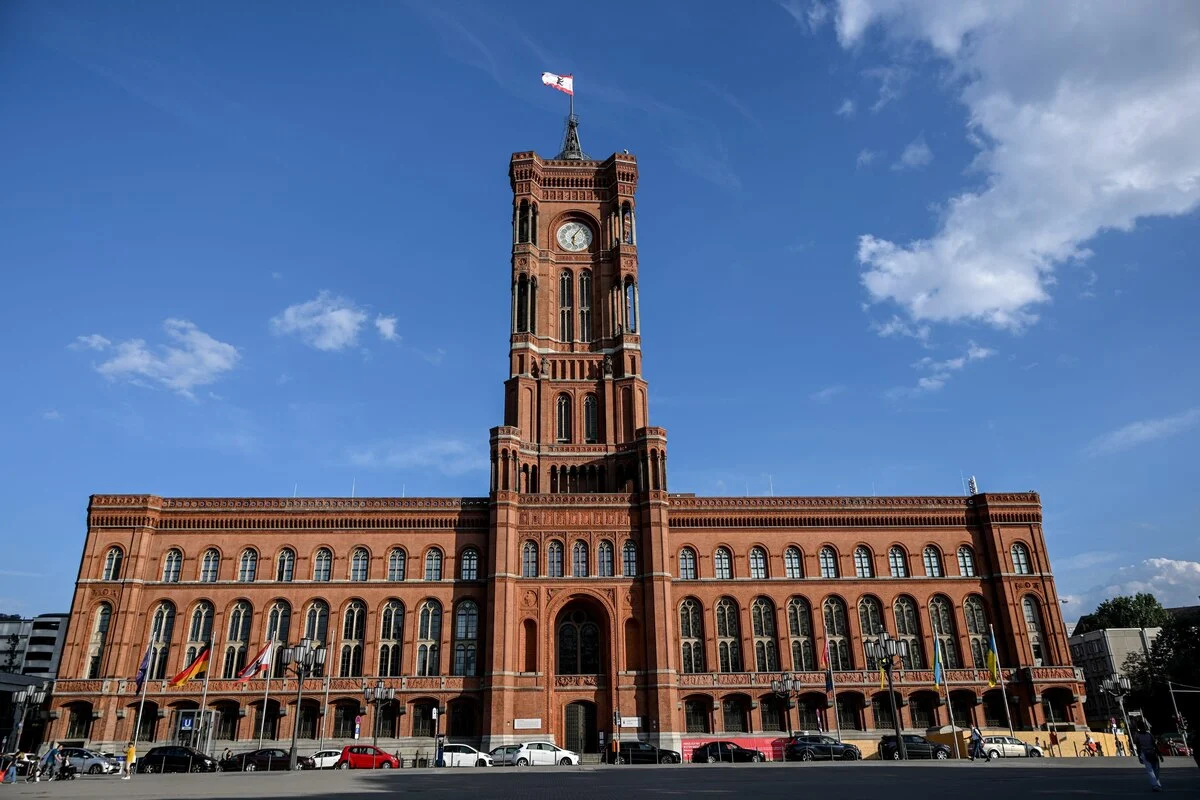
- The Pre-Meeting Summit: Last weekend, UEFA representatives gathered at a luxury hotel in Berlin to finalize their strategy for the Zurich council meeting, aiming to present a unified front against the controversial investor plans.
Supporting Data: The "Golden Handcuffs" of FIFA Finance
In a move that has been interpreted by many analysts as a strategic "distraction" or "sweetener," reports surfaced just 24 hours before the Zurich council meeting detailing massive increases in funding for national associations. According to data reported by the Associated Press, FIFA plans to distribute approximately 5.6 billion euros to its member associations between 2027 and 2030.
Under this proposed framework, individual national associations could receive up to 22.3 million euros—a staggering increase compared to the 7 million euros allocated for the 2023–2026 period. This financial windfall effectively acts as a buffer for Infantino. By dangling such significant resources in front of member associations—particularly those in Africa, Asia, and Oceania—Infantino ensures that the loyalty of these voting blocs remains firm. It creates a "golden handcuffs" scenario where criticizing the incumbent becomes synonymous with potentially jeopardizing future development funds.
Furthermore, investigative reports from The Times have cast a shadow over the President’s personal compensation. The British outlet alleged that, in addition to his standard annual salary of approximately 4.5 million euros, Infantino received an additional 1.5 million euros from "FWC2026 US Inc.," a subsidiary founded to manage the North American World Cup. FIFA has officially denied these claims, stating that no such second salary exists, but the optics have provided fuel for critics who argue that the organization lacks transparency.

Official Responses and Defensive Posturing
FIFA’s internal machinery remains defensive. When confronted with questions regarding the alleged second salary, the organization’s communication department dismissed the reports as inaccurate. Regarding the push for reform, FIFA maintains that its current trajectory is aimed at globalizing the game and ensuring that football is not solely a product of the European market.
Infantino himself continues to frame his leadership as a period of unprecedented prosperity for football. By emphasizing the sheer volume of wealth being redistributed to smaller nations, he positions his detractors—primarily European elites—as out-of-touch figures who seek to maintain a monopoly on the sport’s riches. This populist framing has proven highly effective in maintaining a comfortable majority of support within the 211-member FIFA congress.
Implications: The Future of Football Governance
The long-term implications of this week’s meeting are profound. The primary goal of the UEFA-led reform movement is to strip the FIFA presidency of its executive "monarchist" powers. Reformers advocate for a model where the president serves a largely representative role, while the FIFA Council holds the final say on commercial, legal, and operational matters.
If the Council succeeds in wresting control from the President, it would signal the most significant shift in football governance in decades. However, the current reality suggests that the reform movement is struggling to gain traction. The promised distribution of 5.6 billion euros is a potent political tool that makes it difficult for delegates to vote against the status quo.

As the delegates gather in Zurich, the question is not just about the rules of the game, but the rules of the organization that governs it. Can a global institution be reformed from within when the person at the helm holds both the power of the office and the keys to the treasury?
The European opposition is betting on institutional integrity and long-term stability. Infantino is betting on the immediate, tangible needs of the global membership. As the meeting progresses, the outcome will likely define whether FIFA remains an organization where the president is "first among equals" or one where the president is the undisputed sovereign.
For now, the football world watches the ballot box in anticipation. Whether the upcoming election in Rwanda will be a coronation or a contest remains the defining question of the modern era of the sport. One thing is certain: in the world of FIFA, financial promises are the most effective way to quiet the dissenters, and the current administration has proven itself to be a master of the game.
Summary of Key Issues
- Governance: The tension between the FIFA Council’s intended role as an oversight body and its current reality as a rubber-stamp for executive decisions.
- Election Dynamics: The impending March 18 election in Rwanda and the strategic maneuvers of UEFA to provide a credible challenge to the incumbent.
- Transparency: The ongoing debate regarding FIFA’s financial reporting, specifically the allegations of unauthorized supplemental payments to the President.
- The "Development" Strategy: How the record-breaking financial distributions to national associations influence voting behavior and dampen institutional criticism.
As the meeting in Zurich concludes, the focus will undoubtedly shift to the build-up toward the March congress. For the critics of the current regime, the window of opportunity to implement structural, binding reform is closing rapidly. For Gianni Infantino, the goal is simple: consolidate the base, secure the vote, and continue the expansion of a FIFA-centric footballing world.