In an era defined by global health awareness and the persistent shadow of seasonal viral outbreaks, the act of washing one’s hands remains the single most effective, yet frequently undervalued, intervention in public health. While the phrase "handwashing is the be-all and end-all" has become a mantra of the post-pandemic landscape, recent behavioral observations and clinical data suggest a troubling reality: there is a profound gap between the public’s knowledge of hygiene and their actual practice. Many individuals, while aware of the risks posed by influenza, respiratory syncytial virus (RSV), and the common cold, fail to adhere to the duration and technical rigor necessary to truly eliminate pathogens.
As we navigate the height of the cold and flu season, public health officials are intensifying efforts to re-educate the populace. This article examines the critical importance of hand hygiene, the science of microbial transmission, and the broader societal implications of failing to maintain rigorous sanitary standards.
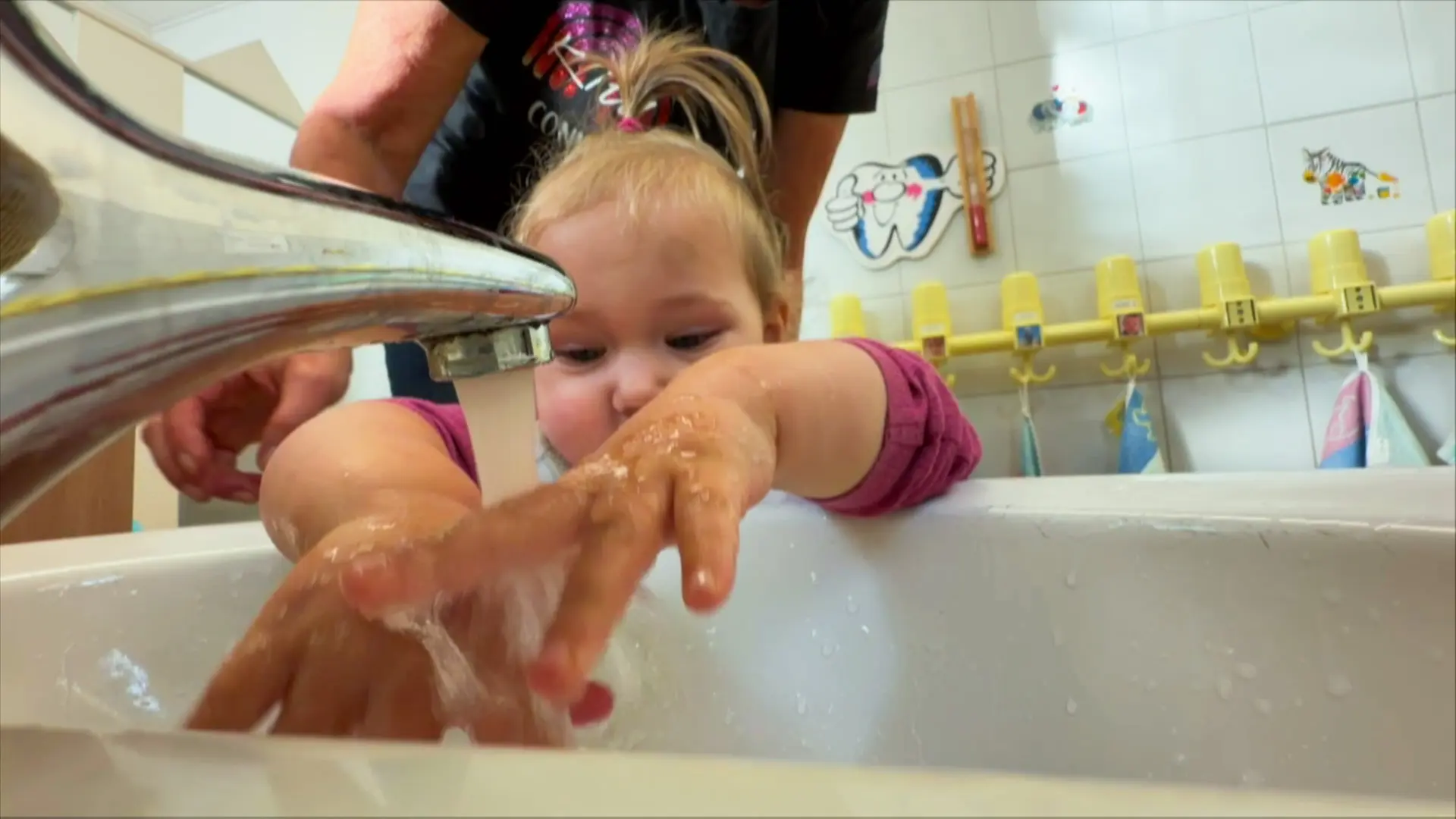
The Silent Threat: Why Technique Matters
The human hand is a primary vector for the transmission of infectious diseases. Every day, we touch thousands of surfaces—door handles, handrails, mobile devices, and shared workstations—that harbor a complex ecosystem of bacteria, fungi, and viruses. When these pathogens are transferred to the mucous membranes of the eyes, nose, or mouth, the risk of infection escalates dramatically.
The Science of Mechanical Removal
Handwashing is not merely about using soap; it is a mechanical process of emulsification and physical displacement. Pathogens, particularly viruses like influenza, are protected by lipid (fat) envelopes. Soap molecules—specifically surfactants—have a dual nature: one end is hydrophobic (water-fearing) and attaches to the lipids in the virus, while the other is hydrophilic (water-loving). When we wash our hands for the recommended 20 to 30 seconds, these molecules disrupt the virus’s structure, causing it to fall apart and be rinsed away by the water.

Short-changing this process—washing for five or ten seconds—is functionally useless. It fails to allow enough time for the soap to act as a surfactant, leaving the microbial load largely intact on the skin’s surface.
Chronology of Hygiene Awareness: From Semmelweis to Today
The journey toward understanding hand hygiene as a cornerstone of medicine is a testament to the evolution of scientific rigor.
- 1847: The Semmelweis Discovery: Dr. Ignaz Semmelweis, working in Vienna, observed that women in maternity wards were dying of "puerperal fever" at alarmingly high rates. He realized that doctors were moving from autopsies directly to examinations without cleaning their hands. By introducing a mandatory chlorine hand-wash protocol, he saw mortality rates plummet.
- The Mid-20th Century: The medical community codified handwashing as the primary defense against hospital-acquired infections (HAIs).
- 2020: The Global Paradigm Shift: The COVID-19 pandemic forced a global re-evaluation of hygiene. For the first time in a century, the general public was mandated by necessity to learn the "WHO six-step technique" for handwashing.
- 2024 and Beyond: As the immediate threat of the pandemic recedes, public health data indicates a decline in compliance. Current initiatives are focused on "habit sustainability"—ensuring that the lessons of 2020 are not forgotten in the face of seasonal fatigue.
Supporting Data: The Impact of Compliance
To understand the necessity of rigorous hand hygiene, one must look at the data regarding infection control. Studies conducted by the Centers for Disease Control and Prevention (CDC) and international health bodies consistently demonstrate that:
- Reduction in Respiratory Infections: Consistent, proper hand hygiene can reduce the incidence of respiratory infections in the general population by 16% to 21%.
- Gastrointestinal Protection: The transmission of diarrheal diseases, which remain a leading cause of mortality in vulnerable populations, can be cut by nearly 30% through simple hand-washing protocols.
- The "Time-on-Task" Gap: Observational studies in public restrooms indicate that while 90% of people claim to wash their hands, fewer than 50% do so with soap for the required duration. This "hygiene hypocrisy" creates a false sense of security that fuels the spread of seasonal illnesses.
Official Responses and Public Health Strategies
Public health authorities, including the World Health Organization (WHO) and regional health ministries, are currently pivoting from broad mandates to targeted behavioral interventions.

The Strategy of "Nudge"
Governments are increasingly using behavioral economics to encourage better hygiene. This includes:
- Visual Prompts: Strategic placement of signage in public transit and restrooms that utilizes the "20-second rule" (often suggesting humming the "Happy Birthday" song twice).
- Infrastructure Accessibility: Increasing the availability of high-quality hand sanitizer stations in public spaces, particularly during the winter months.
- Digital Integration: Utilizing social media campaigns and mobile alerts to remind the public that "hygiene is a daily defense."
Dr. Aris Thorne, a leading epidemiologist, notes: "The goal is to move handwashing from a chore to an automatic social reflex. When the societal norm shifts to view unwashed hands as a health risk to others, compliance rates rise naturally."

Implications: The Broader Societal Cost
The failure to maintain adequate hand hygiene has profound economic and societal implications.
1. The Burden on Healthcare Systems
Every winter, hospitals see a surge in patients suffering from preventable viral infections. This places immense pressure on emergency rooms and primary care providers. If a significant percentage of the population improved their hand hygiene compliance by even 10%, the resulting reduction in patient volume could save billions in healthcare costs annually.

2. Economic Productivity
Absenteeism due to the common cold and flu costs businesses and educational institutions an estimated tens of billions of dollars in lost productivity and learning time. A clean hand is a productive hand; by limiting the spread of viruses, societies can maintain economic stability during the peak months of contagion.
3. The Vulnerable Populations
It is not merely a matter of personal comfort; it is a matter of communal ethics. The elderly, the immunocompromised, and young children are at the highest risk of severe complications from illnesses that are spread via contact. For these individuals, a stranger’s failure to wash their hands properly can have life-altering, or even fatal, consequences.
The Path Forward: Cultivating a Culture of Cleanliness
The challenge we face is one of complacency. As we move further from the peak of recent health crises, the rigor with which we treat basic hygiene often wanes. To combat this, we must adopt a multi-faceted approach:
- Education in Schools: Embedding hygiene science into elementary curricula so that it becomes a lifelong habit rather than an external instruction.
- Workplace Accountability: Businesses must ensure that hygiene is not just a policy on a piece of paper, but that facilities are kept clean and stocked, making the correct choice the easy choice.
- Technological Innovation: The rise of touchless technology—automatic faucets, soap dispensers, and dryers—has significantly reduced the number of high-touch surfaces, further mitigating the risk of cross-contamination.
Conclusion: A Simple Act, A Monumental Impact
In the final analysis, the act of washing one’s hands is a profound demonstration of agency. It is an acknowledgment that our actions have consequences beyond our own health. As we face the current flu season, the message from health officials is clear: the most sophisticated medical technology in the world is no match for the simple, consistent, and thorough application of soap and water.
We must move beyond the superficial "splash and go" mentality. True protection requires commitment—a dedication to the 20-second threshold, a focus on the often-missed areas like the thumbs and under the fingernails, and a recognition that our hands are the primary bridge between the germs in our environment and the health of our community.
By reclaiming the simple discipline of proper hand hygiene, we do more than just fight the cold and flu; we participate in a collective, silent, and effective defense of the public good. Let this season be one where we prioritize the fundamental science of health, ensuring that every time we reach for a tap, we are doing our part to keep our world, and each other, safe.