By Gareth Joswig
The political landscape of Germany has undergone a seismic shift, one that observers of post-war democratic history are viewing with profound alarm. In the state parliament of Saxony-Anhalt, a new and unsettling dynamic has emerged: the formal alignment of the far-right Alternative for Germany (AfD) with the Sahra Wagenknecht Alliance (BSW). This collaboration, characterized by political analysts as a symbolic and strategic capitulation to the Kremlin’s interests, marks the first time since 1945 that such a coordinated, anti-liberal posture has taken root in a German legislative body.
The Main Facts: A Geopolitical Pivot in the Heartland
The core of this controversy lies in a joint legislative initiative that functions less as domestic policy and more as a "love letter" to Moscow. By aligning their voting patterns and rhetorical strategies, the AfD and the BSW have effectively signaled a departure from the established consensus on European security and the war in Ukraine.
At the center of this storm is the demand for a total cessation of support for Ukraine—a move that equates, in effect, to a demand for the country’s unconditional surrender to Vladimir Putin’s forces. For the AfD, this is the logical conclusion of their long-standing antagonism toward the European Union and the Western liberal order. For the BSW, led by the former Left Party firebrand Sahra Wagenknecht, this alliance represents a paradoxical betrayal of her own political origins. While the BSW was ostensibly founded to provide a "sovereign" and "left-conservative" alternative, its actions in Saxony-Anhalt suggest that the party has become a willing, perhaps even eager, partner in a broader, Kremlin-aligned project.
Chronology of the Shift
The recent developments in Magdeburg, the capital of Saxony-Anhalt, did not occur in a vacuum. They are the culmination of a months-long erosion of political norms:
- The Breach of the "Brandmauer": For years, the Brandmauer (firewall) against the far-right was the foundational principle of German state politics. The AfD, classified as "right-wing extremist" by the domestic intelligence agency (Verfassungsschutz) in Saxony-Anhalt, was to be isolated. This wall has now been effectively dismantled.
- The Election of the President: The election of an AfD politician as the Landtag president was the first major blow to the established order. This move sent shockwaves through the federal government and the CDU, which has struggled to manage the shifting loyalties within its own ranks.
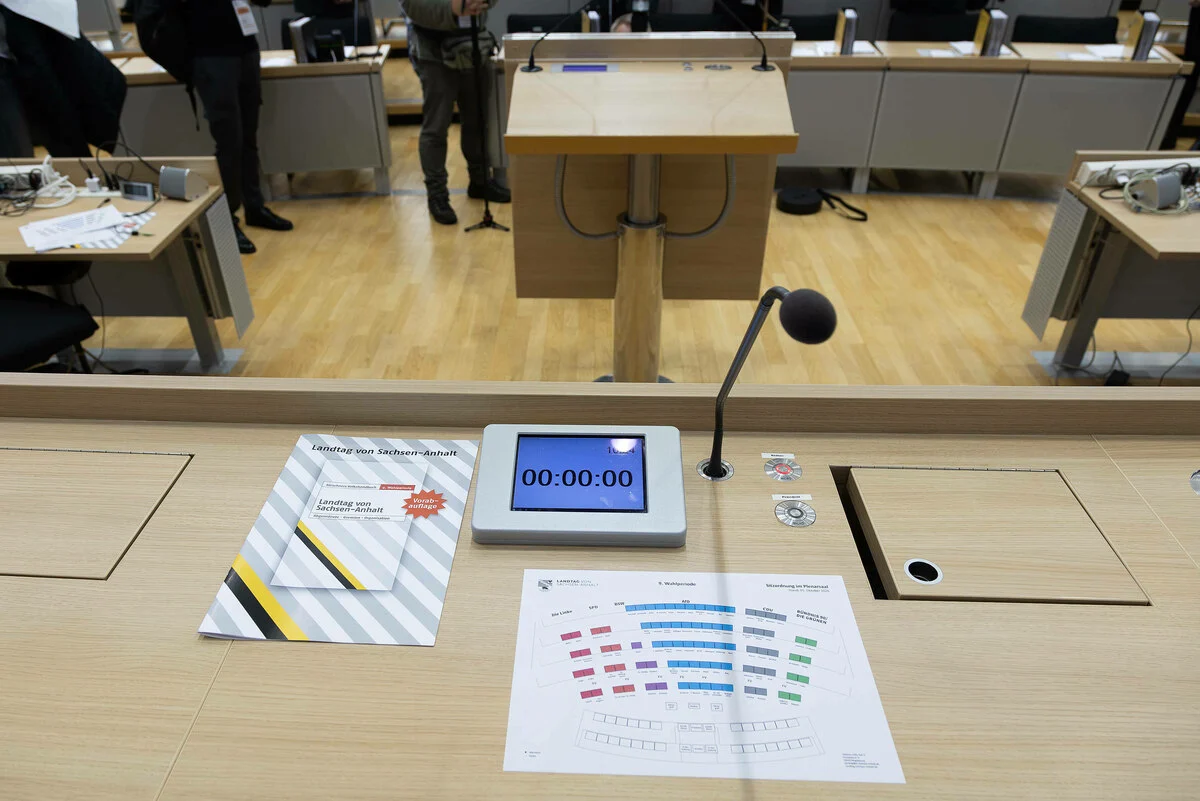
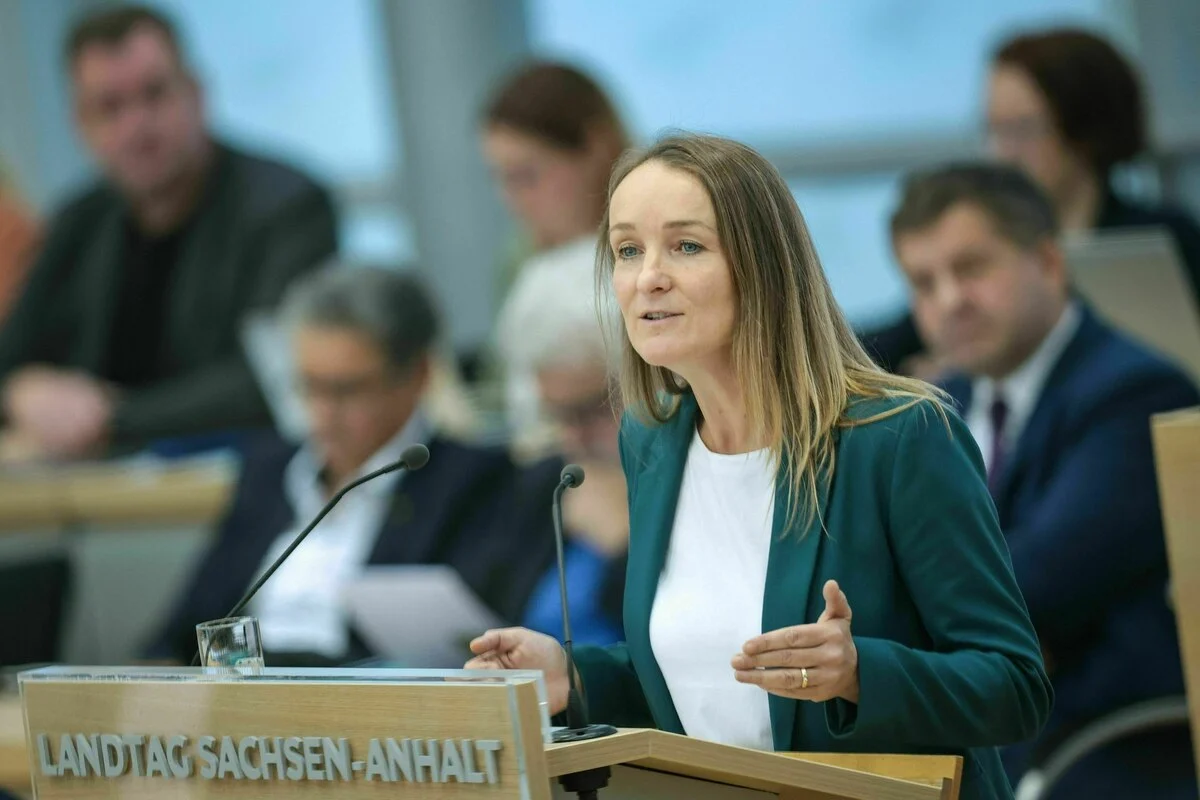
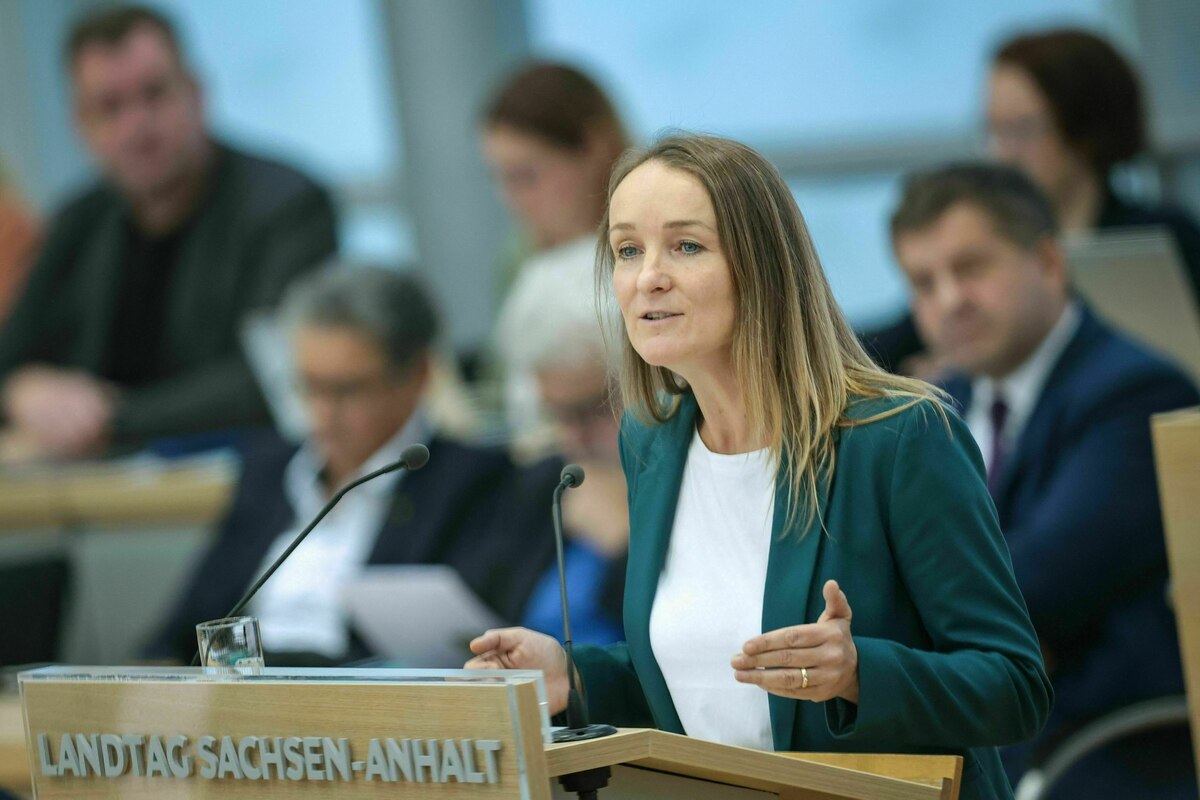
- The Sondersitzung (Special Session): During a recent special session, BSW representatives, including Claudia Wittig, openly collaborated with the AfD on motions that prioritized Kremlin-friendly narratives over the security architecture of Europe.
- The Current Standstill: The situation has deteriorated to the point where the CDU has considered walking out of parliamentary sessions to deny the AfD the quorum necessary to legitimize their more extreme proposals, effectively signaling the functional paralysis of the state legislature.
Supporting Data and Ideological Roots
The ideological synergy between the AfD and the BSW is built on the concept of a "multipolar world order." In the lexicon of the German "New Right," this is a sanitized term for the abandonment of international law in favor of a "might makes right" paradigm.

Under this framework, Ukraine is viewed as a disposable pawn—a sacrifice necessary to secure cheap Russian energy and to dismantle the influence of the United States and the EU. The data suggests that this rhetoric resonates with a specific, disillusioned segment of the electorate, particularly in the former East German states. By linking rising energy costs—a direct consequence of Russia’s invasion—to the "failure" of Western liberal governance, these parties have successfully reframed a war of aggression as a domestic economic crisis.
Furthermore, there is a clear instrumentalization of migration. The AfD continues to frame the influx of refugees (many of whom are fleeing the very conflicts fueled by Russian destabilization) as a threat to the social system. The BSW, while focusing on a different socioeconomic critique, provides the necessary intellectual cover to make these arguments appear "respectable" or "socially conscious," thereby widening the scope of the anti-establishment sentiment.
Official Responses and Political Repercussions
The reaction from the mainstream political establishment has been one of indignation, mixed with a palpable sense of helplessness.

- The CDU’s Dilemma: The Christian Democratic Union (CDU) in Saxony-Anhalt, led by Sven Schulze, is currently attempting a high-wire act. By threatening to vacate their seats during key votes, they hope to prevent the AfD from scoring symbolic victories. However, this strategy is fraught with risk; it highlights the impotence of the center-right when confronted with an obstructive, anti-democratic majority.
- Intelligence Oversight: The State Office for the Protection of the Constitution has repeatedly warned that the AfD’s activities are actively undermining the democratic order. The shift toward a pro-Kremlin stance is viewed by intelligence officials as a potential security risk, given the documented history of Russian efforts to fund and support anti-democratic movements across Europe.
- The "Useful Idiots" Argument: Critics of the BSW point out that Sahra Wagenknecht, by forming a party that enables the far-right, has effectively become a tool of the very forces she claimed to oppose. The narrative is clear: the BSW has moved from being a "left-wing" project to one that occupies the "querfront" (cross-front)—an intersectional space where extreme left and extreme right meet on the common ground of anti-Americanism and pro-Putin sentiment.
Implications for the Future of German Democracy
The developments in Saxony-Anhalt are a harbinger of the challenges Germany will face in the coming years. If the AfD and BSW can successfully collaborate at the state level, they will inevitably test the viability of similar coalitions at the federal level.
1. The Erosion of the European Peace Order
The post-1945 European order was built on the premise that national borders are inviolable and that multilateralism is the guarantor of peace. By advocating for the capitulation of Ukraine, the AfD and BSW are not just proposing a change in foreign policy; they are advocating for a return to an era of spheres of influence, where smaller nations are sacrificed for the convenience of larger powers.
2. The Normalization of Extremism
The most dangerous outcome is the "normalization" of the far-right. When a party like the BSW, which holds itself out as a legitimate representative of worker interests, stands shoulder-to-shoulder with the AfD, the stigma associated with right-wing extremism begins to fade. This lowers the barrier for entry into the political mainstream for radical actors and emboldens the base of both parties.

3. A Laboratory for Autocracy
Saxony-Anhalt has effectively become a "test laboratory" for ultra-right programming. From the use of symbols—such as coffee mugs with mocking inscriptions about political opponents—to the systematic obstruction of legislative procedures, the AfD is learning how to wield power within the system to destroy it from within.
Conclusion: A Call for Vigilance
The alignment of the AfD and the BSW in Saxony-Anhalt is not merely a regional political hiccup; it is a profound crisis of democratic integrity. As the Kremlin continues its hybrid war against the West, it finds in these parties not just ideological soulmates, but active agents of destabilization.
The struggle for the future of Saxony-Anhalt—and by extension, Germany—is now defined by the question of whether the democratic center can find the resolve to isolate these forces, or whether the "firewall" will be permanently reduced to ash. History teaches that the sacrifice of democratic values for the sake of political convenience is a short-term strategy with devastating, long-term consequences. In the halls of the Magdeburg parliament, those consequences are already beginning to unfold.