Introduction: A Fragile Truce Built on Sand
The international community is currently witnessing a troubling shift in the theater of the Russo-Ukrainian War. Under the guise of a so-called "Energy Ceasefire"—a term increasingly viewed by analysts as a strategic misnomer—the geopolitical landscape is being reshaped by a bilateral "Diesel Deal" between U.S. President Donald Trump and Russian President Vladimir Putin. While the rhetoric from Washington and Moscow suggests a de-escalation, the reality on the ground in Ukraine remains one of unremitting destruction. As the United States maneuvers toward domestic political goals ahead of the midterm elections, the European Union finds itself relegated to the role of a sidelined observer, struggling to maintain relevance in a conflict that directly threatens its own security architecture.
The Chronology of Convenience: Anatomy of the Diesel Deal
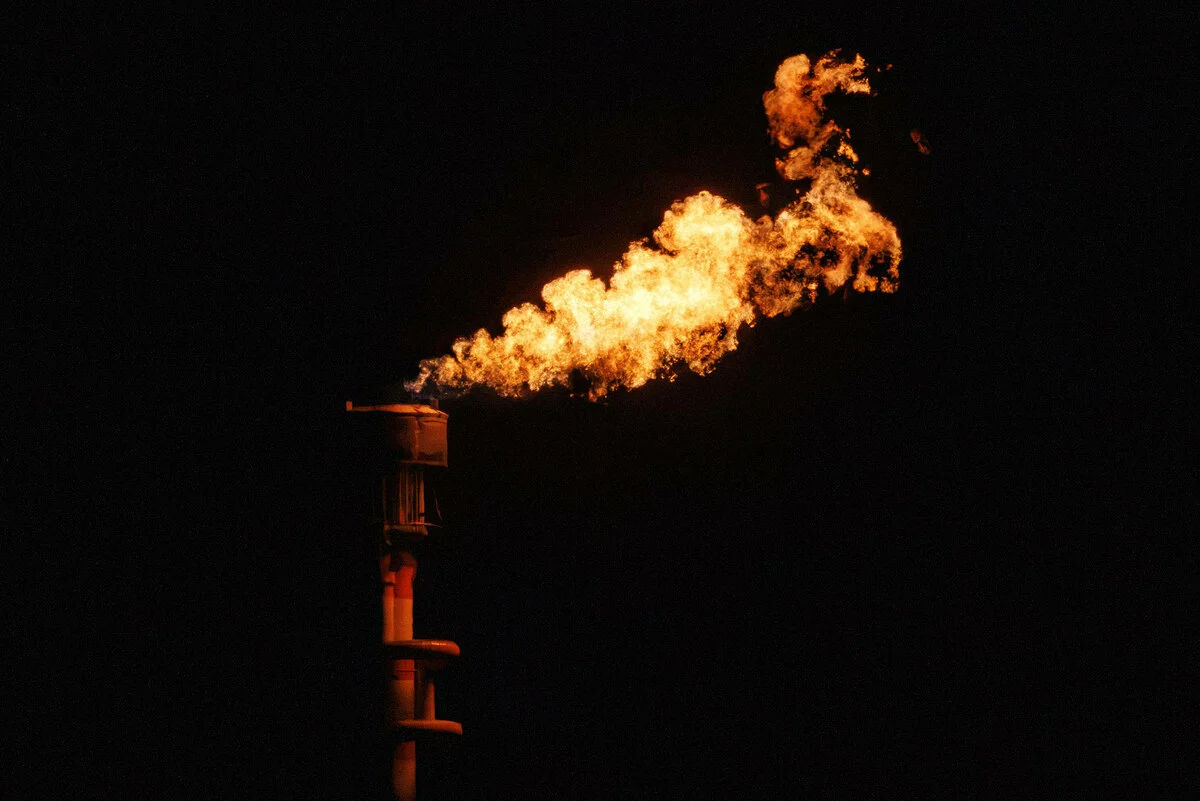
The emergence of the "Energy Ceasefire" did not occur in a vacuum; it is the product of a calculated effort by the Trump administration to secure a "win" for its electoral base. By brokering a deal that ostensibly halts attacks on critical energy infrastructure, the U.S. has effectively orchestrated a back-door loosening of Russian sanctions.
- Phase 1: The Political Calculus: Facing intense scrutiny ahead of the midterms, the Trump administration signaled a desire to project diplomatic success. The narrative of "bringing peace to the energy sector" serves as a convenient shorthand for voters weary of foreign entanglement.
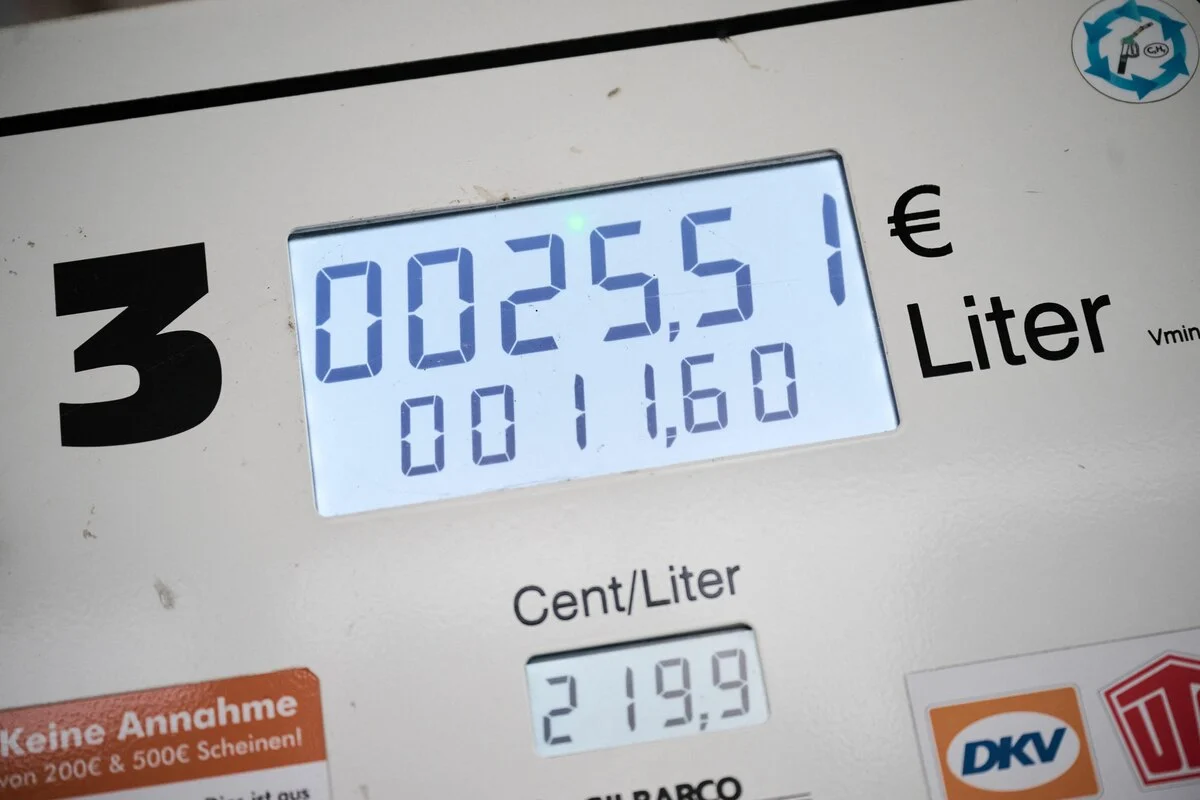
- Phase 2: The Diesel Quid Pro Quo: Behind the scenes, the agreement facilitates the flow of energy resources, providing a lifeline to the Russian economy while offering the Kremlin a respite from the intensity of the conflict.
- Phase 3: The Strategic Pause: Putin, recognizing the tactical benefit of a reprieve from the destruction of his own assets, has ostensibly ordered his military to refrain from targeting Ukraine’s power grid. However, military intelligence reports suggest this is less a humanitarian gesture and more a strategic recalibration of resources.
Supporting Data: Infrastructure Under Siege
Despite the proclamation of an "Energy Ceasefire," the humanitarian and industrial cost to Ukraine continues to mount. The disconnect between the diplomatic "truce" and the reality of the frontlines is stark.
Data from independent observers and international monitoring agencies paint a grim picture:

- Civilian Suffering: While high-voltage power lines may have seen a temporary reduction in direct strikes, the psychological and physical terror of the conflict has not abated. Attacks on urban residential zones have continued unabated, undermining the very idea of a "ceasefire."
- Economic Strangulation: The Russian strategy has shifted from overt destruction of energy grids to more targeted, insidious forms of economic warfare. By controlling the flow of energy, the Kremlin exerts a stranglehold on Ukraine’s industrial capacity.
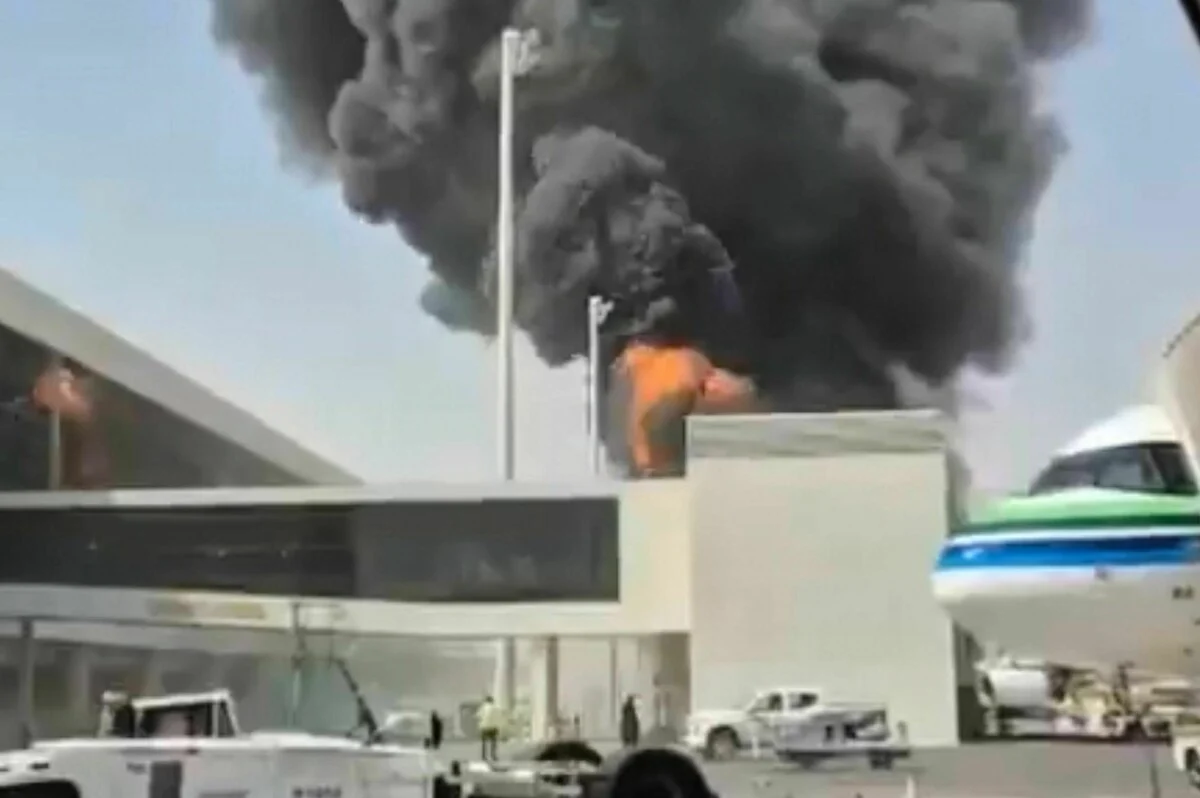
- The Sabotage Factor: Recent events, such as the fire at a Starlink ground station in Poland and suspicious drone activity in Bulgarian waters, underscore that the conflict has expanded far beyond the Ukrainian borders. These incidents are not collateral damage; they are systemic probes into the resilience of NATO and EU infrastructure.
Official Responses and the Silence of the EU
The European Union, which has historically been the leading force in implementing sanctions against the Russian regime—having successfully listed over 1,600 entities and individuals—finds its influence waning.
The Institutional Paralysis
At the most recent meeting of EU Foreign Ministers, a palpable sense of frustration was evident. While the EU maintains a unified stance on sanctions, it is conspicuously absent from the high-level negotiations between Washington and Moscow. This exclusion has forced the bloc into a defensive posture, where the agenda is dictated by the next EU summit. The impending discourse is expected to be fractured, characterized by internal disputes over budgetary allocations, the status of expansion candidates, and the delicate balancing act required to engage with a U.S. administration that operates with an "America First" mandate.

The Voice of Kyiv
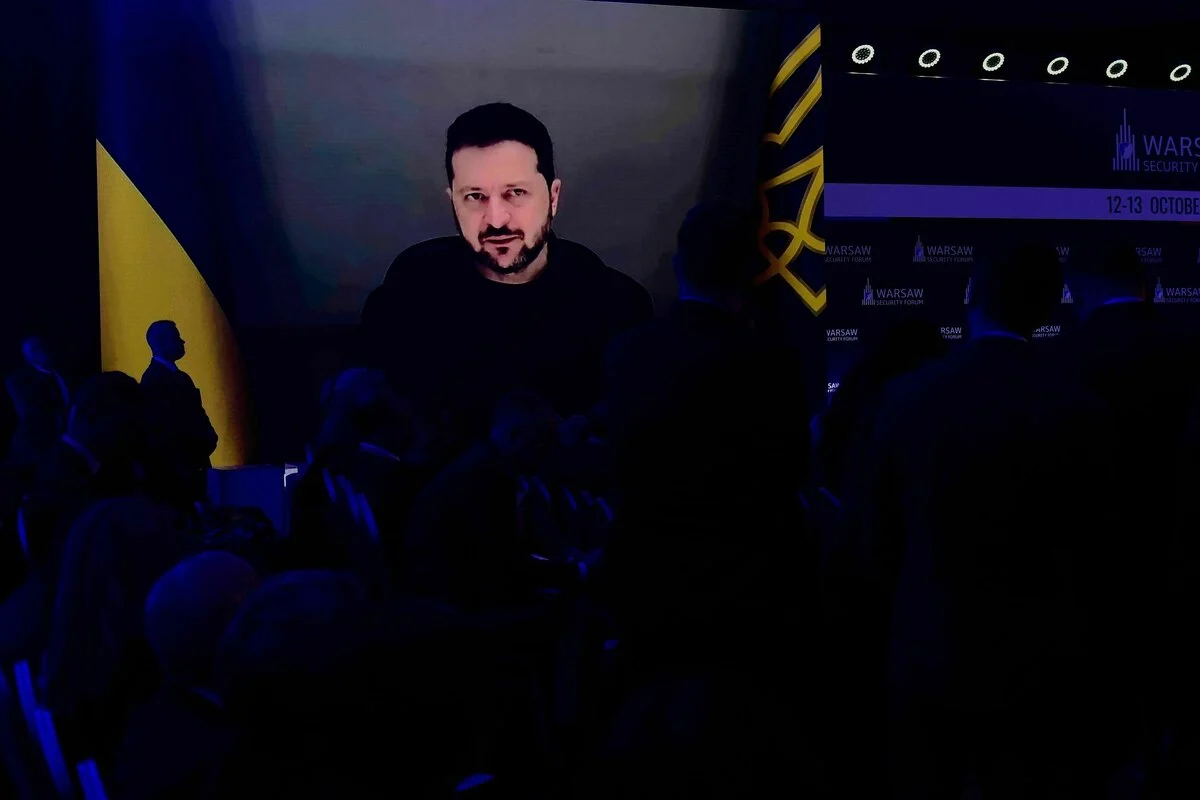
President Volodymyr Zelenskyy remains in an impossible position. He is forced to navigate the erratic demands of the Trump administration—including renewed calls for elections under the shadow of war—while relying on the very same administration for the air defense systems, ammunition, and military hardware critical to his nation’s survival. Zelenskyy’s rhetoric has shifted from open optimism to a pragmatic, often desperate, plea for European agency. He is effectively caught in a pincer movement: the belligerence of Putin’s army on one side and the mercurial, transactional diplomacy of Washington on the other.
Implications: A New Era of Transatlantic Uncertainty
The implications of this "Energy Ceasefire" extend far beyond the immediate conflict in Ukraine. The current situation signals a profound shift in the post-Cold War order.

1. The Erosion of Multilateralism
The fact that a major conflict on European soil is being steered by a bilateral deal between two powers, while the continent directly impacted is relegated to the sidelines, exposes the fragility of current international institutions. If the EU cannot assert itself as a primary stakeholder in its own security, it risks becoming a permanent geopolitical satellite.
2. NATO and the New Front
The recent sabotage acts—the Starlink incident in Poland being the most notable—demonstrate that the "war in the East" is no longer confined to the East. These are direct challenges to the integrity of NATO territory. The implication is clear: the conflict is testing the boundaries of the Article 5 collective defense clause. If the U.S. continues to prioritize domestic political optics over the security of its allies, the cohesion of the Atlantic alliance may face its most significant test since its inception.

3. The Future of Sanctions
The "Diesel Deal" effectively sets a dangerous precedent. If sanctions can be dismantled as a bargaining chip for a temporary, fragile truce, the efficacy of economic pressure as a deterrent in modern warfare is severely compromised. It sends a message to autocrats worldwide that international resolve is porous and ultimately negotiable.
Conclusion: The Imperative for European Solidarity
The current trajectory of the war in Ukraine is not merely a regional crisis; it is a systemic threat to the liberal democratic order. The "Energy Ceasefire" is a fragile, deceptive construct that masks a deepening crisis. As the EU prepares for its upcoming summit, the priority must move beyond the internal squabbles of funding and bureaucracy.

There is an urgent need for a clear, unified European policy that rejects the transactional maneuvers of the White House and reaffirms the necessity of sustained support for Ukraine. The incidents in Poland and Bulgaria have proven that the war is at the doorstep of the EU. A lack of cohesion is no longer just a political failure; it is a security liability. The path forward requires a transition from the role of a "spectator at the sidelines" to that of a primary actor, ensuring that the principles of sovereignty and security are not sacrificed at the altar of political convenience.
Ultimately, the survival of the Ukrainian state and the stability of the European continent depend on an unwavering commitment to the status quo of support, coupled with a firm, unified refusal to accept the terms of an "Energy Ceasefire" that leaves the aggressor in a position of strength and the victim in a state of suspended animation. The time for European strategic autonomy is not in the future—it is now.