The fundamental question of whether housing is a basic human right or a commodity for speculation took center stage at the recent "Housing Summit" in Berlin. As rental costs soar across Germany’s urban centers and displacement becomes a daily reality for thousands, the debate has moved beyond mere policy tweaking toward a fundamental questioning of the housing market’s structure.
The summit, organized by the German Tenants’ Association (DMB) and the German Trade Union Confederation (DGB), served as a pressure cooker for the nation’s brewing housing crisis. While economists and social advocates push for structural intervention, including the controversial concept of "socialization" (the transfer of large housing portfolios into public ownership), the federal government remains hesitant, citing constitutional concerns and market stability.
The Human Cost: A Global Warning
Melanie Weber-Moritz, President of the German Tenants’ Association, opened the summit with a somber reminder of the stakes involved. She drew a direct parallel to the situation in Spain, referencing the tragic case of Maricarmen, an 87-year-old woman who passed away just two weeks after being evicted from her home. Her death became a rallying cry for housing activists across Europe.

"Maricarmen is not an isolated case," Weber-Moritz told the attendees. "Evictions happen every single day in Germany, and they represent a profound failure of our social contract." Her address resonated with a new, comprehensive survey indicating that an overwhelming majority of residents in major German cities support stricter rent regulations, regardless of their political affiliation. Despite this clear public mandate, federal progress remains glacial.
Chronology of the Debate: From Local Protest to Federal Policy
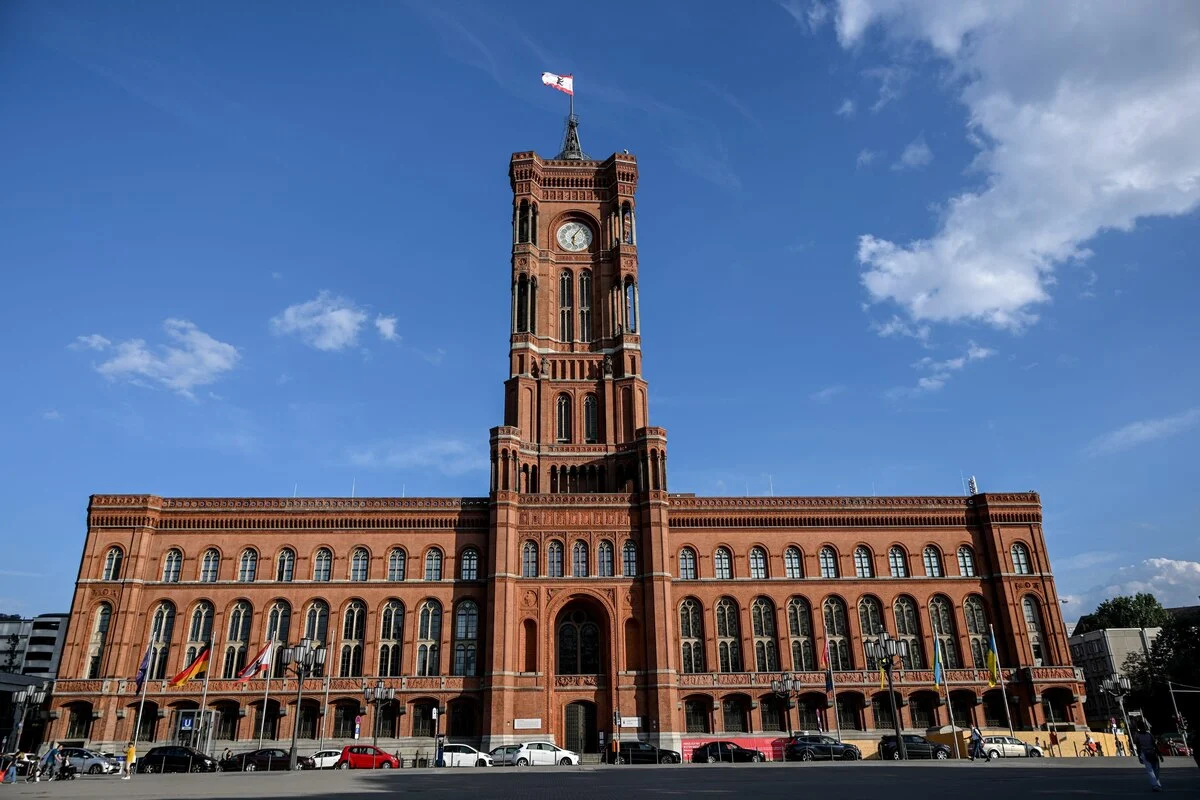
The venue for this year’s summit—Berlin—is highly symbolic. The city is currently navigating the aftermath of political shifts and deep-seated debates over the future of its housing sector. The core of the local discourse centers on the "Expropriate Deutsche Wohnen & Co." initiative, which seeks to bring massive, profit-oriented housing corporations under state control.
While the majority of Berlin’s voters have signaled support for such measures, the federal government has actively moved to preempt these efforts. Legislative drafts aimed at effectively banning or severely restricting the possibility of such socialization efforts are currently being debated at the national level. The argument from the federal side is often framed through the lens of economic risk and the protection of private property, though proponents of socialization argue that the current system is already failing the population.

Economic Perspectives: Challenging the "Free Market" Dogma
A key contributor to the summit was economist Sebastian Dullien, research director at the Institute for Macroeconomics and Business Research (IMK). Dullien offered a sharp critique of the prevailing economic wisdom that has long dominated German housing policy.
Dullien argued that there is a widening disconnect between "published expert opinion" and the lived reality of the population. For decades, many economists have been trained to believe that any form of rent regulation inevitably leads to a contraction in housing supply, as investors pull back. However, Dullien suggests this logic is flawed in the current context.
"The private sector is primarily building high-priced, luxury housing," Dullien noted. "The market is not functioning like a textbook model where supply automatically meets demand at an affordable price point."

According to Dullien, the housing market in Germany suffers from structural failures that stifle broader economic growth. When households are forced to spend an increasing share of their income on rent, they have less to spend on local services, retail, and hospitality. Furthermore, the housing crisis is exacerbating the labor shortage, as workers are unable to afford homes near their workplaces, leading to longer commutes and reduced productivity. He labeled the current federal plans to cut housing subsidies (Wohngeld) as "an absolute disgrace" given the inflationary pressure and high cost of living.
Official Responses and Political Friction
The political divide was on full display during the summit’s panel discussions. Federal Justice Minister Stefanie Hubig (SPD) represented the government’s cautious, reformist stance. While she expressed personal regret over the necessity of budget cuts, she maintained that the government’s priority is a balanced approach.
Hubig highlighted the ongoing work of a specialized "Tenancy Law Commission," which she described as a place where "two worlds collide." The commission is tasked with developing strategies to combat rental price gouging and determining whether violations of the "rental price brake" (Mietpreisbremse) should be subject to more severe, direct sanctions.

"The issue of socialization is not constitutionally trivial," Hubig argued, defending the government’s stance against widespread expropriation. "It involves significant costs and uncertain outcomes. Our focus is on regulating the existing market through tighter controls on furnished housing, short-term rentals, and index-linked contracts."
This stance met with skepticism from opposition politicians and tenant advocates. During the subsequent debate, CDU politician Jan-Marco Luczak found himself in a difficult position. Attempting to voice concern for the plight of small-scale landlords, he was met with frustration from an audience that saw his focus as misplaced given the systemic power imbalance between multi-billion-euro real estate conglomerates and individual tenants.
Implications: The Road Ahead
The summit concluded with a clear realization: the status quo is becoming politically and socially unsustainable. The implications of the current policy trajectory are threefold:

- The Crisis of Affordability: Without significant federal intervention, the gap between wages and rents will continue to widen. This will likely lead to increased demands for local municipalities to take matters into their own hands, potentially triggering more constitutional battles between city-states and the federal government.
- The Shift in Political Strategy: The overwhelming public support for stricter regulation suggests that the "market-first" approach is losing its legitimacy. Political parties that ignore this shift risk further alienation from urban voters, who view housing security as a foundational element of their quality of life.
- The Need for Public Investment: As economists like Dullien have pointed out, regulation alone is not enough. The decline in public housing construction remains the elephant in the room. Without a massive reinvestment in the public and cooperative housing sectors, rent caps and legal reforms will only serve as temporary bandages on a gaping wound.
As the government prepares to finalize its Mietrechtsnovelle (Tenancy Law Amendment) by the end of the year, the pressure from below is unlikely to dissipate. The debate has moved past the question of "if" something needs to change, and firmly into the arena of "how much" the state is willing to infringe upon the property rights of corporations to secure the basic human need for shelter.
The "Housing Summit" was more than just an exchange of ideas; it was a testament to the fact that the housing market in Germany is no longer seen as a self-regulating machine, but as a public utility that is currently failing its users. Whether the federal government chooses to listen to the experts and the public, or continues to prioritize the interests of the private real estate sector, will define the political landscape for years to come.