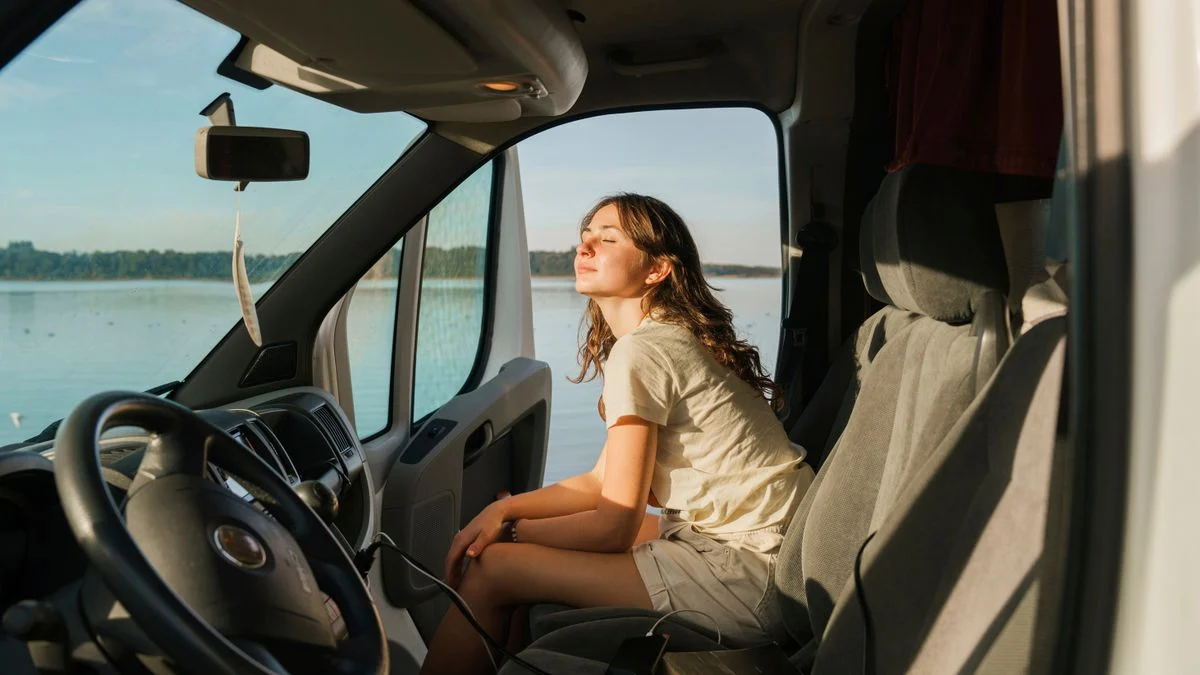
As inflation continues to impact the household budgets of travelers across Europe, the allure of the "great outdoors" has shifted from a rustic escape to a strategic financial necessity. Camping, once regarded as a primitive alternative to hotel stays, has evolved into a sophisticated travel sector. However, even the simple act of pitching a tent can become a costly endeavor if one falls into the traps of convenience and lack of preparation.
This report explores the essential strategies for maximizing your travel budget while enjoying the freedom of the campsite, drawing on industry trends and expert advice for the modern camper.
I. Main Facts: The Changing Economics of Camping
In the current economic climate, the camping industry is seeing a dichotomy: luxury "glamping" sites are commanding prices that rival mid-range hotels, while traditional, site-based camping remains one of the most accessible forms of leisure travel.
The primary cost drivers for modern camping include:
- Pitch Fees: Prices vary wildly based on proximity to high-demand coastal or alpine regions.
- Equipment Overhead: The initial investment in gear is the highest barrier to entry.
- Ancillary Services: Modern campgrounds now charge for everything from high-speed Wi-Fi to "premium" plot locations and electricity usage.
To keep costs low, campers must move away from the "all-inclusive" mentality often marketed by large, commercial holiday parks and return to the principles of self-sufficiency.
II. Chronology: The Evolution of the Camping Experience
To understand how to save, one must understand how the industry reached its current pricing model.
The 1990s: The Era of Simplicity
Three decades ago, camping was largely decentralized. Small, family-run fields were the norm. Costs were minimal, and the focus was on the experience of nature rather than the provision of amenities.
The 2010s: The Rise of the "Holiday Resort"
The last decade saw the corporatization of camping. Large chains began acquiring smaller, independent sites, upgrading them with swimming complexes, high-end sanitation blocks, and entertainment programs. While these features improved comfort, they triggered a steady rise in daily pitch rates.
The 2024 Context: The Inflationary Pivot
With rising energy costs and staff shortages, many campsites have passed these expenses directly to the consumer. For the average traveler, this means that a "budget" camping holiday can quickly exceed the cost of an off-season city trip if not planned with rigorous financial oversight.
III. Supporting Data: Eleven Strategies to Save Money
Based on expert analysis of current travel trends, here are eleven actionable tips to ensure your camping trip remains budget-friendly.
1. The Power of the "Shoulder Season"
The most significant price spikes occur in July and August. By shifting your travel to May, June, or September, you can often secure pitch rates 30% to 50% lower than in the high season. Furthermore, campsites are significantly less crowded, reducing the need for premium, noise-isolated spots.
2. Investing in Quality Gear Upfront
It is a classic "cheap vs. value" paradox. Buying sub-par equipment that fails after one season is a waste of capital. Investing in high-quality, durable gear that lasts for years reduces the long-term cost per trip to a fraction of the price of renting or replacing equipment.
3. Energy Consumption Management
Electricity at campsites is often charged at a premium. By utilizing solar-powered lanterns, power banks, and gas-powered stoves rather than electric kettles and heaters, you can significantly lower your daily utility bill.
4. Avoiding the "Convenience Tax"
Small onsite grocery stores at campgrounds typically mark up prices by 20% to 40%. Planning your meals and purchasing supplies at local supermarkets in the nearest town before checking in will yield substantial savings over a week-long stay.
5. Membership Organizations
Joining national or international camping clubs can provide access to heavily discounted site fees. Many of these organizations also provide insurance and technical support, which can prevent costly emergency repairs while on the road.
6. The "Off-Grid" Advantage
If your vehicle or setup allows for it, seek out sites that offer "wild" or semi-wild camping options. These locations offer fewer amenities but usually come at a fraction of the cost of a fully serviced plot.
7. Strategic Location Scouting
Rather than choosing the most famous sites in popular regions—which command "location premiums"—look for sites located 10 to 15 kilometers inland from major tourist hubs. The atmosphere is often more authentic, and the prices are drastically lower.
8. Mastering Meal Prep
Camping food often defaults to expensive, pre-packaged items. Adopting a "bulk cooking" approach using raw, local ingredients found at farmers’ markets is not only healthier but significantly cheaper.
9. Digital Subscription Utility
Much like the information provided by premium digital news subscriptions, knowledge is a commodity. Utilizing digital tools, maps, and camping apps to find user-verified, low-cost sites can save hours of driving and prevent you from settling for overpriced, spur-of-the-moment options.
10. Renting vs. Buying for Beginners
If you are new to camping, do not buy top-of-the-line gear immediately. Renting high-end equipment for your first few trips allows you to determine your specific needs without committing to the thousands of dollars required for a full setup.
11. The "Free Activity" Mindset
Camping is fundamentally about nature. By focusing your itinerary on hiking, swimming, and cycling rather than paid theme parks or local tourist attractions, you eliminate the largest variable expense of any holiday.
IV. Official Responses and Industry Perspectives
Representatives from the European Camping Association note that while prices have risen, the industry is seeing a resurgence in "purposeful travel."
"Consumers are becoming much more discerning," says a spokesperson for a leading camping federation. "They are looking for value, but they are also looking for quality. The sites that are succeeding are those that offer a clean, safe environment at a transparent price point, rather than those that try to force expensive, unwanted amenities on their guests."
Industry analysts point out that the rising cost of traditional travel—flight cancellations, hotel surges, and rental car scarcity—has made camping an increasingly attractive alternative. Even with higher fuel and site costs, a well-planned camping trip still represents the most cost-effective way for families to travel together for extended periods.
V. Implications: The Future of Affordable Travel
The implications for the average traveler are clear: the era of "careless" camping is coming to an end. To enjoy the benefits of this lifestyle in the future, travelers must treat their holidays with the same level of logistical planning as they would a professional business project.
Economic Sustainability
As travelers move toward more budget-conscious camping, we can expect to see a shift in the market. Smaller, independent campsites that focus on simplicity may see a return to popularity, as they offer the authentic, low-cost experience that the corporate "resorts" have moved away from.
Environmental Impact
Interestingly, budget-friendly camping often aligns with sustainable travel. By reducing reliance on electricity, avoiding excessive onsite services, and staying longer in one location, budget campers naturally lower their carbon footprint.
Final Thoughts
Camping remains one of the few ways to truly disconnect from the pressures of modern life without breaking the bank. By applying the principles of preparation, strategic timing, and a focus on self-sufficiency, you can navigate the current economic landscape to enjoy the freedom of the road. Whether you are a weekend warrior or a long-term traveler, the secret to affordable camping lies in the realization that the most valuable parts of the experience—the fresh air, the silence, and the open horizon—are entirely free.