


As the world hits its ecological debt ceiling, the financial sector is turning its back on "green" assets. Driven by geopolitical volatility and the pursuit of short-term gains, the transition to sustainable finance is stalling—with profound consequences for our collective future.
The Reality of Ecological Bankruptcy
The concept of the "Earth Overshoot Day"—the date on which humanity’s demand for ecological resources in a given year exceeds what Earth can regenerate in that year—has long served as a sobering alarm clock. For Germany, the situation has become critical: by early May 2026, the nation had already exhausted its allocated natural resources for the entire year.
This mathematical reality, calculated annually by the Global Footprint Network, serves as a stark backdrop to a growing paradox in global finance. While climate scientists and environmental economists warn that we are operating at a massive ecological deficit, the financial markets—the very engines that could facilitate the transition to a sustainable economy—are exhibiting a trend of "green retreat."
Chronology of a Shift: From Trend to Trough
For several years, "Sustainable Investing" or Environmental, Social, and Governance (ESG) investing was the darling of the financial world. It was marketed as a "win-win" scenario: investors could generate market-beating returns while funding the transition to a low-carbon economy.
However, the trajectory has shifted dramatically:
- 2018–2022: The "Green Gold Rush." Capital flowed into ESG funds at record speeds as institutional investors and retail clients alike sought to align their portfolios with climate goals.
- 2023: The onset of headwinds. Inflationary pressures and rising interest rates began to make traditional fossil-fuel-linked stocks more attractive.
- 2025: The turning point. The industry witnessed a historic reversal. For the first time since global tracking began in 2018, Morningstar reported a net outflow of 84 billion dollars from global sustainable funds.
- 2026: The current status. Sustainability has moved from the center of investment strategy to the periphery, viewed by many as a "luxury" that high-interest, high-volatility markets can no longer afford.
Supporting Data: The Capital Flight
The data provided by financial analysts at Morningstar paints a bleak picture for the green transition. The 84 billion dollar exodus represents more than just a fluctuation; it signifies a structural realignment.
Kevin Naumann, an expert from the consultancy KPMG, notes the irony: "The climate catastrophes, the extreme weather events, and the visible degradation of our natural systems suggest that we should be accelerating investment into sustainable infrastructure. Instead, we are seeing a mass exodus of capital. It is a fundamental mismatch between the urgency of the climate crisis and the priorities of the capital markets."
The logic driving this exodus is cold and calculating. As traditional energy sectors experience spikes in profitability due to supply chain constraints and geopolitical conflict, investors are gravitating toward sectors that promise immediate, double-digit returns, often disregarding the long-term systemic risks posed by climate change.
Geopolitical Drivers of the Green Reversal
Why has the "Green" label lost its luster? The causes are multifaceted, ranging from ideological shifts in the United States to the volatile reality of global conflict.
The "Anti-Woke" Financial Agenda
A significant factor is the political climate in the United States. The current administration has framed ESG criteria as part of a "woke" agenda, actively discouraging pension funds and institutional investors from using sustainability as a benchmark for asset allocation. This political narrative has effectively stigmatized green investing, forcing asset managers to pivot back to traditional benchmarks to avoid political and legal scrutiny.
The War Economy and Resource Security
The ongoing conflict in Ukraine and the escalating tensions involving Iran have fundamentally altered the global energy market. Stefan Riße of the asset manager Acatis explains that the current interest in renewable energy stocks is not necessarily driven by a desire for decarbonization, but by the raw necessity of energy security.
"What is currently pushing renewable energy infrastructure forward is not climate consciousness," says Riße. "It is the surge in energy prices. Oil and gas are expensive, and the geopolitical instability caused by the Iran conflict has made renewables a hedge against price volatility, rather than a moral choice."
Implications: The Long-Term Cost of Short-Termism
The retreat from sustainable finance has profound implications for global economic stability and the success of the Paris Agreement.
The Illusion of Risk Management
Karsten Kührlings of GLS Investments argues that the market is making a grave mistake by treating sustainability as an optional add-on rather than a core risk management tool. "Investors are failing to see that climate risk is financial risk," Kührlings notes. "Reputational damage, regulatory penalties, and the physical destruction of assets due to climate change are not ‘social good’ issues—they are bottom-line issues. By ignoring sustainability, investors are simply choosing to ignore the most significant long-term risks to their portfolios."
The Infrastructure Opportunity
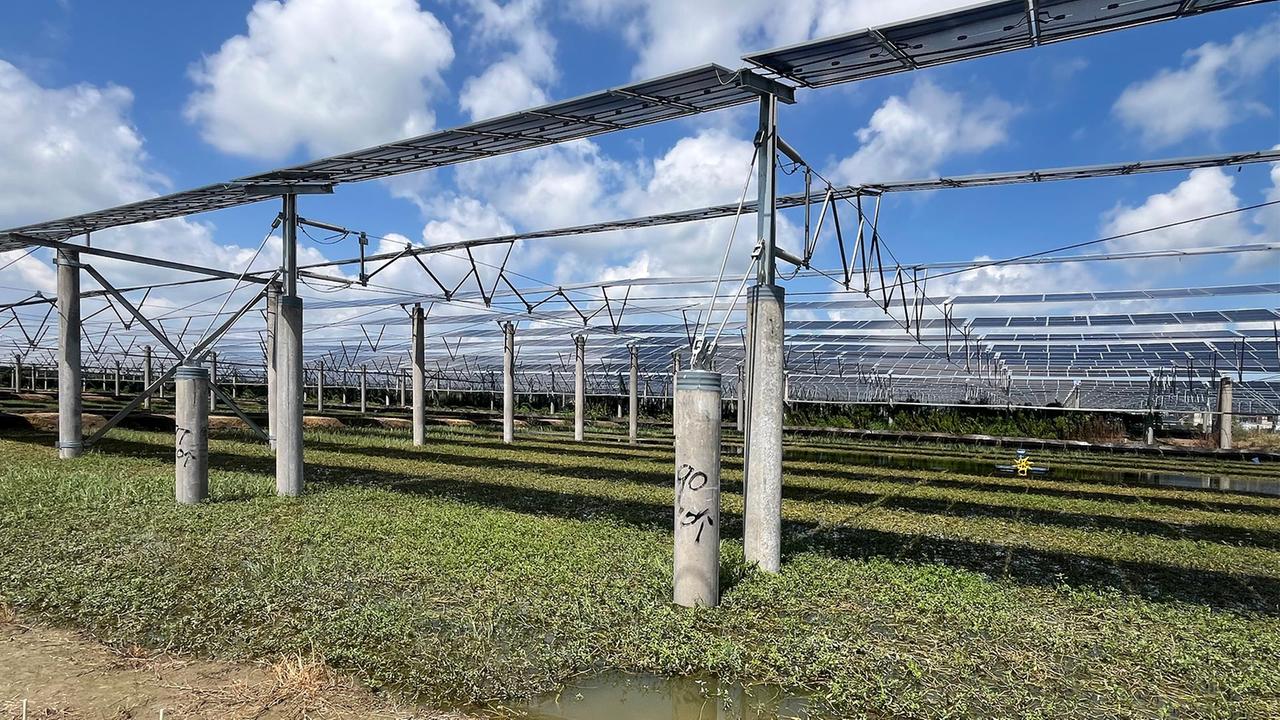
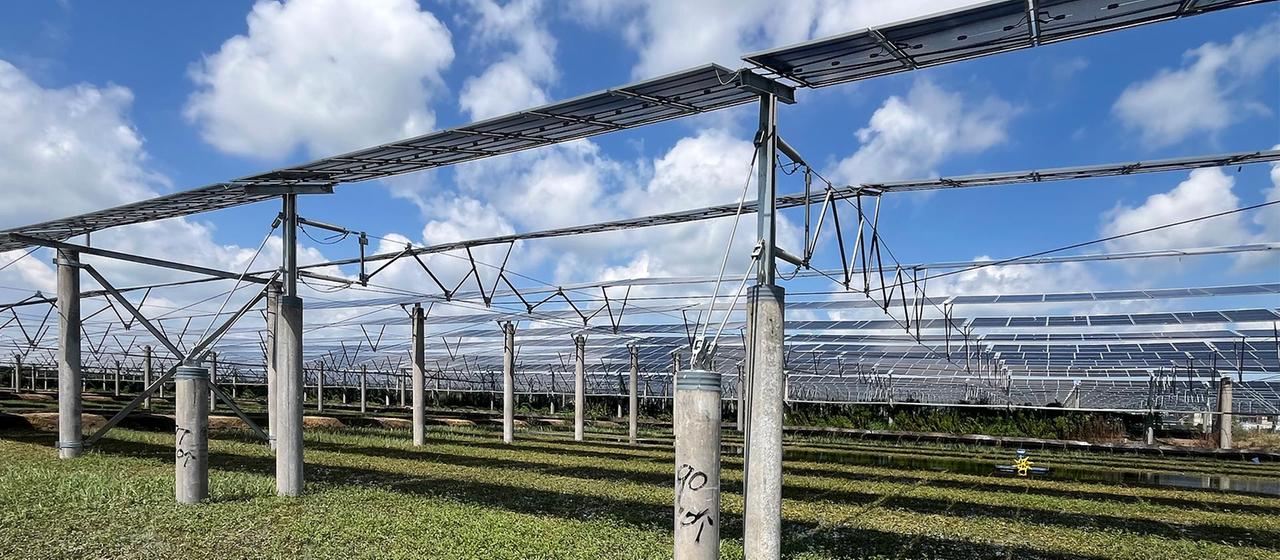
Despite the gloomy outlook on the stock market, there is a silver lining. Analysts point to the massive, untapped potential in direct infrastructure investment. In Europe, and specifically in Germany, the public and private infrastructure is largely aging and failing.
Kührlings suggests that the focus must move away from volatile, short-term ESG-labeled stocks and toward direct, long-term capital investment. "Our infrastructure is not future-proof. Upgrading energy grids, water systems, and transportation networks offers a unique opportunity to achieve both a positive social impact and a stable, long-term return. This is where the real ‘green’ investment opportunity lies—not in trading shares, but in building the physical foundation for the next century."
Conclusion: A Necessary Recalibration
The current retreat from sustainability reflects a market that is struggling to balance the immediate pressures of a volatile geopolitical landscape with the slow-moving, catastrophic risks of climate change.
The financial sector finds itself at a crossroads. If investors continue to chase short-term returns at the expense of sustainable development, they risk creating a "carbon bubble"—a scenario where the assets currently being favored will become stranded as the world eventually reaches a tipping point that forces a chaotic, rather than orderly, transition to a green economy.
For the individual investor, the message is clear: sustainability is not a marketing trend to be discarded when times get tough. It is the fundamental framework upon which future prosperity must be built. Whether the markets will realize this before the next "Earth Overshoot Day" arrives even earlier in the calendar remains the defining economic challenge of our decade.




















Leave a Reply