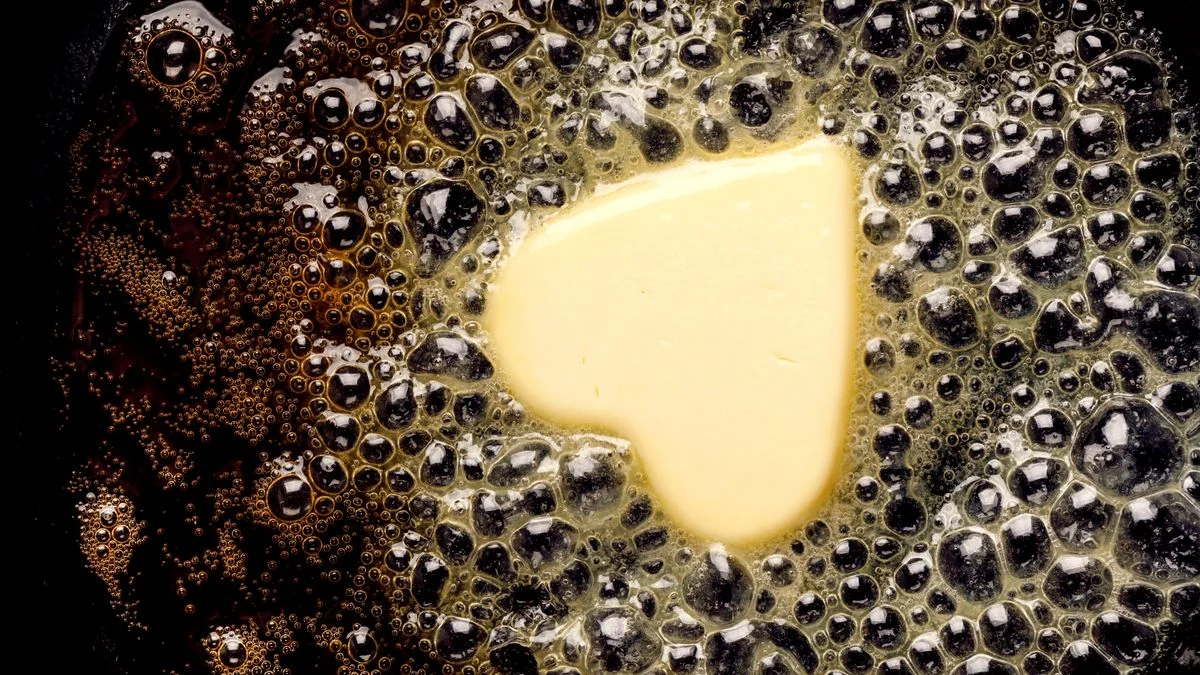
For decades, dietary fat was the primary villain in the narrative of human health. From the low-fat craze of the 1990s to the demonization of butter and eggs, public health messaging once urged consumers to avoid fat at all costs. Yet, as our understanding of physiology has evolved, the pendulum has swung back: fat is now recognized as a vital macronutrient, essential for everything from hormone regulation to the absorption of fat-soluble vitamins.
However, despite this newfound appreciation, the average consumer is left in a state of confusion. Are saturated fats truly detrimental, or is the nuance lost in translation? Should we be trading our butter for margarine, or is the industrial processing of the latter a greater risk? According to Stefan Kabisch, a leading clinical researcher and nutrition scientist at the Charité – Universitätsmedizin Berlin, the scientific community is struggling to provide clear, actionable advice in a landscape cluttered with conflicting data.
The Core Problem: Why Clear Answers Remain Elusive
The fundamental challenge in modern nutrition science lies in the methodology. Much of what the public consumes as "dietary advice" is derived from observational studies. While these studies can identify correlations—such as the link between high fat intake and cardiovascular issues—they struggle to establish direct causality.
"It is incredibly difficult to provide a definitive recommendation," says Dr. Kabisch. "Even to the most seemingly simple questions: Should I use butter or margarine? Does it actually benefit me to reduce my total fat intake? We often lack the rigorous, randomized controlled trials necessary to give a simple ‘yes’ or ‘no’ answer."
The issue is that human diet is not a controlled environment. People who eat more healthy fats often engage in other health-conscious behaviors—they exercise more, smoke less, and consume more vegetables. Disentangling the benefits of the fat itself from the lifestyle surrounding it is the "holy grail" of nutrition research, and currently, it remains largely elusive.
A Brief Chronology of Dietary Fat Perceptions
To understand why we are so confused, we must look at how the perception of fat has shifted over the last century:

- The Early 20th Century: Fat was largely viewed as an essential energy source. There was little public concern regarding cholesterol, and animal fats were a staple of the global diet.
- The 1950s–1970s: The "Diet-Heart Hypothesis" gained traction, suggesting that saturated fats were the primary cause of rising heart disease rates. This led to a massive shift toward vegetable oils and processed, low-fat alternatives.
- The 1980s–1990s: The "Low-Fat Era." Food manufacturers removed fats from products and replaced them with refined carbohydrates and sugars to maintain flavor, inadvertently fueling the obesity and metabolic syndrome crisis.
- The 2010s–Present: The "Healthy Fat" movement. Experts began to walk back the total demonization of fat. We now differentiate between trans fats (universally condemned), saturated fats (subject of ongoing debate), and unsaturated fats (universally praised).
Supporting Data: The Gold Standard of Evidence
Amidst the noise of observational data, some findings stand out due to their strength and consistency. When asked about which specific dietary fat holds the most scientific weight, Dr. Kabisch points to one clear winner.
"The only oil for which we have robust, high-quality evidence that it contributes to the reduction of heart attacks, strokes, and overall mortality is olive oil," says Kabisch.
The data supporting extra virgin olive oil is anchored in its unique profile of monounsaturated fats and polyphenols—antioxidants that have been shown to reduce inflammation and improve endothelial function. Unlike many other health trends that emerge from short-term trials, the benefits of olive oil are supported by longitudinal studies, including the famous PREDIMED study, which demonstrated that a Mediterranean-style diet enriched with olive oil significantly reduced the risk of major cardiovascular events.
When it comes to other oils—such as coconut, avocado, or seed oils—the scientific community remains more reserved. While they may not be harmful, the claim that they offer "superfood" status or provide miraculous health benefits is often unsupported by the rigorous clinical data that governs medical science.
Official Responses and Clinical Guidelines
The struggle for health organizations—such as the World Health Organization (WHO) or national dietary councils—is to translate this nuanced, often incomplete science into simple public health policy.
Dr. Kabisch argues that the "all-or-nothing" approach to nutrition is a disservice to the public. "We need to move away from binary thinking," he explains. "The question shouldn’t be ‘is fat bad?’ but rather ‘what is this fat replacing?’ If you replace saturated animal fats with refined sugars and highly processed grains, you are not doing your heart any favors. If you replace them with whole-grain, plant-based sources or high-quality unsaturated fats, the story changes."

Clinical guidelines currently emphasize the "dietary pattern" over the individual nutrient. Instead of obsessing over whether to use butter or margarine, experts now suggest focusing on:
- Prioritizing whole foods: Getting fats from nuts, seeds, fatty fish, and olive oil rather than ultra-processed snacks.
- Reducing industrial trans fats: These are the only fats with a consensus-based, zero-tolerance policy in health recommendations.
- Moderation: Regardless of the type of fat, it remains the most energy-dense macronutrient, and caloric excess remains a primary driver of metabolic disease.
Implications for the Modern Consumer
What does this mean for the average person standing in the grocery store aisle? The implication is that we must become more skeptical of "nutritional dogma."
The confusion stems from the fact that science is a process, not a static set of rules. As Dr. Kabisch notes, the inability to provide a simple answer is not a sign of scientific failure, but rather a sign of scientific honesty. We are realizing that human metabolism is incredibly individual. What works for a highly active athlete may not be optimal for a sedentary office worker.
A Path Forward
For those looking to optimize their intake, the advice is to stick to the "tried and true" rather than the "trendy."
- The Kitchen Test: If you are cooking at high heat, choose oils with high smoke points (like avocado or refined olive oil). For cold applications, such as salads, reach for high-quality extra virgin olive oil.
- The Processed Food Filter: If a product is marketed as "low-fat," check the label for added sugars or starches. Often, these are added to compensate for the loss of texture that fat provides.
- The Flexibility Principle: Rather than labeling foods as "good" or "bad," view them in the context of your overall intake. A small amount of butter on sourdough toast is vastly different from a diet high in processed meats and hydrogenated oils.
Ultimately, the goal of nutritional science is to move from generalized, fear-based advice to a more personalized, evidence-based approach. Until that day, the most responsible path is to rely on staples like olive oil, maintain a diet rich in diverse, whole foods, and view the latest "fat trends" with a healthy dose of professional skepticism. As Dr. Kabisch concludes, nutrition is a marathon of discovery, and the healthiest diet is usually the one that you can sustain for a lifetime, rather than the one that claims to have all the answers overnight.