The landscape of Android-based handheld gaming is undergoing a seismic shift, and AYN, a manufacturer that has carved a niche for itself as a leader in the retro-gaming and emulation space, is at the forefront of this evolution. With the official unveiling of the Odin 3 Portal, the company is not merely iterating on a successful formula; it is addressing the pain points of its predecessor and pushing the hardware envelope to satisfy a growing community of enthusiasts who demand console-grade performance in a portable form factor.
Main Facts: A Hardware Leap Forward
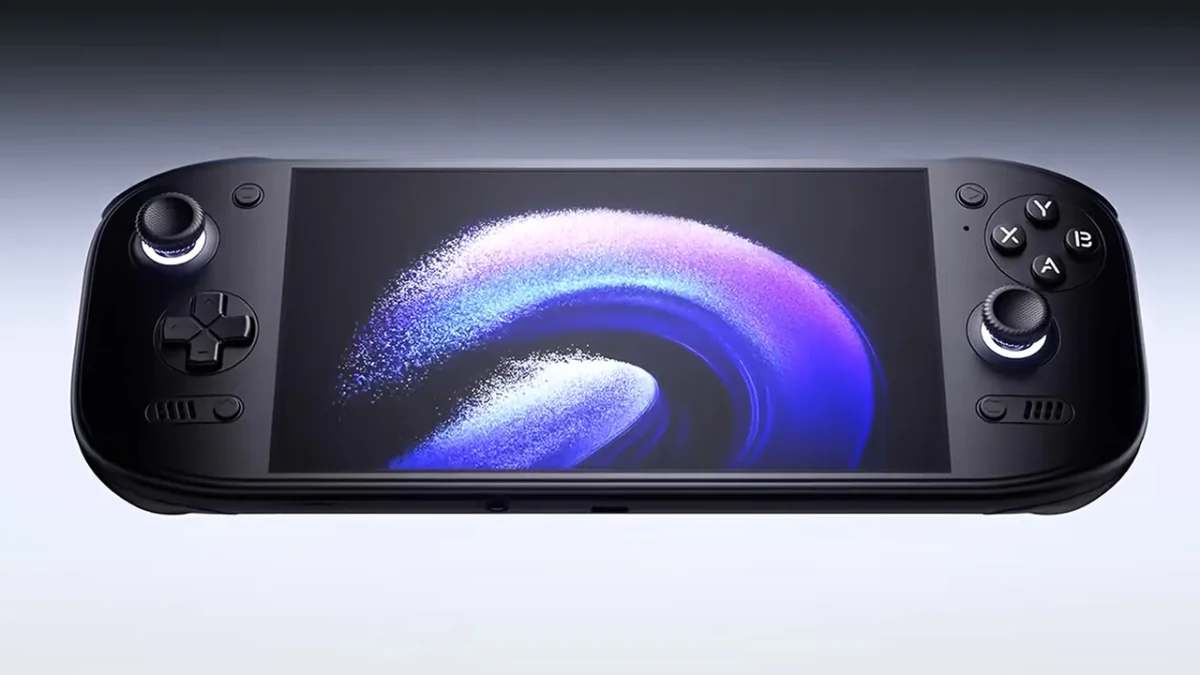
The AYN Odin 3 Portal represents a significant leap over the Odin 2 series. At the heart of this new device lies the powerful Dragonwing Q8 chipset, paired with the highly capable Adreno 830 GPU. This internal configuration is designed to handle demanding Android titles and complex emulation workloads with newfound efficiency.
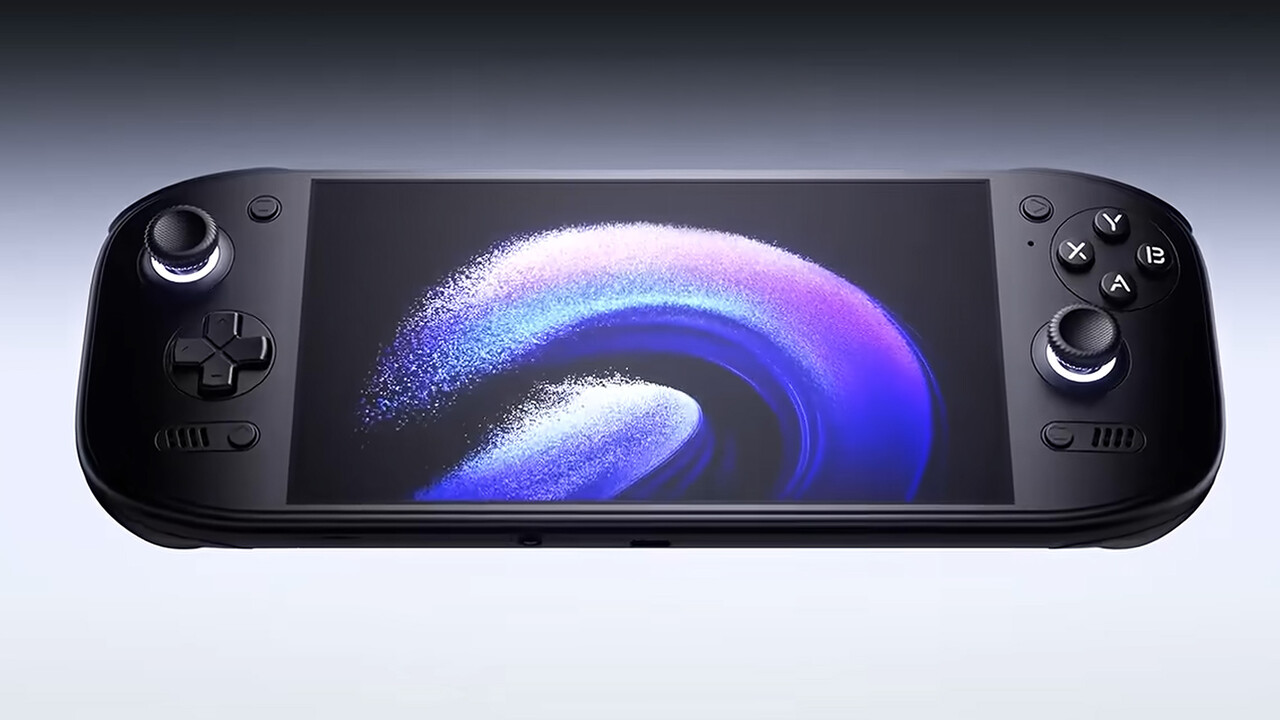
Perhaps the most notable physical changes involve ergonomics and display quality. The device features a 7-inch OLED panel with a crisp 1,920 x 1,080 resolution and a fluid 120Hz refresh rate. To improve the user experience, AYN has moved to an anti-reflective, fingerprint-resistant glass front. Furthermore, the chassis has been re-engineered with larger, more substantial ergonomic grips on the rear—a direct response to community feedback regarding the Odin 2 Portal, where many users felt compelled to purchase third-party TPU shells for extended play sessions.
Powering the unit is a robust 9,000 mAh battery, which supports fast charging up to 60 watts. This ensures that even during intensive gaming sessions, the device remains operational for longer periods, reducing the "range anxiety" often associated with high-performance handhelds.
The Chronology of an Unveiling
The marketing strategy employed by AYN for the Odin 3 Portal followed a modern, albeit polarizing, trend of "drip-feeding" information. Approximately one week after the initial teaser—which served to pique interest without revealing substance—the company released a detailed video spotlighting the internal components and design philosophy.
This sequence of information disclosure culminated in a major update on October 21, 2026. AYN finally opened the curtains on the technical specifications, pricing tiers, and the official pre-order window. According to the announcement, the first batch of pre-orders was scheduled to go live on October 22 at 21:40 EDT (October 23, 03:30 CET), signaling an immediate push into the retail market. This staggered approach, while frustrating for those eager for a complete data sheet, allowed the company to maintain a steady cadence of media coverage in the weeks leading up to the launch.
Supporting Data and Technical Specifications
The technical prowess of the Odin 3 Portal is supported by a comprehensive list of modern connectivity and hardware standards. AYN has clearly prioritized future-proofing the device:
- Processor & Graphics: Dragonwing Q8 chipset with Adreno 830 GPU.
- Memory & Storage: The device is available in three distinct tiers: 12GB RAM/128GB storage, 12GB RAM/256GB storage (Pro), and 16GB RAM/512GB storage (Max). All models feature microSD card expansion for massive library storage.
- Connectivity: The inclusion of Wi-Fi 7 and Bluetooth 6.0 ensures ultra-low latency for cloud gaming and peripheral pairing.
- External Output: The USB-C port supports DisplayPort Alt-Mode, enabling 4K output at 60Hz to external displays.
- Dimensions & Weight: 257 x 101 x 17.2 mm, weighing in at a manageable 450 grams.
- Software: The device launches with Android 15, providing the latest security and system-level performance optimizations.
The tiered pricing structure reflects the current state of the global component market. The entry-level model is priced at $399 (launch price), the Pro at $479, and the top-tier Max at $549. These prices are set to increase by $20 after the initial launch promotion, reflecting AYN’s strategy to incentivize early adopters.
Official Responses and Community Interaction
AYN’s interaction with its user base has been a defining characteristic of its growth. By listening to the criticisms of the Odin 2 Portal—specifically the complaints regarding the "slippery" feel and lack of substantial grip—the design team has shown a willingness to pivot.
The inclusion of "full-fledged" Hall Effect sticks is another response to the community’s demand for durability and precision. Unlike standard potentiometers that wear out over time, Hall Effect sensors use magnets to detect stick position, virtually eliminating "stick drift." By making these a standard feature, AYN has effectively neutralized one of the most common hardware failures in the handheld gaming industry.
Furthermore, the manufacturer has acknowledged the aesthetic desires of its users by offering optional, swappable buttons and custom TPU grips at the point of sale. This level of customization allows the AYN ecosystem to feel personal, moving away from the "one-size-fits-all" approach of larger electronics manufacturers.
Implications for the Handheld Gaming Market
The launch of the Odin 3 Portal has several profound implications for the gaming industry. First, it cements the shift toward high-end Android handhelds as legitimate competitors to dedicated consoles. With the power of the Dragonwing Q8 and a 120Hz OLED screen, the line between playing a mobile port and a console game has blurred significantly.
Second, the pricing strategy suggests that the era of "cheap" retro handhelds is evolving into an era of "premium" performance devices. While the $259 price point of the Odin 2 Portal was highly competitive, the move toward a $400–$550 range indicates that consumers are willing to pay for better thermals, larger batteries, and more advanced silicon. AYN is betting that the quality of the experience—specifically the ergonomics and display—will justify the price hike.
Finally, the release timeline and the "fire sale" pricing of the Odin 2 Portal indicate that manufacturers are becoming more strategic about managing product lifecycles. By clearing out older inventory, AYN prevents market saturation and ensures that the transition to the new generation feels like a natural upgrade rather than a fragmented product line.
Conclusion: A New Standard?
The AYN Odin 3 Portal is a testament to the maturation of the handheld gaming niche. By combining cutting-edge internal hardware with a refined, user-centric exterior, AYN has created a device that addresses the core requirements of modern gamers: performance, comfort, and longevity.
While the staggered information release may have tested the patience of some, the final product—packed with features like Wi-Fi 7, a 9,000 mAh battery, and an impressive 120Hz OLED screen—suggests that the wait was justified. As Android gaming continues to grow, the Odin 3 Portal stands as a formidable contender, setting a high bar for what a portable, dedicated gaming device can and should be in the late 2020s. Whether it can maintain its momentum against increasing competition remains to be seen, but for now, AYN has firmly established its position as a brand that listens, iterates, and delivers.