


Vienna, Austria – May 13, 2026 – The 70th edition of the Eurovision Song Contest (ESC) has officially begun, but as the lights dimmed on the first semi-final in the Austrian capital, the atmosphere in the Wiener Stadthalle was as much about geopolitical tension as it was about musical ambition. While the stage saw high-octane performances from the likes of Finland and Greece, the event remains overshadowed by a series of high-profile withdrawals and an ongoing internal crisis within the European Broadcasting Union (EBU).
The Main Facts: Who Moved Forward?
The first semi-final, held on the evening of May 12, served as a litmus test for the continent’s current musical landscape. Ten nations successfully secured their passage to the Grand Final scheduled for this Saturday.
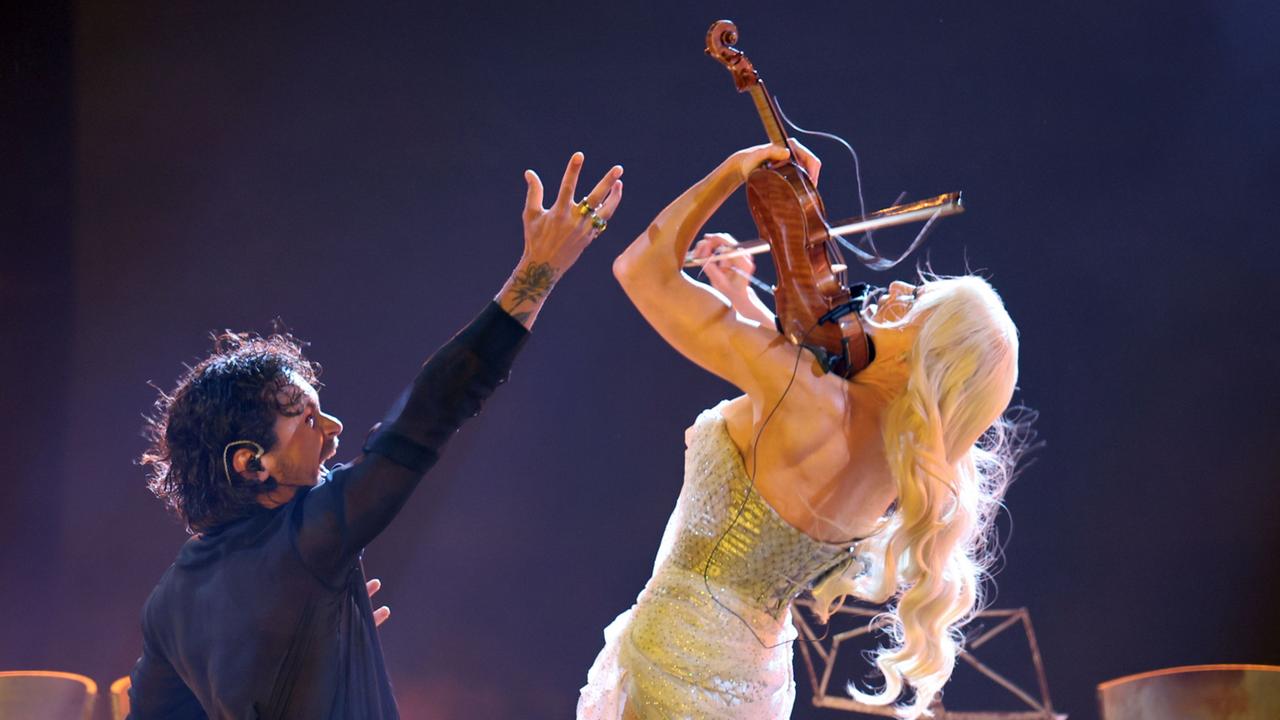
Finland, represented by the dynamic duo of violinist Linda Lampenius and singer Pete Parkkonen, captivated the audience with their theatrical performance of "Liekinheitin" ("Flamethrower"). The act was widely praised for its technical precision and visual audacity, cementing their status as a top-tier contender.
Greece also confirmed its status as a favorite, with the artist Akylas delivering a high-energy performance of "Ferto," a song characterized by its unique "videogame aesthetic" and frantic, synth-driven tempo. Israel, represented by Noam Bettan, successfully navigated the high-pressure environment to qualify with the pop ballad "Michelle."
Rounding out the list of qualifiers were Sweden, Moldova, Serbia, Croatia, Lithuania, and Poland. In a turn of events that surprised many betting experts, Belgium also secured a spot in the final, despite having been widely predicted to fall short during the qualifying rounds.
The Chronology: A Night of Highs and Lows
The evening began with a polished opening ceremony that sought to celebrate seven decades of the competition. However, the energy quickly shifted to the competitive segment. The disqualification of five nations—Portugal, Georgia, Montenegro, Estonia, and San Marino—served as a stark reminder of the competition’s high stakes.
San Marino’s exit was particularly noteworthy. The delegation had attempted to bolster their entry, "Superstar" by singer Senhit, by recruiting global pop icon Boy George for a surprise cameo. Despite the inclusion of the superstar, the performance failed to resonate sufficiently with the voting public, leading to an early exit.
Germany’s representative, Sarah Engels, performed her entry "Fire" during the semi-final as well. As part of the "Big Five"—the group of nations (including France, the UK, Italy, and Spain) that receive automatic qualification due to their financial contributions to the EBU—Engels was not competing for a spot in the final. Her performance served as a showcase for the audience.
Engels’ stagecraft was a masterclass in classic Eurovision tradition. She emerged from a massive, geometric cube before falling into the arms of her dancers. In a climactic moment that drew thunderous applause, her gown was stripped away to reveal a golden bodysuit. The clever use of lighting and the integration of a red prop cube against a black backdrop effectively mirrored the German national colors, providing a visually coherent, albeit familiar, Eurovision aesthetic.
Supporting Data: A Competition in Decline?
The 2026 anniversary edition is objectively smaller than anticipated. Austria had initially hoped for a record-breaking year, but the final roster consists of only 35 participating countries—the lowest turnout in over two decades.
This contraction in participation is not merely a result of bad luck or lack of interest; it is a direct consequence of a deepening crisis within the EBU. The decision-making processes regarding participation and the handling of political controversies have left the union fractured. With only 35 countries competing, the structural integrity of the competition has come under intense scrutiny from industry analysts, who argue that the loss of traditional stalwarts undermines the "United by Music" branding the contest seeks to uphold.
Official Responses and the "Protest" Factor
The most significant narrative surrounding this year’s competition is the widespread boycott. Several nations, including Spain, Ireland, the Netherlands, Iceland, and Slovenia, officially declined to participate in the 2026 edition.
The primary driver for these withdrawals is the ongoing participation of Israel. These countries have cited their opposition to Israel’s military actions in the Gaza Strip, arguing that allowing the nation to perform during such a volatile period is a violation of the spirit of the contest. While the EBU has maintained that the Eurovision Song Contest is a "non-political event," critics argue that the organization’s refusal to exclude Israel creates a moral double standard, especially when compared to previous sanctions against other nations for political infractions.
"The silence of the EBU is deafening," noted one delegate from a non-participating nation in a private briefing. "When music is used as a vehicle for state branding in the middle of a humanitarian crisis, the ‘non-political’ mask becomes impossible to wear."
Implications: The Future of the ESC
The implications for the Eurovision Song Contest are profound. As the competition moves toward the second semi-final on Thursday, where 15 more countries will compete for the final ten spots, the atmosphere remains tense.
1. The Erosion of Neutrality
The 2026 contest has effectively ended the myth of Eurovision as a neutral ground. The boycott proves that the participating nations are increasingly willing to use their presence—or absence—at the contest as a diplomatic tool. This shift forces the EBU into a corner: continue to insist on neutrality and face further withdrawals, or adopt a more active stance on human rights and risk alienating member broadcasters.
2. Financial Stability
With participation numbers dropping to 20-year lows, the financial model of the Eurovision Song Contest is under pressure. Fewer participants mean fewer broadcasting rights fees and a smaller pool of talent to draw from. If the trend of boycotts continues, the contest may find itself struggling to secure the sponsorship and high-budget production values that have defined its modern era.
3. The Artistic Shift
Interestingly, the artistic quality has not yet suffered, though the focus has narrowed. Performances like that of Finland’s "Liekinheitin" demonstrate that artists are leaning into high-concept, theatrical displays to distract from the gloom surrounding the event. For artists like Sarah Engels, the challenge remains to find a balance between professional performance and the reality that their stage time is happening in a hall where the air is thick with external political pressures.
Looking Ahead
As the competition heads toward the Saturday finale, all eyes are on the remaining qualifiers. The second semi-final will be a crucial indicator of whether the audience will continue to focus on the music or if the political discourse will further dominate the proceedings.
For the organizers in Vienna, the goal is simple: survive the week without a further escalation of the internal rift. For the fans, the hope remains that the music can provide a momentary escape, even as the world outside the stadium gates refuses to be silenced by the glare of the stage lights.
The road to the Grand Final is now clear, but the path for the Eurovision Song Contest in the years to come remains, at best, uncertain. Whether the 70th anniversary will be remembered as a triumphant celebration or the beginning of a long, slow decline remains the defining question of the week.













Leave a Reply