By [Your Name/Journalist Desk]
Updated: September 19, 2026
Decades after their final recording session, the Beatles continue to dominate the cultural zeitgeist with a fervor that borders on the religious. As of late 2026, the "Beatlemania" phenomenon shows no signs of waning; rather, it is undergoing a profound structural evolution. With four major cinematic biopics in production, a high-budget BBC/ZDF series documenting their formative Hamburg years, and a flurry of new literary and audio archives, the Liverpool quartet remains the most analyzed and celebrated musical act in history.
The enduring question remains: How does a band that dissolved in 1970 maintain such an iron grip on the 21st-century imagination? The answer lies in their unique trajectory—a blend of raw, working-class ambition, unprecedented musical curiosity, and the sheer historical gravity of their influence.
The Cultural Phenomenon: A 20th Century Cornerstone
To understand the Beatles is to understand the bedrock of modern pop culture. British journalist and author Ian Leslie, whose latest work examines the complex, often symbiotic songwriting relationship between John Lennon and Paul McCartney, posits that the Beatles are not merely a band, but the definitive cultural story of the 20th century.
"The reason we continue to analyze them is because they were the first to truly define what a ‘pop star’ could be," Leslie notes. "They moved from being a dance band to a studio-based laboratory of sound. Every artist who follows them—from Radiohead to Beyoncé—is operating within the architecture the Beatles built."
Chronology: From the Reeperbahn to Global Domination
The narrative arc of the Beatles is often framed as a fairy tale, but behind the myth lies a grueling, often desperate reality.
1960–1962: The Hamburg Crucible
Before they were global icons, the Beatles were a ragtag group of ambitious young men playing in the red-light district of Hamburg, Germany. The story of their "Hamburg years" is currently being dramatized in the upcoming series Hamburg Days (working title), helmed by German director Christian Schwochow.
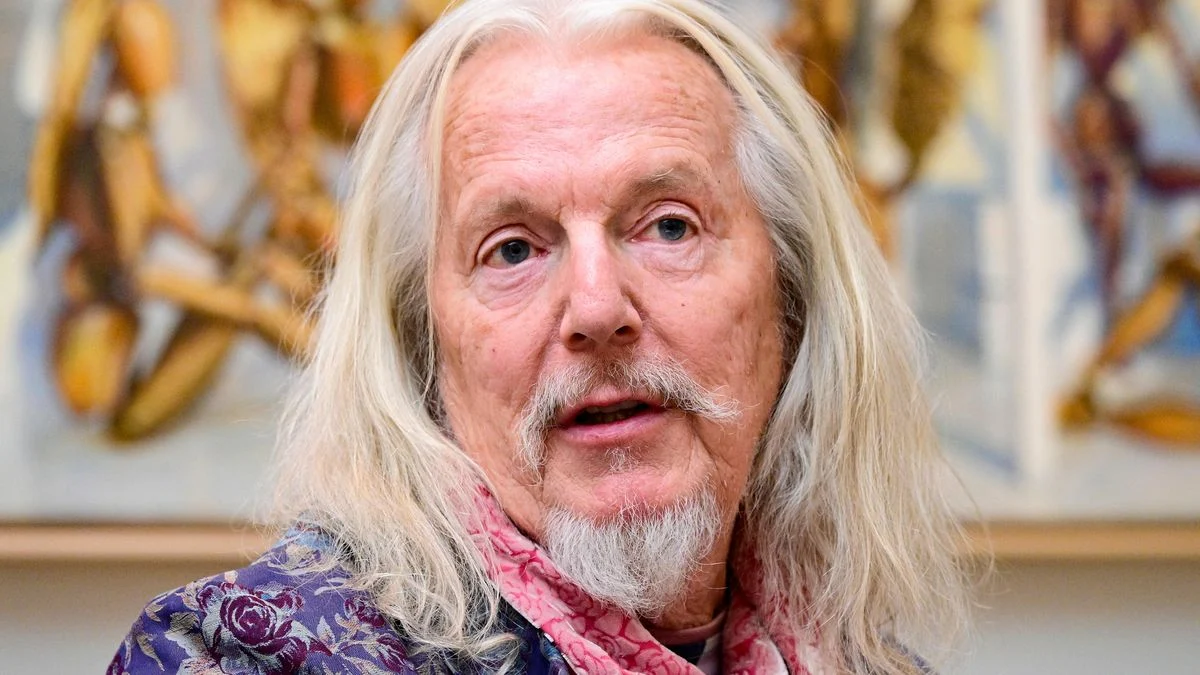
The series draws heavily from the memoirs of Klaus Voormann, the artist and musician who befriended the band in the early 60s and eventually designed the iconic Revolver album cover. As Voormann recalls, the Beatles of 1960 were not the polished icons of the later years; they were starving, sleep-deprived, and fueled by sheer necessity.
"They were gaunt, and we were all shocked by their appearance," says Julia Baird, John Lennon’s half-sister. "They played for hours on end, night after night, often resorting to stimulants just to keep performing." This period served as their true musical apprenticeship, forcing them to tighten their live performance and develop a stage presence that, upon their return to Liverpool, made them seem like an imported German sensation—so much so that initial local advertisements billed them as "Direct from Hamburg."
1964–1966: The Peak of Beatlemania
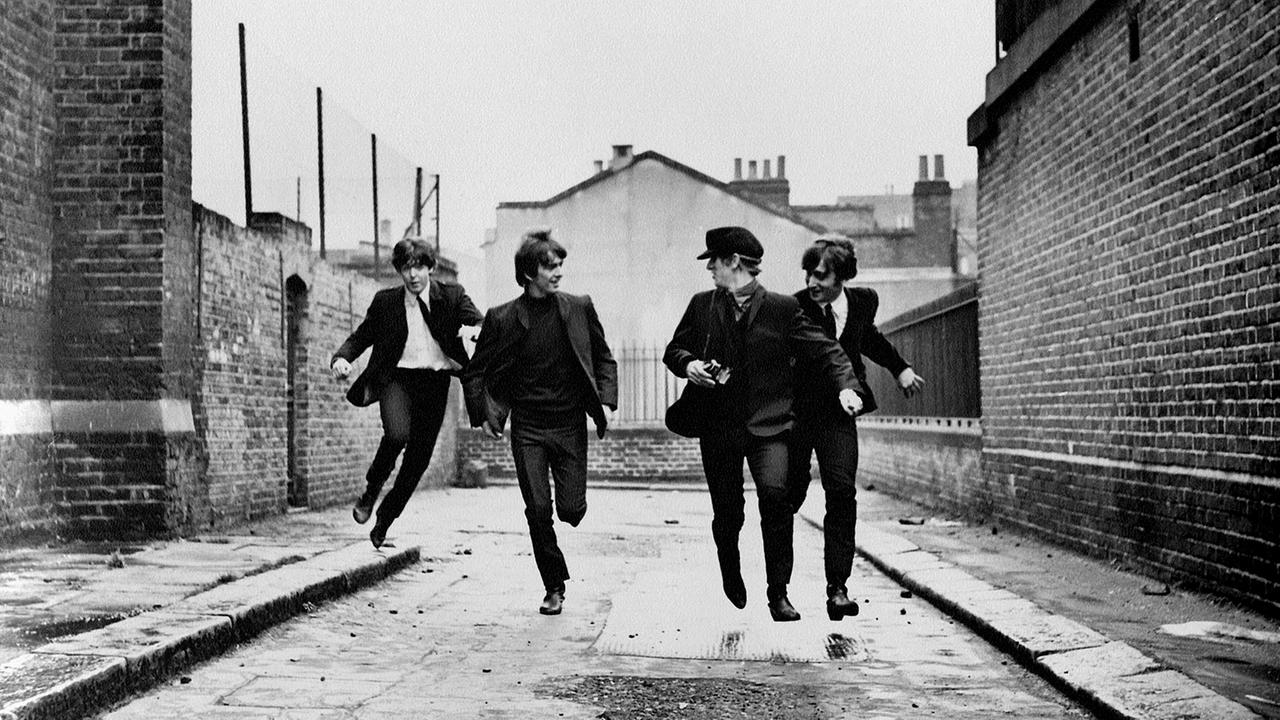
The mid-60s saw the band transition from a live act to a cultural force. Their film A Hard Day’s Night (1964) captured the chaos and charm of their rise, while their 1966 decision to cease touring marked a turning point in music history. Unable to hear themselves over the deafening screams of stadium crowds—a result of the primitive amplification technology of the time—they retreated to the studio. This transition transformed them from a pop quartet into pioneers of experimental studio production, guided by the genius of producer George Martin.
Supporting Data: The Anatomy of Success
The Beatles’ longevity is sustained by a staggering volume of output and a relentless pursuit of the new. According to musicologists, the band’s discography serves as a masterclass in genre synthesis. By the time they reached their experimental peak, they had successfully integrated:
- Folk and Country: Influenced by their early appreciation of American roots music.
- Classical and Orchestral: Most notably in "Yesterday" and "Eleanor Rigby."
- Indian Classical: Inspired by George Harrison’s interest in the sitar.
- Avant-Garde/Electronic: Seen in the tape-loop experiments of "Tomorrow Never Knows."
This "ever-seeking" nature is what kept their catalog fresh. As Voormann highlights in the Being the Beatles podcast, the group never wanted to repeat themselves. Each album was a reaction against the previous one, ensuring that they never stagnated.
Cinematic Expansion: The Sam Mendes Project
The most significant development in the current Beatles landscape is the "Four-Film-Cinematic-Event" helmed by Academy Award-winning director Sam Mendes. Scheduled for release in April 2028, this project represents a massive investment in the band’s legacy.
Unlike traditional biopics, Mendes has opted for a four-perspective approach, with each film focusing on one member of the band. The casting has generated significant buzz:
- Paul Mescal as Paul McCartney
- Barry Keoghan as Ringo Starr
- Saoirse Ronan as Linda McCartney
The project aims to deconstruct the group dynamic by viewing the collective history through the individual lenses of John, Paul, George, and Ringo. Production footage from London and Liverpool has already confirmed that the films aim for a gritty, period-accurate aesthetic, distancing themselves from the sanitized versions of rock history often found in Hollywood biopics.
Official Responses and Industry Implications
The music industry continues to treat the Beatles as a primary revenue driver and a gold standard for archival releases. The recent announcement of a "Super Deluxe" edition of the 1965 Rubber Soul album, featuring previously unheard demo tapes, underscores the industry’s ability to monetize the "unfinished" Beatles.
Furthermore, the living members remain active participants in their own myth-making. Ringo Starr, now 86, continues to tour with his current project, Long Long Road, while Paul McCartney’s recent memoir, The Boys from Dungeon Lane, has been met with critical acclaim, cementing his role as the primary keeper of the band’s collective memory.
The Legacy: Why We Can’t Let Go
The obsession with the Beatles is not merely about nostalgia; it is about the search for an authentic "Big Bang" moment in culture. We are currently living in an era of hyper-curated, algorithmic music. The Beatles represent a time when music felt like a discovery, not a data point.
Their story is a "hero’s journey" that resonates across generations. From their humble beginnings as a "third-rate dance band" in Liverpool to their status as architects of modern consciousness, the narrative arc is complete, yet infinitely re-interpretable.
As the world awaits the 2028 cinematic event, the consensus among historians and fans alike is clear: the Beatles are not a relic of the past. They are a living, evolving entity. Whether through the lens of a new streaming series, a remastered record, or a major motion picture, the "boys from Liverpool" are still the ones setting the tempo for the rest of the world.
The journey, it seems, always leads back to Liverpool—and for the foreseeable future, the world is more than happy to follow.