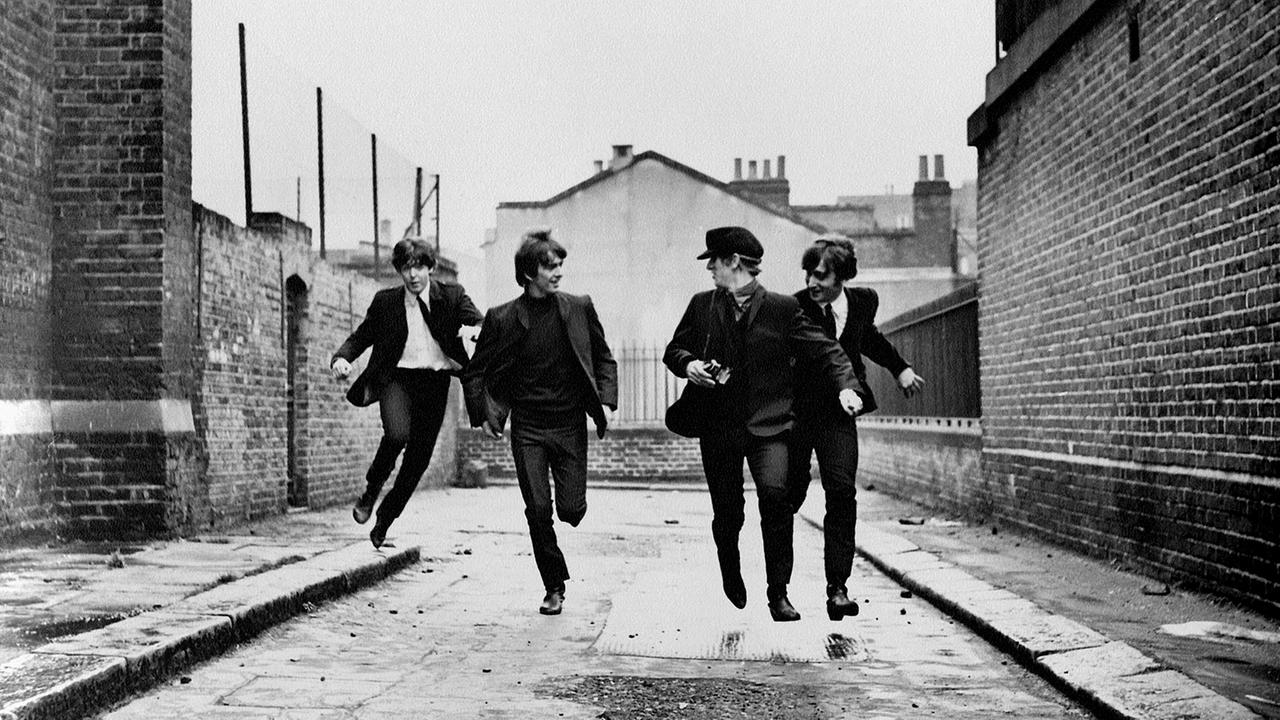
In the autumn of 2026, the cultural landscape remains firmly under the influence of four working-class lads from Liverpool who, sixty years ago, dismantled the boundaries of popular music. Despite the passage of decades, the "Beatlemania" that once paralyzed city streets has evolved into a sophisticated, multi-generational obsession. From high-budget cinematic epics to archival deep dives and new literary analyses, the Beatles are not merely a historical footnote; they are an active, evolving force in the global consciousness.
The Cultural Phenomenon: More Than Just Music
The enduring relevance of the Beatles is perhaps the most significant cultural narrative of the 20th century. As British journalist and author Ian Leslie observes, the group’s influence goes beyond their hit parade. "The reason we are still talking about them today is that they provided the vocabulary for modern pop culture," Leslie notes in his latest work examining the symbiotic, often volatile, yet undeniably brilliant creative relationship between John Lennon and Paul McCartney.
The current surge in Beatles-related media—ranging from a BBC/ZDF co-produced series focusing on their formative years to an upcoming four-film cinematic event by Oscar-winner Sam Mendes—demonstrates that the market for the "Fab Four" is as robust as ever. Whether it is through podcasts like the NDR’s Being the Beatles or the continued scholarly interest in their studio innovations, the world remains insatiable when it comes to the Liverpool quartet.
A Chronology of a Revolution
The story of the Beatles is a classic "hero’s journey," yet one rooted in gritty reality. In 1960, they were a struggling, "third-rate" dance band, barely surviving on minimal pay and meager meals. Their transformation into global icons followed a distinct, grueling path:
- 1960–1962: The Hamburg Crucible: Before they were stars, they were a working band in the rough-and-tumble entertainment district of Hamburg, Germany. Playing grueling, eight-hour sets in strip clubs and beer halls, the band honed their craft. It was here that they adopted their iconic look—black leather jackets and a harder, more aggressive rock-and-roll edge. As veteran journalist Ray Connelly recalls, the audience in Liverpool was stunned upon their return; many initially believed they were a German band, given their sophisticated, battle-hardened performance style.
- 1963–1966: The Beatlemania Explosion: The band’s rise was meteoric. They captured the post-war optimism of the West, injecting a sense of joy and rebellion into the airwaves. This era was defined by global tours and the frantic, deafening hysteria that eventually made live performance untenable.
- 1966–1970: The Studio Transformation: Recognizing that they could no longer hear themselves over the screaming crowds in football stadiums, the Beatles pivoted. They retired from touring to become an experimental studio entity. This period saw the birth of groundbreaking albums like Sgt. Pepper’s Lonely Hearts Club Band and Revolver, pushing the boundaries of what could be achieved with four-track recording and unconventional instrumentation.
The "Hamburg Days": A Cinematic Reimagining
One of the most anticipated projects currently in development is the series Hamburg Days (working title), directed by Christian Schwochow. The project draws heavily from the memoirs of Klaus Voormann, the German graphic artist and bassist who befriended the group during their residency at the Indra and Kaiserkeller clubs.
Voormann, who later designed the iconic Revolver album cover, provides a unique, intimate perspective on the band’s poverty and intense work ethic. "They were emaciated," recalls John Lennon’s half-sister, Julia Baird. "They were playing so much and eating so little." The series aims to capture this visceral, unpolished era, moving away from the sanitized "mop-top" image to show the raw, desperate ambition that fueled the band’s ascent.
Supporting Data: Why They Still Matter
The "Beatles industry" is not just nostalgia; it is a testament to their adaptability.
- The Mendes Project: Sam Mendes has embarked on a "four-film cinematic event," with each film dedicated to the perspective of one band member. Scheduled for an April 2028 release, the project features high-profile talent, including Paul Mescal as Paul McCartney and Barry Keoghan as Ringo Starr, signaling a major investment in the band’s legacy.
- Musical Versatility: The band’s catalog remains a gold standard for genre-blending. By integrating folk, blues, country, Indian classical music, and experimental electronics, they effectively invented the concept of the "artist album." Songs like "Yesterday," which utilized a string quartet, challenged the notion of what a pop song could be.
- Technological Innovation: Their partnership with producer George Martin was pivotal. Martin functioned as the sonic architect, translating the band’s abstract ideas—such as reversed tapes, orchestral arrangements, and complex overdubbing—into tangible hits.
Official Responses and Industry Impact
Industry analysts point to the "Beatles effect" as a unique economic force. Every time a remastered album or a new documentary is released, it attracts a new generation of listeners, ensuring that the band remains competitive in the streaming era.
"They were always looking for what they could do next," says Klaus Voormann. "They didn’t want to repeat themselves." This ethos is reflected in the recent archival releases, such as the 2026 reissue of the 1965 Rubber Soul album. By including previously unheard demo versions, the record labels are providing the "archaeological evidence" that fans crave, proving that even after sixty years, there are still untapped layers to the Beatles’ creative process.
The Legacy of the "Ewig Suchenden" (The Eternal Seekers)
The Beatles’ success is often attributed to their restlessness. They were not merely a band; they were a collective of "eternal seekers." This curiosity prevented them from becoming a "legacy act" in their own time. Even as they drifted apart in 1970, their individual projects continued to shape the musical landscape.
Today, the members—or their estates—remain active. Ringo Starr continues to tour with his All-Starr Band at 86, proving the stamina of the rock-and-roll spirit, while Paul McCartney’s recent memoir-style album, The Boys from Dungeon Lane, has received critical acclaim for its introspective look at his Liverpool roots.
Implications for Future Generations
The implications of the current Beatles revival are clear: the band has achieved a level of cultural immortality that few, if any, artists can claim. Their work is no longer just "music from the 60s"; it is a foundational component of Western art.
As we look toward the 2028 film releases and the ongoing archival work, it is evident that the "Liverpool phenomenon" is far from over. The Beatles redefined the relationship between the artist and the audience, turning the recording studio into a laboratory and the pop song into a medium for profound personal and social exploration. For as long as people seek music that challenges, comforts, and evolves, the boys from Liverpool will remain a cornerstone of our shared human experience.
Ultimately, the story of the Beatles is a reminder that greatness is rarely accidental. It is the product of long nights in cold, dark clubs, a relentless desire to innovate, and an unbreakable bond of friendship. Whether they are being heard through a grainy 1960s vinyl or a 2026 digital remaster, the result remains the same: the Beatles are, and will likely always be, a hit.