

Introduction: A Voice from the Heart of Conflict
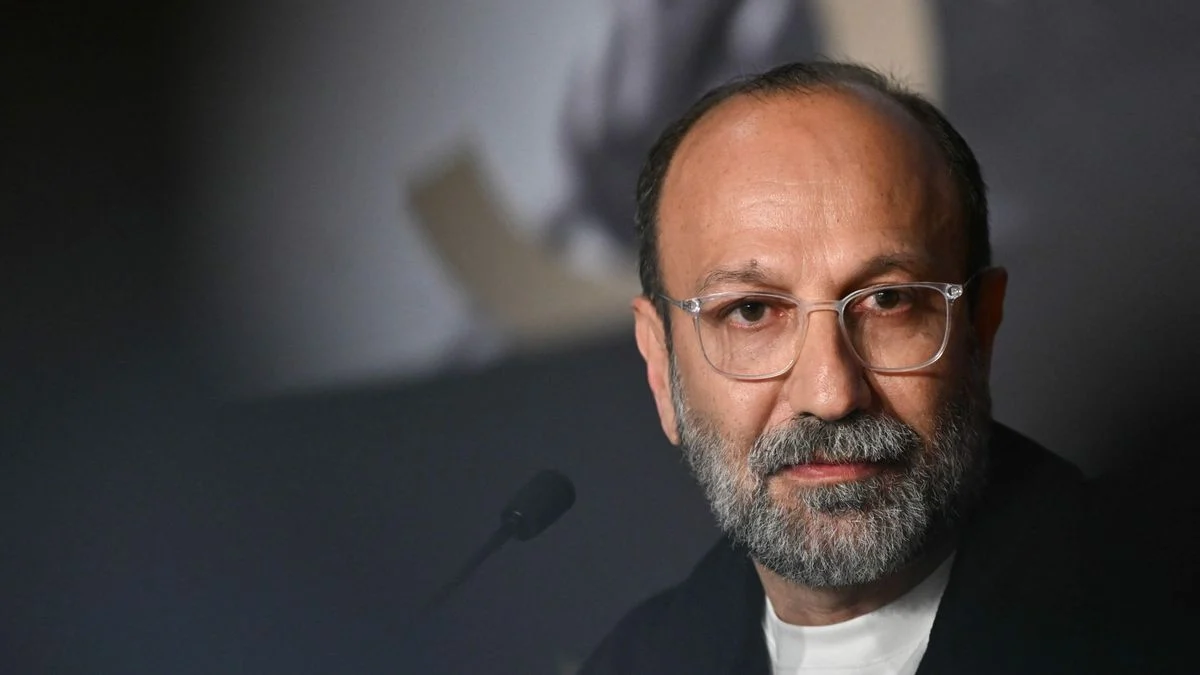
At the 77th Cannes Film Festival, a platform traditionally associated with the glitz and glamour of international cinema, the atmosphere shifted toward somber reflection when Iranian auteur Asghar Farhadi took to the podium. The two-time Academy Award-winning director, known for his piercing social realism and complex moral narratives, utilized his international visibility to address the harrowing realities currently unfolding within the borders of his homeland.
In a candid and emotional press conference, Farhadi decried the cycle of violence plaguing Iran, positioning himself as a voice for the victims of both external military interventions and internal state repression. His remarks served as a sobering reminder that for the people of Iran, the boundary between geopolitical conflict and domestic human rights crises has become increasingly blurred.
Main Facts: The Dual Fronts of Suffering
The crux of Farhadi’s statement focused on two distinct, yet interconnected, theaters of tragedy. First, he addressed the escalating tensions involving the United States and Israel, specifically condemning the loss of life resulting from recent airstrikes targeting Iranian infrastructure and military positions. Farhadi, 54, articulated a profound sense of mourning for the "innocent civilians and children" caught in the crossfire of these high-stakes geopolitical maneuvers.
Second, he pivoted to the internal turmoil that has gripped Iran since early this year. Farhadi spoke out against the brutal crackdown on anti-government protesters. Describing the demonstrators as "innocent people who took to the streets to voice their grievances," he labeled the government’s response a "massacre." By juxtaposing these two sources of death—external airstrikes and internal state violence—Farhadi highlighted the precarious existence of the average Iranian citizen, trapped between international belligerence and authoritarian suppression.
Chronology of the Crisis
To understand the weight of Farhadi’s comments, one must look at the timeline of events that prompted his intervention.
The Winter Uprising (January 2024)
In January, Iran experienced a surge in civil unrest, driven by economic stagnation, inflation, and growing frustration over the lack of civil liberties. Protests erupted in several major cities, including Tehran, Isfahan, and Mashhad. The government’s response was swift and uncompromising. Security forces utilized tear gas, mass arrests, and, according to reports verified by various NGOs, lethal force against unarmed civilians. This period of unrest marked the latest chapter in a long-standing struggle between the Iranian populace and the ruling clerical establishment.
The Escalation of Regional Hostilities
Simultaneously, the regional landscape deteriorated. Following a series of proxy escalations and drone strikes, tensions between Tehran and its primary adversaries, the United States and Israel, reached a boiling point. The subsequent airstrikes, conducted under the pretext of curbing Iran’s regional influence and nuclear ambitions, resulted in civilian casualties—a phenomenon Farhadi highlighted as both "painful" and "unforgettable."
Supporting Data: The Human Cost
While political discourse often focuses on strategic objectives and military capabilities, Farhadi’s intervention serves as a necessary pivot toward the human cost of these policies.
Civilian Impact of Airstrikes
Military analysts and human rights organizations have long debated the efficacy of targeted airstrikes in urbanized regions. According to data from independent monitoring groups, the increased intensity of operations in the region has led to a documented rise in "collateral damage." In his speech, Farhadi did not cite specific tactical numbers, but he echoed the reports of international observers who have warned that civilian infrastructure—schools, residential blocks, and hospitals—is increasingly vulnerable to precision-guided munitions that occasionally miss their mark or destroy dual-use facilities.
The Scale of Domestic Crackdowns
The January protests were characterized by a massive deployment of the Islamic Revolutionary Guard Corps (IRGC) and Basij paramilitary forces. Documentation from human rights watchdogs suggests that thousands were detained, and hundreds lost their lives during the dispersal efforts. The state narrative, which often categorizes protesters as "foreign agents" or "rioters," has been consistently challenged by the reality of the demographic makeup of the protests, which included students, professionals, and activists from diverse socio-economic backgrounds.
Official Responses and Diplomatic Fallout
The response to Farhadi’s comments has been polarized, reflecting the fractured nature of the discourse surrounding Iran.
The Iranian State Perspective
As expected, the Iranian state media apparatus has remained largely silent regarding Farhadi’s specific comments, though historical precedent suggests that such public criticisms are often met with accusations of being "out of touch" or "serving the agenda of the West." Historically, filmmakers who criticize the state in international forums often face censorship, travel bans, or professional obstacles upon their return to Iran.
The International Community
Western media and human rights organizations have praised Farhadi’s courage. By using the Cannes stage to bridge the gap between his cinematic work and political reality, he has successfully forced the festival’s audience to acknowledge the "parallel stories" of his home country. Diplomats have noted that such testimonies are essential in maintaining international pressure on the Iranian government, particularly regarding the respect for human rights and the freedom of assembly.
Implications: Cinema as a Moral Compass
Farhadi’s presence at Cannes this year was intended to promote his latest film, Histoires parallèles (Parallel Stories). The film explores themes of memory, societal division, and the unseen consequences of our choices. However, the director’s public statements have arguably overshadowed the film’s promotion, turning his press junket into a platform for advocacy.
The Role of the Artist in Autocratic Regimes
Farhadi’s situation raises a critical question: What is the role of an artist in a country facing both internal oppression and external threat? For filmmakers like Farhadi, the pressure is immense. To speak out is to risk everything—his career, his freedom, and his ability to work in his native language. Yet, to remain silent is to be complicit in the erasure of the history he seeks to document through his lens.
Impact on Iranian Soft Power
Iran has historically used its cinema as a form of "soft power," showcasing the intellectual and artistic depth of its people. By speaking out against the state, Farhadi creates a paradox for the Iranian government: they are proud of the international accolades he brings to the country, yet they are fundamentally opposed to the values he espouses. This tension is indicative of the broader struggle for the soul of Iran—a nation that is modern, creative, and globalist in its artistic expression, yet governed by a system that remains deeply suspicious of such influences.
Conclusion: The Burden of Memory
As the Cannes Film Festival concludes, the words of Asghar Farhadi remain a lingering echo. By stating that the deaths in both the war and the protests are "extremely painful and will never be forgotten," he is performing an act of moral archiving. He is ensuring that even if these events are buried under the weight of geopolitical maneuvering or sanitized by state-controlled media, they remain a part of the global record.
Farhadi’s plea is not for a specific political outcome or a change in government policy; it is a fundamental plea for the sanctity of life. In a world where cinema is often reduced to entertainment, Farhadi reminds us that it is also a tool for bearing witness. His courage at Cannes serves as a beacon for Iranian artists and citizens alike, proving that even in the most restrictive environments, the truth—and the desire for a more humane future—cannot be completely silenced. As he prepares to return to the complexities of his work, the global community is left with the uncomfortable, yet necessary, reality of the "parallel stories" that continue to unfold in the streets of Tehran and the corridors of international power.













Leave a Reply