Introduction: A Year of Unprecedented Climate Impact
The year 2026 will likely be remembered by climatologists and historians as a pivotal moment in the global struggle against environmental degradation. As data from international research bodies confirms, the planet is currently navigating a period of unprecedented thermal stress, with the European continent bearing a staggering human cost. A recent analysis by leading British researchers has revealed that the summer of 2026 recorded the highest number of heat-related fatalities in European history, with approximately 50,000 lives lost. This figure, while stark, is not merely a statistical anomaly; it is a manifestation of the accelerating, human-induced climate crisis that scientists have warned about for decades.

This report synthesizes the critical environmental developments of the past months, ranging from the immediate humanitarian toll of extreme weather to the complex, ongoing diplomatic efforts to mitigate the worst of the impending 2.8-degree Celsius warming trajectory.

Main Facts: The Human and Environmental Cost
The primary headline of the 2026 climate record is the grim milestone of 50,000 heat-related deaths across Europe. This surge in mortality is directly linked to prolonged, intense heatwaves that have become increasingly common due to the shift in global atmospheric patterns. The research indicates that the intensity and duration of these events are no longer within the bounds of "natural" variability but are being significantly exacerbated by carbon-heavy industrial activities.

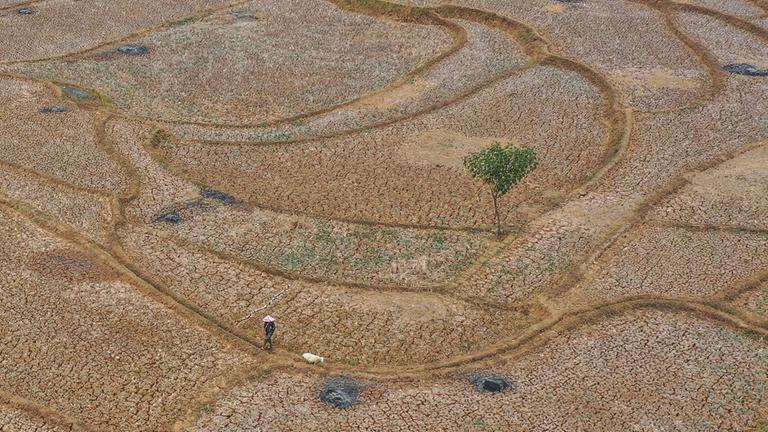
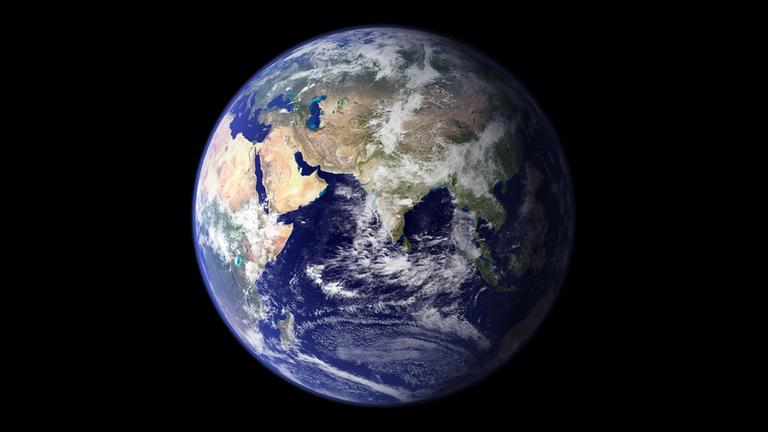
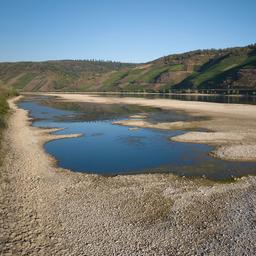
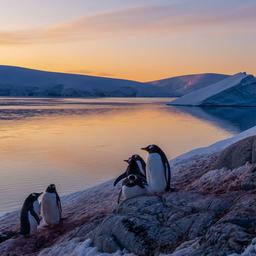
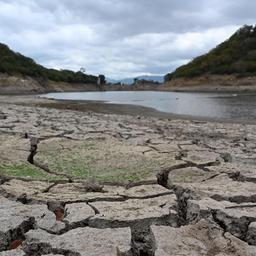
Beyond the immediate human toll, the ecological fabric is fraying. From the dried-out rice fields of Indonesia—a scene that has become emblematic of the global water crisis—to the struggling ecosystems of the Antarctic, the planet is showing signs of systemic strain. The UN Environment Programme (UNEP) has issued a sobering assessment: despite incremental progress in global climate policy, the world is currently on a path toward a 2.8-degree Celsius increase in global temperatures, far exceeding the 1.5-degree limit established by the Paris Agreement.
Chronology of Climate Events: 2026–2027
1. The Summer of 2026: A Statistical Tipping Point
The European heatwave of 2026 shattered records. Urban centers, poorly adapted for such extreme temperatures, saw infrastructure buckle. The medical community reported a collapse in the surge capacity of hospitals as vulnerable populations succumbed to heat exhaustion and secondary respiratory failures. This event served as a wake-up call for European policymakers, who are now reassessing urban planning and public health resilience.
2. The Bonn Preparatory Sessions
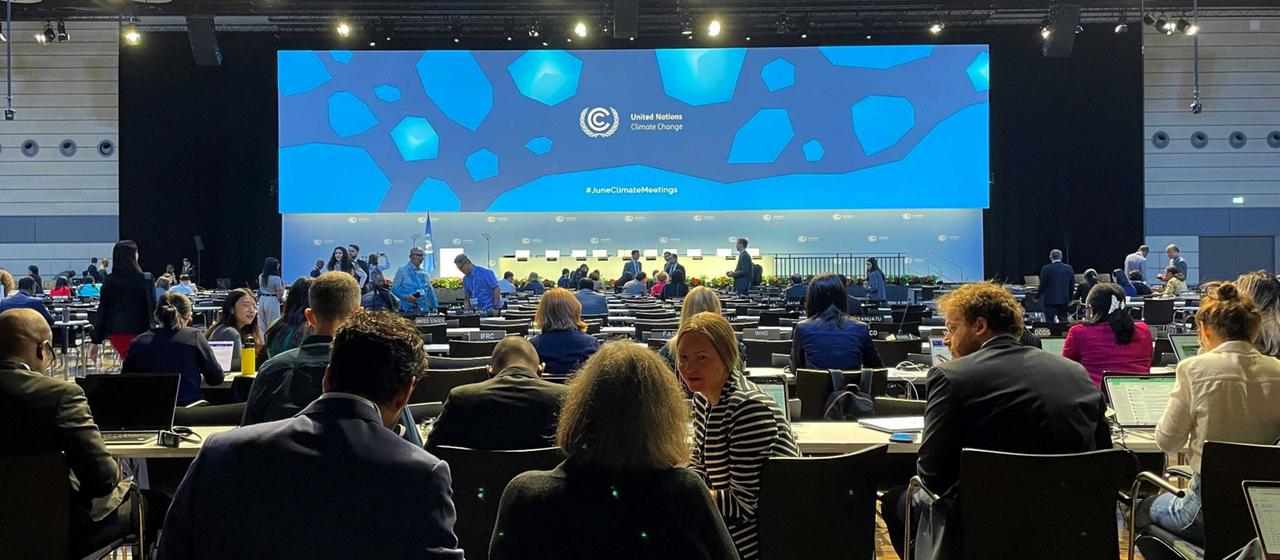
Leading into the end of the year, over 5,000 delegates gathered in Bonn, Germany, to lay the groundwork for the upcoming COP summits. These ten days of negotiation were marked by both cooperation and deep-seated friction. While technical progress was made in energy transition frameworks, the sessions were reportedly marred by "serious" attacks on scientific credibility by various lobbyist groups, highlighting the ongoing battle between environmental progress and entrenched economic interests.
3. The Shift in Antarctic Research
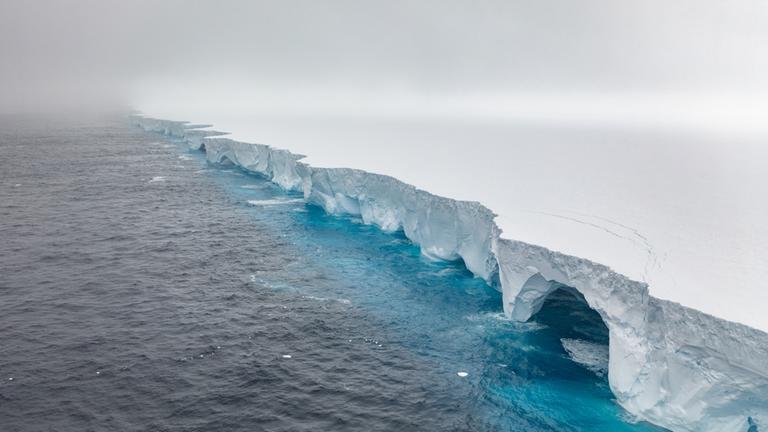
While much of the news is grim, the expedition of the German research vessel Polarstern provided a glimmer of scientific hope. The team discovered that specific geological features of the Antarctic seabed are actively acting as a "brake" on the melting of ice shelves in the eastern region. While this does not stop the melt, it provides essential data for predictive climate modeling, allowing researchers to refine their estimates for sea-level rise.
4. The 2027 Outlook: Nature’s Resilience
As we look toward 2027, the conservation sector has highlighted the "Flower of the Year," the Yellow Meadow-rue (Thalictrum flavum). Chosen by the Loki-Schmidt Foundation, this resilient, 1.5-meter-tall plant serves as a symbol of the struggle for riverine biodiversity. It acts as a reminder that as the climate shifts, the survival of specific species depends on our ability to protect the corridors of life that remain.
Supporting Data: Why the 1.5-Degree Limit is Slipping
The UN-led assessments confirm that while the global transition to renewable energy is accelerating, it is not keeping pace with the exponential growth of greenhouse gas emissions. The discrepancy between national pledges and actual implementation remains the central obstacle.
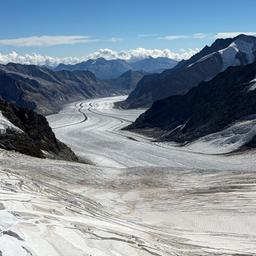
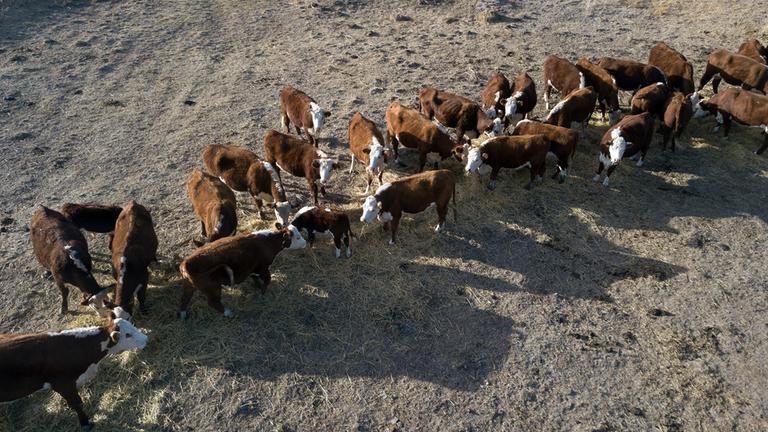
- The Methane Problem: In Australia, agricultural innovations are targeting the livestock sector, which accounts for approximately 25% of human-induced methane. By introducing red algae into cattle feed, farmers are attempting to lower the methane output of their herds. This is a prime example of the "micro-solutions" that, while helpful, must be scaled globally to have a meaningful impact.
- The 2.8-Degree Trajectory: If current policies remain unchanged, the 1.5-degree Celsius threshold is effectively a thing of the past. The focus of the international community has shifted toward "climate adaptation"—preparing societies for the inevitable disruptions that a 2.8-degree world will bring.
Official Responses and Diplomatic Friction
The global diplomatic landscape regarding climate is currently defined by the tension between "vision and resistance."
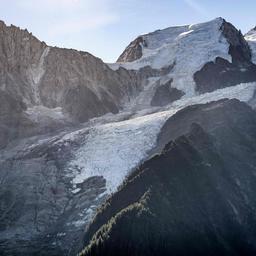
At the Bonn sessions, German Environment Minister Schneider emphasized the necessity of maintaining the international climate protection process. However, his calls for speed were countered by representatives from emerging economies who argued that the financial burden of the transition must be shared more equitably by the Global North.
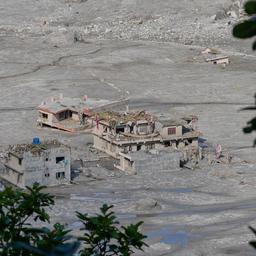
The COP30 outcomes in Brazil were viewed as a mixed success. While the conference did not collapse, the resulting agreements were seen by many as insufficient. The "disappointment" felt by many nations stems from a lack of concrete financial mechanisms to support developing countries in their transition away from fossil fuels.
Implications: The Road Ahead
The implications of the current climate trajectory are profound and multi-dimensional:
Public Health and Social Stability
The 50,000 deaths in Europe are a warning. We are entering an era where climate change will be the primary driver of public health crises. Governments will need to invest in "climate-resilient health infrastructure" as a matter of national security.

Economic Shifts
The reliance on traditional agriculture in regions prone to drought—as seen in the images of cracked fields in Indonesia—is no longer sustainable. The agricultural sector is facing a forced evolution: either adopt radical new technologies (like those being tested in Australia) or face the total loss of productivity.

The Scientific Imperative
The work of the Polarstern and other research institutions demonstrates that we still do not fully understand the complexities of Earth’s feedback loops. Increased funding for climate science is not just an academic preference; it is a survival requirement. Without accurate data, policy decisions remain blind.
Diplomatic Reality
The COP process is being tested to its limits. The challenge for future conferences, including those preparing for the next major global summits, is to move beyond the "visionary" rhetoric and toward binding, enforceable commitments. The resistance observed in Bonn suggests that the "easy" phase of climate policy—the phase of setting targets—is over. We are now in the "hard" phase, where the interests of industry, the needs of developing nations, and the scientific necessity of survival collide.
Conclusion
The evidence gathered throughout 2026 and early 2027 paints a clear picture: the climate crisis is no longer a distant threat but a present reality. The loss of 50,000 lives in Europe, the record-breaking heat, and the shifting ecological landscapes are the markers of a world in transition.
Yet, there is agency in our response. Whether it is through the preservation of native species like the Yellow Meadow-rue, the adoption of methane-reducing agricultural practices, or the discovery of natural buffers on the Antarctic seafloor, human ingenuity and scientific research remain our strongest tools. The task ahead is to reconcile these efforts with a global policy framework that is both fast enough to mitigate disaster and fair enough to ensure that the transition to a sustainable future leaves no one behind.
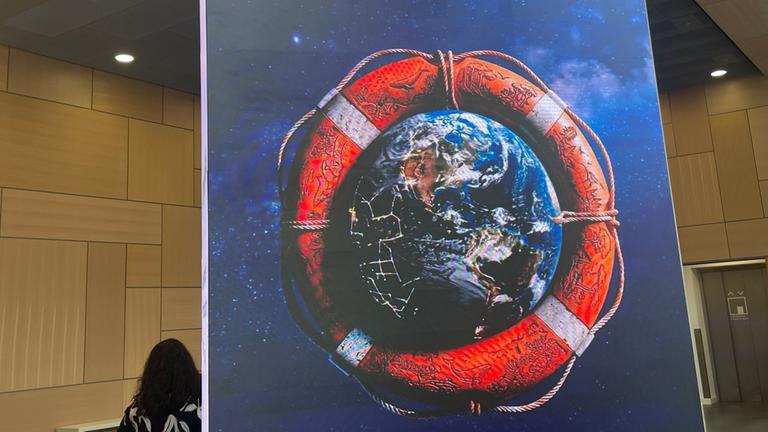
The threshold of 2.8 degrees is not a destiny; it is a forecast. The difference between that projection and a more stable future will be defined by the actions taken in the coming years. The clock is ticking, but the window for meaningful change remains open—provided that the international community can overcome the inertia of the past and commit to a shared, sustainable future.