ORLANDO, Florida – The atmosphere at the Orange County Convention Center is electric, a stark departure from the traditional, buttoned-up corporate aura usually associated with enterprise software giants. As thousands of developers, partners, and C-suite executives stream through the halls for SAP Sapphire, the mood is one of restless urgency. Amidst the sea of attendees clutching smartphones and trading branded merchandise, one motif stands out: a small star icon. It is the ubiquitous symbol of "Joule," the generative artificial intelligence engine that CEO Christian Klein has placed at the epicenter of SAP’s future.
For SAP, the world’s leading provider of enterprise resource planning (ERP) software, this is more than just another product launch. It is a fundamental existential pivot. As Christian Klein steers the ship toward the "Autonomous Enterprise," the company is not merely upgrading its codebase—it is attempting to redefine the very nature of how global business is conducted.
The Core Transformation: From Automation to Autonomy
At the heart of the company’s new strategy is a radical departure from the "system of record" model that defined the last three decades of ERP history. Under Klein’s leadership, SAP is pivoting toward an "Autonomous Enterprise"—a vision where software does not just record data, but actively manages, optimizes, and executes complex business workflows with minimal human intervention.
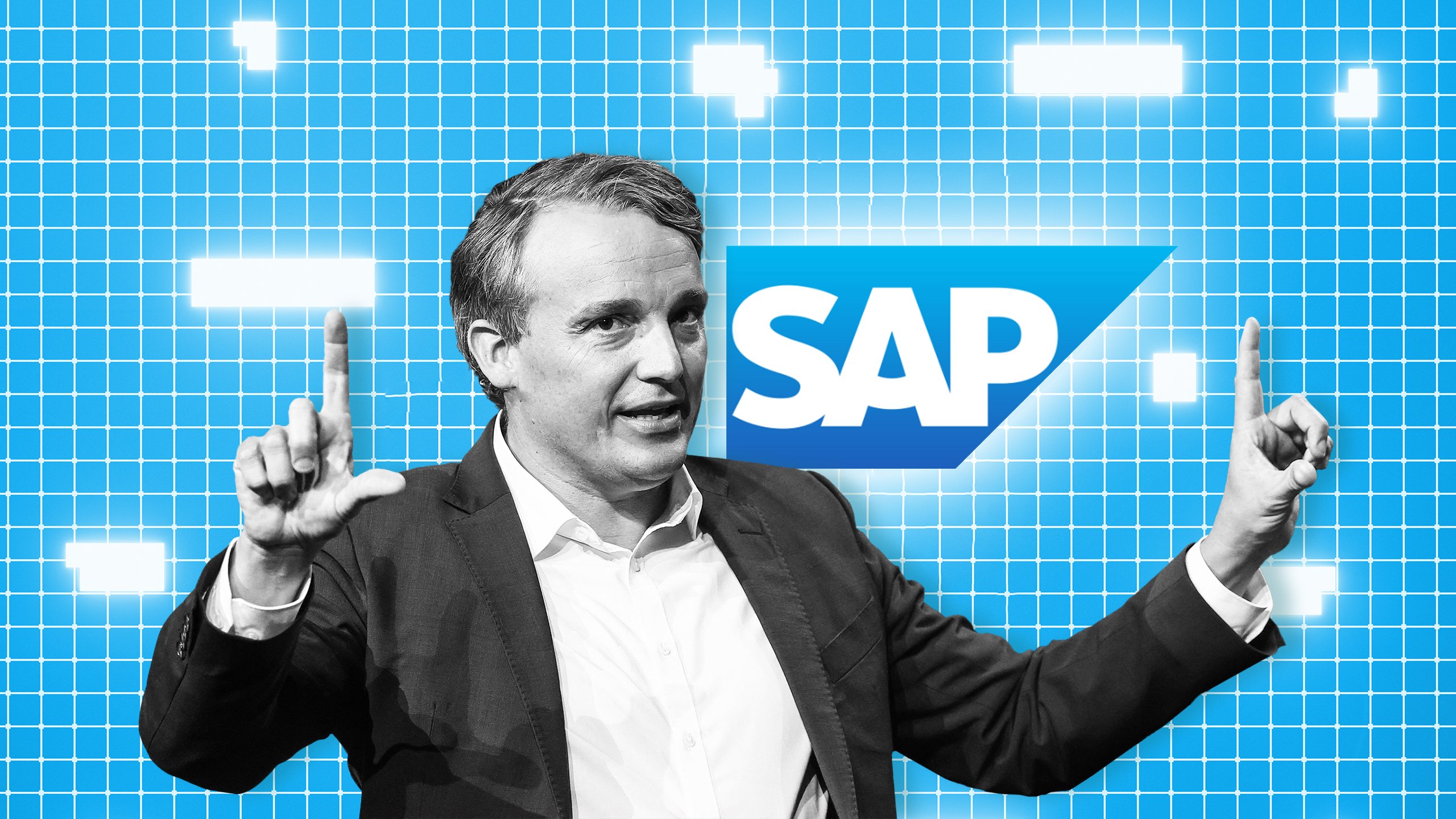
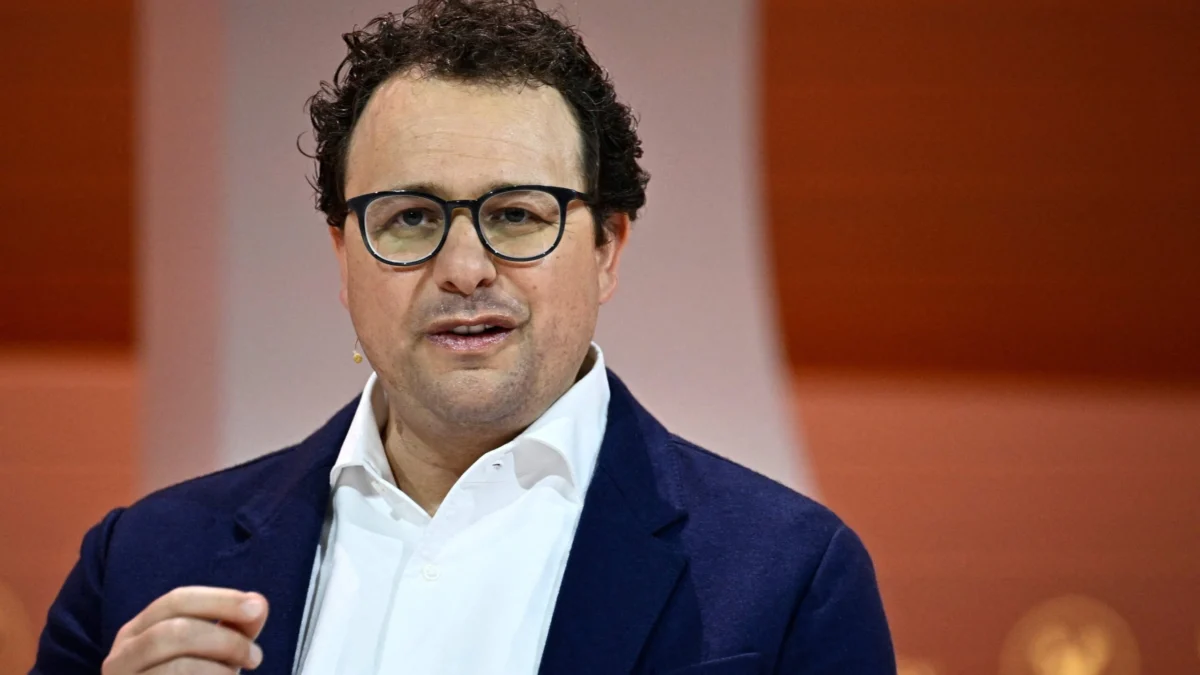
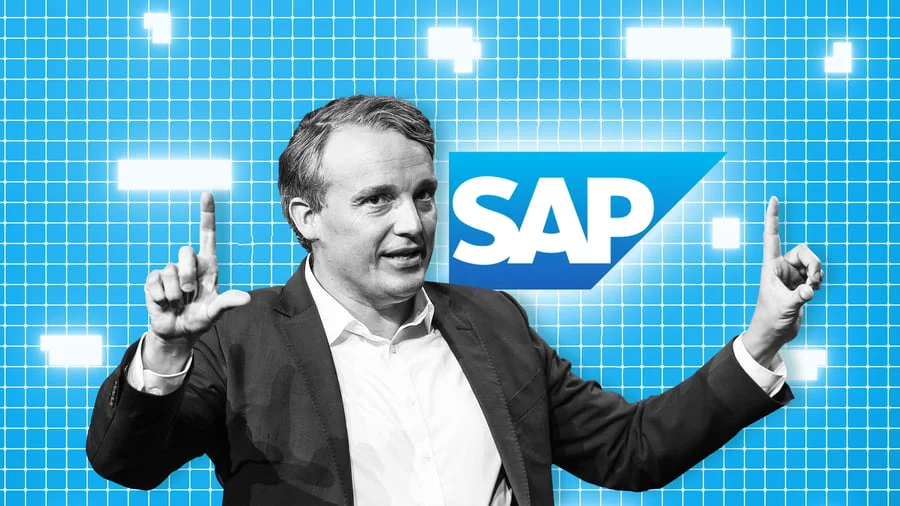
"We are demanding a lot from everyone," Klein noted during his keynote, acknowledging the seismic shift required from both his internal teams and SAP’s massive global customer base. The "AI Factory," a newly established internal engine, is tasked with churning out business-centric AI applications at a weekly cadence, a pace that would have been unimaginable for the German software giant just five years ago.
Chronology of the Shift
The transition to an AI-first company has been a calculated, multi-year process:
- 2020-2022 (The Foundation): Upon taking the helm as sole CEO, Christian Klein accelerated the transition to the cloud, specifically focusing on the S/4HANA platform as the bedrock for future innovation.
- 2023 (The Generative Breakthrough): With the explosion of Large Language Models (LLMs), SAP moved aggressively to integrate generative AI, culminating in the launch of Joule, the company’s AI-powered co-pilot.
- 2024 (The Scaling Phase): SAP shifted focus from experimental features to practical business applications, introducing the "Agent Lab," where customers can build their own autonomous agents.
- 2025-2026 (The Autonomous Vision): The current focus is on the "Autonomous Enterprise," where AI agents are integrated across the entire supply chain, finance, and HR modules, effectively allowing software to "self-heal" business processes.
The "Agent Lab": Empowering the Customer
Mitten in the chaos of the expo floor, the "Agent Lab" represents the most tangible proof of SAP’s new trajectory. Here, the abstract promises of AI become concrete tools. Attendees are given the power to construct their own autonomous agents—digital workers capable of monitoring supply chain risks, predicting inventory shortfalls, and triggering procurement orders without waiting for human approval.
One IT director from a major industrial conglomerate, having spent a few minutes in the lab, expressed genuine surprise: "This is more sophisticated than I expected from SAP. It moves beyond just querying a database to actually executing a task."
The process is remarkably intuitive. A user describes a business hurdle—such as a disruption in raw material supply—in natural language. The system then guides the user through the configuration of an agent that monitors data streams and acts on pre-set thresholds. The gap between intention and execution has shrunk from weeks of coding to mere minutes of configuration.
Data-Driven Foundations: The Engine Room
The success of this strategy rests entirely on the quality of SAP’s data. Unlike general-purpose LLMs that scrape the public internet, SAP’s AI is trained on decades of proprietary, industry-specific business processes.
Leveraging the "Digital Core"
The "Digital Core" of S/4HANA serves as the primary training ground for these agents. Because SAP handles the financial and operational data for the world’s largest enterprises, its AI models are uniquely positioned to understand the context of a "purchase order" or a "shipment delay" within a specific industry framework.
The Role of Acquisitions
To maintain this momentum, SAP has been on a strategic acquisition spree. By folding smaller, AI-native startups into its "AI Factory," the company has successfully bypassed the slow, traditional R&D cycles that often plague legacy tech firms.
Official Responses and Strategic Rationale
In discussions with leadership, the rationale for this rapid, sometimes aggressive transformation is clear. Christian Klein has repeatedly emphasized that "the future of business is not about doing the same things faster, but about doing different things entirely."

SAP’s leadership team has framed this as a defensive and offensive necessity. Defensively, the firm must prevent agile, cloud-native competitors from eroding its market share. Offensively, by embedding AI at the process level, SAP is creating a "moat"—once an enterprise’s entire operational logic is governed by an autonomous SAP agent, the switching costs become prohibitive.
However, the transition is not without friction. SAP has had to manage internal cultural shifts, moving from a culture of meticulous engineering to one of rapid, iterative deployment. This has necessitated significant workforce restructuring, a move that Klein has defended as essential for "agility and focus."
Implications for the Global Economy
The shift toward the "Autonomous Enterprise" has profound implications for the global workforce and industrial efficiency.

1. The Reskilling Challenge
As routine tasks—such as invoice reconciliation, inventory management, and basic procurement—are offloaded to AI agents, the roles of human employees are being redefined. The premium is shifting toward "AI orchestration"—the ability for a human to manage a fleet of digital agents rather than performing the manual data entry those agents now handle.
2. Supply Chain Resilience
In an era of geopolitical instability and climate-related disruptions, the ability of an autonomous system to react in real-time to supply chain shocks is a massive competitive advantage. Companies using these tools report that they can pivot their logistics operations in minutes, a process that previously took days of manual reporting and executive decision-making.
3. Ethical AI and Governance
As SAP automates more of the enterprise, the question of "AI governance" becomes paramount. SAP has explicitly stated that its AI agents operate within a "Human-in-the-Loop" framework for critical financial decisions, ensuring that the software acts as an advisor and executor under strict compliance guidelines, rather than an unchecked operator.

Conclusion: A New Chapter for the Enterprise
As the lights dim at the Orlando convention center, the message from SAP is unambiguous: the era of the static, manual ERP is over. Under Christian Klein, the company is betting its future on the idea that the complexity of modern business can only be managed by machines.
Whether this vision of the "Autonomous Enterprise" can be realized at scale remains to be seen. The technical hurdles are immense, and the cultural resistance within large, risk-averse organizations will be a significant factor. Yet, if the enthusiasm in the "Agent Lab" is any indication, the appetite for this level of automation is unprecedented. SAP is no longer just selling software; it is selling a new operating system for the global economy.
For Christian Klein, the mission is clear: to ensure that while the world of business changes, SAP remains the silent, invisible intelligence that keeps the global gears turning—faster, more accurately, and more autonomously than ever before.