By Editorial Staff
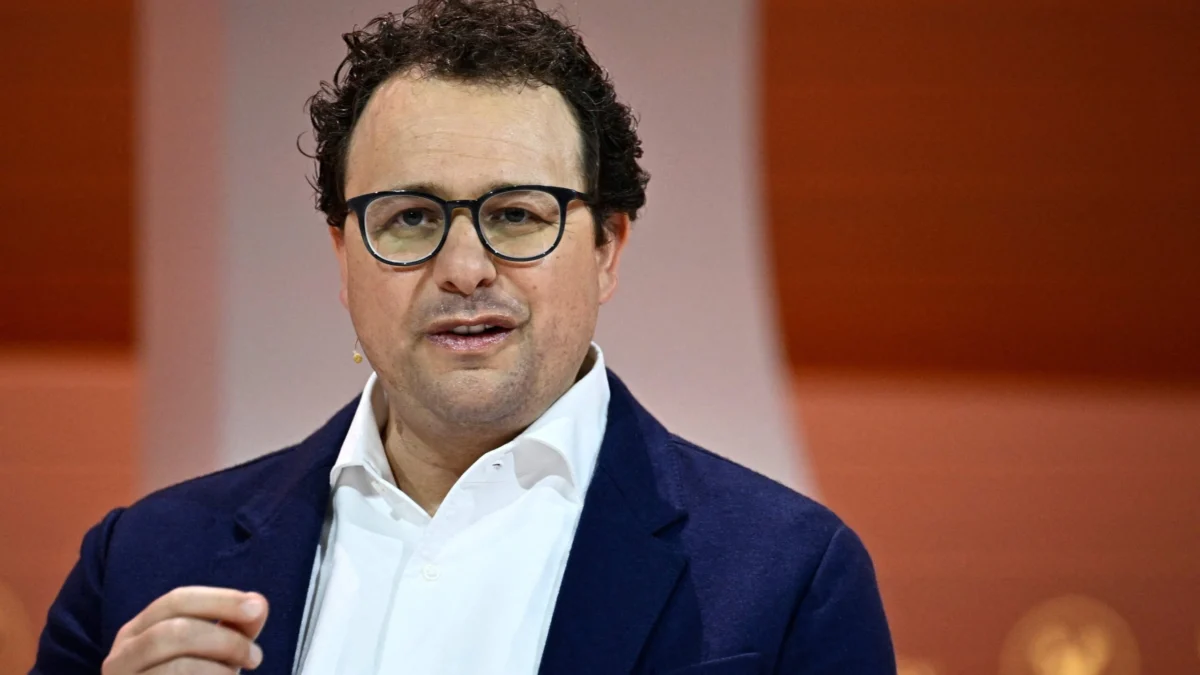
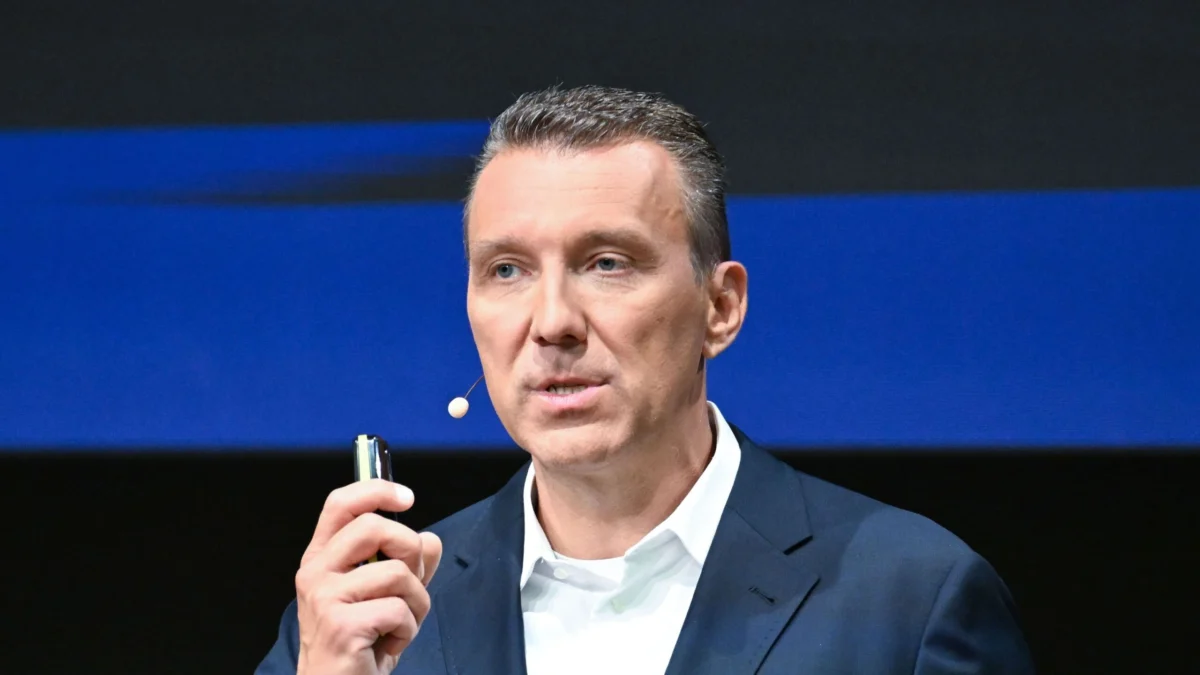
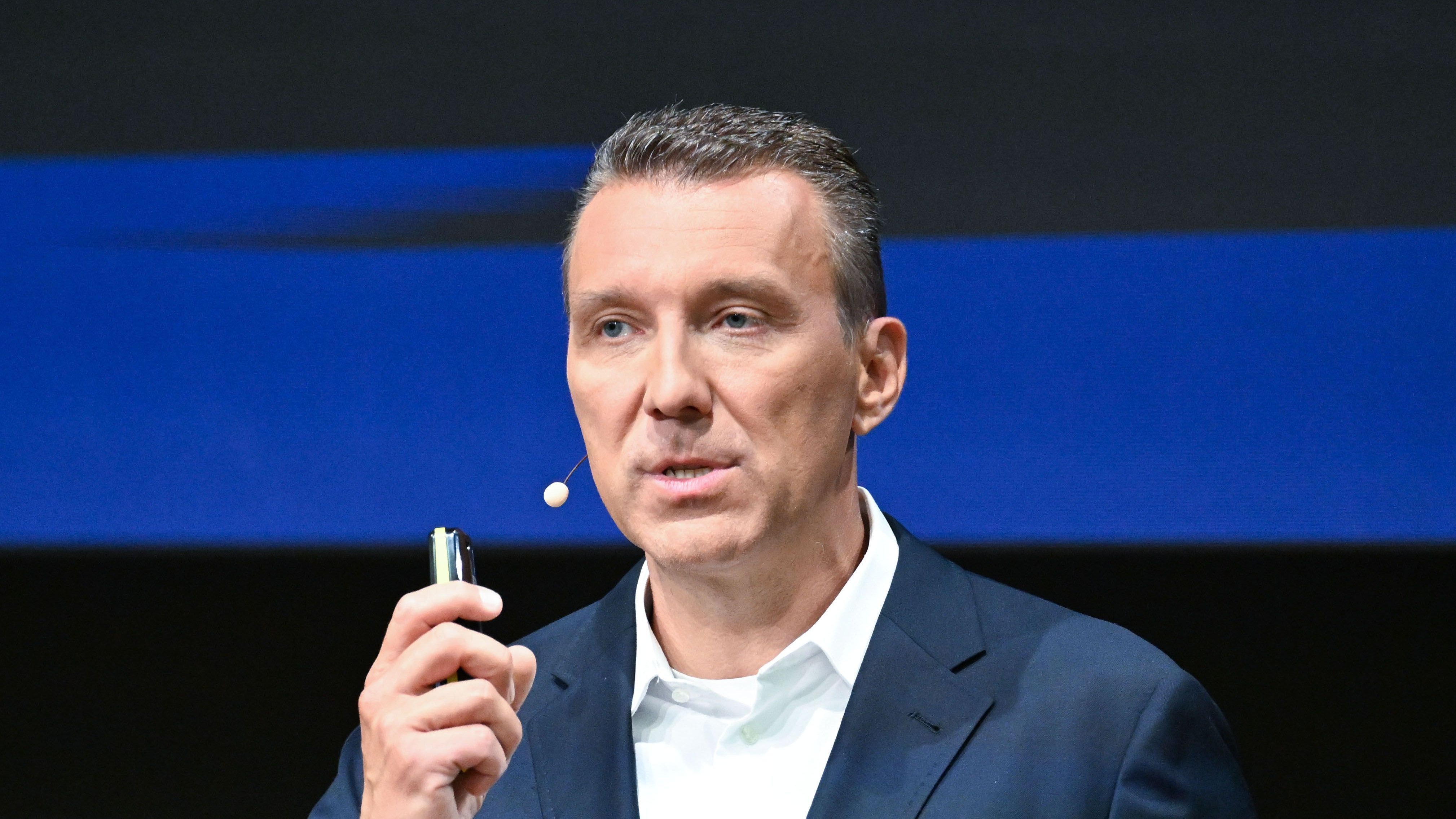
The landscape of European technology is witnessing a significant shift as Schwarz Digits, the digital and IT division of the retail giant Schwarz Gruppe (the parent company of Lidl and Kaufland), embarks on a new chapter. Following the high-profile and unexpected departure of co-CEO Rolf Schumann, the company’s remaining leader, Christian Müller, has articulated a revised strategy that signals a departure from purely visionary experimentation toward a more grounded, operational focus.
At the recent inauguration of the state-of-the-art campus in Bad Friedrichshall, the tone was clear: Schwarz Digits is no longer just a laboratory for retail innovation; it is a permanent pillar of the Schwarz Group’s long-term business model.
Main Facts: A New Era of Pragmatism
The inauguration of the Bad Friedrichshall campus serves as the physical manifestation of this strategic shift. The facility is not merely an office complex; it is a sprawling ecosystem designed to consolidate the group’s digital capabilities. With capacity for 3,500 workstations and housing up to 5,500 personnel, the site represents a multi-million-euro commitment to the future of the company’s IT infrastructure.
Christian Müller’s directive is explicit: "It is useless to develop new ideas if we have not yet fully implemented the existing ones." This statement marks a definitive end to the "visionary" era that defined the initial phases of the division. Under the new regime, the focus is shifting toward scalability, stability, and the integration of existing technologies into the core business of retail and logistics. The message to stakeholders is one of consolidation—ensuring that the robust technological foundation built over the last few years delivers tangible efficiency gains across the global operations of Lidl and Kaufland.
Chronology: From Innovation Lab to Industrial Powerhouse
To understand the current pivot, one must look at the timeline of Schwarz Digits’ evolution:
- 2020–2021: The Formative Phase. The Schwarz Group began centralizing its IT and digital services, realizing that reliance on third-party cloud providers posed a strategic risk. The ambition was to create an internal "digital sovereign" infrastructure.
- 2022: Scaling and Expansion. The division, branded as Schwarz Digits, began aggressive hiring and M&A activities, aiming to position itself as a European competitor to American hyperscalers.
- 2023: The Dual Leadership Model. Rolf Schumann and Christian Müller were appointed as co-CEOs, leading a period of rapid, high-visibility experimentation and massive investment.
- 2024: The Strategic Disruption. The unexpected resignation of Rolf Schumann caught the industry by surprise. Analysts pointed to potential disagreements regarding the pace of expansion versus the need for profit-oriented stability.
- July 2026: The "Bad Friedrichshall Declaration." The opening of the new campus serves as the formal transition point. Christian Müller assumes singular control, setting the new "execution-first" agenda.
Supporting Data: Infrastructure and Capability
The scale of the operation in Bad Friedrichshall provides a glimpse into the depth of the commitment. The site is a microcosm of the group’s technological ambitions:
- Capacity: 3,500 physical desks, supporting a workforce of 5,500, suggesting a hybrid working model integrated with high-tech collaboration spaces.
- Facility Features: The campus includes advanced green-energy systems, a specialized childcare center, and high-tech dining facilities featuring automated food preparation—a direct reflection of the group’s interest in robotics and AI-driven automation.
- Technology Scope: Schwarz Digits is currently managing a massive cloud migration for the entire group, replacing legacy systems with modern, proprietary, or custom-configured cloud solutions.
The data suggests that the division is not downsizing but rather "tightening." By shifting from "visionary" to "operational," the company aims to reduce the time-to-market for internal digital solutions, thereby lowering the overhead costs of the retail business in an increasingly competitive global environment.

Official Responses and Internal Sentiment
During the opening ceremony, Christian Müller was measured in his remarks. He acknowledged the contributions of his former partner but emphasized the necessity of the current transition.
"We are here to stay," Müller stated, referring to the physical and digital footprint of the division. When pressed by journalists regarding the shift away from broad-spectrum innovation, he was firm: "Innovation is only valuable if it translates into improved customer experience at the checkout or greater efficiency in the warehouse."

Internally, the sentiment is described as "cautiously optimistic." Employees, particularly those in the engineering and software development teams, have expressed relief at the move toward a more defined, project-based roadmap. The uncertainty that followed the departure of a co-leader has been largely replaced by the clear, if demanding, expectations set by the new leadership.
The Broader Implications
The pivot of Schwarz Digits has profound implications for the European tech sector and the retail industry at large:

1. Digital Sovereignty
The Schwarz Group is one of the few European corporations with the capital and the scale to build an internal digital infrastructure that can compete with the likes of AWS, Google Cloud, and Microsoft Azure. By focusing on operationalizing these tools, they are creating a blueprint for "sovereign tech" that could eventually be offered as a service to other European enterprises, provided the internal implementation is successful.
2. Retail Automation
The presence of a "cook-robot" at the campus opening is not just a novelty; it is a signal of the group’s intent to automate not just logistics, but the entire value chain. If the company can master large-scale AI and robotics in their own facilities, they can drastically reduce labor costs and improve service quality in their retail outlets.

3. The "Execution-First" Culture
Müller’s focus on the "day-to-day business" is a critique of the "tech-hype" cycle that has gripped many IT divisions in recent years. By forcing a return to core operational excellence, the Schwarz Group is signaling to its competitors that the era of "spending for the sake of growth" is over. Success will be measured by the bottom line, not by the number of patents filed or conferences attended.
Conclusion: A Measured Path Forward
The opening of the Bad Friedrichshall campus marks the end of an experimental phase and the beginning of a period of disciplined industrialization. Under Christian Müller, Schwarz Digits is positioning itself to be the backbone of the Schwarz Group’s future, ensuring that the tech division is not an expensive side-project, but a profitable engine of growth.

As the retail industry faces headwinds—ranging from supply chain volatility to shifting consumer preferences—the stability provided by a robust, internally managed digital infrastructure will be a significant competitive advantage. Whether this "less vision, more business" strategy will bear fruit remains to be seen, but the intent is clear: in the race to digitize retail, the Schwarz Group has decided that reliability and efficiency are the ultimate prizes.
For the employees, the partners, and the competitors, the message is one of endurance. The infrastructure is built, the team is in place, and the focus is locked. The next few years will determine whether this pivot toward operational pragmatism will solidify Schwarz Digits as the definitive leader in European retail technology.