Introduction: The Illusion of Nature
In the sprawling, picturesque expanse of Babelsberg Park, nature is often treated as a secondary concern. Here, the panoramic view is paramount, and technology is only permitted if it is wrapped in an aesthetically pleasing, historicized package. This tension between environmental reality and curated beauty raises a fundamental question: Is this obsession with "pretty" landscapes sustainable in an era of accelerating climate change?
Babelsberg Park, a 124-hectare UNESCO World Heritage site, serves as a masterclass in 19th-century landscape design. With over 20 kilometers of paths, it is a testament to the vision of Prince Pückler-Muskau. However, as drought and heat reshape the German landscape, the park’s dense deciduous forests are increasingly struggling to survive on the poor, sandy soil of the glacial moraine. The park, once a symbol of mastery over nature, now faces an existential crossroads.
Chronology: A Legacy of Engineering and Aesthetic Control
The history of Babelsberg Park is not one of untouched wilderness, but of aggressive engineering disguised as pastoral harmony.

- 1843: The construction of the Neo-Gothic Steam Engine House marked the dawn of modern landscape manipulation. Beneath its medieval-style masonry, a 40-horsepower steam engine pumped water from the Havel River to the park’s heights, ensuring that the thirsty, sandy landscape remained a lush, verdant "pleasure ground."
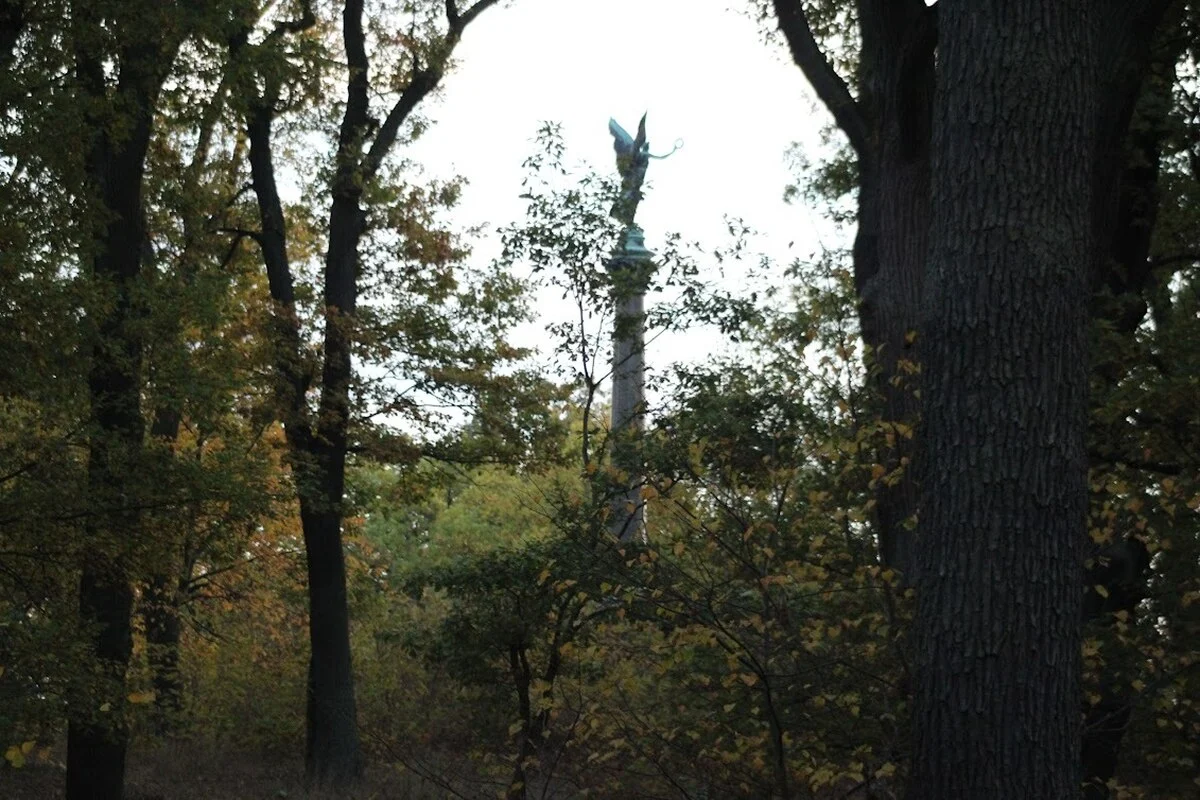
- 1866: The victory column, designed by sculptor Christian Daniel Rauch, was erected on the orders of King Wilhelm I to celebrate Prussia’s military dominance over Austria. It remains the focal point of the park’s vista, positioned to frame the panoramic views of Potsdam.
- The 20th Century: The park suffered under the shadow of the Berlin Wall, with key infrastructure, such as the Steam Engine House, falling into disrepair as the landscape lost its role as a centerpiece of royal status.
- Modern Day: Today, the park faces a new challenge. The "pleasure ground" is drying out. The trees, planted for aesthetic intent rather than ecological resilience, are dying, and the park’s traditional design—focused on sightlines and perspective—is increasingly at odds with the need for functional, climate-resilient infrastructure.
Supporting Data: The Ecological Reality
The current state of Babelsberg Park is a microcosm of the wider European environmental crisis. According to botanical assessments of the region, the combination of rising temperatures and historically poor soil quality is creating a "savannization" effect.
The park’s design relies on a static view of nature. As noted in historical analysis by Norton Wise, the Steam Engine House was intended to "celebrate the central role of the machine within the organic unity of castle and park." This ideology persists today: we are comfortable with machines only when they are hidden or disguised.
The disparity between the park’s maintenance costs and its ecological health is stark. While millions are spent on preserving the "image" of the landscape—the vistas, the lawns, and the historical facades—the underlying biodiversity is in sharp decline. The park’s irrigation needs, once handled by the steam engine, are now a significant burden, yet there is a profound cultural resistance to introducing modern, functional energy-generating structures that might disrupt the "royal" aesthetic.

Official Responses and Perspectives
The management of heritage sites like Babelsberg often falls under a complex web of cultural preservation laws. Representatives from the Prussian Palaces and Gardens Foundation (SPSG) have historically emphasized the importance of maintaining the "visual integrity" of the park.
However, critics, including environmental activists and urban planners, argue that this focus on "Heimat" (homeland/identity) as a visual panorama rather than an ecosystem is inherently flawed. The argument presented by architectural historians is that the 19th-century obsession with "panorama" is a form of denial. If we prioritize the view of a monument over the health of the surrounding forest, we are effectively choosing to preserve a museum piece at the expense of a living habitat.
There is an emerging consensus among some architects that "beauty" is a malleable concept. If a wind turbine—a symbol of the 21st century—were to be integrated into the landscape, would it be an eyesore, or a new kind of monument to survival?

Implications: Can We Train a New Gaze?
The central challenge for Babelsberg Park is whether it can transition from a monument of 19th-century dominance to a beacon of 21st-century sustainability.
1. The "Museumization" of Nature
We currently treat the landscape as a fixed picture. By refusing to adapt the physical structure of the park to the realities of climate change, we are forcing it to exist in a state of artificial stasis. This is not conservation; it is taxidermy. The implication is that we value the "pretty" more than the "functional."
2. The Potential for Artistic Intervention
What if an artist collective were commissioned to re-imagine the placement of the victory column? By relocating, abstracting, or re-contextualizing historical monuments, we could open space for necessary infrastructure. Imagine a wind turbine placed where the victory column stands—a modern sentinel overlooking the Havel. It would force visitors from the Uckermark to rural Brandenburg to recognize that climate-friendly energy is not just for distant fields, but can exist within our most sacred cultural spaces.

3. Redefining Beauty
If we continue to insist that technology must be "prettied up" to be acceptable, we remain trapped in the aesthetics of the past. We must learn to see the beauty in an ecosystem that works, rather than just an ecosystem that looks like a 19th-century painting. A wind turbine in a park is not a destruction of the view; it is a declaration that the park is intended for the future, not just the past.
Conclusion: A Call for Courage
The persistence of the current landscape management model at Babelsberg reflects a broader societal fear: the fear that acknowledging climate change will force us to sacrifice the things we find beautiful.
However, the real tragedy would be the loss of the forest itself. If we allow the trees to die because we refuse to alter the "panorama," we are committing a grave aesthetic and moral error. It is time to move beyond the idea that "technique" must be hidden. We need to integrate modern, ecological necessities into the heart of our public spaces.

If Prince Pückler-Muskau were alive today, would he be obsessing over the exact placement of a monument, or would he be obsessed with the technology required to keep his garden alive in a warming world? The answer is likely the latter. It is time for Babelsberg to become a park that does more than look good; it must be a park that does good. By shifting our perspective, we can ensure that our heritage sites remain vital, living, and, yes, beautiful in a way that respects the reality of the earth beneath our feet.