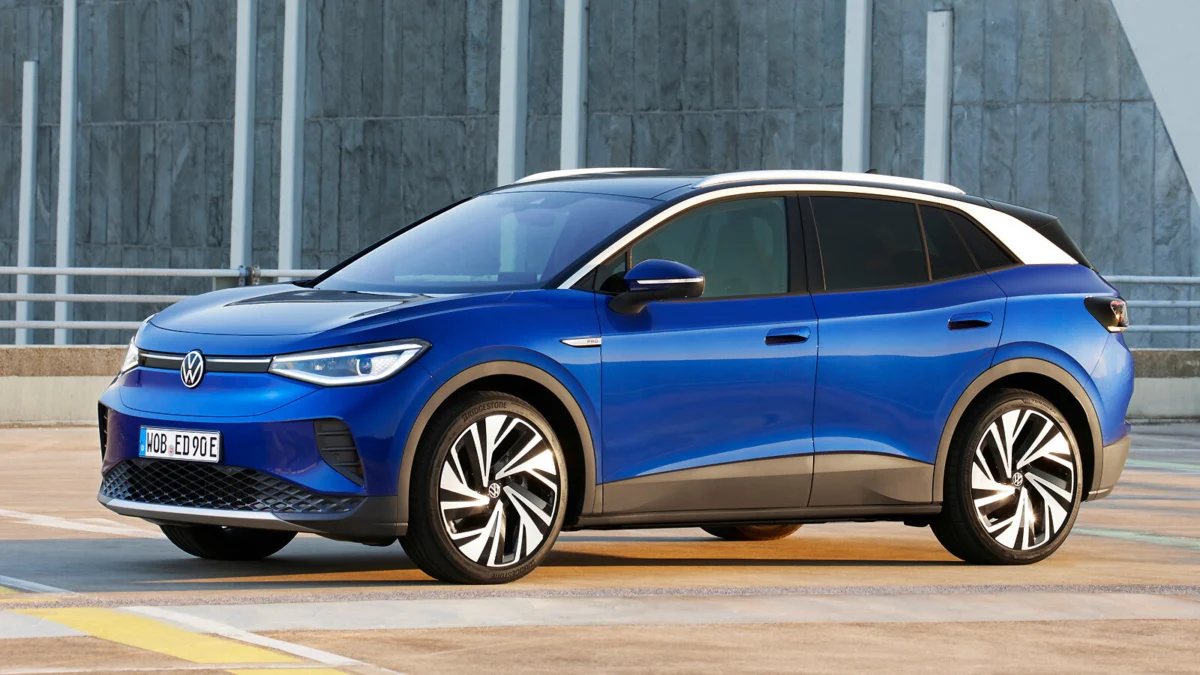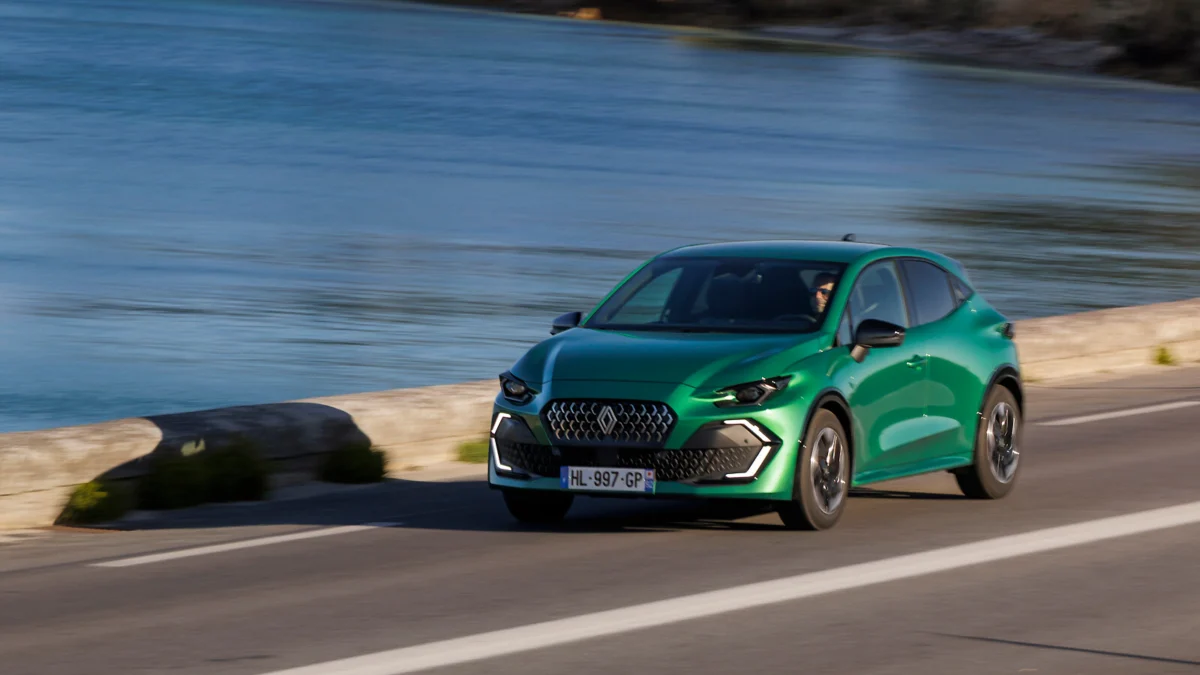
In a move that signals a profound pivot in European industrial policy, Germany and France are nearing a landmark agreement aimed at revitalizing the continent’s beleaguered automotive sector. The proposed package, which combines protectionist measures against international competitors with a significant softening of climate-related mandates, marks a departure from previous EU strategies—and has ignited a fierce political firestorm.
The Core Proposal: A New Industrial Compact
The proposed framework, currently in the final stages of negotiation between Berlin and Paris, is designed to fortify European car manufacturers against a wave of global competition, particularly from China. SPD Chairman Lars Klingbeil, speaking on the sidelines of the International Monetary Fund (IMF) annual meeting in Bangkok, confirmed that the two nations are on the "home stretch" of a comprehensive deal.
At its heart, the agreement seeks to harmonize state support with corporate accountability. Klingbeil emphasized that while the government is prepared to improve the "framework conditions" for automotive giants, this largesse is conditional. "It is essential that there are clear commitments to domestic site investments and, crucially, for the employees," Klingbeil stated, underscoring the government’s desire to prevent further industrial flight and job losses.
The package is multi-faceted, reportedly including:
- Targeted Protectionism: New "protection mechanisms" specifically aimed at mitigating the competitive pressure exerted by Chinese manufacturers.
- Revitalized Demand: A refreshed incentive program for electric vehicles (EVs) that leans heavily toward favoring European-manufactured vehicles.
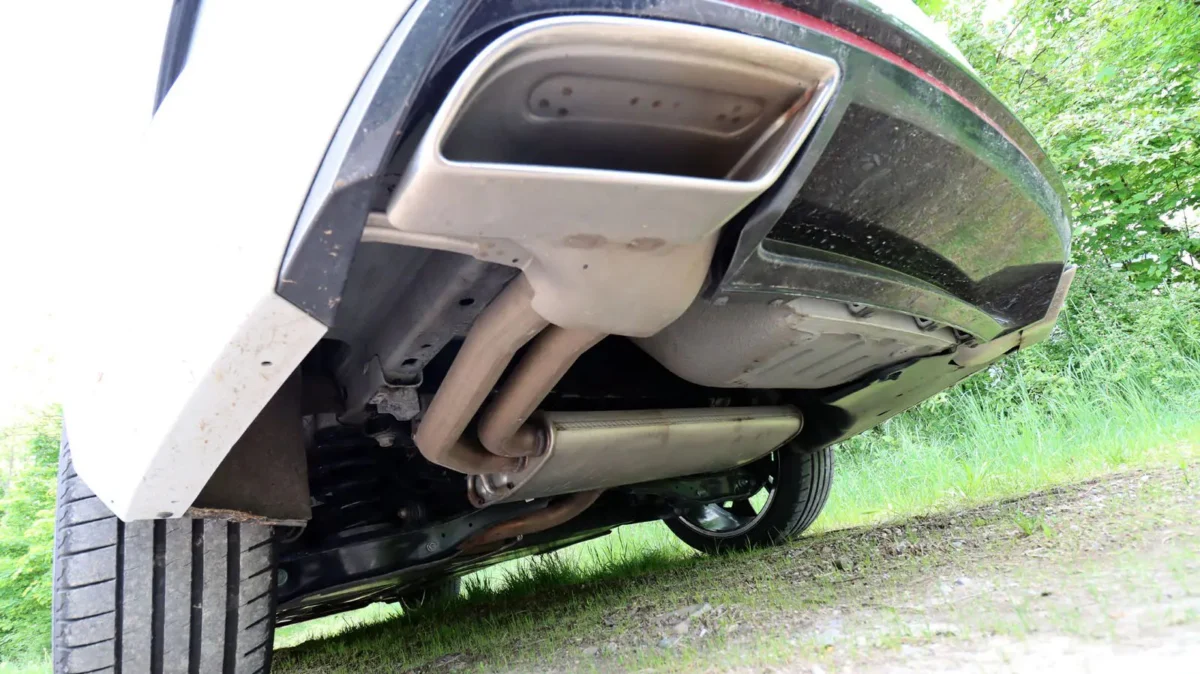
- Regulatory Relief: A significant weakening of the EU’s mandate regarding the phase-out of internal combustion engines (ICE).
Chronology: From Ambition to Re-evaluation
The path to this current proposal has been marked by a shifting political landscape and economic urgency.
- December 2025: The European Commission floated a proposal that effectively reopened the debate on the post-2035 phase-out of internal combustion engines, acknowledging that the rigid transition timeline was placing extreme pressure on traditional manufacturing hubs.
- Early 2026: Under the leadership of Chancellor Friedrich Merz and President Emmanuel Macron, the two powerhouses of the EU began drafting a bilateral paper to formalize a new trajectory for the bloc’s automotive industry.
- Present Day: Negotiations have reached their final stages, with the proposal now serving as a focal point of debate between proponents of "technological neutrality" and those advocating for a strict, emissions-free future.
The central pillar of the German-French paper, as reported by Handelsblatt, involves adjusting the 2035 fleet-wide emission targets. Currently, the EU has pushed for a near-total phase-out of CO2-emitting vehicles. The new proposal suggests that manufacturers would only be required to reduce average fleet emissions by 90 percent by 2035, effectively allowing for the continued sale of new gasoline and diesel vehicles, provided that the total fleet average remains within the prescribed limit.
Supporting Data and Economic Context
The urgency behind this move is rooted in stark economic data. European carmakers have faced a "perfect storm" of challenges: rising energy costs, the heavy capital expenditure required for the transition to electric mobility, and an aggressive, state-subsidized expansion by Chinese rivals.
According to data regarding the current EV incentive schemes, there has been a notable shift in consumer behavior. A significant portion of current subsidy applications—roughly three-quarters—stems from lower-income brackets, suggesting that the "early adopter" phase of EVs is over. To sustain the transition, the market now requires vehicles at a price point that European manufacturers have struggled to meet.
The move to allow a 10 percent "cushion" in emissions reduction targets is seen by industrial strategists as a "lifeline" for companies like Volkswagen, Stellantis, and Renault. By allowing these firms to continue producing high-margin combustion engine vehicles, they can generate the necessary liquidity to fund their long-term, high-risk investments in battery technology and software-defined vehicles.
Official Responses and Political Polarization
The announcement has been met with immediate and vocal opposition, particularly from the Green party faction in Germany. Katharina Dröge, the Green parliamentary group leader, has emerged as the most prominent critic, characterizing the proposed deal as a "damaging brake" on Germany’s industrial potential.
The Green Critique
"Chancellor Friedrich Merz is creating an additional hurdle for German automotive sites with this combustion-engine deal," Dröge said in a statement to the dpa. She argued that the government is confusing short-term relief with long-term survival. "We must invest with full force into the electric car, into future technologies like battery chemistry, consumer-friendly charging infrastructure, the use of EVs as storage for our energy system, and autonomous driving."
Dröge’s concerns go beyond economics; she frames the policy as a moral and environmental failure. "Just ten weeks after the hottest summer and the most devastating forest fires in Europe, Merz and Macron are sacrificing our climate protection targets in the transport sector," she charged. Her argument is that by easing the pressure on manufacturers, Germany and France are effectively outsourcing the future of the industry to competitors who have already committed fully to the electrification era.
Implications: A New Era for European Manufacturing
The implications of this potential deal are far-reaching, affecting everything from the European Green Deal to the future of the transatlantic relationship.
1. The Geopolitical Dimension
By implementing "protection mechanisms" against China, Germany and France are signaling a move toward "strategic autonomy." This reflects a broader European anxiety about dependency on non-European supply chains for critical components like batteries and semiconductors. However, this risks triggering retaliatory trade measures from Beijing, which could impact other German export-heavy sectors like luxury machinery and chemical production.
2. Industrial Competitiveness
The argument for the 90 percent target is simple: survival. If European manufacturers are forced to pivot too quickly, they risk bankruptcy or mass layoffs before their EV product lines reach profitability. By allowing a transition period, Berlin and Paris hope to preserve the industrial base, keeping highly skilled jobs in Europe while slowly scaling up domestic battery production.
3. The Future of the Green Deal
The EU’s commitment to carbon neutrality by 2050 is being tested. If the automotive sector—one of the largest contributors to transport emissions—receives a stay of execution for the internal combustion engine, it sets a precedent for other industries to lobby for similar relief. This creates a risk of "policy creep," where the urgency of the climate crisis is diluted by the reality of industrial economic cycles.
4. Domestic Political Fallout
For Chancellor Merz, the gamble is high. He is balancing the interests of powerful industrial lobbies, who argue that the green transition is moving too fast, against the demands of climate-conscious voters. If the move leads to lower prices for consumers and saves manufacturing jobs, it may be viewed as a pragmatic victory. If, however, it leads to a decline in technological innovation and leaves Germany trailing behind in the global race for the next generation of transport, it could be viewed as a historic missed opportunity.
Conclusion
As negotiations in the background of the IMF meeting continue, the message from Berlin and Paris is clear: the transition to a sustainable future cannot be achieved at the cost of the continent’s industrial foundation. Whether this "middle path"—a blend of traditional engine reliance and new-age protectionism—will be enough to keep Europe at the forefront of the global automotive industry remains to be seen. What is certain is that the debate over how to balance climate ambition with industrial survival has entered a new, more contentious phase, one that will define the political legacy of the current European leadership.