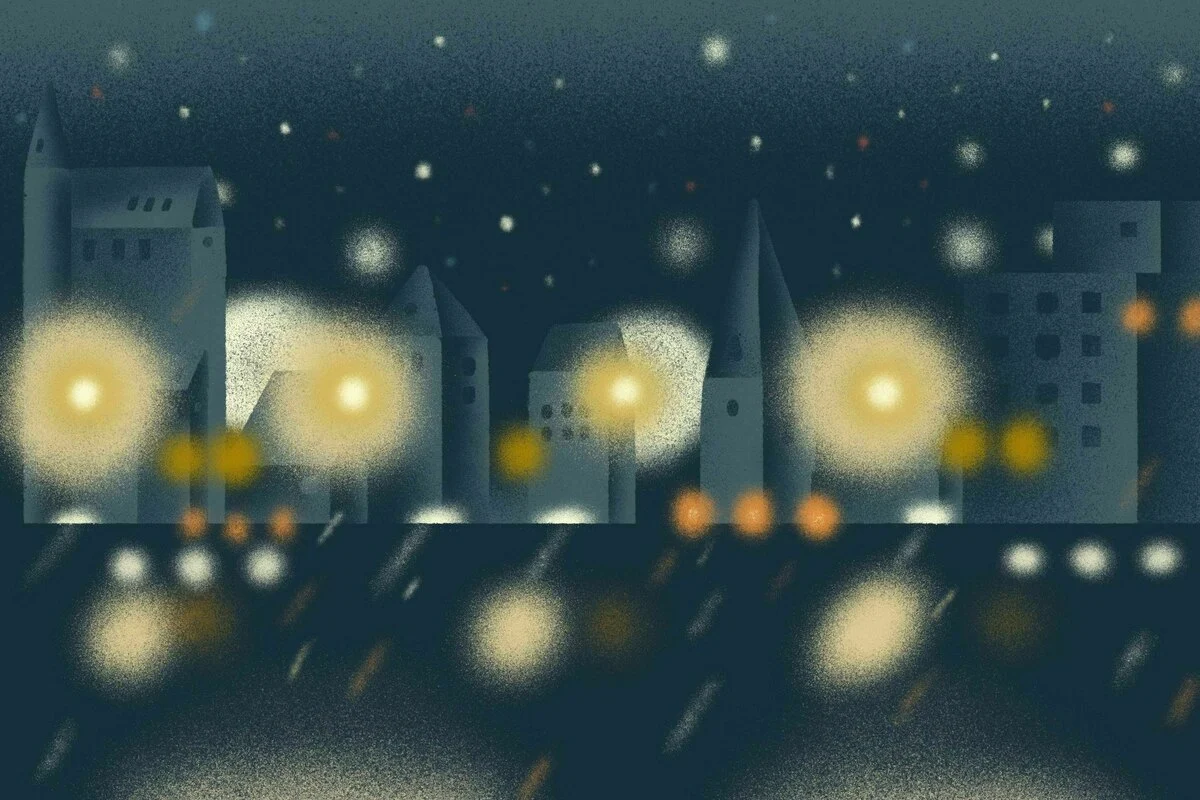
In the quiet, unassuming landscape between Osnabrück and Bremen lies the small Lower Saxon town of Diepholz. Often overlooked by travelers rushing between Germany’s major northern hubs, the town has recently stepped into the spotlight—or rather, it has curated its own. The municipality’s innovative lighting concept, a masterclass in atmospheric urban design, has been honored with the prestigious German Lighting Design Award (Deutscher Lichtdesign-Preis).
What was once a sleepy transit point has transformed into a case study for how thoughtful, sustainable, and aesthetically sensitive illumination can redefine the character of a community. As the days grow shorter and the long, dark nights of the northern German winter set in, Diepholz offers a warm, inviting glow that is not merely functional, but transformative.
The Main Facts: A Recognition of Excellence
The German Lighting Design Award is no minor regional accolade. Traditionally, the "Public Spaces" category has been dominated by major urban centers—metropolises like Berlin, Munich, Hamburg, and Hanover have claimed the prize in years past. For a town of under 20,000 residents to outshine major European capitals and economic powerhouses like Luxembourg and Düsseldorf is a feat of significant proportions.
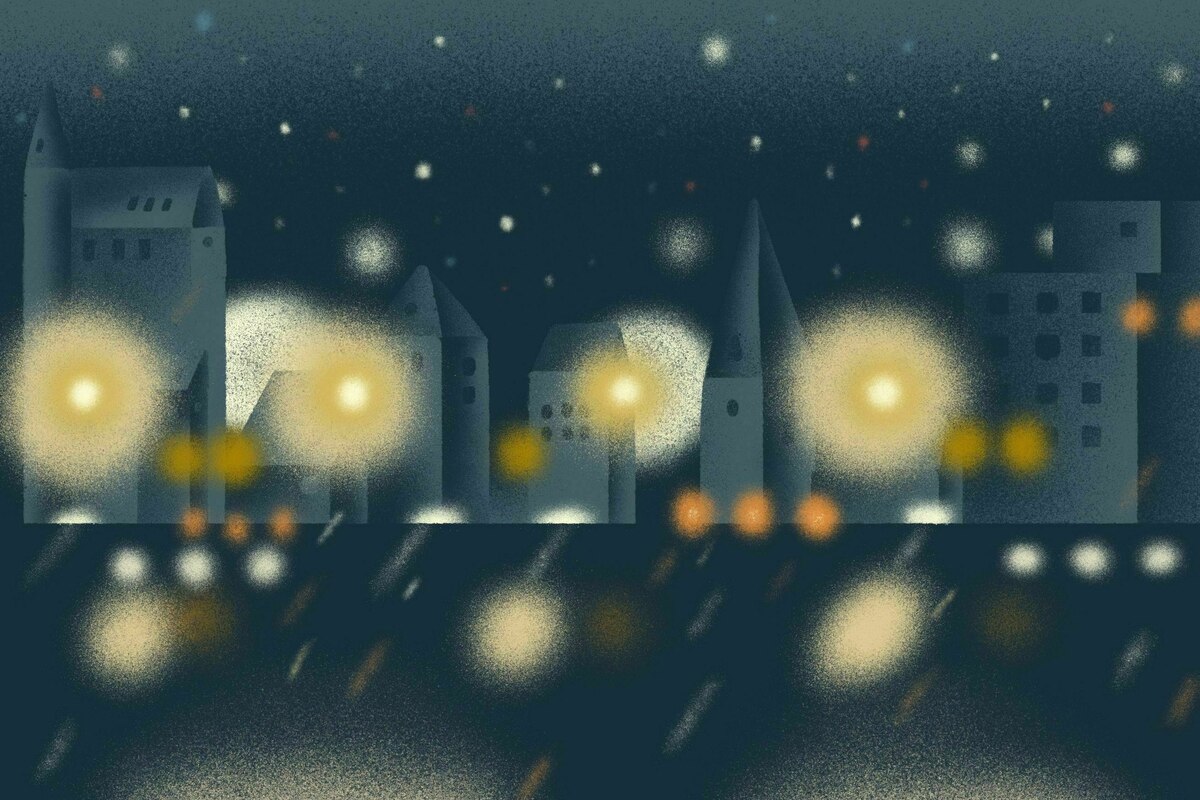
The jury’s decision centered on the project’s ability to "sustainably and efficiently fill urban space with life through atmospheric components and targeted accentuation." The project utilizes a sophisticated network of warm-white LED stelae and recessed light strips integrated directly into the pavement. Rather than overwhelming the architecture with harsh, floodlight-style brightness, the design focuses on "human-centric" lighting, creating zones of comfort that encourage citizens to reclaim their public spaces after dusk.
Chronology: A Decade of Transformation
The journey to this award was not a short-term project, but the culmination of a decade-long strategic effort to revitalize the town center.
- 2014–2018: Conceptualization: The local administration began looking at urban renewal not as a matter of new buildings, but as a matter of perception. The town center had suffered from a decline in evening foot traffic, exacerbated by the rise of out-of-town retail centers and the shifting habits of post-industrial life.
- 2019–2022: Design and Integration: Partnering with the specialist firm OC-Lichtplanung, the town drafted a comprehensive plan that looked beyond simple safety lighting. The goal was to create a "living room" effect for the streets.
- 2023–2024: Implementation: The installation of the LED stelae and ground-recessed tiles began in the town’s core, focusing on the Lange Straße as a primary artery.
- 2026: Recognition: The project receives the German Lighting Design Award, marking the first time in ten years that such a small municipality has secured the top honor in its category.
Supporting Data: Technical Innovation and Sustainability
The project’s success is rooted in the technical nuances of the installation. The lighting is not static; it is adaptive. Kristin Christen of OC-Lichtplanung notes that the goal was never to create a tourist attraction based solely on lights, but to foster a sense of well-being among residents.

Technical Highlights:
- Energy Efficiency: The entire system relies on modern LED technology, significantly reducing the carbon footprint compared to the old, high-pressure sodium vapor lamps that cast a sickly, grey haze over the streets.
- Dynamic Customization: The light tiles are color-programmable. During regular operation, they maintain a warm, ambient white. However, they are capable of shifting to the official city colors (blue and green) for festivals or displaying specific colors to mark social causes, such as the "Orange Day" to combat violence against women.
- Cultural Integration: A particularly charming feature is the use of hidden projectors that cast silhouettes of the "Diepholzer Gans" (the Diepholz goose) onto building facades—a nod to the town’s regional heritage and culinary identity.
Official Responses and Expert Perspective
The jury’s commendation emphasized the "urban" quality of the lighting, a description that has sparked some debate among local urban planners. Critics argue that "urban" implies a density that Diepholz lacks, but the designers defend the term by pointing to the "atmospheric components" that create a sense of place.
"We don’t expect people to travel to Diepholz just to see streetlights," admits Kristin Christen. "That would be an unrealistic expectation for any project. But we do expect that the lighting makes the space feel safe, inviting, and worthy of lingering. When the town feels like a place to be rather than a place to pass through, the economy follows."
Local officials have expressed pride in the award, noting that the project is merely the first phase. Future plans involve extending the lighting concept toward the local castle grounds, aiming to link the historic sites of the town with the modern shopping district through a cohesive visual narrative.

Implications: The Future of Small-Town Revitalization
The success of Diepholz serves as a template for other small towns across Europe struggling with the "evening vacuum"—the phenomenon where town centers become desolate after retail hours.
Lessons for Urban Development:
- Light as Infrastructure: Lighting should be treated as essential public infrastructure, as critical as roads or sewage, rather than a luxury add-on.
- Psychology over Brightness: The industry has long equated "more light" with "more safety." Diepholz proves that "better light" (warm, targeted, and ambient) creates a greater sense of security and community than harsh, uniform illumination.
- The "Slow" Development Model: By focusing on incremental, high-quality interventions rather than mass-scale demolition and rebuilding, Diepholz has preserved its historic charm while modernizing its utility.
However, challenges remain. The project is currently fighting against "light competition"—the harsh, high-intensity artificial light emanating from private retail windows, such as local jewelry stores, which can wash out the subtle, curated atmosphere designed by the city. The town is now entering a new phase of dialogue with local businesses to ensure that private lighting choices harmonize with the public design.
Conclusion
As one walks the length of the Lange Straße at night, the difference is palpable. The contrast between the gloom of the station approach and the warm, inviting embrace of the town center is a testament to the power of design. The man sitting on a bollard singing Leonard Cohen, the plashing of the fountain, and the soft glow of the LED stelae create a scene that feels intentionally crafted.

Diepholz has shown that you do not need to be a global metropolis to think globally about design. By treating its own space with respect and artistic intention, it has set a standard that larger cities would do well to emulate. In the quiet, dark corners of Lower Saxony, a small town is proving that if you provide the right light, the community will eventually find its way into the center.
The project remains a work in progress, with the town’s leaders looking toward further expansion. But for now, the residents of Diepholz have something that many larger cities lack: a public space that, even in the depths of a German winter, invites you to stay a little longer.